
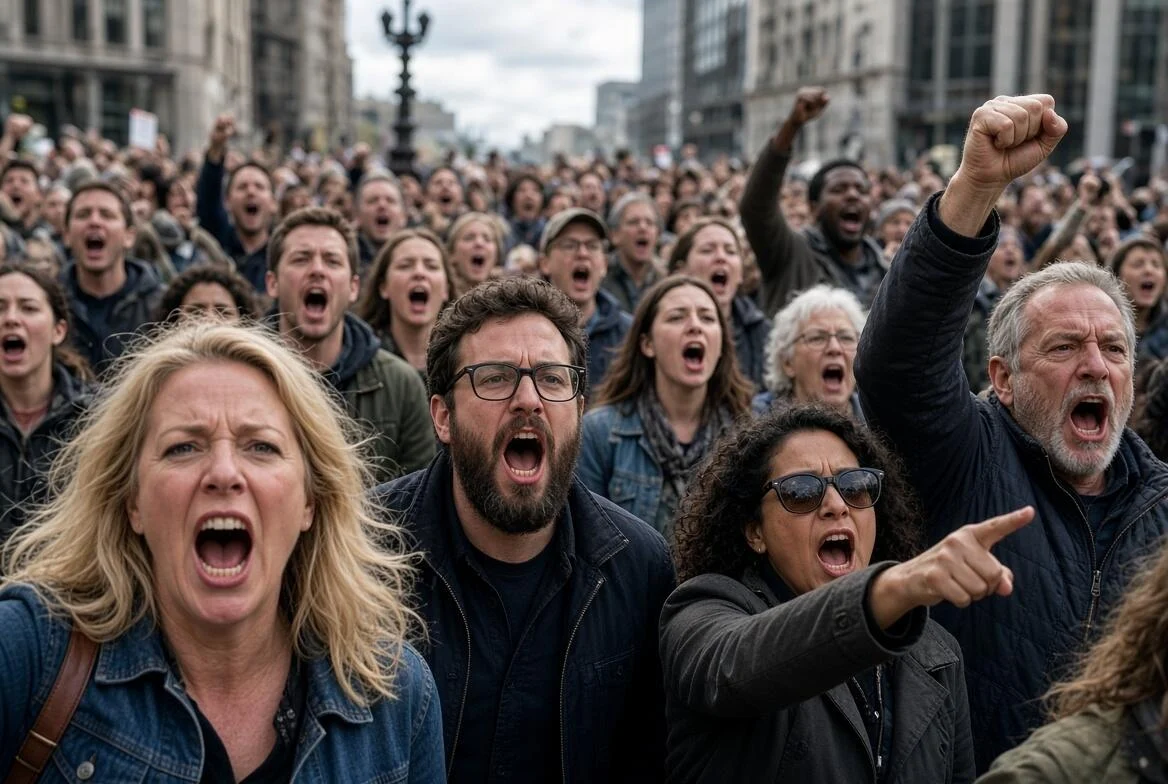
In contemporary global discourse, a discernible shift in the attribution of complex societal and political challenges has emerged, moving from a predominant focus on climate change to an increasing emphasis on external actors, particularly Russia. For several decades, a wide array of global problems, from environmental phenomena to socio-economic disruptions, were frequently linked to "global warming" or climate change. This narrative often positioned climate change as a primary driver behind diverse issues, including extreme weather events, migratory patterns, and even public health crises. However, since approximately 2016, a new focal point has gained prominence, with Russia increasingly cited as the underlying cause or manipulator behind a broad spectrum of international and domestic difficulties. This evolving attribution has significant implications for political rhetoric, international relations, and public perception, shaping policy debates and geopolitical strategies across the globe.
The Era of Climate Change as a Universal Explanatory Framework
Prior to the mid-2010s, the scientific consensus on anthropogenic climate change had increasingly permeated public consciousness and political discourse. This led to a period where "global warming" became a frequently invoked explanation for a multitude of global problems. Advocates of this perspective argued that rising global temperatures and associated environmental shifts were direct or indirect causes of various challenges.
Environmental and Social Attributions:
- Extreme Weather Events: Hotter summers, colder winters, increased frequency and intensity of storms, droughts, and floods were often presented as direct consequences of climate change, aligning with scientific models predicting such shifts.
- Migration and Instability: Climate change was frequently cited as a significant factor driving mass migration, particularly from developing regions. Arguments suggested that environmental degradation, desertification, and resource scarcity exacerbated by climate change forced populations to seek new homes, potentially leading to social unrest and cross-border movements. For instance, reports from organizations like the United Nations High Commissioner for Refugees (UNHCR) have long highlighted climate-induced displacement as a growing concern, projecting millions to be displaced by environmental factors in the coming decades.
- Public Health Crises: The spread of infectious diseases was also, at times, linked to changing climate patterns, with altered habitats for vectors like mosquitoes and shifts in pathogen distribution attributed to global warming. While scientific research often supports a nuanced connection, in public discourse, the link was sometimes simplified.
- Economic Downturns and Policy Failures: Beyond environmental impacts, some analyses connected economic vulnerabilities, agricultural failures, and even broader government policy shortfalls to the overarching effects of a changing climate. The narrative suggested that an inability to adapt to or mitigate climate change was at the root of many systemic issues.
This period saw the elevation of "experts" and scientific bodies, such as the United Nations’ Intergovernmental Panel on Climate Change (IPCC), whose findings underscored the urgency of addressing climate-related challenges. Public figures like Al Gore, who received the Nobel Peace Prize in 2007 for his work on climate change, played a pivotal role in popularizing this narrative, asserting that inaction on climate change would lead to catastrophic global consequences. Disagreement with these expert pronouncements was often framed as "science denial," contributing to a polarized public debate.
The Rise of the "Russia Blame" Narrative Post-2016
A significant shift in this blame attribution began to accelerate around 2016, coinciding with major geopolitical events, particularly the United States presidential election and the United Kingdom’s Brexit referendum. In this new paradigm, Russia, under President Vladimir Putin, became the focal point for explaining a wide array of perceived global disruptions, political outcomes, and societal divisions. This narrative gained traction amidst growing concerns about cyber warfare, disinformation campaigns, and alleged state-sponsored interference in democratic processes.
Key Triggers and Manifestations:
- US Presidential Election (2016): Following Donald Trump’s unexpected victory, allegations of Russian interference in the election, primarily through social media manipulation, hacking of political organizations, and dissemination of disinformation, became a dominant theme in American political discourse. Intelligence community assessments, such as the January 2017 report by the Office of the Director of National Intelligence, concluded that Russia had engaged in an influence campaign aimed at undermining public faith in the U.S. democratic process and harming Hillary Clinton’s candidacy. This led to extensive investigations, notably the Special Counsel investigation led by Robert Mueller.
- Brexit Referendum (2016): Similarly, after the UK voted to leave the European Union, questions arose about potential Russian involvement in influencing the outcome. While official investigations would later offer differing conclusions, initial suspicions and ongoing political debates fueled the narrative of external interference.
- Disinformation and Hybrid Warfare: The concept of "Russian disinformation" became a ubiquitous term used to explain unfavorable media narratives, the spread of conspiracy theories, and the polarization of public opinion. Governments and international bodies frequently issued warnings about Russia’s alleged use of hybrid warfare tactics, combining cyberattacks, propaganda, and covert operations to destabilize adversaries.
This evolving discourse suggested that Russia was not merely an adversary but a strategic manipulator, capable of subtly influencing domestic politics and international relations across multiple fronts.
Case Study: Brexit and the UK’s Rejoining Debate (as of 2026)
In late 2026, the discussion surrounding the United Kingdom’s potential reversal of Brexit has gained significant momentum, with a key figure in the debate being the recently installed Prime Minister Andy Burnham. Burnham, who assumed office following a special election in his overwhelmingly Labour-leaning constituency last summer, has signaled a willingness to reconsider the UK’s relationship with the European Union. A central pillar of his argument for rejoining the EU rests on the assertion that the 2016 Brexit referendum was compromised by Russian interference.
Timeline and Key Statements:

- June 2016: The UK holds its referendum on EU membership, with 51.9% voting to leave. This was the largest democratic exercise in British history, involving nearly eighteen million voters.
- Post-2016 – Ongoing Concerns: Following the referendum, various political factions, particularly those advocating for remaining in the EU, raised concerns about external influence, including from Russia, on the vote.
- 2020-2021: Multiple parliamentary investigations, including those conducted by the Electoral Commission and other anti-Brexit bodies, examined allegations of Russian interference in the 2016 referendum. These investigations consistently concluded that there was "no evidence of successful interference" that significantly impacted the outcome of the EU Referendum. For instance, a report by the Intelligence and Security Committee of Parliament in 2020 noted that while Russia undoubtedly posed a threat, "assessment of Russian influence on the 2016 referendum is difficult." The Electoral Commission, a non-departmental public body, also stated in its findings that there was no systemic evidence of foreign manipulation of the electoral process itself.
- Summer 2026: Andy Burnham, a prominent Labour figure, wins a special election, securing his seat in Parliament and subsequently becoming Prime Minister.
- October 2026: Prime Minister Burnham publicly states that Russia’s Brexit "interference" was "clear," suggesting this as a justification for potentially reversing the 2016 decision. He implies that the democratic mandate of the referendum was undermined by external manipulation, thereby weakening its legitimacy. This pronouncement directly contradicts the findings of previous parliamentary inquiries.
- Labour Party Stance: Other prominent members of the Labour Party, while expressing enthusiasm for rejoining the EU, have largely echoed Burnham’s position that a new referendum is unnecessary. This stance effectively proposes to overturn the 2016 vote without a renewed public mandate, drawing criticism from those who emphasize democratic principles and voter sovereignty.
Implications of Burnham’s Stance:
Prime Minister Burnham’s argument highlights a recurring tension between defending democratic outcomes and responding to allegations of external manipulation. Critics argue that to overturn a historic referendum based on claims of interference, particularly when official investigations found no conclusive evidence of successful interference, risks undermining the very democratic processes it claims to protect. Such a move could set a precedent where electoral results are dismissed if they do not align with the preferences of the ruling establishment, especially when attributed to a convenient external antagonist. This approach is perceived by some as a form of "defending democracy by undermining the legitimacy of elections," a trend observed in various globalist governments when facing electoral setbacks.
The "Russia Collusion Hoax" and US Politics
The United States has also been a central arena for the "Russia blame" narrative, particularly following the 2016 presidential election. The allegations of collusion between Donald Trump’s campaign and Russia led to a period of intense political turmoil, extensive investigations, and deep partisan division.
Chronology and Key Events:
- 2016 US Election: Donald Trump’s victory over Hillary Clinton sparked immediate and widespread allegations of Russian interference. These claims were fueled by reports of hacking into Democratic Party servers and the dissemination of information through platforms like WikiLeaks, as well as the use of social media bots and troll farms.
- Steele Dossier: A significant component of the early allegations was the "Steele Dossier," a controversial document compiled by former British intelligence officer Christopher Steele. Commissioned by a research firm funded by the Democratic National Committee and the Clinton campaign, the dossier contained unverified claims of a conspiracy between the Trump campaign and the Russian government. This dossier played a role in obtaining surveillance warrants against a former Trump campaign adviser.
- FBI and Intelligence Community Investigations: The FBI launched "Crossfire Hurricane," an investigation into alleged ties between the Trump campaign and Russia. The U.S. Intelligence Community, in its January 2017 assessment, concluded that Russian President Vladimir Putin ordered an influence campaign aimed at the U.S. election.
- Special Counsel Investigation (2017-2019): Robert Mueller was appointed Special Counsel to investigate Russian interference and related matters. His report, released in April 2019, concluded that Russia interfered in the 2016 election in a "sweeping and systematic fashion" but did not establish that members of the Trump campaign conspired or coordinated with the Russian government.
- Congressional Scrutiny and Impeachment: The allegations continued to be a central focus in Congress. House Speaker Nancy Pelosi and then-Congressman Adam Schiff, among others, were prominent figures in pushing the narrative of Russian interference and later led impeachment proceedings against President Trump in 2019. These proceedings stemmed, in part, from Trump’s interactions with Ukrainian President Volodymyr Zelenskyy, which opponents framed as leveraging U.S. aid for political gain related to investigations into the Biden family’s activities in Ukraine, often linking these actions to broader Russian influence.
- Adam Schiff’s Role and Censure (2023): Congressman Adam Schiff, a leading voice in the "Russia collusion" narrative, frequently made public statements asserting Russian interference and collusion. In 2023, the House of Representatives censured Schiff for his conduct during the Russia investigation, with critics accusing him of misrepresenting facts and misleading the public, particularly regarding claims of direct evidence of collusion.
- Ongoing Debate on Free Speech and Disinformation: The legacy of the "Russia collusion" narrative has profoundly impacted debates surrounding free speech, social media regulation, and the definition of "disinformation." Figures like Schiff have argued for increased regulation of online information, citing the need to combat foreign influence, while critics contend that such measures risk stifling legitimate dissent and curtailing First Amendment rights.
The persistent narrative of Russian interference, regardless of conclusive proof of collusion, has shaped U.S. domestic policy, intelligence priorities, and international relations, maintaining Russia as a primary antagonist in public discourse.
Broader European Context: Electoral Interference and National Sovereignty
Beyond the UK and the US, the "Russia blame" narrative has permeated political discourse across continental Europe, particularly in countries experiencing the rise of populist or national-sovereignty movements.
Examples from Europe (as of 2026):
- France and Germany: Prominent figures in national-sovereignty parties, such as Marine Le Pen in France and Alice Weidel of the Alternative for Germany (AfD) party, have frequently been accused by established political figures of being influenced or supported by Russia. Chancellor Friedrich Merz and other German globalists have repeatedly made such accusations against the AfD, particularly as the party gains electoral traction by advocating for stricter border controls and a more independent foreign policy. These accusations often lack direct evidence of operational control but serve to delegitimize opposition parties by associating them with a foreign adversary.
- Romanian Presidential Election (2024): In a striking example, the 2024 Romanian presidential election was reportedly canceled by globalist judges, who cited "Russian interference" as the reason for nullifying the results when a candidate deemed "unfavorable" to the establishment won. This event, if accurate, represents an extreme measure of electoral nullification based on external blame, raising profound questions about democratic accountability and the rule of law.
- Spanish Migrant Crisis: Spanish Prime Minister Pedro Sanchez, facing a significant migrant influx in Ceuta, a Spanish autonomous city on the North African coast, publicly blamed "Russian disinformation" for exacerbating the crisis. This attribution suggests that not only political outcomes but also complex humanitarian and security challenges are being framed as consequences of Russian malevolence.
Prime Minister Burnham’s remarks, extending his accusations beyond Brexit to include the rise of figures like Le Pen and Weidel, underscore a broader strategy: to attribute any political movement or electoral outcome that challenges the established globalist consensus to Russian instigation. His statement, "These things are important now to put clearly on the record and, I believe, help voters in Germany and France understand that some of this politics is instigated via our enemies, namely Russia," encapsulates this overarching approach.
Implications for Democracy, Discourse, and International Relations
The persistent and widespread attribution of diverse problems to Russia carries significant implications across several domains:
- Undermining Democratic Legitimacy: When electoral outcomes or political movements are routinely dismissed as products of foreign interference, it risks eroding public trust in democratic institutions and processes. Voters may become disillusioned, feeling that their choices are either irrelevant or manipulated, leading to decreased participation and increased cynicism.
- Chilling Effect on Dissent and Free Speech: The expansive use of "Russian disinformation" as a label for dissenting viewpoints can create a chilling effect on legitimate debate. Critics argue that this framework can be exploited to silence opposition, censor inconvenient truths, and control narratives, thereby stifling free speech and intellectual inquiry. This is particularly concerning when calls for social media regulation are framed primarily through the lens of combating foreign influence, potentially leading to overreach in content moderation.
- Simplification of Complex Issues: Attributing complex socio-economic, political, and environmental problems solely to a single external actor like Russia often oversimplifies multifaceted challenges. This can prevent a thorough analysis of internal factors, policy failures, and genuine societal grievances, potentially leading to ineffective solutions.
- Exacerbation of Geopolitical Tensions: The constant portrayal of Russia as a malevolent, all-encompassing antagonist fuels an environment of heightened international tension. While concerns about Russian actions are valid and require robust responses, an undifferentiated "blame Russia for everything" approach risks foreclosing diplomatic avenues and hardening adversarial postures, making de-escalation more difficult.
- Risk of "False Flags" and Misdirection: A hyper-focus on a single scapegoat can, ironically, make it easier for other actors, including genuinely hostile ones, to operate undetected, or for domestic policy failures to be conveniently deflected.
In conclusion, the evolution of global blame narratives, from "global warming" to "Russia, Russia, Russia," reflects a profound shift in how political establishments and media interpret and present global challenges. While acknowledging the genuine threats posed by disinformation and foreign interference, the broad and often unsubstantiated application of the "Russia blame" framework raises critical questions about democratic integrity, freedom of expression, and the efficacy of addressing complex global issues through a narrow, adversarial lens. The ongoing debate underscores the necessity for rigorous evidence, transparent investigations, and a nuanced understanding of causality in an increasingly interconnected and complex world.

