
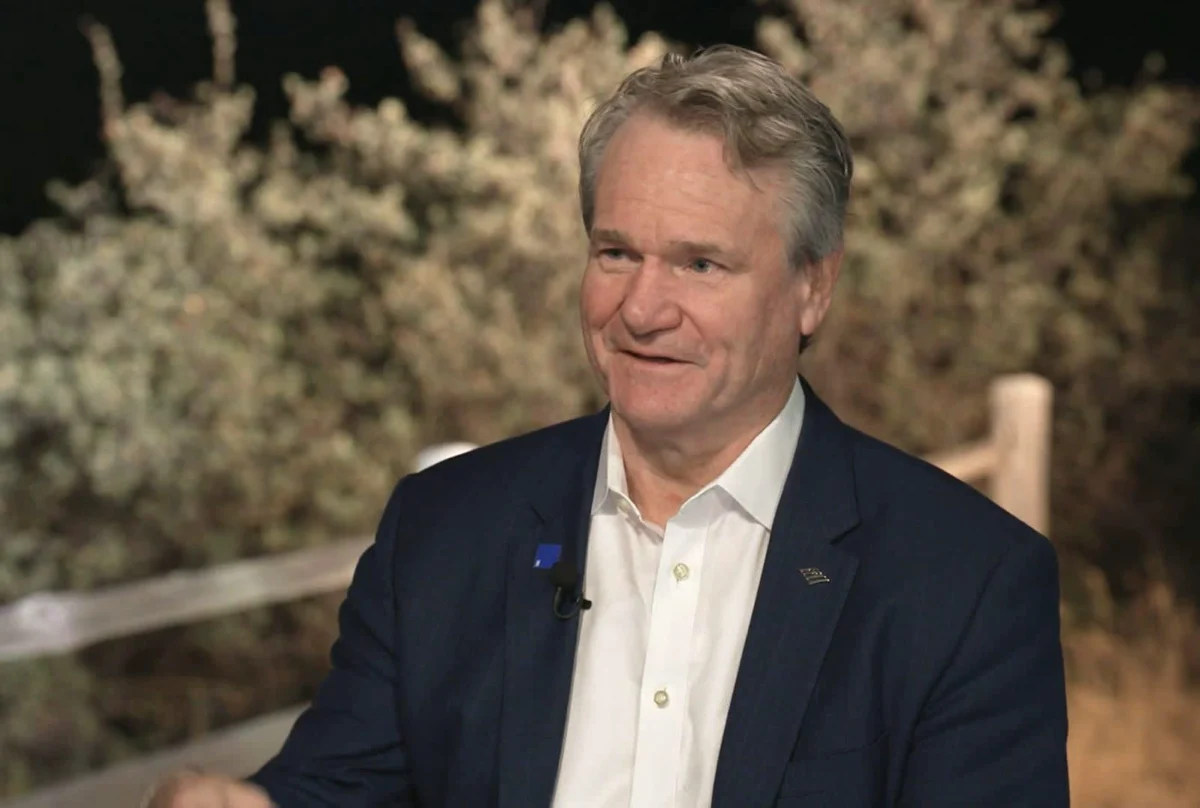
Bank of America, one of the largest financial institutions globally, has launched a significant and costly initiative to fortify its software infrastructure against sophisticated vulnerabilities exposed by cutting-edge artificial intelligence models, including Anthropic’s recently released Mythos. This unprecedented defensive mobilization, detailed by CEO Brian Moynihan, involves deploying an "army" of external contractors alongside thousands of internal experts, underscoring the escalating cybersecurity challenges presented by the rapid advancements in AI technology. The revelations come as financial institutions grapple with the dual nature of AI – a potent tool for efficiency and innovation, yet simultaneously a formidable new vector for advanced cyber threats.
The Immediate Response: A "Couple Hundred Million Plus" Investment
Speaking to CNBC following the bank’s third-quarter earnings release, Moynihan disclosed the urgency with which Bank of America reacted to the emergence of these "frontier-type models." He explained that earlier this year, the bank embarked on an intensive effort to bolster a wide spectrum of its internal and vendor code. This swift action saw the immediate recruitment of approximately 1,000 external contractors in the second quarter, augmenting the existing 3,000 cybersecurity personnel already dedicated to this specialized area. These additional resources remain active, signifying the ongoing nature and scale of the remediation work.
The financial outlay for this cybersecurity overhaul has been substantial. Moynihan informed analysts that the bank allocated "a couple hundred million plus" in the third quarter alone towards software remediation efforts, an amount that also encompassed costs related to anti-money laundering (AML) compliance and other regulatory issues. This substantial expenditure highlights the proactive and costly measures major corporations are being forced to undertake to stay ahead of an increasingly sophisticated threat landscape driven by AI. The direct financial impact of these security enhancements, coupled with a broader market downturn, contributed to a slump in Bank of America’s shares by as much as 8% on Wednesday, reflecting investor concerns about increased operational costs, albeit temporary.
Anthropic’s Mythos: A Catalyst for Cybersecurity Scrutiny
At the heart of Bank of America’s accelerated defensive posture is the emergence of advanced AI models like Anthropic’s Mythos. Released to a select group of banks, technology firms, and government agencies in April, Mythos represents a new generation of AI capable of rapidly identifying and, potentially, exploiting decades-old software flaws within complex systems. Unlike traditional vulnerability scanning tools, these frontier models can leverage sophisticated reasoning and pattern recognition to uncover obscure weaknesses that might have eluded human experts or less advanced automated systems for years.
The capabilities of Mythos, which are reportedly designed to assist in "red-teaming" (simulating adversarial attacks) and identifying systemic weaknesses, have sent ripples through the corporate world, particularly within sectors like finance that manage vast amounts of sensitive data and critical infrastructure. The financial industry, a prime target for cybercriminals and state-sponsored actors, is acutely aware that tools designed for defensive testing could, in the wrong hands, be repurposed for offensive exploits. Moynihan’s comments represent one of the first explicit acknowledgements from a major U.S. corporation detailing the specific manpower and financial investment prompted by such advanced AI models, thereby lifting the veil on an urgent, industry-wide concern that has largely remained behind closed doors.
The Dual-Edged Sword: AI’s Promise and Peril
The Bank of America scenario vividly illustrates the paradoxical nature of artificial intelligence in the modern enterprise. On one hand, AI is hailed as a transformative technology capable of driving unprecedented efficiencies, automating mundane tasks, and providing predictive insights that can save companies billions. Bank of America itself is actively pursuing approximately 130 internal AI projects, with expected savings from these initiatives projected to rise from $300 million this year to a substantial $700 million by 2027. The bank also saw its headcount fall by about 3,400 employees in the past year, with roughly 5% of managers being cut, though the precise extent to which AI contributed to this workforce reduction remains unclear.

Conversely, the very sophistication that enables AI to boost productivity also empowers it to uncover and exploit vulnerabilities with unparalleled speed and scale. As Moynihan articulated, the ability of models like Mythos to pinpoint long-standing software flaws has compelled firms into a costly and immediate defensive scramble. "We’ve got to stay ahead of them, and we’ve got to be mindful that the people doing the software development are the people trying to sell us the services," Moynihan noted, hinting at the intricate relationship between technology providers and the security implications of their innovations. This dynamic creates a perpetual "arms race" where advancements in offensive AI capabilities necessitate proportional, if not superior, investments in defensive AI and traditional cybersecurity measures.
Broader Industry Context and Regulatory Imperatives
The challenges faced by Bank of America are not isolated incidents but rather symptomatic of a larger trend impacting the global financial sector. Banks operate within a highly regulated environment, subject to stringent cybersecurity mandates from bodies such as the Office of the Comptroller of the Currency (OCC), the Federal Reserve, and the Cybersecurity and Infrastructure Security Agency (CISA). These regulators consistently emphasize the need for robust risk management frameworks, continuous vulnerability assessments, and swift remediation of identified weaknesses. The advent of AI-driven threat intelligence and attack vectors intensifies these regulatory pressures, demanding that financial institutions not only comply with existing guidelines but also proactively adapt their defenses to emerging threats.
Industry reports consistently highlight cybersecurity as a top concern for banking executives. Data from leading cybersecurity firms indicates that the average cost of a data breach in the financial sector significantly exceeds the cross-industry average, often running into tens of millions of dollars per incident when factoring in regulatory fines, remediation costs, legal fees, and reputational damage. The sheer volume of transactions, the sensitive nature of financial data, and the interconnectedness of global financial markets make banks particularly attractive targets. The revelation about Mythos underscores a critical new dimension to this long-standing battle, suggesting that legacy systems, which form the backbone of many financial operations, are now under unprecedented scrutiny by advanced algorithmic intelligence.
The Evolution of Cybersecurity Strategy: Beyond Patching
While Moynihan sought to reassure investors that the current surge in spending is temporary – "Once you patch, you don’t have to patch as much… The pipeline moves through" – the long-term implications for cybersecurity strategy are profound. The current focus on "patching work" represents a critical, immediate response to existing vulnerabilities. However, the continuous evolution of AI capabilities suggests that cybersecurity can no longer be viewed as a static defense mechanism. Instead, it must become a dynamic, adaptive, and AI-augmented discipline.
This implies a shift towards "security by design," integrating robust security measures from the very inception of software development, rather than attempting to bolt them on retrospectively. It also necessitates greater investment in AI-powered defensive tools that can detect, predict, and respond to AI-driven attacks in real-time. Moreover, the reliance on "external contractors" and "outside personnel" points to a severe talent gap within the cybersecurity industry, forcing organizations to leverage external expertise to manage complex threats. This trend is likely to continue, driving demand for specialized cybersecurity consulting and managed security services.
Looking Ahead: A New Era of Digital Resilience
Bank of America’s proactive stance against AI-driven vulnerabilities serves as a crucial bellwether for the broader corporate world. It signals that advanced AI is not merely a tool for innovation but also a powerful force reshaping the cybersecurity landscape. The financial sector, often at the forefront of technological adoption and risk management, is once again demonstrating the acute awareness and decisive action required to navigate these complex challenges.
As AI models continue to advance in sophistication and accessibility, the ability to identify and exploit software flaws will only grow. This necessitates a continuous cycle of investment in human talent, advanced technology, and adaptive security protocols. The "couple hundred million plus" spent by Bank of America is not just an expense; it is an investment in digital resilience, a crucial safeguard against potentially catastrophic breaches that could undermine trust, incur massive financial penalties, and destabilize critical financial infrastructure. The ongoing battle between AI-powered offense and AI-powered defense will undoubtedly define the future of cybersecurity, compelling organizations across all sectors to rethink their strategies for safeguarding their digital assets in an increasingly intelligent and interconnected world.

