
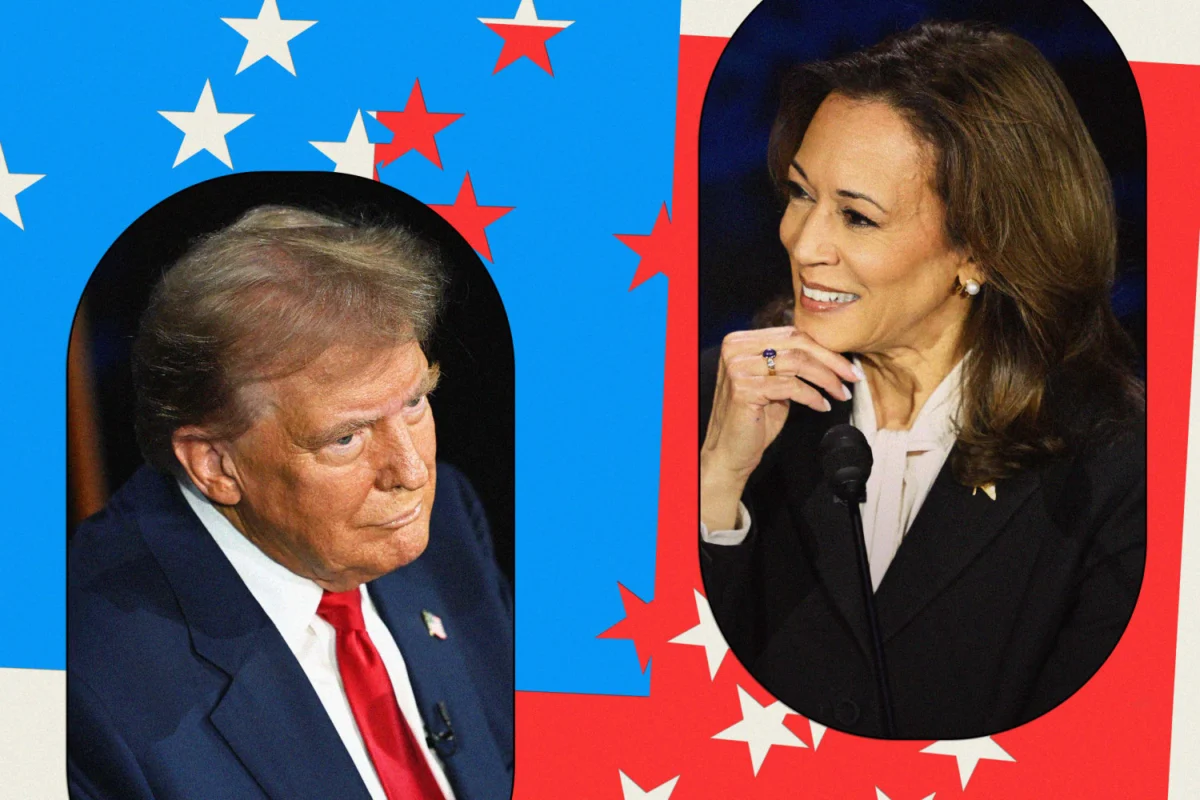
As another U.S. election cycle gains momentum, the national conversation inevitably turns to the state of the economy. With presidential candidates, particularly Vice President Kamala Harris and former President Donald Trump, engaging in vigorous debate, the economic narrative has become a central battleground. However, a significant disconnect often emerges between the nuanced realities of economic data and the simplified, often emotionally charged, rhetoric employed by political campaigns. This article aims to dissect these prevailing narratives, providing a factual analysis of key economic indicators and challenging several common misconceptions propagated during election seasons.
The Political Stage and Economic Narratives
In any election year, the economy invariably ranks among the top concerns for voters. Political campaigns understand that public sentiment regarding financial well-being can sway undecided voters, particularly in crucial swing states. Consequently, economic messaging is meticulously crafted, often emphasizing perceived weaknesses or claiming credit for strengths. This year, the debate has been particularly stark: one side frequently paints a picture of a struggling populace grappling with a "bad economy," while the other asserts that the nation is experiencing unprecedented economic strength.
This strategic deployment of economic narratives often overlooks the inherent complexities of a globalized economy. Politicians, while adept at public speaking and policy formulation, are not always economists. Their discourse, therefore, tends to simplify intricate economic mechanisms, often reducing them to easily digestible soundbites that resonate with voter anxieties or aspirations. The challenge for the public lies in discerning fact from political embellishment, a task made increasingly difficult by the rapid spread of information and misinformation across various media platforms.
Post-Pandemic Recovery and the Inflationary Surge: A Brief Chronology
To understand the current economic landscape, a brief review of recent history is essential. The U.S. economy, like global economies, experienced an unprecedented shock with the onset of the COVID-19 pandemic in early 2020. Widespread lockdowns, factory closures, and supply chain disruptions led to a sharp contraction in economic activity and a dramatic spike in unemployment.
In response, governments globally, including the U.S., implemented massive fiscal stimulus packages. In the U.S., initiatives like the CARES Act provided direct payments to citizens, enhanced unemployment benefits, and supported businesses. Concurrently, the Federal Reserve adopted an ultra-loose monetary policy, slashing interest rates to near zero to encourage borrowing and investment. These aggressive measures, combined with the rapid development and deployment of vaccines, fueled a remarkably swift economic rebound.
However, this rapid recovery, coupled with persistent supply chain issues and robust consumer demand, ignited a significant inflationary period. By mid-2022, the Consumer Price Index (CPI) reached levels not seen in decades, peaking at over 9%. This surge in prices, particularly for essentials like food and energy, caused considerable public concern and became a prime target for political criticism.

The Federal Reserve responded to this inflationary pressure by initiating a series of aggressive interest rate hikes beginning in early 2022. This tightening of monetary policy aimed to cool demand and bring inflation back down to its target rate of 2%. As of late 2024, inflation has indeed largely receded, with current figures hovering around 2.4%, very close to the Fed’s target. Simultaneously, the U.S. labor market has demonstrated remarkable resilience, with unemployment rates consistently near historic lows.
Debunking Common Economic Misconceptions in Political Discourse
Despite these demonstrable economic realities, several persistent misconceptions continue to dominate political rhetoric.
1. The Myth of Presidential Control Over the Economy
One of the most enduring political tropes is the notion that the sitting president single-handedly controls the nation’s economic fortunes. When the economy is robust, the incumbent claims credit; when it falters, the opposition assigns blame. This simplification, however, profoundly misrepresents the complex dynamics of the U.S. economy.
The American economy is a colossal, intricate system, the largest in the world, representing approximately 26% of global economic activity. It is driven by myriad factors far beyond the direct control of any single individual or administration. These include global trade dynamics, technological innovation, consumer confidence, corporate investment decisions, geopolitical events, and the independent actions of millions of businesses and hundreds of millions of individuals. While presidential policies—such as tax reforms, regulatory changes, or trade agreements—can certainly influence economic trends, their effects are often delayed, indirect, and subject to countless external variables.
Moreover, the U.S. economy operates within larger global cycles. Boom and bust periods are often influenced by worldwide demand, international supply chain health, and global financial markets. To attribute the entire trajectory of such a massive, interconnected system to the occupant of the Oval Office is an oversimplification that ignores the fundamental principles of free markets and global interdependence.
2. Presidential Influence on Interest Rates
Another pervasive misconception is that the president dictates interest rates. Candidates often express sympathy for homeowners facing higher mortgage rates or consumers grappling with increased credit card costs, promising to "fight" to bring rates down. Former President Trump, for instance, has publicly criticized the Federal Reserve and suggested he would seek to exert greater control over the institution.
This narrative fundamentally misunderstands the role and independence of the Federal Reserve. The Fed is an independent central bank, deliberately structured to operate free from direct political interference. Its primary mandates are to achieve maximum employment and maintain price stability. To fulfill these objectives, the Federal Open Market Committee (FOMC) sets the federal funds rate, which influences other interest rates throughout the economy. This process is based on economic data analysis, forecasting, and expert consensus, not political expediency.
Allowing a sitting president to directly control monetary policy would be fraught with peril. Such a scenario could lead to short-term political manipulation of the economy, potentially resulting in hyperinflation or severe economic instability, as observed in countries where central bank independence is compromised. The Fed’s independence is a cornerstone of economic stability, safeguarding monetary policy from the pressures of electoral cycles.
3. Inflation’s True Impact and Wage Growth Realities
The recent bout of inflation has been a significant political talking point, with campaigns often suggesting it has universally impoverished Americans and promising to "bring prices back down." While higher prices undoubtedly create challenges, the full picture requires a more nuanced understanding.
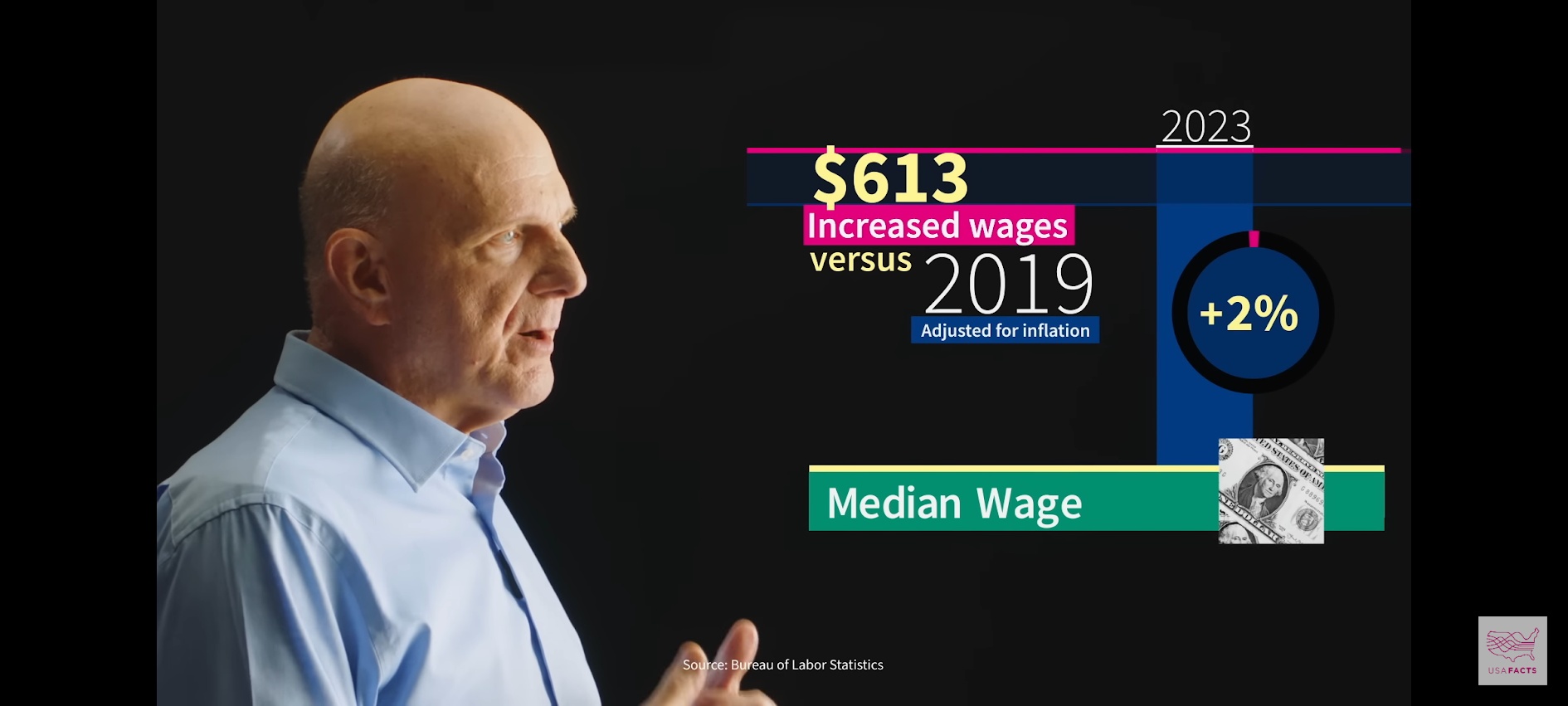
As noted, inflation has largely normalized from its peak. More importantly, when examining the period since 2019—encompassing the pandemic, the inflation surge, and the recovery—wage growth has, on average, outpaced price increases. Data from sources like the Bureau of Labor Statistics and analyses (such as those referenced from USA Facts by Steve Ballmer) indicate that while overall prices rose by approximately 19%, average wages increased by around 21%. This means that, in real terms (adjusted for inflation), the average American worker is actually slightly better off than before the inflationary period.
The perception of widespread hardship, however, persists. This can be attributed to several factors: "sticker shock" from visible price increases, the psychological impact of seeing prices rise even if wages have kept pace, and the fact that wage increases are often less frequent and less immediately noticeable than daily price fluctuations.
Furthermore, the idea of "greedy corporations" solely driving inflation for profit hoarding is often oversimplified. While businesses always seek to maximize profits, competitive markets generally prevent widespread, sustained price gouging. A comprehensive analysis, such as that by NPR on grocery prices, has shown that during the recent inflationary period, profit margins for many sectors did not show unusual spikes, suggesting that price increases were primarily driven by supply chain costs, labor expenses, and strong demand rather than opportunistic corporate greed.
4. The Housing Market: Supply-Side Solutions vs. Demand-Side Politics
The housing market presents a genuine and significant economic challenge. Over the past decade, U.S. home prices and rents have indeed risen substantially faster than both general inflation and wages, creating affordability crises in many regions. The subsequent rise in interest rates, while intended to cool the market, has created a "double whammy" for prospective buyers: high prices combined with high borrowing costs.
Politicians frequently address this issue with proposals such as subsidies for first-time homebuyers or schemes to artificially lower interest rates. However, many economists argue that these demand-side interventions risk exacerbating the core problem. By increasing purchasing power without addressing the fundamental imbalance, such measures could simply drive prices even higher.
The root cause of the housing affordability crisis is largely a supply shortage. Decades of restrictive zoning laws, cumbersome permitting processes, escalating building codes, and NIMBY (Not In My Backyard) opposition from existing residents have severely constrained the construction of new housing units, particularly in desirable urban and suburban areas.
Effective solutions, therefore, lie primarily on the supply side. These include streamlining and accelerating permitting processes, reforming outdated zoning regulations to allow for denser housing (e.g., eliminating single-family-only zoning), reducing onerous building codes, and limiting the ability of small groups to veto development projects that serve broader community needs. Such structural reforms could significantly reduce construction costs and increase housing availability, leading to more sustainable and affordable housing markets.
5. Gas Prices: An Outdated Political Barometer
Gasoline prices remain an oddly potent political flashpoint, despite their diminishing economic significance for the average American household. Candidates frequently promise to lower gas prices, tapping into a visceral public reaction to fluctuations at the pump.
However, a factual examination reveals several key points:
- Historical Context: On an inflation-adjusted basis, gasoline prices today are roughly comparable to what they were in the 1950s, typically fluctuating in the $3-4 per gallon range.
- Relative Cost: Even with inefficient vehicles, the average U.S. household spends a relatively small percentage—around 2.5%—of its disposable income on gasoline. The total cost of vehicle ownership (insurance, maintenance, depreciation) far outweighs fuel expenses for most.
- Technological Obsolescence: Perhaps most significantly, gasoline-powered vehicles are rapidly becoming an outdated technology. The proliferation of electric vehicles (EVs) offers a compelling alternative, often providing lower operating costs, reduced maintenance, superior performance, and significant environmental benefits. New EVs are increasingly price-competitive with their internal combustion engine counterparts, and used EVs offer even greater value.
The continued political focus on gasoline prices, therefore, represents a failure to engage with the ongoing energy transition. It diverts attention from more critical discussions about sustainable energy policies, infrastructure development for EVs, and the long-term economic and environmental benefits of moving away from fossil fuels.
Public Perception vs. Economic Reality: The Role of Misinformation
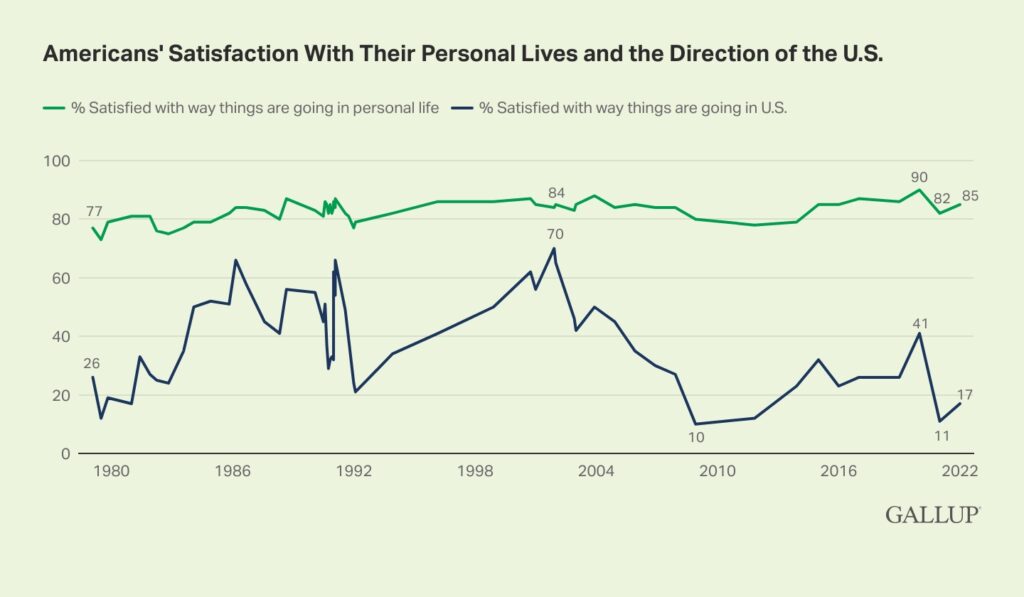
The persistent gap between positive economic indicators and negative public perception, as highlighted by polls showing a vast majority of individuals doing well personally but believing the economy is poor overall, is a critical concern. This phenomenon is often fueled by:
- Partisan Media: News outlets often frame economic data through a partisan lens, emphasizing negative aspects when the opposition is in power and positive ones when their preferred party leads.
- Social Media Echo Chambers: Algorithms can create filter bubbles, reinforcing existing biases and exposing users primarily to information that confirms their pre-existing beliefs, regardless of accuracy.
- Cognitive Biases: Humans tend to focus more on negative news and are susceptible to "availability heuristic," where easily recalled examples (like a high gas price) disproportionately influence overall judgments.
This environment makes it easy for politicians to exploit emotional responses and anxieties rather than engage in substantive policy debates grounded in facts.
Beyond the Numbers: The True Measure of "Enough"
Perhaps the most profound point often lost in the political economic discourse is the concept of "enough." For advanced economies like the U.S., the fundamental challenge is no longer merely generating wealth, but distributing it equitably and ensuring it contributes to overall societal well-being. While income and wealth inequality are legitimate concerns that warrant progressive taxation and thoughtful policy interventions, the relentless pursuit of ever-increasing material wealth beyond a certain point often yields diminishing returns in terms of happiness and life satisfaction.
True well-being, as many philosophers and social scientists argue, is increasingly defined by factors beyond raw income: a sense of purpose, strong community ties, good health, access to education, and a mindset of contentment rather than constant acquisition. If political leaders truly aimed to enhance the happiness and well-being of their constituents, their discourse might shift from pandering to specific interest groups or stoking economic anxieties, towards promoting principles of financial literacy, mindful consumption, and community engagement.
Ultimately, the election cycle serves as a stark reminder of the chasm between political expediency and economic reality. While citizens must exercise their right to vote, an informed electorate is one that critically evaluates political claims against verifiable data, understanding that genuine national prosperity extends beyond simplified economic slogans and requires a nuanced grasp of complex interconnected systems. Access to reliable, unbiased economic information, as exemplified by initiatives like USA Facts, becomes paramount in fostering a more informed and resilient democracy.

