
Reports circulating within online financial communities suggest a growing sentiment among some former readers of the popular "Mr. Money Mustache" blog, alleging that its founder, known as "MMM" or "Stash," has become too affluent to genuinely connect with the financial struggles of the average individual. Critics frequently articulate concerns that the foundational principles of aggressive saving and intentional living, once passionately advocated, may no longer be actively practiced by the now-wealthy financial independence guru. However, in a recent public statement, MMM directly addressed these assertions, positing that such misunderstandings are an inherent part of public life, yet firmly contending that the core tenets of his philosophy remain deeply integrated into his daily existence, and that these principles demonstrably yield substantial financial and lifestyle benefits.
The "Mr. Money Mustache" blog, launched in 2011 by Peter Adeney (the real name behind the pseudonym), quickly rose to prominence as a cornerstone of the Financial Independence, Retire Early (FIRE) movement. Adeney, a former software engineer, retired at the age of 30 in 2005 with a substantial investment portfolio, subsequently dedicating his platform to demystifying personal finance and advocating for a lifestyle characterized by radical frugality, self-sufficiency, and conscious consumerism. His philosophy, often termed "Mustachianism," is distinct from conventional financial advice, which frequently focuses solely on increasing income and achieving a specific savings rate. Instead, Mustachianism emphasizes a deeper cultivation of efficiency, creativity, self-awareness, and continuous self-improvement, asserting that these values lead to an enhanced quality of life even as monthly expenses naturally decrease.
The Evolution of a Philosophy and Its Critics
The criticisms leveled against Mr. Money Mustache are not entirely unprecedented within the FIRE community, which itself grapples with various interpretations of financial independence, ranging from "LeanFIRE" (minimalist living) to "FatFIRE" (maintaining a luxurious lifestyle). As individuals achieve significant wealth through adherence to FIRE principles, questions inevitably arise regarding the applicability of early-stage austerity to a later-stage abundance. The core of the recent critique is that MMM’s personal financial success might have detached him from the realities faced by those still striving for financial freedom, leading some to doubt the authenticity of his continued frugal practices.
However, Adeney maintains that while his net worth has indeed grown consistently over the past decade, mirroring the trajectory of many long-term Mustachian readers, his fundamental spending habits have largely remained unchanged. This, he argues, is precisely because his initial approach to life was already geared towards enjoyment and efficiency, rather than deprivation. The distinction lies in the underlying motivation: traditional advice often views frugality as a temporary sacrifice to reach a financial goal, after which consumption can increase. Mustachianism, conversely, frames efficient living as an intrinsically rewarding and sustainable way of life, irrespective of one’s financial status.
Practical Manifestations of Enduring Frugality
To underscore his point, MMM provided concrete examples from his current life, detailing six habits he continues to practice not out of financial necessity, but because he genuinely enjoys them. These activities, he asserts, simultaneously generate substantial savings, reinforcing the efficacy of his long-standing principles. To quantify these savings, he employs a "rule of 172," which estimates the compounded value of a monthly expense saved over ten years if that money were instead invested.
1. Self-Sufficiency in Home Maintenance and Renovation
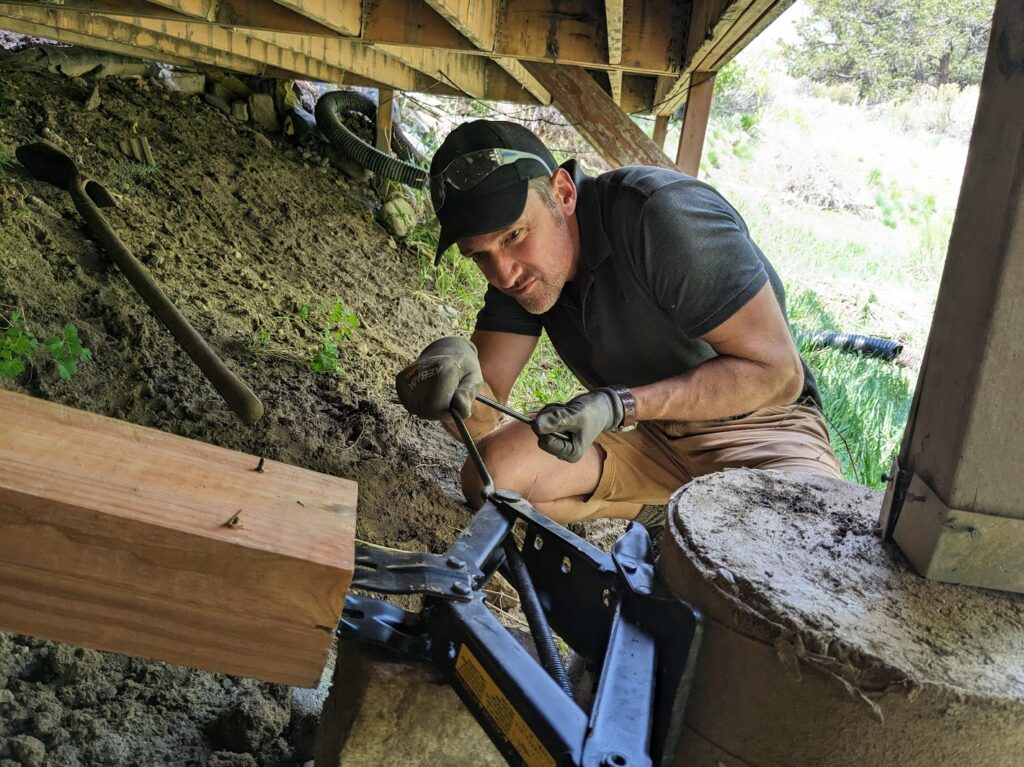
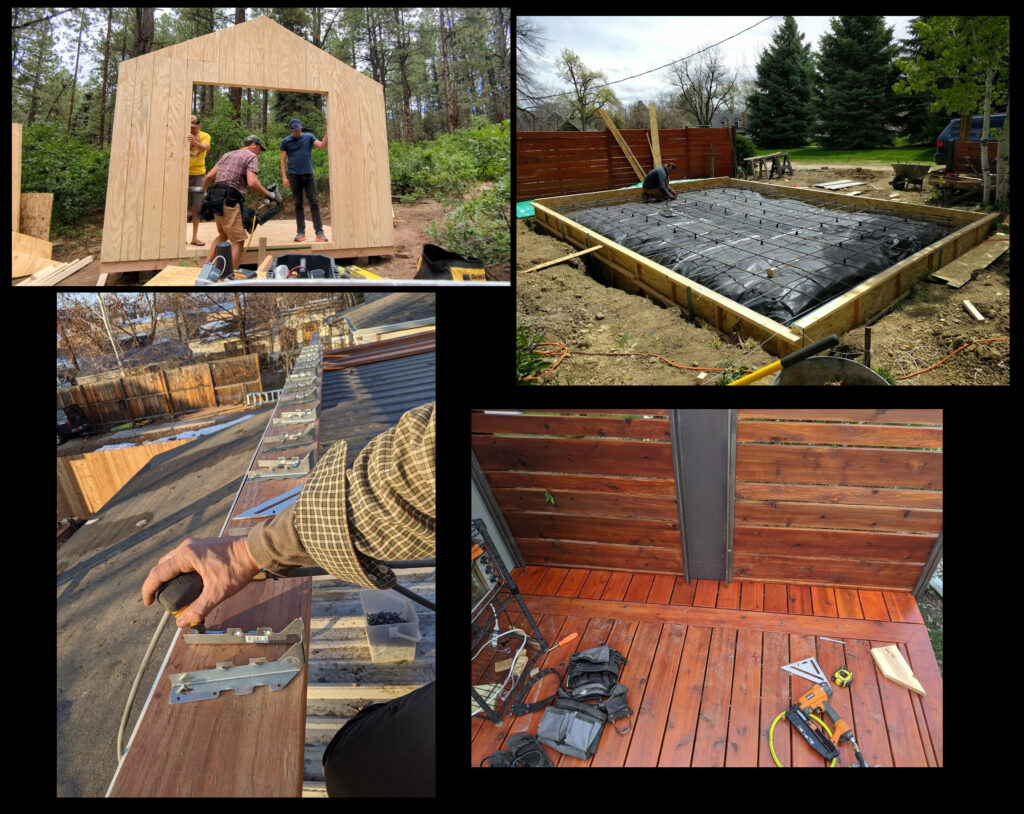
A cornerstone of Mustachianism is the principle of self-sufficiency, particularly in managing one’s living environment. Mr. Money Mustache emphasizes the empowerment derived from acquiring the skills to maintain and improve one’s home without constant reliance on external contractors. This philosophy extends beyond mere cost-cutting; it fosters a deeper connection to one’s property and builds practical expertise.
Adeney describes his love for transforming "ugly and poorly designed" houses into "beautiful, functional spaces." This passion translates into actively engaging in redesigning and repairing his own properties, as well as assisting friends with theirs. He views this as a process of problem-solving and creative expression, deriving immense satisfaction from the physical work and the knowledge gained. This DIY approach, he notes, also involves teaching others, helping them overcome their fear of home repairs and reducing their dependence on expensive professional services.
The financial implications of this habit are significant. According to industry data, average home repair costs can range from hundreds to thousands of dollars per incident, with major renovations often costing tens of thousands. By performing these tasks himself, MMM estimates an average saving of $20,000 per year. Over a decade, using his "rule of 172" (monthly saving * 172), this compounds to an estimated $287,000. Beyond the direct savings, the psychological benefits of competence and reduced reliance on external services contribute to overall well-being and a sense of control.
2. Leveraging Community and Secondhand Markets
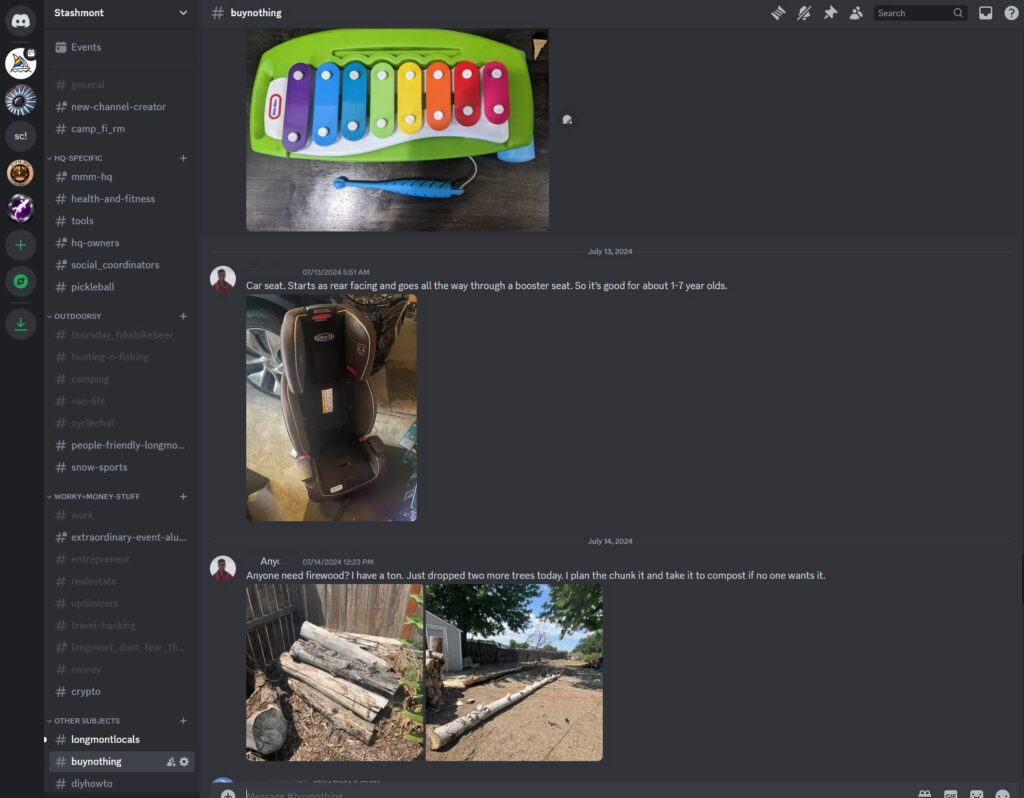
While conventional wealth often leads to increased consumption of new, high-end goods, Mustachianism champions the environmental and financial benefits of circular economies and community sharing. Platforms like Craigslist, Facebook Marketplace, and local "Buy Nothing" groups are integral to this approach, allowing individuals to acquire high-quality items at minimal cost while simultaneously reducing waste and fostering local connections.
MMM highlights the vibrant "MMM-HQ community" Discord server, where approximately 200 local residents engage in discussions, offer assistance on DIY projects, and facilitate the exchange or sale of goods. This private network exemplifies the power of community-driven resource sharing. Beyond this curated group, Adeney regularly utilizes public platforms like Craigslist, demonstrating that even with significant wealth, the satisfaction of finding a valuable item secondhand or giving new life to something discarded remains.
The financial advantages are clear. Purchasing used items, from furniture to tools and electronics, can result in savings of 50-90% compared to buying new. Selling unwanted items also generates income. This habit, which reduces consumption and promotes resourcefulness, is estimated to save MMM approximately $42,000 per decade, reinforcing the idea that conscious consumption is not a sacrifice but a preference.
3. Prioritizing Active Transportation: Bikes Over Cars
Perhaps one of the most iconic tenets of Mr. Money Mustache’s philosophy is the fervent advocacy for bicycle transportation. Far from being a mere cost-saving measure, cycling is presented as a superior mode of travel that enhances physical health, reduces environmental impact, and offers a more engaging way to experience one’s local environment.
The "True Cost of Commuting" article on his blog famously detailed how car ownership and operation can cost upwards of 50 cents per mile when factoring in depreciation, insurance, maintenance, and fuel. Bicycles, in contrast, offer vastly lower operational costs. Despite his financial freedom, MMM continues to use bikes or walking for at least 95% of his local trips. Although his localized lifestyle limits the total mileage (around 2,000 miles per year), the estimated savings still amount to $14,000 per decade.
Beyond the quantifiable financial benefits, active transportation profoundly impacts physical and mental well-being. Regular physical activity reduces the risk of chronic diseases, improves mood, and enhances cognitive function. This holistic benefit underpins the Mustachian argument that choices beneficial to one’s wallet are often also beneficial to one’s health and happiness.

4. Embracing Physical Effort: Muscle Over Motor
Extending the principle of active transportation, MMM advocates for a broader lifestyle choice of "muscle over motor." This involves consciously choosing physical effort over mechanical convenience whenever feasible. Examples include taking stairs instead of elevators, walking a golf course instead of using a cart, moving one’s own furniture, and performing manual tasks like shoveling snow or raking leaves.
This choice is framed not as an arduous chore but as an opportunity to integrate physical activity into daily life, contributing to overall health and vitality. The implicit question he poses to himself – "Do you want MORE health and fitness, or LESS?" – highlights the long-term benefits of consistent physical engagement.
While difficult to quantify precisely, the financial savings associated with superior health are substantial. The average American spends approximately $13,000 per year on healthcare. By maintaining excellent health through an active lifestyle, MMM notes that his lifetime costs for illness or medication have been virtually nil. Conservatively estimating the annual savings and benefits from increased energy and productivity at $10,000 per year, this translates to an impressive $140,000 per decade. This point underscores a fundamental Mustachian belief: investing in one’s health is one of the most financially astute decisions an individual can make.

5. Intentional Energy Consumption: The "Glamping Retreat" Home
This particular practice, described by MMM as somewhat "silly," illustrates a creative and experimental approach to home living that prioritizes energy efficiency and harmony with natural seasons. It’s a testament to the "mad scientist" aspect of his personality, where optimizing his living space for comfort and minimal energy use becomes an enjoyable pastime.
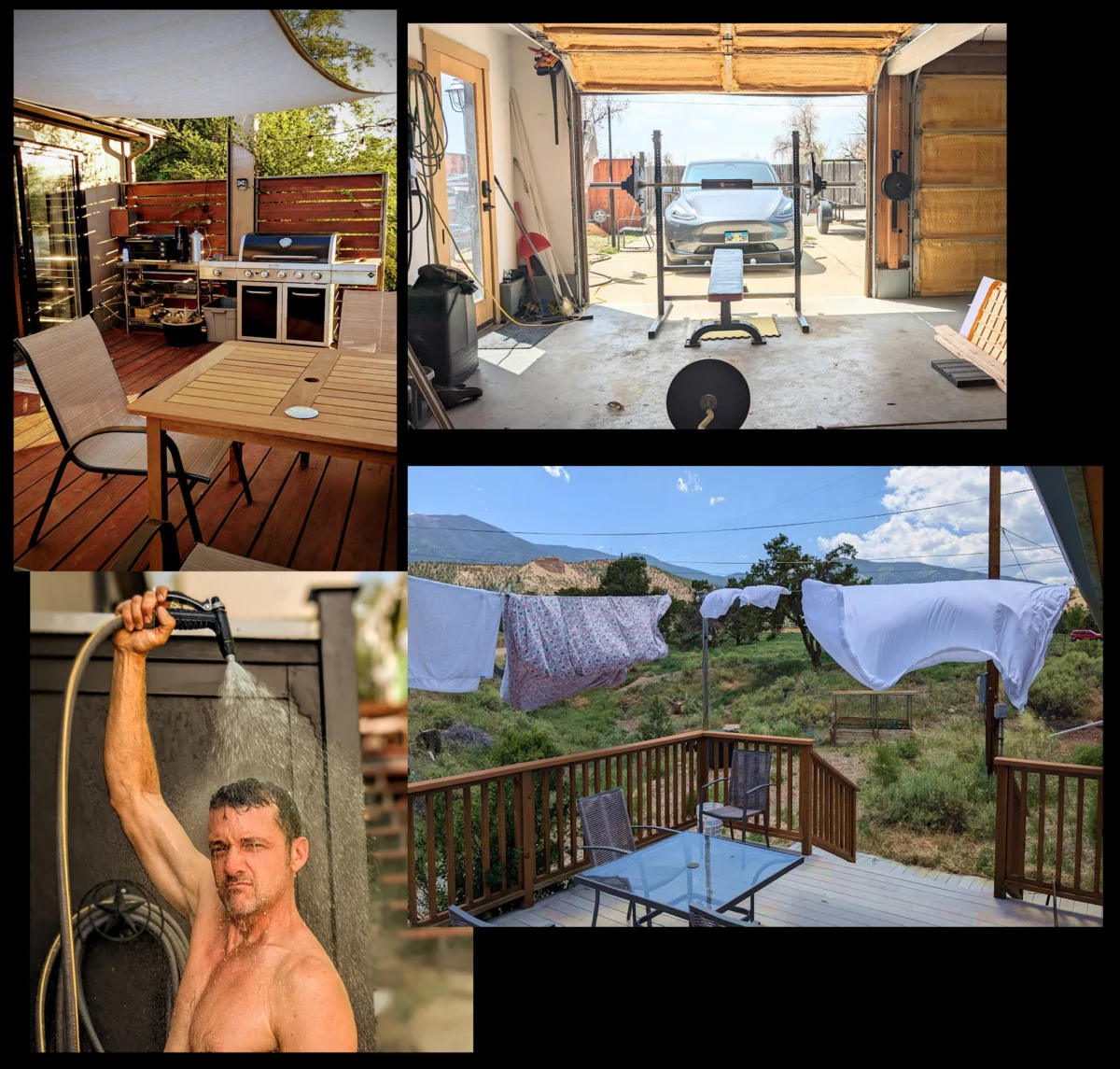
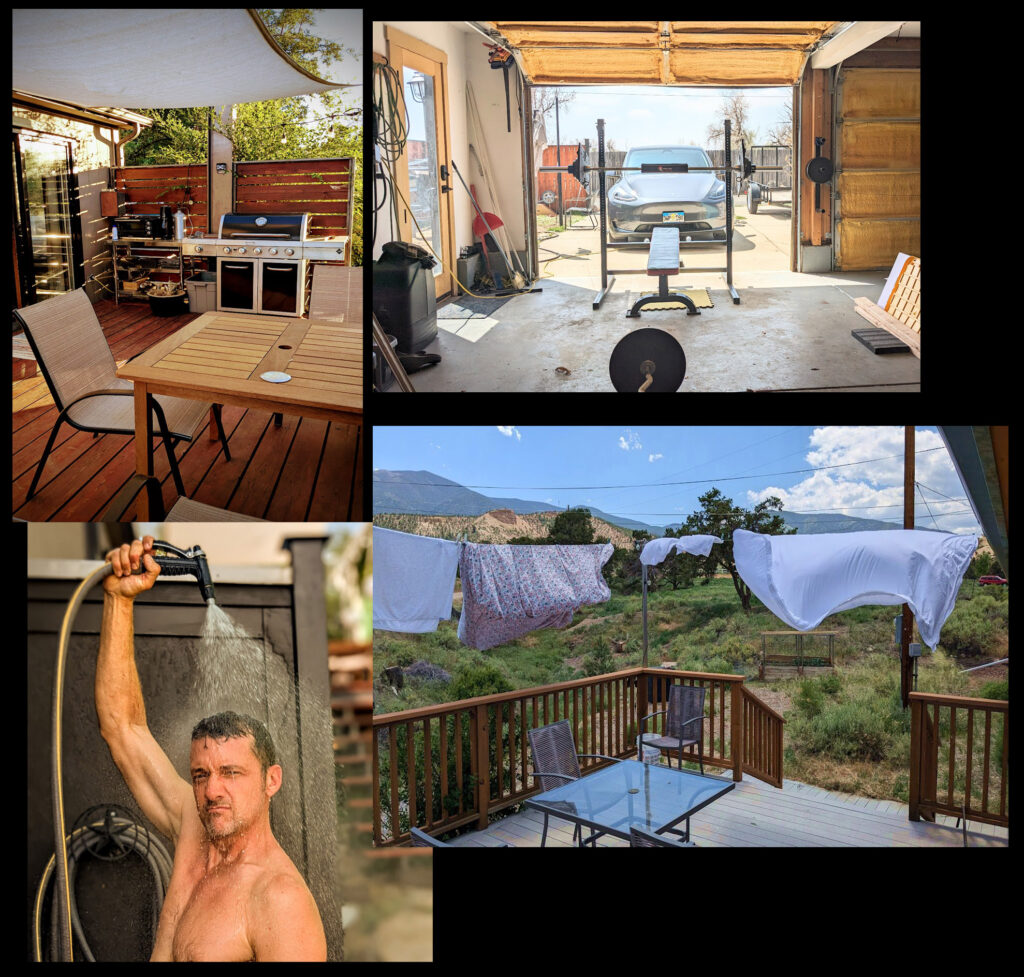
His home is designed as an "Energy Efficiency Playground," incorporating features like strategically placed sliding doors and large windows on the south side for passive solar heating in winter. Beyond major structural changes, smaller, everyday habits contribute significantly:
- Outdoor Living: Utilizing outdoor spaces for cooking, showering, and even a homemade gym during suitable weather.
- Natural Ventilation: Maximizing airflow to cool the home naturally, reducing reliance on air conditioning.
- Manual Laundry: Hanging clothes to dry instead of using an electric dryer.
- Minimal Heating/Cooling: Adjusting personal comfort levels to align with ambient temperatures, such as wearing appropriate clothing indoors.
- LED Lighting: Using energy-efficient lighting throughout the home.
- Appliance Management: Unplugging electronics when not in use and running appliances during off-peak hours.
- Composting and Gardening: Reducing waste and growing some food locally.
While the average combined gas and electric bill in his area is around $250 per month, MMM’s usage totals approximately $75. This translates to an annual saving of $2,100, compounding to about $30,000 per decade. For him, the enjoyment derived from this "glamping" style of living, which blends engineering, carpentry, and environmental consciousness, far outweighs the perceived "work" by others.
6. Prioritizing Local Living Over Constant Travel
In an era where frequent and often lavish travel is equated with a rich life, Mr. Money Mustache advocates for a more balanced approach that values local experiences and community engagement. He observes that many individuals, caught in a cycle of extensive travel planning, often miss out on local events and cherished time at home.
His "secret" is to consciously choose local activities more often and be discerning about travel plans. This yields multiple benefits:
- Reduced Direct Costs: Avoiding expensive flights, accommodations, and tourist traps.
- Stronger Local Ties: Cultivating deeper friendships and community involvement.
- Increased Home Enjoyment: Savoring one’s living space and immediate surroundings.
- Lower Environmental Footprint: Reducing carbon emissions associated with travel.
- Improved Health: More time for active local pursuits and less stress from travel logistics.
- Uninterrupted Routines: Maintaining healthy habits and productive routines without travel disruptions.
He estimates that by replacing just two weeks of family travel with equivalent time spent at home, a family could save approximately $5,000 per year in direct costs and another $5,000 in incidental benefits like health and local friendships. This staggering $10,000 annual saving compounds to an estimated $143,000 per decade. While acknowledging the value of travel for broadening life experiences, MMM emphasizes the importance of balance, suggesting that the most enriching trips can be prioritized while pruning less impactful ones, recognizing the profound value of home life.

Cumulative Impact and Broader Implications
Cumulatively, the six habits detailed by Mr. Money Mustache—home DIY, community sharing, active transportation, physical effort, energy efficiency, and local living—represent a potential wealth increase of approximately $656,000 every decade. This figure, as MMM notes, surpasses the median wealth accumulated by most American seniors entering retirement after over four decades of work. He asserts that a significant portion of his own recent wealth growth is directly attributable to these consistent, enjoyable habits.
The implications of Mustachianism extend far beyond individual financial gain. It presents a paradigm shift away from unchecked consumerism towards a more sustainable, resilient, and community-oriented lifestyle. By reducing reliance on external services and goods, individuals enhance their personal agency and reduce their environmental footprint. The emphasis on physical activity and self-sufficiency fosters better health and well-being, potentially alleviating burdens on healthcare systems. Furthermore, the focus on local community building strengthens social ties and fosters a sense of collective responsibility.
In essence, Mr. Money Mustache’s defense against the "too rich" critique is a reaffirmation of the core tenet of Mustachianism: that true wealth is not merely about accumulating money, but about cultivating a life of purpose, efficiency, and intrinsic satisfaction. These principles, he contends, are not abandoned upon achieving financial independence; rather, they are the very engine that drives sustained well-being and prosperity, regardless of one’s bank balance. The enduring relevance of these practices, even for someone who has achieved substantial wealth, suggests that a mindful, efficient lifestyle is not a temporary sacrifice, but a rewarding way of life that continues to pay dividends across all stages of financial health.

