
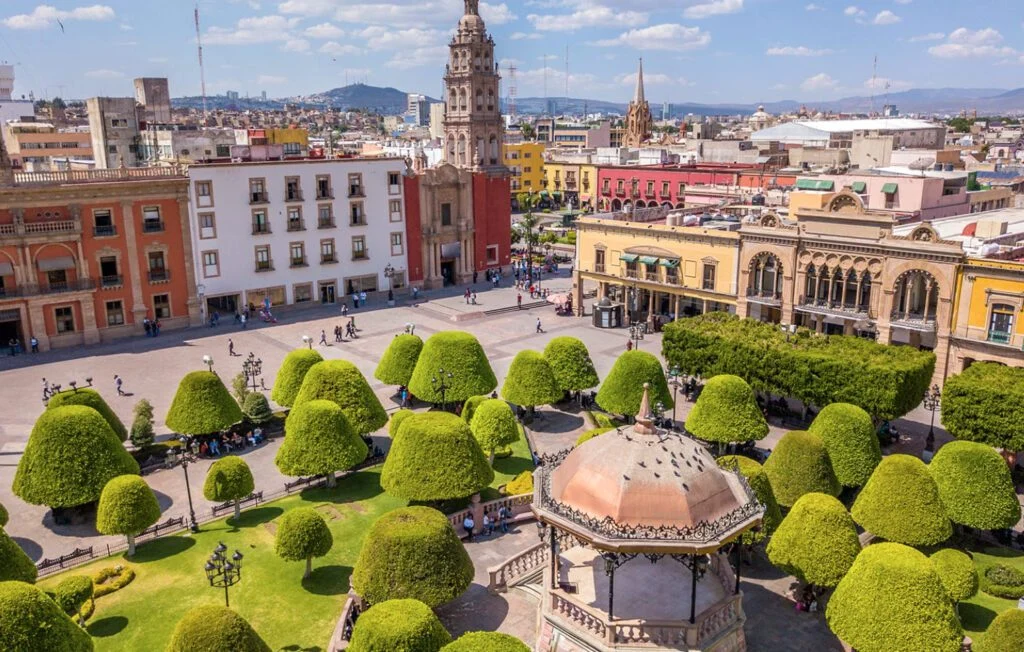
The allure of retirement often sparks dreams of new horizons, and for an increasing number of Americans, those horizons lie beyond the familiar borders of the United States. Anne Nicolai, a writer and former corporate professional, exemplifies this growing trend, having traded her Minnesota home and full-time career for a life as a freelance writer and karaoke host in the vibrant city of San Miguel de Allende, Mexico. Nicolai, who has been an expat since 2008 and hosts the website MoveToMexico.org, shared her insights on the transformative experience of retiring abroad, offering five key lessons for those contemplating a similar path.
The Evolving Landscape of American Retirement Abroad
The phenomenon of American retirees choosing to live outside the U.S. is not new, but it has seen a notable surge in recent decades. Factors such as the rising cost of living in the United States, the desire for a more affordable lifestyle, access to better healthcare, and a yearning for cultural immersion have all contributed to this migration. According to a 2023 report by the U.S. Social Security Administration, approximately 400,000 U.S. citizens receive Social Security benefits while residing in other countries, a figure that has steadily climbed over the years. Mexico, in particular, remains a top destination due to its proximity, relatively low cost of living, rich culture, and established expat communities. San Miguel de Allende, a UNESCO World Heritage site, has become a magnet for retirees seeking a blend of colonial charm and modern amenities, with a significant expatriate population that facilitates a smoother transition.
Learning #1: Unearthing Inner Capabilities and Resilience
Nicolai’s first profound realization upon relocating to Mexico was the discovery of her own untapped potential. "You are capable of more than you give yourself credit for," she states, recounting initial struggles with the Spanish language and currency conversions. Fourteen years later, these challenges have transformed into fluency and an innate understanding of the local economy. She has navigated complex bureaucratic processes, including multiple visa renewals requiring numerous government visits, and has successfully obtained permanent residency. Her frequent solo road trips between San Miguel and Minneapolis, often spanning four days, have not only tested her endurance but also honed her problem-solving skills. These journeys, which have included instances of getting lost and encountering corrupt officials, have consistently pushed her comfort zone, fostering a deep sense of accomplishment.
This personal growth narrative is a common thread among expatriates. A study published in the Journal of Personality and Social Psychology found that individuals who have lived abroad tend to exhibit higher levels of openness to experience, a trait associated with curiosity, creativity, and a willingness to embrace novelty. The act of adapting to a new environment, learning a new language, and navigating unfamiliar social norms inherently builds resilience and self-efficacy, often revealing strengths that lay dormant in the familiar routines of home.
Learning #2: The Indispensable Value of Community and Safety
The transition to living in a foreign country invariably brings a heightened awareness of personal safety and security. Nicolai highlights the visible security measures in Mexico, such as decorative ironwork on windows and doors, and reinforced garden walls, which are commonplace to deter burglaries. She also emphasizes the need for vigilance regarding personal belongings, noting the risk of theft if electronics are left unattended in vehicles. Evenings out require careful consideration of well-lit routes for solo travel.
However, Nicolai points out that the presence of a substantial expat community significantly mitigates these concerns. In San Miguel, the availability of English-speaking emergency services and a direct hotline to the American consular agency provides a crucial safety net. Furthermore, the established rapport between locals and expatriates often leads to a greater prevalence of English speakers, facilitating communication and mutual understanding. Nicolai’s personal experience of living in an entirely Spanish-speaking neighborhood underscores the importance of fostering strong relationships with neighbors, whom she can rely on in times of need. This emphasis on community support, whether in Mexico, China, Nigeria, India, or Ecuador, is a universal benefit of expat living.
The implication of strong community ties for retirees is significant. A report by the AARP found that social isolation is a major health risk for older adults, comparable to smoking or obesity. Expats who actively engage with their communities, both local and expatriate, often experience improved mental and physical well-being. The shared experiences and mutual support within these groups can buffer against the stresses of relocation and the potential loneliness that might accompany living far from established social networks.
Learning #3: Technological Bridges to Connection and Information
In an era defined by digital connectivity, technology plays a pivotal role in maintaining ties and facilitating life abroad. Nicolai emphasizes that regardless of geographical distance, staying connected with loved ones is more accessible than ever. The widespread availability of high-speed internet and affordable mobile services globally, coupled with a plethora of free voice and video calling applications like WhatsApp, Duo, and FaceTime, allows for regular interaction with family and friends. This technology enables participation in significant life events, from birthdays to holidays, virtually.
Beyond personal connections, technology offers practical benefits for expatriates. Virtual healthcare options provide access to medical and therapeutic professionals remotely. Online platforms simplify the process of paying bills back home, and many foreign banks can accommodate direct deposits of U.S. Social Security benefits in either U.S. dollars or local currency.
Within the expat community itself, online forums and social media groups serve as invaluable resources. In San Miguel, platforms like Facebook facilitate the exchange of information on everything from local events and garage sales to crime alerts and recommendations for specialized goods. Navigation tools like Google Maps and Waze, when supported by reliable internet access, further enhance daily life by providing directions to essential services and points of interest. The integration of technology thus bridges geographical and cultural divides, making the expat experience more manageable and enriching.
Learning #4: Cultural Immersion as a Catalyst for Personal Transformation
Nicolai’s relocation to Mexico was driven by a desire for greater sunshine, vibrant colors, ethnic diversity, and the intellectual challenge of learning a new language. She notes a shift from her previous "Type A" lifestyle in the U.S., characterized by a consumerist approach to life, to a more profound appreciation for patience, humility, and simplicity. Her needs have become more focused on essential purchases, primarily food and karaoke music, and her wardrobe remains largely the same as when she arrived, a testament to a lifestyle that encourages more walking, dancing, and healthier eating habits. This observation is echoed by her friends in other expat destinations worldwide.
This transformation underscores the profound impact of cultural immersion. Exposure to different values, customs, and ways of life can challenge preconceived notions and foster personal growth. The slower pace of life often found in many expat destinations, contrasted with the often-hectic pace of American life, can lead to reduced stress levels and a greater sense of contentment. Research in cross-cultural psychology suggests that engaging with a new culture can enhance cognitive flexibility, empathy, and adaptability. The process of learning to navigate a new cultural landscape, with its unique social cues and etiquette, inherently cultivates a more nuanced understanding of the world and one’s place within it.
Learning #5: The Freedom to Reassess and Return
A crucial takeaway from Nicolai’s experience, and a common reassurance for many considering retirement abroad, is the understanding that the decision is not necessarily permanent. She acknowledges the existence of long-term expats who have lived in Mexico for decades, as well as those who have returned to their home countries due to health reasons or a desire to be closer to family. The flexibility to relocate to other destinations, such as Thailand, New Zealand, or Portugal, further illustrates the fluid nature of expat life.
Nicolai frames retirement abroad not as a matter of success or failure, but as a process of trial and error. While Mexico has become her home, she recognizes the possibility of living in the United States again or exploring other global locales. This perspective offers a sense of agency and reduces the pressure associated with making a definitive, life-altering choice. The freedom to reinvent oneself, heal from personal challenges, or pursue long-held passions is a significant draw for many who choose to become expats. The ability to maintain strong connections with friends and family through visits further alleviates any sense of isolation, reinforcing the idea that moving abroad is an expansion of one’s life, not an abandonment of it.
The overarching implication of this lesson is the empowerment of individuals to design their retirement years according to their evolving needs and desires. It highlights that retirement abroad is a dynamic choice, subject to revision, and that the global landscape offers a multitude of possibilities for fulfilling and adaptable living arrangements. The modern expat retiree is not bound by a single destination but has the latitude to explore and settle in locations that best align with their well-being and aspirations at any given stage of life.

