
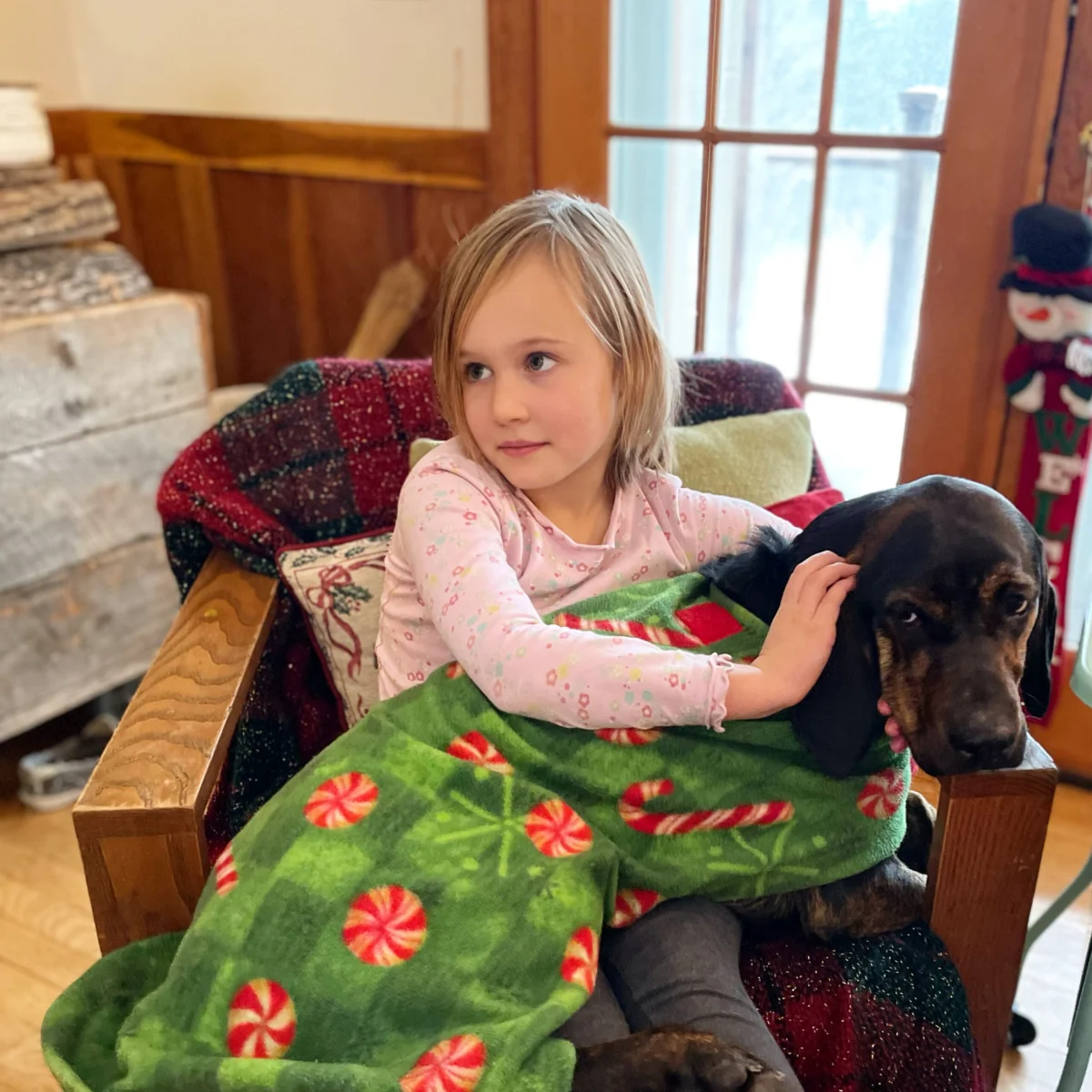
The challenges of modern pet ownership have come under increasing scrutiny as families navigate the complexities of animal behavioral health, the rising costs of veterinary care, and the lifestyle adjustments required for high-needs rescues. A recent case involving a Vermont-based family and a hound named Genevieve, colloquially known as Gigi, serves as a poignant case study for the difficulties inherent in adopting stray animals with specialized backgrounds. After a four-month effort involving behavioral modification, pharmacological intervention, and significant financial investment, the family ultimately determined that rehoming the animal was the most humane and practical solution. This narrative highlights a broader trend in the United States, where the intersection of animal welfare and family stability often creates difficult ethical and financial dilemmas.
Chronology of the Rescue and Behavioral Emergence
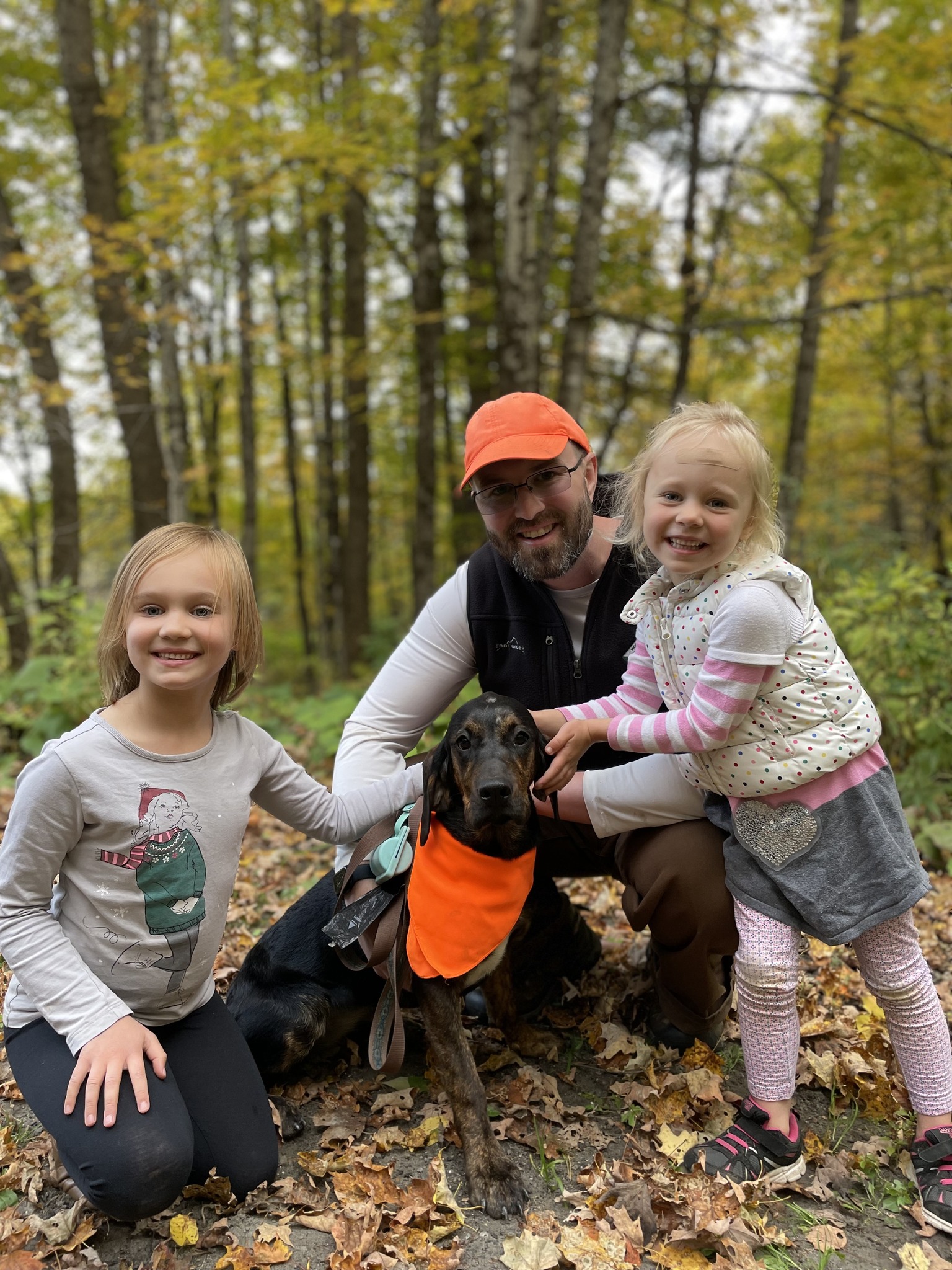
The sequence of events began in late September 2022, when an emaciated hound was discovered in a rural Vermont yard. The animal, lacking identification tags or a microchip, appeared to have been "living rough" for a significant period, evidenced by numerous scratches and malnutrition. Initial efforts to locate an owner through local advertisements and veterinary scans were unsuccessful. Based on regional practices, experts and local observers theorized that the dog was likely a former bear-hunting hound that had become separated from its pack—a common occurrence in the rural Northeast.

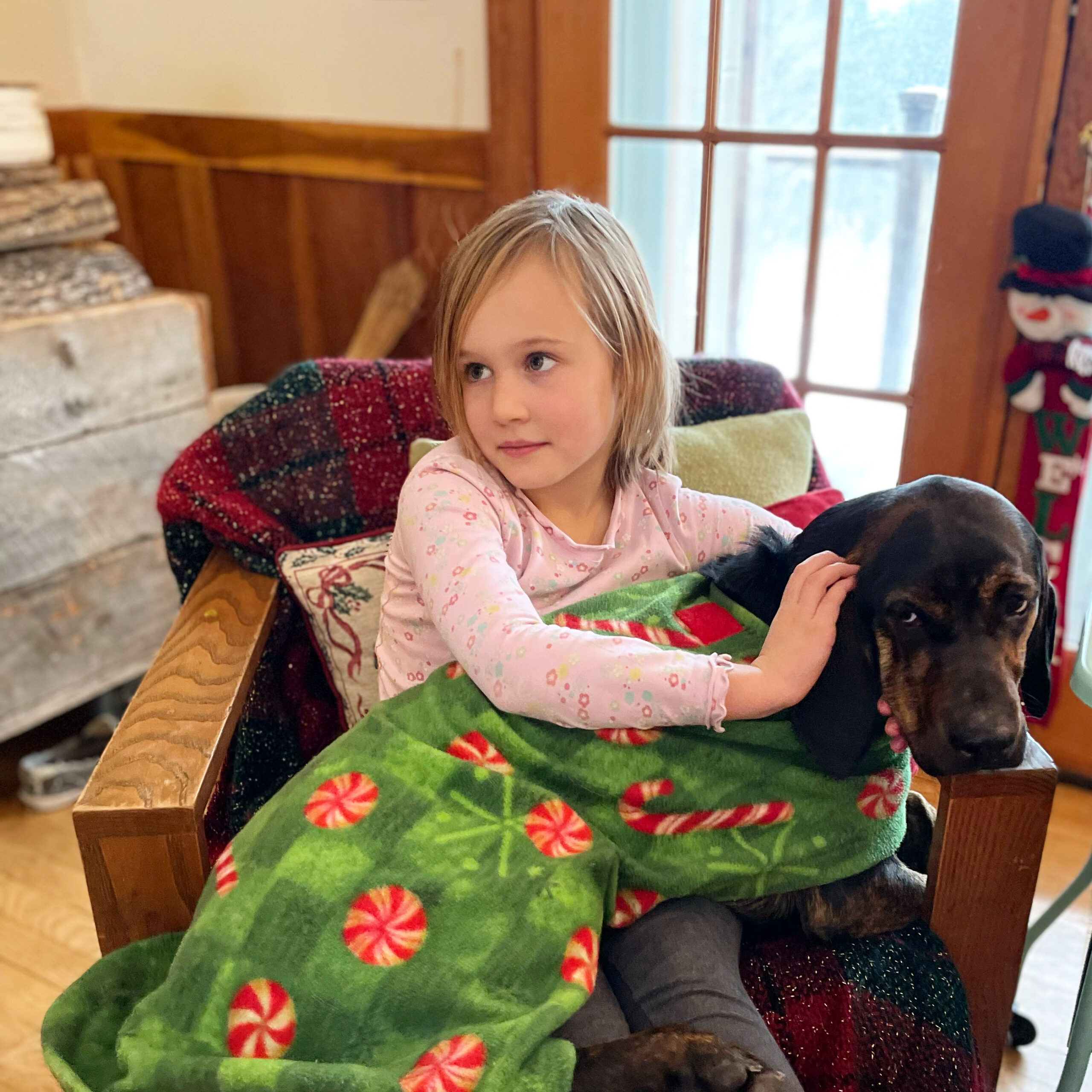
On October 3, 2022, the family officially brought the dog, renamed Genevieve, into their home. While the animal initially displayed a calm demeanor and an affinity for human interaction, a severe behavioral pathology soon became apparent. Despite successful crate training for nighttime sleep and periods when humans were present, the dog suffered from acute separation-related distress. Whenever the family exited the home, Genevieve experienced severe panic attacks, resulting in self-harming behaviors, pacing, and physiological distress, including involuntary elimination within her crate.
The Behavioral Intervention Phase
The family’s attempt to mitigate these symptoms followed a rigorous, three-pronged approach: behavioral, technological, and medical.
- Behavioral Modification: Working with professional canine trainers, the owners implemented a desensitization protocol. This involved leaving the house for increments as small as 30 seconds to build the dog’s "tolerance" for absence. However, the dog remained unable to surpass a five-minute threshold before spiraling into a panic state.
- Technological Monitoring: To facilitate remote training, the family installed surveillance cameras and a remote treat-dispensing system. This allowed for real-time observation and the ability to reward calm behavior from a distance. Despite these tools, the dog’s anxiety proved too high to be redirected by food incentives.
- Medical and Pharmacological Support: Under veterinary supervision, the family attempted a series of pharmacological interventions. These included mild anti-anxiety medications, followed by sedatives and eventually tranquilizers. According to the case report, none of these medications successfully suppressed the panic response or allowed the dog to remain alone safely.
By early 2023, after four months of daily management and cleaning, the family concluded that the dog’s needs were incompatible with their lifestyle as an active family with young children.
Data Analysis: The Hidden Costs of Pet Ownership
The Genevieve case provides a detailed look at the financial volatility of pet rescue. While many prospective owners budget for "standard" costs, high-needs animals can exceed these estimates by several orders of magnitude. The family recorded a total expenditure of $2,373.25 over a 120-day period.
A breakdown of these costs reveals the financial pressure points:
- Veterinary Care and Logistics: Over $1,100 was spent on initial vaccinations, de-worming, testing, and subsequent visits for anxiety management.
- Behavioral Support and Equipment: Approximately $315 was dedicated to professional training fees and specialized monitoring technology.
- Supplies and Welfare: Over $400 was spent on high-quality food, bedding, and enrichment toys intended to soothe the animal’s distress.
- Ethical Rehoming: Upon deciding to surrender the dog, the family contributed $600 to a foster-based rescue organization to cover the costs of spaying and future placement.
Comparatively, the family’s previous dog, a retired racing greyhound, cost an average of $930 annually. The Gigi case represents a 660% increase in monthly maintenance costs compared to their previous experience, underscoring the "unexpected expense" factor that experts warn can lead to pet abandonment in less financially stable households.

The "Pack Mentality" and Specialized Hound Needs
The resolution of the case provides significant insight into the nature of canine separation anxiety, particularly in working breeds. Upon returning the dog to a foster-based rescue, it was discovered that Genevieve did not suffer from "human" separation anxiety, but rather "canine" isolation distress.
The rescue organization confirmed that the dog remained calm when left alone if other dogs were present. This supported the theory that the dog’s upbringing in a hunting pack had conditioned her to require a multi-dog environment for psychological security. Consequently, Genevieve was successfully adopted by a household with multiple dogs, where she reportedly thrives.
This outcome highlights a critical aspect of animal welfare: behavioral "failures" are often a result of an environmental mismatch rather than a defect in the animal or the owner. For hunting hounds, the transition to a single-dog suburban or rural family home can be neurologically jarring, requiring a level of companionship that a human family—regardless of their dedication—cannot always provide.

Broader Impact: The Ethics of Rehoming
The decision to rehome a pet is often stigmatized, yet animal behavioralists increasingly view it as a responsible choice when the animal’s welfare is compromised. In this instance, the family noted that the stress of managing a panicked animal was beginning to impact the psychological well-being of their children, aged five and seven.
Journalistic analysis of the "pandemic pet" era suggests that thousands of families have faced similar dilemmas as they returned to work and school, discovering that their rescues could not handle the shift from constant companionship to solitary house-sitting. According to data from the ASPCA, approximately 6.3 million companion animals enter U.S. animal shelters every year. While rehoming is often viewed as a failure, cases like Genevieve’s suggest that "supported rehoming"—where the owner ensures the animal goes to a specialized environment—can result in a higher quality of life for both the pet and the humans involved.
Implications for Future Pet Owners
The Genevieve case serves as a cautionary yet informative tale for the rescue community. It emphasizes several key takeaways for prospective adopters:
- The Importance of Breed Background: Understanding the social requirements of working breeds (like hounds) is essential for preventing environmental mismatches.
- Financial Contingency Planning: The "rescue" price tag is rarely the final cost; behavioral and medical emergencies can require thousands of dollars in the first few months.
- Lifestyle Assessment: Active families with young children must weigh the benefits of pet ownership against the limitations that a high-needs animal places on family mobility and psychological health.
The family involved has since transitioned to "dog-sitting" for friends, a solution that allows for canine interaction without the permanent financial and logistical burdens of a high-needs pet. This "shared economy" approach to pet ownership is becoming increasingly popular among families who value their freedom but still desire the companionship of animals.
In conclusion, while the story of Genevieve ended with a heartbroken family, it also ended with a dog finding its appropriate "pack." The case highlights the necessity of viewing pet ownership through a lens of objective realism, acknowledging that sometimes, the most compassionate act an owner can perform is recognizing when they are no longer the right fit for an animal’s specific needs. As veterinary costs continue to rise and the understanding of canine psychology evolves, the Genevieve case will likely remain a representative example of the modern struggle to balance human aspirations with animal welfare.

