
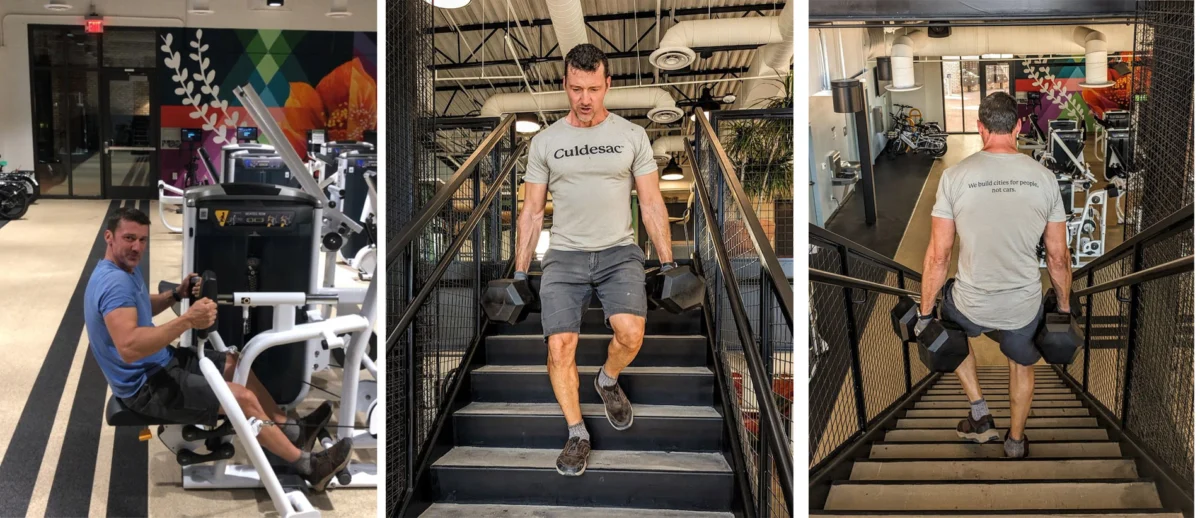
Nearly two decades into a self-engineered early retirement, a prominent figure within the financial independence movement has articulated a nuanced perspective on the complete freedom often associated with this lifestyle, describing it as a double-edged sword. This insight emerges from an individual’s personal journey, highlighting a significant, albeit often unaddressed, challenge faced by those who achieve financial independence and the cessation of traditional employment: sustaining intrinsic motivation and purposeful engagement in the absence of external obligations.
The Genesis of the "Freedom Paradox"
For years, the narrative surrounding early retirement has largely focused on its immense benefits: the liberty to dedicate time to family, health, personal passions, and community initiatives without the compromises dictated by a conventional career. The individual in question, widely recognized for advocating financial independence, recounts a period of immense fulfillment, raising a son from birth through his adolescence, investing thousands of hours into diverse ventures including home construction, international travel, public speaking, and prolific blog writing. This era was characterized by a seemingly effortless alignment of freedom with productive, self-actualizing pursuits.
However, as the initial intensity of these activities began to wane in recent years, a subtle yet profound shift occurred. The complete absence of external pressures, initially perceived as the ultimate luxury, started to manifest as a psychological hurdle. The individual observed a growing tendency to retreat from more challenging, albeit ultimately more rewarding, activities in favor of passive consumption and distraction. This phenomenon, he describes, reveals a fundamental truth about human nature: while financial freedom liberates individuals from undesirable tasks, it also exposes inherent strengths and weaknesses, creating a spectrum of post-retirement experiences. At one end lies unchecked indulgence and inactivity, while the other sees the creation of large-scale philanthropic endeavors and impactful projects.
The Decline of Self-Driven Engagement and the Search for Solutions
The gradual deceleration in proactive engagement was marked by a decrease in the frequency of undertaking complex projects, a diminished focus on writing, and an increasing inclination towards leisure and digital distraction. This personal revelation spurred a focused effort to understand and combat this drift, leading to a deeper exploration of health, wellness, and motivational psychology. Previous articles by the author have documented experiments with daily habits and the conscious avoidance of excessive comfort, strategies that demonstrably improved well-being when consistently applied.
Yet, a critical impediment persisted: the gap between knowledge and action. Despite acquiring effective new techniques and successfully integrating them into daily life for periods, the brain’s propensity to generate excuses for inconsistency proved a formidable adversary. This pattern culminated in a pivotal realization: the very freedom that was the cornerstone of early retirement was inadvertently being weaponized against personal progress. The ability to avoid any task deemed unpleasant, rather than being a tool for intentional living, had become a conduit for self-sabotage.
Reframing Hesitation: A New Paradigm for Action
The core of this self-sabotage lay in the insidious process of rationalizing inaction. The author illustrates this with the example of exercise, a universally acknowledged cornerstone of physical and mental health. Despite knowing the profound benefits of weight training, a lengthy internal dialogue often preceded potential workouts, characterized by attempts to optimize conditions (perfect time, ideal weather, high energy) to make the difficult task easier. This elaborate pre-computation, while seemingly logical, frequently resulted in missed sessions and "lackluster fitness," a direct consequence of inconsistent effort.
The breakthrough came with a stark simplification of this internal monologue. Instead of a meandering negotiation with discomfort, the new approach is direct and immediate: acknowledging the desire to work out, confronting the feeling of reluctance, and immediately triggering physical action. This "hesitation as a trigger for action" mechanism bypasses the self-defeating excuses, transforming a moment of potential procrastination into an impetus for engagement. This principle, initially applied successfully to physical training, was found to be transferable to other areas requiring planning, energy, or focus, such as writing and professional networking. This counter-intuitive strategy posits that the discomfort of hesitation, rather than being a deterrent, can be the ultimate life coach, signaling precisely where effort is most needed.
The Catalyst: Extreme Exemplars of Discipline
While personal introspection and structured self-correction were foundational, the author acknowledges the profound impact of external inspiration, particularly from figures operating at the extreme end of human endurance and discipline. Initial discussions with friends revealed a dichotomy: some resonated with the challenge of underachievement in freedom, while others, already managing demanding lives of multiple children, businesses, and athletic pursuits, found the author’s schedule "too easy." This highlighted the spectrum of human capacity and ambition.
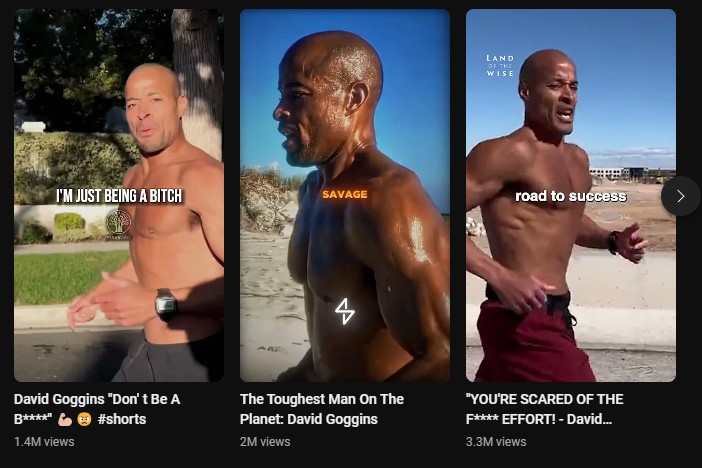
The true "switch-flipping" moment arrived through an encounter with the life story of David Goggins, a former Navy SEAL, ultra-marathon runner, and ultra-distance cyclist renowned for his relentless pursuit of physical and mental extremes. Goggins’ biography, marked by a childhood of severe abuse and a subsequent compulsive drive to overcome unimaginable hardship, resonated deeply. His accomplishments, ranging from enduring multiple near-death experiences to qualify for SEAL training, to running 240 miles over four days without sleep, and setting a world record of 4,025 pull-ups in 24 hours, presented a stark contrast to the author’s comfortable, albeit increasingly sedentary, routine.
Implications of Goggins’ Philosophy on Personal Boundaries
The Goggins narrative, absorbed through a podcast interview, offered a paradigm shift in understanding personal limitations. While the author explicitly stated no desire to emulate Goggins’ extreme lifestyle, the key takeaway was the profound realization that most perceived barriers in life are mental constructs, not immutable physical or external constraints. This perspective reframes human potential, moving away from a linear model of innate ability and external luck, towards a more expansive view where individual capacity is largely untapped and amenable to conscious expansion. This empowering realization instilled a sense of boundless possibility, suggesting that the "sky has opened way up."
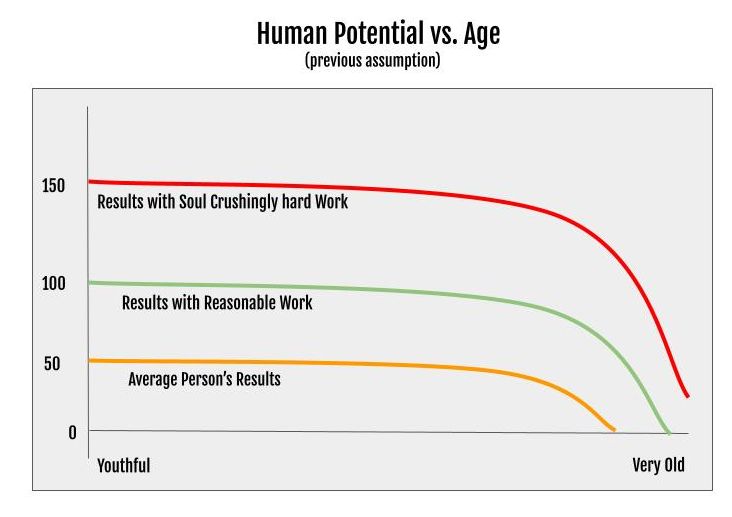
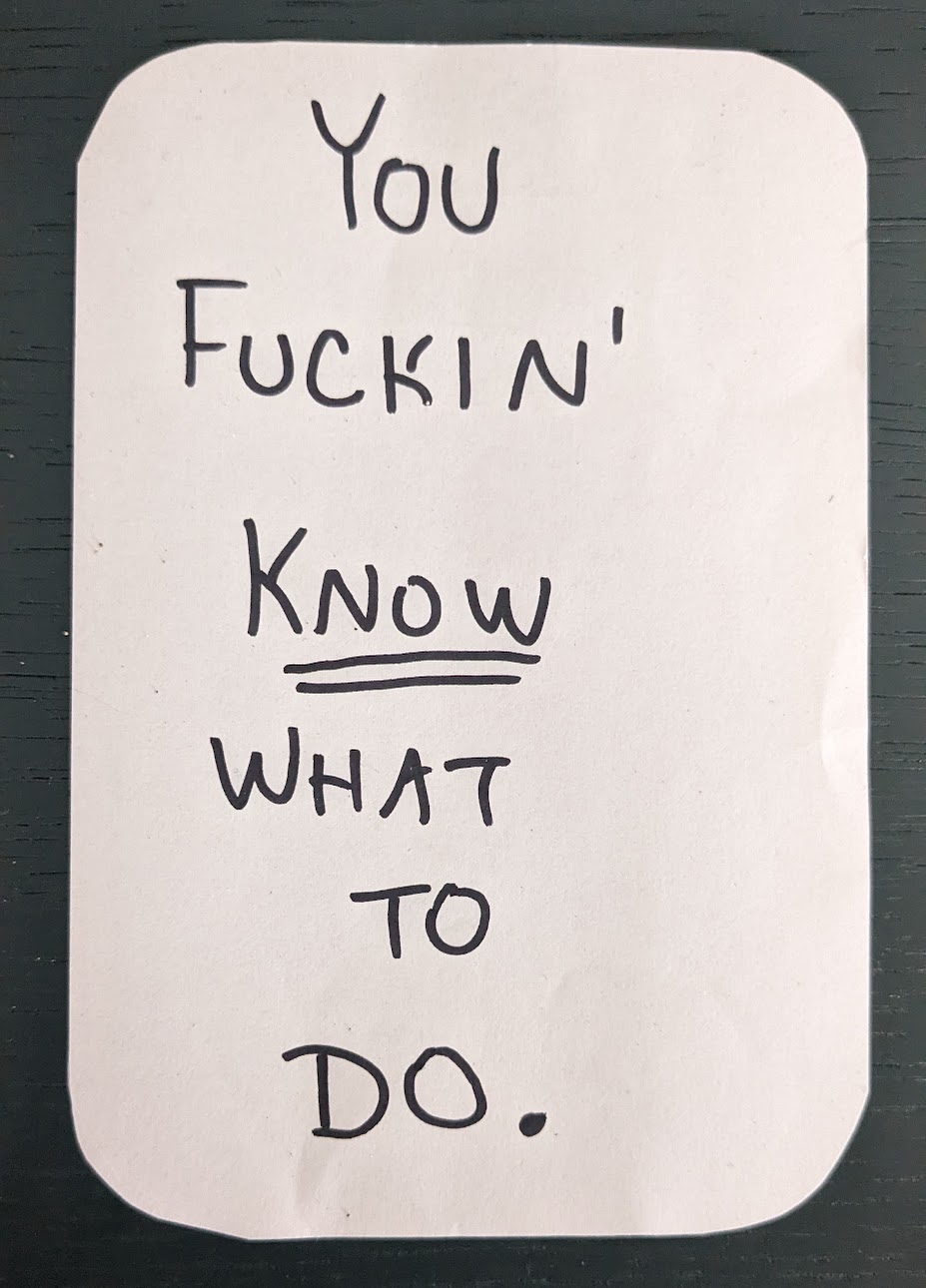
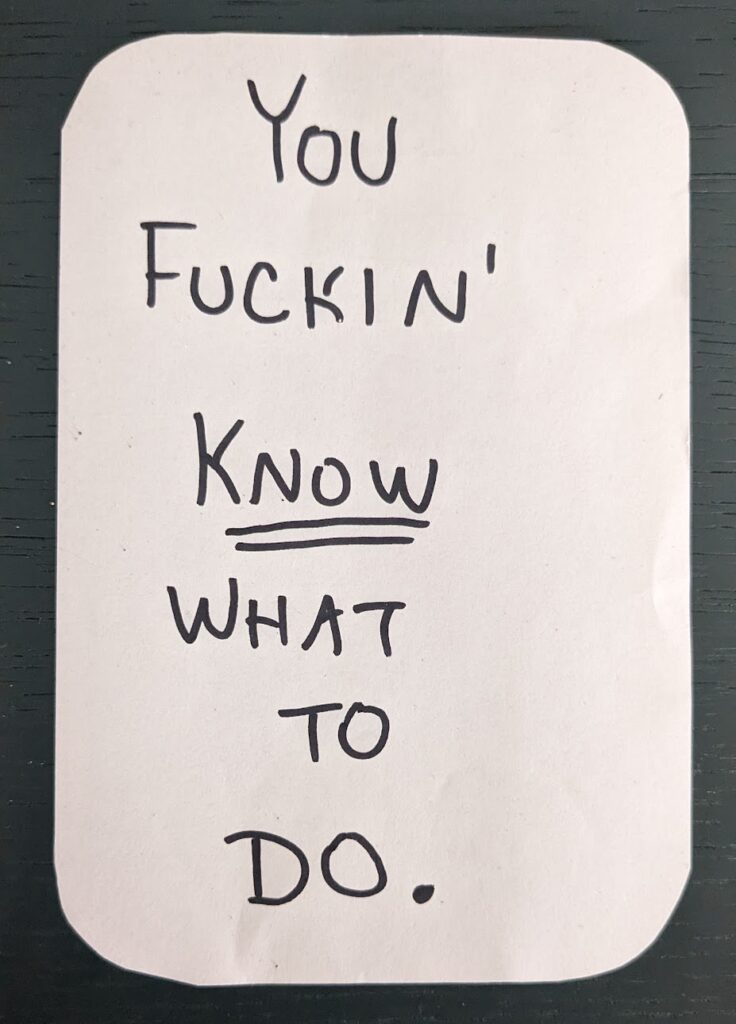
The practical application of this philosophy was immediate and impactful. A concise quote from Goggins, "You already f***in’ know what to do," served as a daily mantra, affixed to a bathroom mirror. This direct, unvarnished prompt became a constant reminder to bypass internal resistance. The result was a dramatic increase in consistent gym attendance, transforming both the desire for a workout and the reluctance to engage into immediate triggers for action. Over four months, this renewed discipline led to significant physical improvements, including a gain of ten pounds of lean muscle mass and a return to the strength and flexibility levels of age 25, accompanied by a feeling of enhanced joint health.
Beyond physical fitness, the "hesitation as a trigger" technique was successfully applied to other desired behaviors: increasing running frequency, more consistent visits to a coworking space for professional engagement and socialization, and crucially, reigniting the drive to produce content. This demonstrated the universality of the principle across various domains of personal and professional life.
Sustaining the Motivational Impulse
The author emphasizes that while an initial moment of inspiration can be transformative, continuous reinforcement is vital. To this end, a deliberate practice of "refilling the inspiration tank" was adopted. This involved consuming motivational audiobooks from figures like Goggins, Peter Attia’s "Outlive," and Jocko Willink’s "Extreme Ownership." This ongoing engagement with narratives of discipline, resilience, and high performance provides a constant source of positive reinforcement.
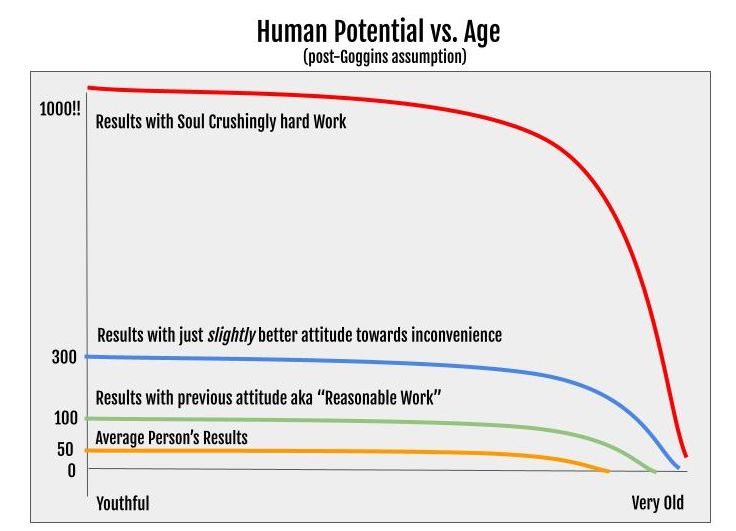
Critically, the author notes a selective approach to these sources, acknowledging potential critiques regarding "Bro Science" or "Toxic Masculinity." The strategy involves absorbing messages that are personally effective and discarding those that are not, underscoring a pragmatic, results-oriented approach to self-improvement. The primary objective is to seek out individuals who inspire greater effort and to leverage their energy for personal growth. This ongoing exposure to successful, disciplined individuals who maximize their output has proven instrumental in enhancing daily productivity and purpose, aligning with the current phase of the author’s life.
Broader Implications for Early Retirement and Modern Life
This personal account offers significant implications for the growing Financial Independence, Retire Early (FIRE) movement and for contemporary society at large. It underscores that financial freedom, while a powerful enabler, is not a panacea for human challenges related to motivation, purpose, and self-discipline. The "freedom paradox" reveals that the absence of external structure can lead to a vacuum, which, if not consciously filled with self-imposed challenges and meaningful pursuits, can result in stagnation or a decline in well-being.
Psychological research often highlights the human need for challenge, mastery, and autonomy for sustained happiness and fulfillment. Early retirement, by providing ultimate autonomy, places the entire onus of self-structuring and challenge-seeking onto the individual. This narrative suggests that a successful early retirement, far from being a passive state of endless leisure, requires an active, disciplined approach to personal development and the intentional cultivation of purpose. The ability to identify and overcome internal resistance, rather than succumbing to it, emerges as a critical skill for thriving in a life of complete freedom. The insights gleaned from this personal journey offer valuable lessons for anyone seeking to optimize their life, whether financially independent or still navigating the demands of a traditional career, emphasizing that true freedom is often found not in the absence of demands, but in the conscious choice to meet self-imposed challenges head-on.

