
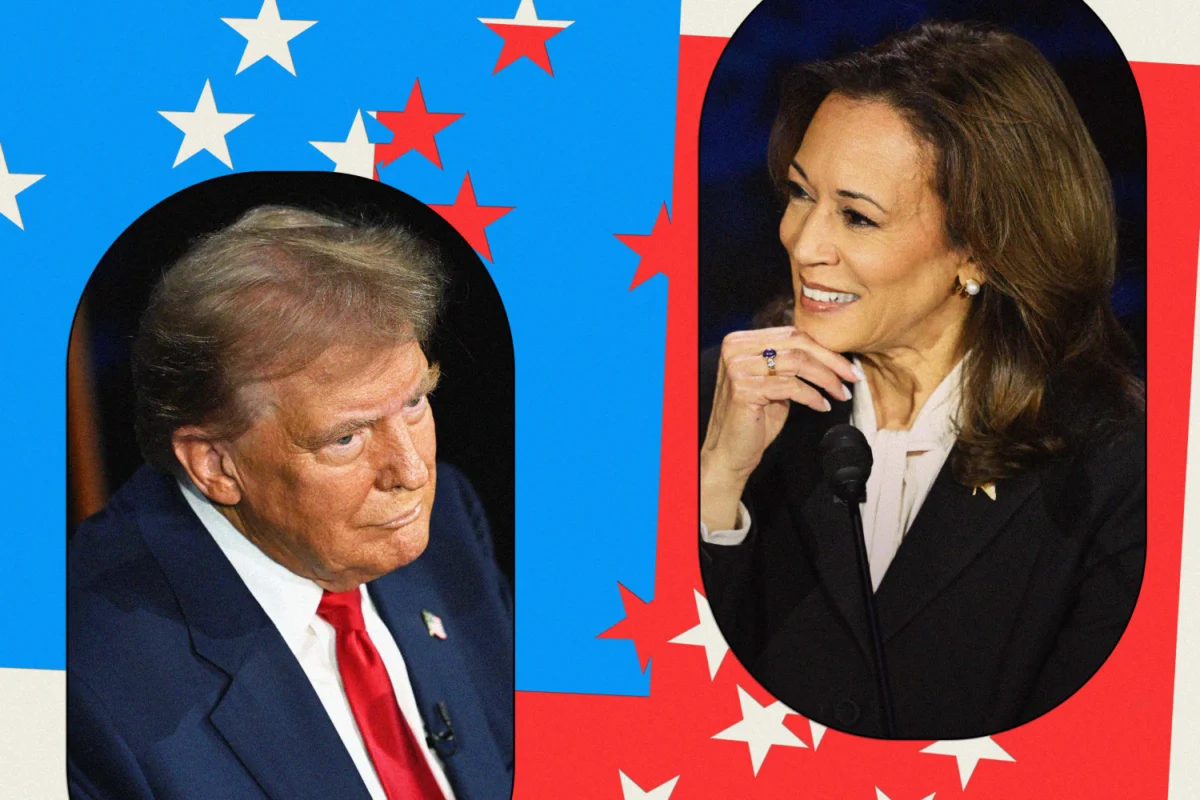
Politicians, often not lauded for their grasp of complex technical fields such as science, technology, or economics, frequently engage in narratives designed to sway undecided voters in swing states. This election year, the economic discourse has been notably characterized by simplified, often misleading, assertions that appeal to sentiment rather than sound economic principles. A salient example is the opposition party’s consistent portrayal of the economy as "bad" or struggling, despite robust indicators suggesting otherwise.
The Paradox of Public Perception Versus Economic Reality
Contrary to widespread political claims, the U.S. economy currently exhibits a remarkable degree of strength. Key indicators point to historically low unemployment rates, robust job creation, and sustained economic growth. For instance, the unemployment rate has consistently hovered near multi-decade lows, often dipping below 4% in recent years, a level traditionally associated with full employment. Gross Domestic Product (GDP) growth has also shown resilience, with notable expansions in various quarters, reflecting a dynamic and productive economic environment.
The recent period of higher inflation, which peaked in mid-2022, is often cited by critics as evidence of economic mismanagement. However, from an economic perspective, a moderate level of inflation can sometimes signal an overheating economy with strong demand, suggesting that economic activity has been too vigorous. The subsequent actions by the Federal Reserve to raise interest rates were a deliberate measure to cool demand and bring inflation back to its target range of 2%, demonstrating a responsive monetary policy rather than an inherent flaw in the economic structure.
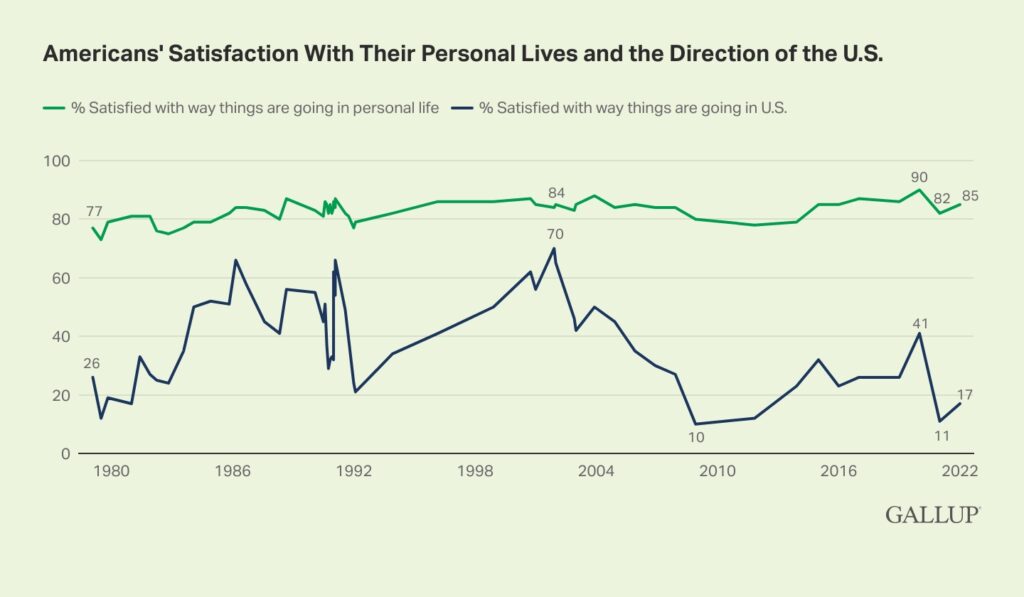
Despite these positive macroeconomic data points, a significant disconnect persists in public perception. A Gallup poll cited in the original discussion highlighted this paradox: while a substantial majority of individuals (approximately 85%) reported personal financial well-being, only a small fraction (around 17%) believed the national economy was performing well. This mathematical inconsistency – where individual prosperity does not translate into a positive perception of the collective economy – is a symptom of several factors, including the pervasive influence of social media misinformation and politically motivated narratives that amplify anxieties rather than present a balanced view. The phenomenon underscores the critical need for a more informed public understanding of economic fundamentals.
Deconstructing Common Economic Misconceptions in Political Rhetoric

The political arena often distorts complex economic realities into simplistic soundbites. To foster a more informed electorate, it is crucial to dissect some of the most prevalent myths perpetuated during election campaigns:
1. The President’s Limited Control Over the Economy
One of the most enduring myths in American politics is the notion that the sitting president single-handedly controls the national economy. When a recession occurs, the opposition blames the current administration; conversely, during periods of growth, the president claims credit. However, the U.S. economy is a colossal and predominantly free-market system, too vast and intricate for any single individual, even the President, to exert direct, significant control over its short-term fluctuations.
The U.S. economy, the largest in the world, represents approximately 25-26% of global GDP. Its performance is influenced by a myriad of domestic and international factors, including consumer spending, business investment, technological innovation, global trade dynamics, geopolitical events, and the economic health of other major nations. While presidential administrations implement fiscal policies (taxation, government spending) and regulatory frameworks, their effects are often delayed, indirect, and subject to congressional approval and broader market forces.
Economic cycles of boom and bust are inherent to market economies, often driven by shifts in investor and consumer sentiment, such as periods of "irrational exuberance" (e.g., the dot-com bubble of the late 1990s or the housing boom leading up to 2007) followed by phases of fear and pessimism (e.g., the 2008 financial crisis). The government’s role is more akin to adjusting the rudder of a massive ship, attempting to navigate the prevailing currents and storms of the global economic ocean, rather than directly steering its every movement. Attributing all economic success or failure solely to the President oversimplifies a complex interplay of forces.
2. The President’s Non-Influence on Interest Rates
Another pervasive misconception is that the President can directly manipulate interest rates. Candidates frequently express "sympathy" for Americans facing higher borrowing costs on mortgages, car loans, and credit cards, promising to "fight" to bring rates down. Some, like former President Trump, have even suggested directly intervening with the Federal Reserve, advocating for political control over the independent body.
In reality, interest rates are primarily determined by the Federal Reserve (the Fed), the independent central bank of the United States. The Fed’s dual mandate is to maintain maximum employment and stable prices (i.e., control inflation). To achieve this, it utilizes monetary policy tools, most notably adjusting the federal funds rate. When the economy is overheating and inflation is a concern, the Fed raises interest rates to cool demand; when the economy slows down and unemployment rises, it lowers rates to stimulate growth.
The independence of the Federal Reserve from political pressure is a cornerstone of sound economic policy. History has shown that when central banks are subjected to political whims, they can be forced to pursue short-term electoral gains over long-term economic stability, often leading to hyperinflation and economic instability, as seen in countries where political figures directly dictate monetary policy. The recent series of interest rate hikes, initiated in early 2022, was a necessary measure by the Fed to combat the highest inflation rates in decades, a direct response to economic conditions, not a political directive.
3. Inflation, Wages, and the Myth of Presidential Reversal
The narrative that inflation has unequivocally made life harder for Americans and that a president can "magically reverse" it is another oversimplification. Following the COVID-19 pandemic, the U.S. experienced a significant surge in inflation, driven by a confluence of factors: unprecedented government stimulus spending boosting demand, global supply chain disruptions causing goods shortages, and shifts in consumer spending patterns.
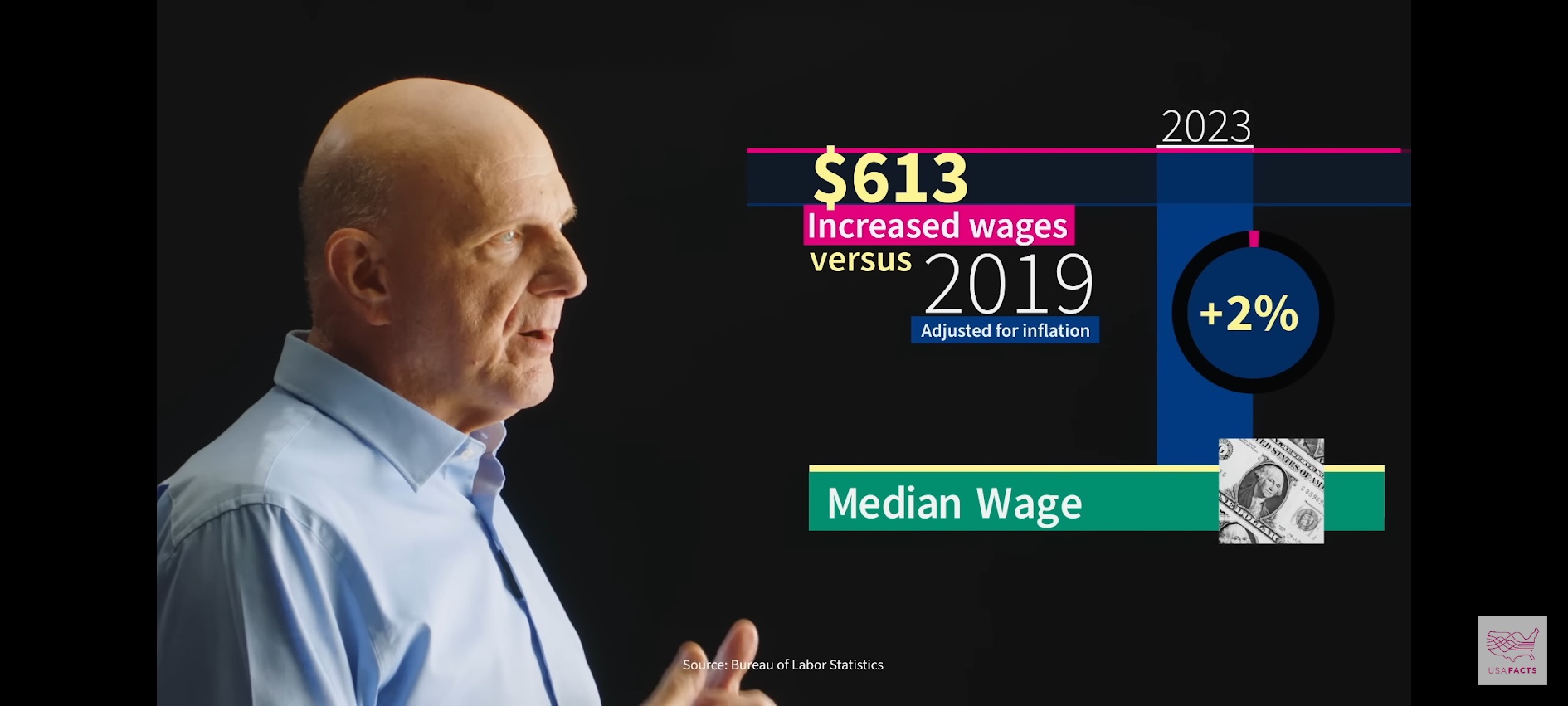
However, it is crucial to examine the relationship between inflation and wages. While prices did rise, nominal wages for many Americans also increased. Data from the Bureau of Labor Statistics (BLS) and other economic analyses show that, for a significant period, particularly since 2019, overall wages have risen faster than inflation. For example, if overall prices increased by 19% since 2019, and average wages rose by 21% over the same period, Americans, on average, experienced an increase in their real purchasing power. This means that after accounting for inflation, their wages could buy more goods and services than before.
The notion of "bringing prices back down" often implies deflation, a sustained decrease in the general price level. While seemingly attractive, deflation can be highly detrimental to an economy, leading to reduced consumer spending (as people delay purchases anticipating lower prices), decreased corporate profits, and increased unemployment. A healthy economy typically aims for low, stable inflation, not deflation.
The argument that "greedy corporations" are solely responsible for inflation by raising prices to hoard profits, often termed "greedflation," also warrants scrutiny. While businesses aim for profitability, competitive markets generally constrain their ability to arbitrarily raise prices without losing market share. Economic analyses, such as a deep dive by NPR on grocery prices, have shown that while corporate profits might fluctuate, there’s often no clear evidence of widespread "windfall profits" solely driven by price gouging during inflationary periods. Price increases are more commonly a reflection of increased input costs (labor, raw materials, shipping) and supply-demand imbalances, rather than unilateral corporate avarice.
4. Housing Prices: Beyond Presidential Control
The escalating cost of housing, both for purchase and rent, is a pressing concern for many Americans. While interest rate hikes are intended to cool the housing market by making borrowing more expensive, prices have remained stubbornly high in many regions, creating a "double whammy" for prospective homeowners facing both elevated prices and higher mortgage costs.
Political proposals often focus on demand-side solutions, such as subsidies for first-time homebuyers or schemes to reduce interest rates. However, economists widely agree that such measures, without addressing the fundamental issue, tend to exacerbate the problem by further stimulating demand in an already supply-constrained market, thereby pushing prices even higher.
The root cause of the housing affordability crisis is primarily a chronic shortage of housing supply. Decades of restrictive zoning laws, cumbersome permitting processes, costly building codes, and community opposition (NIMBYism – "Not In My Backyard") have significantly hampered the construction of new housing units. Solutions lie in supply-side reforms: streamlining and accelerating permit approvals, re-evaluating and modernizing building codes to reduce costs without compromising safety, eliminating exclusionary zoning (e.g., mandating single-family zoning), and curtailing the ability of a small minority to block development that would benefit the broader community. These structural changes could substantially reduce construction costs and increase housing availability, offering a sustainable path to affordability.
5. Gasoline Prices: An Outdated Political Talking Point
Gasoline prices, a perennial hot-button issue in American politics, often trigger passionate debates during election cycles. Yet, from an objective economic standpoint, their significance has diminished considerably.
First, when adjusted for inflation, gasoline prices today ($3-4 per gallon range) are remarkably similar to those of 1950. While nominal prices fluctuate, their real cost has remained relatively stable over decades.
Second, despite the perception of high prices, the average American household spends only about 2.5% of its disposable income on gasoline. This figure is dwarfed by other vehicle-related expenses, such as depreciation, insurance, and maintenance, which collectively constitute a much larger financial burden for car owners.
Third, and perhaps most importantly, gasoline as a primary vehicle fuel is rapidly becoming obsolete. The widespread availability of electric vehicles (EVs), often at price parity or even lower costs for comparable used models, offers a compelling alternative. New EVs can also be cheaper than their internal combustion engine (ICE) counterparts, especially when considering government incentives. EVs provide benefits such as lower operating costs (cheaper "fuel" from electricity), significantly reduced maintenance requirements, and superior performance, rendering the debate over gasoline prices increasingly anachronistic. To focus on gasoline prices in 2024 is akin to debating the price of Kodak film or typewriters in a digital age, ignoring the transformative shifts in technology and consumer options.
6. Redefining "Enough": Beyond Pure Economic Metrics
Perhaps the most profound misconception is the pervasive belief that "the economy" is something we should perpetually worry about, particularly in a nation that has long surpassed the point of providing "enough" for its middle class. While economic growth, hard work, and innovation are valuable, the relentless pursuit of more wealth, especially beyond a certain threshold, yields diminishing returns in terms of overall happiness and well-being.
The American middle class, despite its complaints, often enjoys a standard of living that would be considered luxurious in many parts of the world and unimaginable in previous generations. The persistent focus on economic metrics alone often overshadows broader societal well-being.
While income and wealth inequality are legitimate concerns that warrant attention, and a progressive tax system is vital for social cohesion and peace, simply accumulating more wealth does not equate to greater happiness for individuals. Research consistently shows that beyond a certain income level necessary to meet basic needs and provide security, additional money has a much smaller impact on self-reported happiness. "Enough" is often more a matter of mindset, life skills, and community connections than the size of one’s paycheck.
If political leaders genuinely prioritized the happiness and well-being of their constituents, their platforms might focus less on pandering to specific economic grievances and more on principles that foster contentment, resilience, and meaningful lives – promoting financial literacy, sustainable living, community engagement, and mental health, rather than chasing ever-higher GDP figures or promising unattainable economic "fixes."
The Imperative of Informed Engagement
In an era defined by rapid information dissemination and the proliferation of misinformation, the ability to discern fact from fiction in economic discourse is more critical than ever. The tendency of politicians to prioritize electoral victory through emotionally resonant, yet economically unsound, narratives poses a significant challenge to democratic processes and informed decision-making.
Citizens equipped with a foundational understanding of economic principles and a commitment to seeking out objective data are better positioned to evaluate political claims critically. Resources like Steve Ballmer’s "USA Facts" initiative, which aims to present raw data without political spin, underscore the demand for clarity and objectivity in public discourse. By understanding the true drivers of economic performance, the distinct roles of various institutions like the Federal Reserve, and the actual impact of policies, the electorate can move beyond mere rhetoric.
Ultimately, while casting a vote for the party or candidate believed to best represent one’s interests is a civic duty, the deeper responsibility lies in remaining informed and critically engaged, recognizing that the long-term health and happiness of a nation depend on a collective commitment to truth over political expediency. The election season, therefore, serves as a powerful reminder of the enduring importance of economic literacy and the relentless pursuit of factual understanding.

