
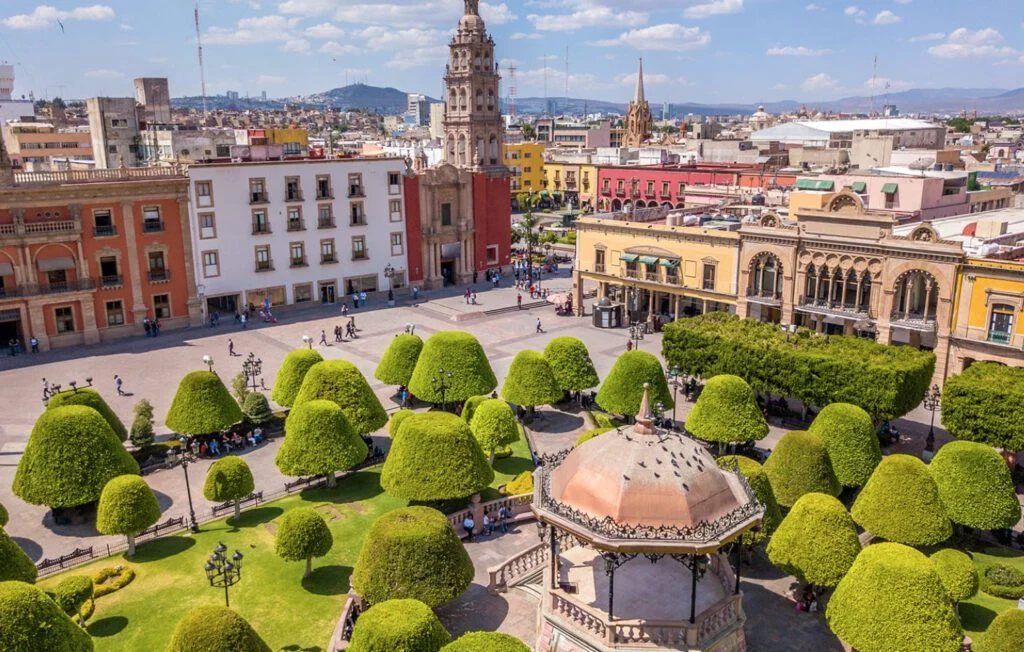
The allure of retirement often conjures images of tranquil sunsets and leisurely pursuits. For an increasing number of Americans, however, this vision extends beyond familiar shores, embracing the vibrant tapestry of life in a foreign land. Anne Nicolai, a former corporate professional and now a freelance writer and karaoke host in San Miguel de Allende, Mexico, offers a compelling perspective on this growing trend of expat retirement, sharing five key lessons gleaned from her decade-and-a-half journey abroad.
Nicolai, who left her Minnesota home in 2008 to embrace a new chapter, has become a prominent voice for those considering a similar expatriate lifestyle, particularly through her platform, MoveToMexico.org. Her insights, born from firsthand experience, provide a nuanced understanding of the challenges and profound rewards associated with retiring outside one’s native country. The decision to relocate, often driven by a desire for a lower cost of living, a more vibrant culture, or simply a change of pace, is a significant one, and Nicolai’s reflections offer valuable guidance for prospective retirees.
Embracing Personal Growth: The Power of the Unfamiliar
Nicolai’s first and perhaps most impactful lesson is the realization of one’s own untapped potential. “You are capable of more than you give yourself credit for,” she states, a sentiment echoed by many who have ventured beyond their comfort zones. When she first arrived in Mexico, Nicolai describes a period of initial struggle, grappling with rudimentary Spanish, the complexities of currency conversion, and a perceived lack of innate rhythm for the local dances.
However, the passage of time and consistent immersion have transformed her. Today, she is a fluent Spanish speaker, adeptly navigating financial transactions in pesos and confidently participating in the local dance scene. This personal evolution is not merely anecdotal; it is substantiated by the increasing number of individuals who report enhanced problem-solving skills and a greater sense of self-efficacy after living abroad. A 2022 study by the Organisation for Economic Co-operation and Development (OECD) indicated that individuals who have lived abroad often exhibit higher levels of adaptability and resilience, crucial traits for navigating the complexities of life.
Nicolai’s journey involved confronting bureaucratic hurdles, such as obtaining and renewing temporary residency visas, a process that often demands meticulous documentation and multiple visits to government offices. Her experience of successfully navigating nine separate visits to the immigration bureau for a single renewal underscores the perseverance required. Furthermore, her frequent solo cross-country drives between San Miguel and Minneapolis, a journey spanning thousands of miles, have honed her independence and resourcefulness. These experiences, including navigating unfamiliar routes and occasionally encountering instances of petty corruption, have collectively served to “stretch my comfort zone” significantly. This expansion of personal boundaries is a recurring theme in testimonials from expatriates, who often report a heightened sense of accomplishment and self-reliance upon returning to or reflecting on their experiences abroad.
The Strategic Advantage of Community: Finding Safety in Numbers
Retiring in a foreign country necessitates a heightened awareness of personal safety and security. Nicolai acknowledges the practical measures common in her adopted home, such as the ubiquitous decorative ironwork on windows and doors, and reinforced garden walls, designed to deter potential intruders. The caution required, such as never leaving valuables unattended in a vehicle, reflects a reality that many expats must adapt to.
However, Nicolai emphasizes that a significant aspect of mitigating these risks lies in establishing a robust community network. “There is safety in numbers,” she asserts, highlighting the presence of substantial expat communities in various global destinations. In San Miguel de Allende, for instance, the existence of English-speaking emergency services and a direct line to the American consular agency provides a critical safety net. The established presence of expatriates also fosters a greater understanding and adaptability among the local population, often leading to a higher prevalence of English speakers in professional and service roles.
The benefit extends beyond official channels. Nicolai notes the availability of diverse living arrangements, from gated communities predominantly inhabited by expatriates to entirely Spanish-speaking neighborhoods. Her personal choice to reside in a Spanish-speaking area underscores her commitment to full immersion, yet she finds security in the reciprocal relationships she has cultivated with her neighbors, knowing they would offer assistance in times of need. This concept of social capital, where strong community ties provide tangible benefits, is a well-documented phenomenon in sociology. Research published in the Journal of Gerontology has shown that social integration is a significant predictor of well-being and safety for older adults, regardless of their geographical location. The establishment of expat organizations and informal networks often facilitates the creation of these vital support systems, providing a sense of belonging and mutual aid that can be invaluable in a new environment.
The Ubiquitous Reach of Technology: Bridging Distances
In an era defined by rapid technological advancement, the geographical distance inherent in expatriate living has been significantly diminished. Nicolai’s third lesson centers on the indispensable role of technology in maintaining connections and facilitating daily life. “Technology will keep you connected,” she affirms, pointing to the global availability of high-speed internet and affordable mobile services.
Modern communication tools, such as WhatsApp, Duo, Viber, and FaceTime, offer free voice and video calling, enabling expatriates to participate in significant life events, from birthday celebrations to holiday gatherings, with loved ones back home. This ability to maintain strong familial bonds is a crucial factor in the overall success and happiness of expatriate retirees. Beyond personal connections, technology also extends to practical necessities. Virtual healthcare options are increasingly accessible, allowing individuals to consult with doctors and therapists remotely. Furthermore, financial management is streamlined through online bill payment systems and direct deposit of Social Security benefits into foreign bank accounts, often in either dollars or the local currency, simplifying financial logistics.
The impact of technology is not limited to maintaining ties with one’s home country. Within the expat community itself, digital platforms serve as vital hubs for information exchange. In San Miguel, Facebook groups and other online forums disseminate crucial details about local events, community alerts, and resources for acquiring hard-to-find items. For daily navigation, tools like Google Maps and Waze, when coupled with reliable internet access, provide indispensable guidance for locating shops, restaurants, and public transportation, further integrating expatriates into their new surroundings. The widespread adoption of these technologies underscores a global shift towards digital connectivity, making international living more feasible and less isolating than ever before. A report by Statista in 2023 indicated that over 60% of the global population has access to the internet, a figure that continues to rise and significantly impacts the feasibility of international relocation for retirement.
Cultural Immersion: A Catalyst for Personal Transformation
Nicolai’s fourth lesson delves into the profound personal transformation that arises from immersion in a different culture. Her move to Mexico was motivated by a deliberate desire for a richer sensory experience: more sunshine, vibrant colors, greater ethnic diversity, and the intellectual stimulation of learning a new language. As a self-described “Type A” personality, accustomed to a consumerist lifestyle in the United States, she sought a different rhythm of life.
After 14 years in Mexico, Nicolai has discovered the inherent value of “patience, humility, and simplicity.” Her material needs have become more focused, primarily revolving around food and her passion for karaoke. Her wardrobe, largely consisting of items she brought with her, has remained functional due to a lifestyle that encourages more walking, dancing, and healthier eating habits. This observation aligns with broader trends identified among expatriates worldwide, who often report a shift towards a more mindful and less consumer-driven existence.
The intellectual and emotional benefits of cultural immersion are well-documented. Studies in cross-cultural psychology suggest that exposure to different ways of life fosters increased empathy, open-mindedness, and a more nuanced understanding of global issues. For retirees, this can translate into a renewed sense of purpose and a richer appreciation for life’s experiences. The United Nations World Tourism Organization (UNWTO) has highlighted the positive impacts of cultural exchange, noting that travel and living abroad can lead to significant personal growth and a deeper understanding of human diversity. This cultural enrichment is not merely a passive experience; it actively shapes an individual’s worldview, leading to a more balanced and fulfilling life.
The Open Door: The Freedom to Reassess and Return
Perhaps the most reassuring lesson Nicolai offers is the fundamental understanding that “you can always go home.” The decision to retire abroad is not an irreversible commitment. She points to numerous expatriates who have lived in Mexico for decades, as well as those who have relocated back to their home countries due to health reasons, a desire to be closer to family, or simply a change in personal preference. The global mobility of retirees is not limited to a single destination; individuals have transitioned from Mexico to Thailand, New Zealand, and Portugal, demonstrating the fluidity of modern retirement planning.
Nicolai emphasizes that there is no single “right” way to retire, nor is there a perfect timeline or an ideal location. Retirement abroad is an iterative process, best approached with an attitude of experimentation rather than a fear of failure. For Nicolai, Mexico has become home, yet she acknowledges the possibility of returning to the United States or exploring other global destinations. This perspective underscores the agency that retirees possess in shaping their own life paths.
The motivations for expatriate retirement are diverse. Some seek to reinvent themselves, others to heal from personal challenges, and many simply to pursue long-held passions. Nicolai’s own journey was sparked by a desire for warmer winters and a new adventure. The consistent visits from friends and family have ensured she has never felt isolated. This underscores the critical importance of maintaining social connections, regardless of location. The ability to make a U-turn, to reassess one’s choices and adapt accordingly, is a powerful testament to the flexibility and evolving nature of retirement in the 21st century. The International Living Global Retirement Index, which annually assesses popular retirement destinations, frequently highlights the importance of accessibility and the ease of travel for retirees, implicitly acknowledging the potential need for return or relocation. This underscores that the expat experience, while often transformative, remains a personal journey with the ultimate freedom to chart one’s own course.

