
A groundbreaking paradigm shift in urban development, prioritizing human-centric design over automobile dependency, promises unprecedented economic, social, and environmental benefits, potentially redefining global wealth and quality of life. This ambitious vision, championed by various urban planners and thought leaders, suggests an immediate overhaul of existing cities and future developments to foster environments where people, not cars, are the primary focus. Proponents argue that this transition could unlock trillions in economic value, dramatically improve public health, and cultivate more vibrant, connected communities, with pioneering projects like Culdesac Tempe serving as tangible proof of concept.
The Pervasive Costs of Car-Centric Urbanism
For decades, urban planning in many parts of the world, particularly in North America, has been heavily influenced by the automobile. The post-World War II era saw a surge in car ownership, leading to extensive highway construction, sprawling suburbs, and zoning laws that separated residential, commercial, and industrial areas. This design philosophy inadvertently made car ownership a necessity rather than a choice, shaping our cities into vast networks of roads, parking lots, and drive-thrus. The initial appeal of convenience and personal mobility, however, has come at a staggering cost, often overlooked in daily life.
The economic burden of car dependency is immense. Annually, the average American household spends a significant portion of its income on vehicle purchases, fuel, insurance, maintenance, and depreciation. According to AAA, the average cost of owning and operating a new vehicle in 2023 was over $12,000 per year. Multiply this across millions of households, and the cumulative national expenditure becomes astronomical. Beyond individual costs, cities bear the massive expense of building and maintaining road infrastructure, traffic management systems, and emergency services for accidents. This public spending diverts funds from other critical areas like education, public health, or green infrastructure.
Environmentally, the reliance on internal combustion engine vehicles is a major contributor to air pollution, greenhouse gas emissions, and urban heat islands. Traffic congestion not only wastes billions of hours in lost productivity but also exacerbates pollution levels, directly impacting public health. The health implications extend further, as sedentary lifestyles encouraged by car-dependent environments contribute to rising rates of obesity, heart disease, and other chronic conditions, placing an additional strain on healthcare systems. Socially, sprawling, car-dominated landscapes often diminish opportunities for spontaneous social interaction, reduce neighborhood cohesion, and create barriers for those without access to private transportation, including the elderly, disabled, and low-income populations.
Reclaiming Space: The Untapped Potential of Car-Free Zones
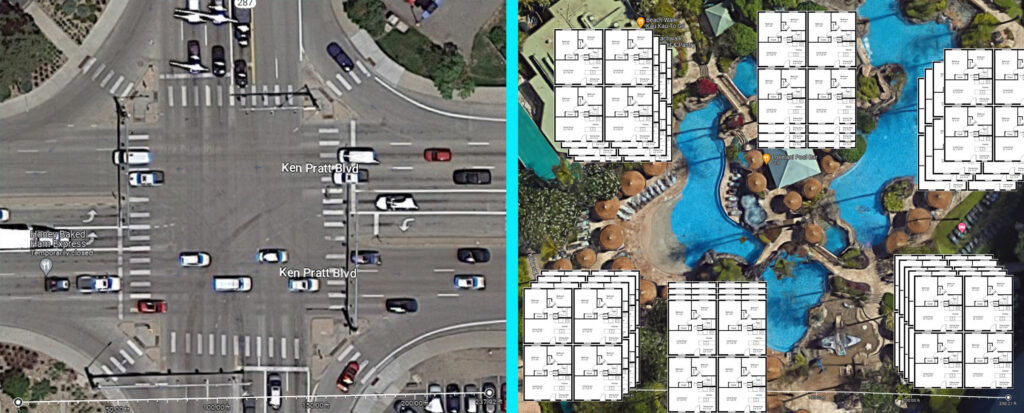
A core argument for people-centric urban design revolves around the efficient use of space. A typical American city dedicates an astounding percentage of its land — often between 30% to 50% — to roads, highways, and parking facilities. This vast expanse, when visualized, reveals an astonishing inefficiency. For instance, the space required to park just two compact cars could comfortably accommodate a modest two-bedroom apartment. Extending this observation, a single large urban intersection, spanning approximately 250 by 250 feet, represents about 1.5 acres of land. In a car-centric model, this space is largely dedicated to facilitating traffic flow, often remaining vacant or underutilized during off-peak hours. However, reimagined for human use, such an area could host a vibrant mixed-use development, complete with residential units for hundreds of people, green spaces, local businesses, and community amenities like a pool or a dog park.
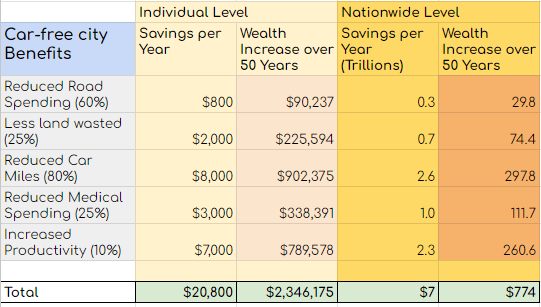
This reclamation of space is not merely about aesthetic improvement; it translates directly into economic and social gains. By reducing the land allocated to cars, cities can increase housing density, making homes more affordable and accessible. It allows for the integration of essential services and amenities within walking or cycling distance, effectively creating "15-minute cities" where residents can access most daily needs without a car. This proximity fosters local economies, reduces commute times, and enhances overall convenience and quality of life. The estimated economic uplift of over $20,000 per person per year, compounding to millions over a lifetime, arises from a combination of eliminated car ownership costs, reduced healthcare expenses, increased productivity, and the intrinsic value of living in a healthier, more enjoyable environment. On a national scale, this translates to a potential boost of approximately seven trillion dollars annually for a country like the United States, a figure that over five decades could exceed the current total human wealth on the planet.
Culdesac Tempe: A Blueprint for the Future
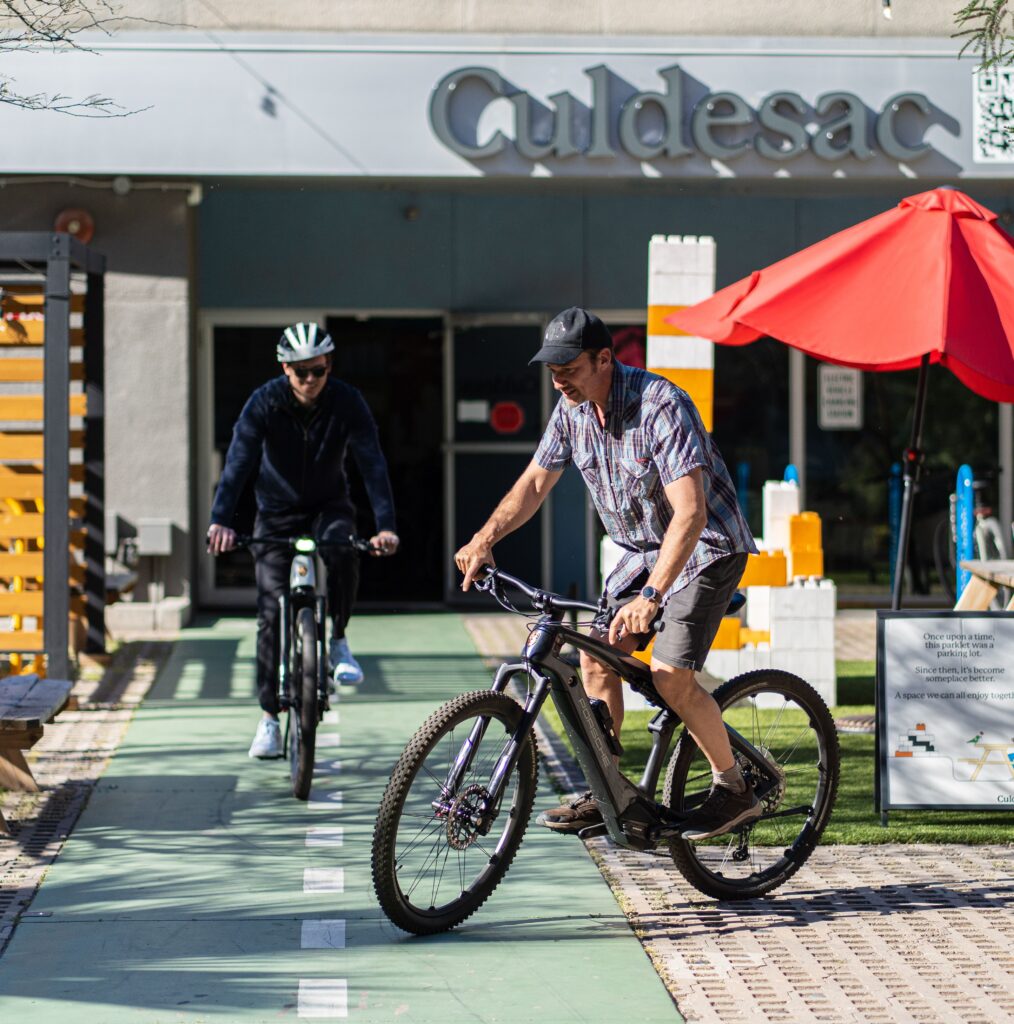
While the concept of car-free cities might seem radical to those accustomed to sprawling urbanism, practical implementations are emerging, demonstrating the viability and desirability of such models. One of the most prominent examples in North America is Culdesac Tempe, located in Tempe, Arizona. This 17-acre development is billed as the country’s first large-scale car-free neighborhood, designed from the ground up to prioritize pedestrians, cyclists, and public transit users.
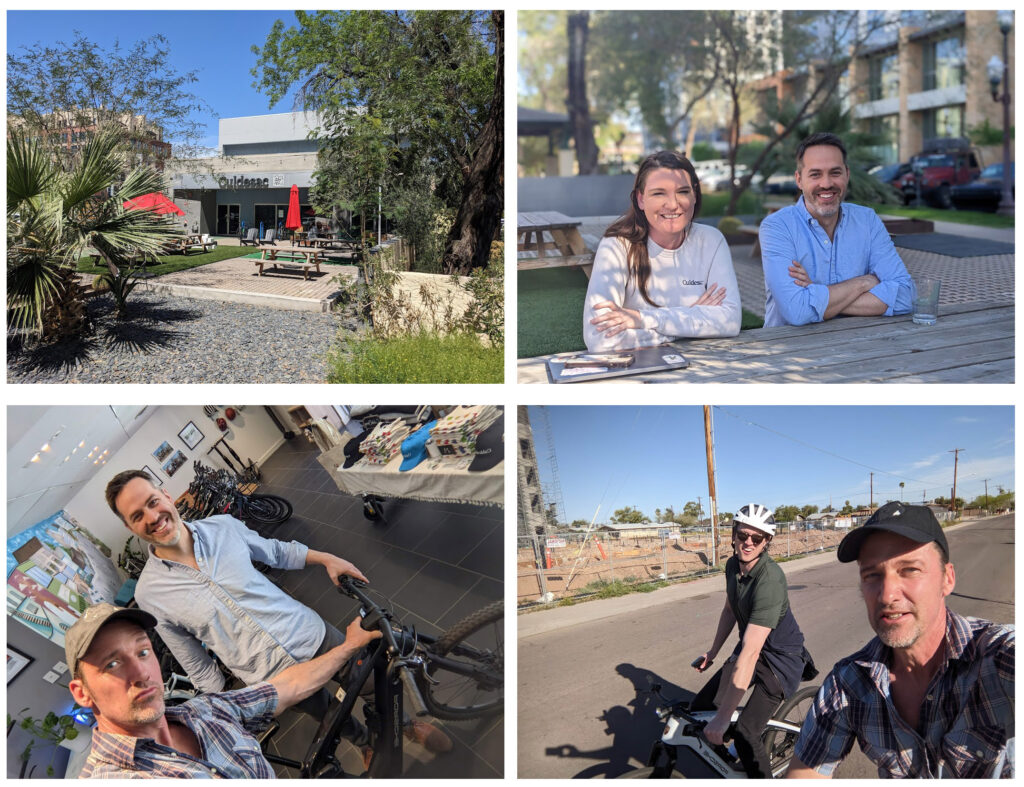
The project, spearheaded by co-founders Jeff Berens and Ryan Johnson, began with a clear vision: to create a vibrant, connected community where residents could live fulfilling lives without the need for a personal vehicle. Construction commenced after navigating complex zoning and regulatory landscapes, which typically favor car-dependent developments. Culdesac Tempe started welcoming its first residents in 2023, marking a significant milestone in urban innovation.
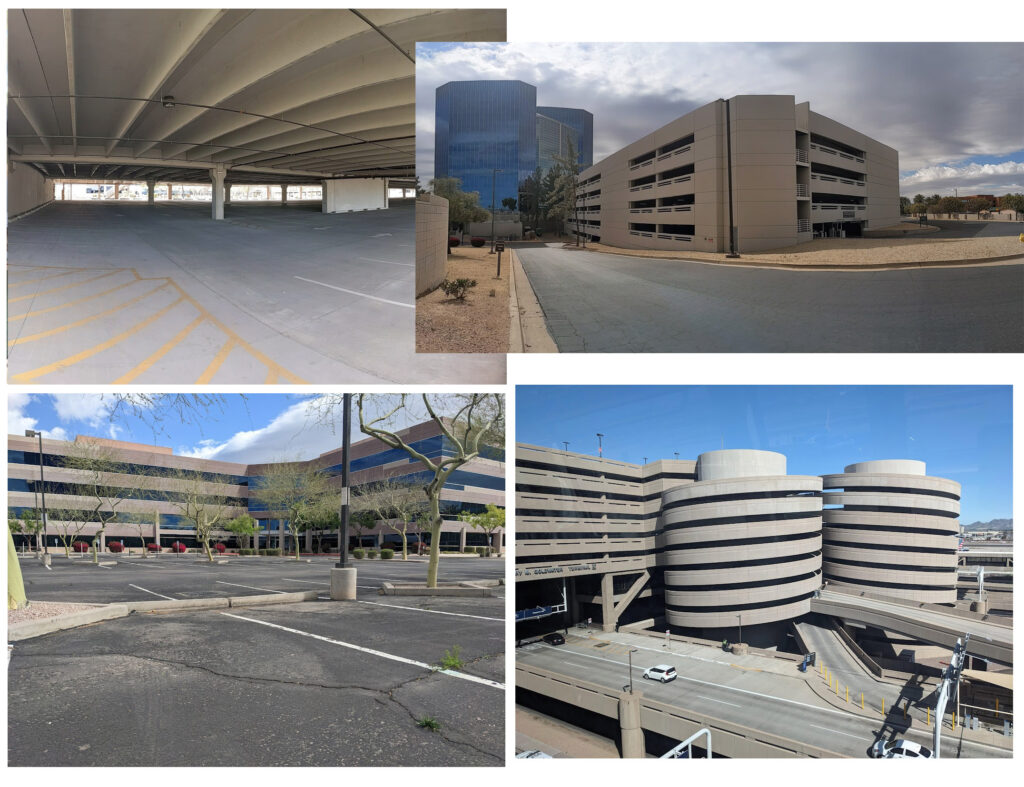
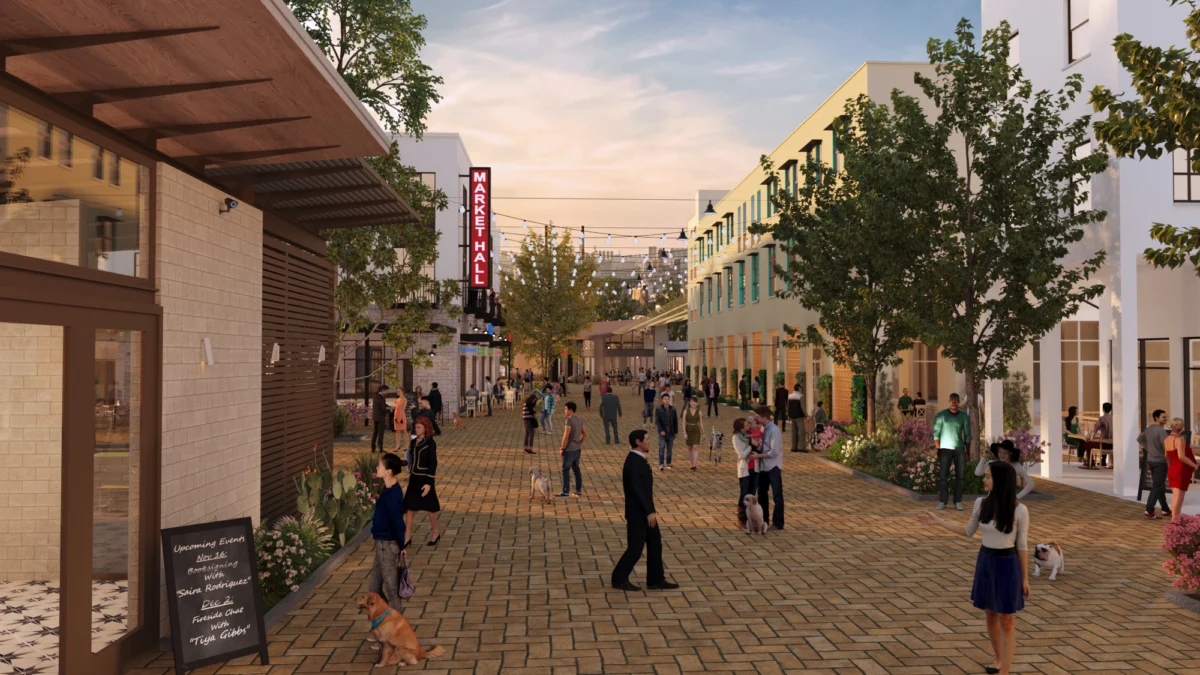
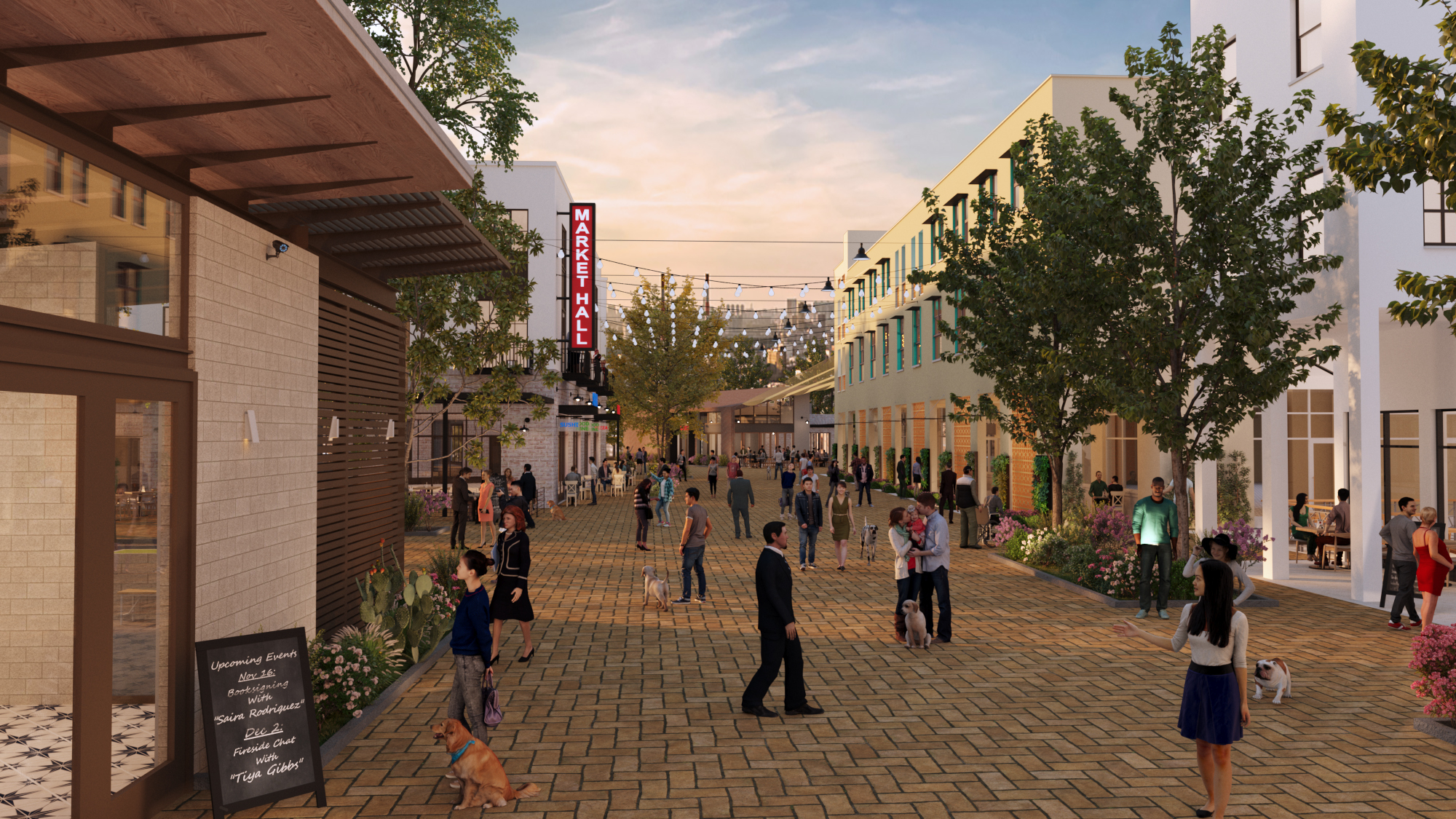
Key features of Culdesac Tempe underscore its people-first philosophy. The vast expanses typically reserved for parking lots have been transformed into inviting pedestrian pathways, lush green spaces, and communal gathering areas. The architecture draws inspiration from Mediterranean design, incorporating elements that provide natural shade and promote airflow, crucial for the hot Arizona climate. This design creates a comfortable and aesthetically pleasing environment for walking and outdoor activities.
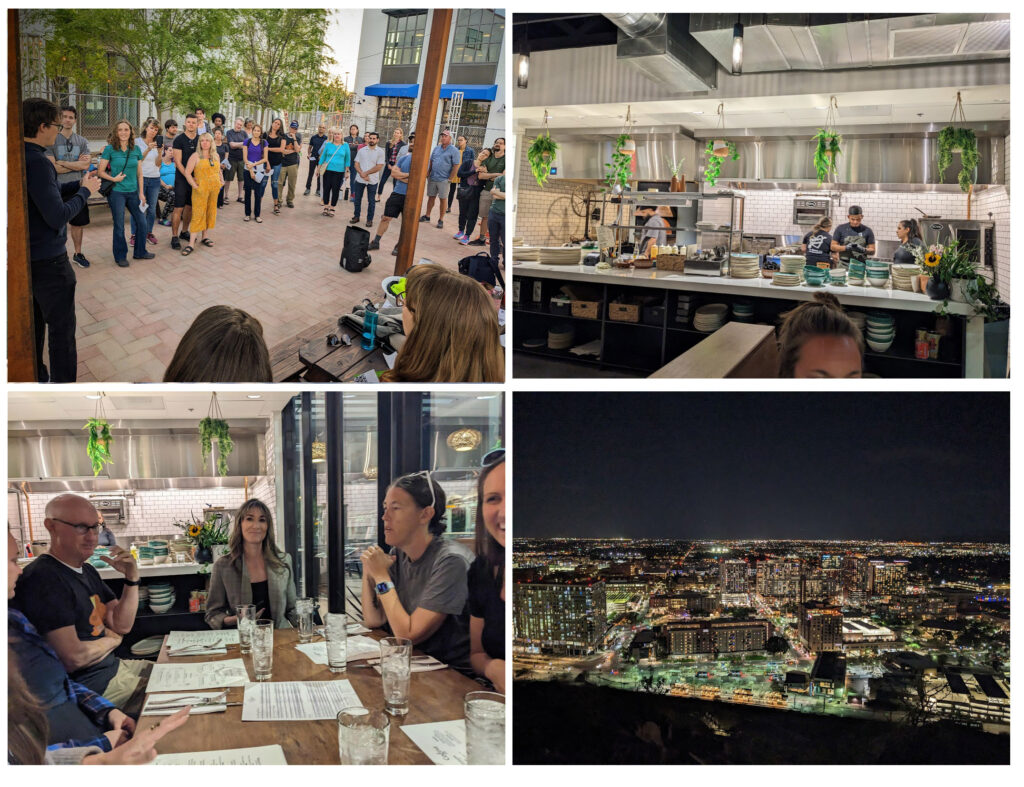
The neighborhood is designed as a mixed-use community, integrating essential amenities directly within its bounds. Residents have access to an on-site grocery store, various restaurants, a fitness center, co-working spaces, and a pool, significantly reducing the need to travel for daily necessities. This intentional co-location of living, working, and leisure spaces fosters a sense of community and spontaneous interaction, often lacking in traditional suburban layouts.

Transportation within and beyond Culdesac Tempe is meticulously planned. Residents are encouraged to walk or cycle, with dedicated infrastructure supporting these modes. For longer distances, an annual pass to the local light rail system is included with rent, providing seamless access to the wider Phoenix metropolitan area, including Arizona State University and Phoenix Sky Harbor International Airport. Additionally, Culdesac maintains a fleet of shared electric vehicles for residents who occasionally need a car for specific trips, such as venturing into the mountains or transporting larger items. This multi-modal approach offers flexibility and convenience without the burden of individual car ownership.
Overcoming Resistance and Embracing Change

The transition to people-centric cities is not without its challenges. Entrenched mindsets, existing infrastructure, and the inertia of traditional urban planning committees often present significant hurdles. Skeptics frequently raise concerns about practicality, questioning how essential services, deliveries, or individuals with mobility challenges would be accommodated in a car-free environment. However, proponents argue that these concerns are largely addressed by intelligent design and alternative solutions. Dedicated service lanes, accessible public transit, and specialized ride-sharing options can effectively manage such needs, proving that a car-lite or car-free existence is not only possible but superior.
The success of projects like Culdesac Tempe demonstrates that regulatory frameworks can adapt and that public demand for such environments exists. The Tempe city council’s approval of Culdesac represented a forward-thinking decision, acknowledging the long-term benefits despite the deviation from conventional development practices. This decision serves as a beacon for other municipalities grappling with issues of urban sprawl, housing affordability, and environmental sustainability.
The Broader Implications and Future Vision
The potential implications of a widespread shift to people-centric urban planning are profound and far-reaching:
- Economic Prosperity: Beyond individual savings, cities would see reduced infrastructure costs, increased property values in walkable areas, and a booming local economy driven by foot traffic and community engagement. The investment capital freed from car-related infrastructure could be redirected into public services, green technologies, and social programs.
- Environmental Stewardship: A significant reduction in vehicle miles traveled would lead to drastically improved air quality, lower carbon emissions, and the restoration of natural habitats within urban areas. This contributes directly to climate change mitigation efforts and enhances biodiversity.
- Public Health and Well-being: Encouraging walking, cycling, and active transportation naturally integrates physical activity into daily routines, combating sedentary lifestyles and reducing the incidence of chronic diseases. Improved air quality further supports respiratory health. The design of public spaces also fosters mental well-being through increased social interaction and access to nature.
- Enhanced Community Life: People-centric designs cultivate stronger communities by creating inviting public spaces for gathering, events, and spontaneous interactions. This can lead to reduced crime rates, increased civic engagement, and a greater sense of belonging among residents.
- Replicability and Expansion: The Culdesac master plan envisions not just isolated projects but a scalable model. Starting with small, demonstrably successful communities, the goal is to expand to larger developments for tens of thousands of residents. This strategy includes converting existing underutilized spaces, such as vast shopping center parking lots, into vibrant, mixed-use mini-cities, and eventually integrating these principles into the retrofitting of existing car-dependent urban centers. This phased approach aims to prove the model’s financial viability and social desirability, paving the way for broader adoption.
The enthusiasm surrounding projects like Culdesac Tempe is indicative of a growing desire for urban environments that prioritize human experience and sustainability. As more individuals experience the tangible benefits of living in walkable, bikeable, and transit-rich communities, the demand for such developments is likely to accelerate. Urban planners, policymakers, and communities worldwide are beginning to recognize that redesigning our cities around people, rather than cars, is not merely an idealistic endeavor but an urgent necessity for fostering a healthier, wealthier, and more enjoyable future for generations to come. The stakes are indeed high, offering an unparalleled opportunity for a societal transformation that promises immense payback.

