
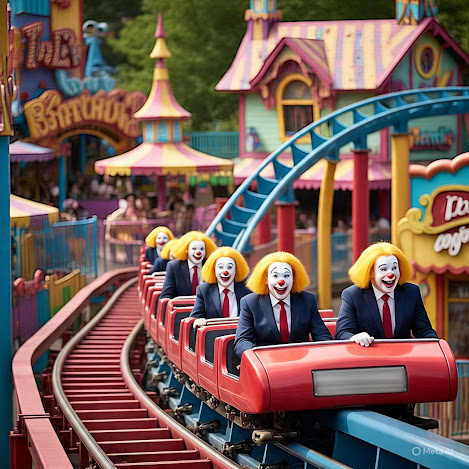
The global financial markets experienced an extraordinary period of volatility in early 2025, with the United States stock market embarking on a dramatic roller coaster ride that saw it shed a significant portion of its value before an equally sharp recovery. Following a multi-year bull run that culminated in February 2025, the market plunged by a full 20% at its lowest point, only to rebound with remarkable speed, nearly reaching its previous peak by the time of this analysis. Unlike many market fluctuations, which often lack a clear, singular cause, the consensus among analysts and economists points overwhelmingly to one primary driver: the escalating implementation of tariffs.
Understanding Tariffs: A Deeper Dive into Trade Policy
At its core, a tariff is a tax levied by a government on goods and services imported from other countries. While legally paid by the importing entity—be it an individual purchasing an e-bike directly from overseas or multinational corporations like Amazon, Walmart, or Apple importing vast quantities of products—the economic burden invariably falls on the end consumer. Importers, facing increased costs, logically raise their retail prices to maintain profit margins, effectively passing the tariff cost down the supply chain.
The impact extends beyond consumer goods. Industries reliant on imported raw materials or components, such as construction and manufacturing, face higher operational costs. For instance, if Home Depot aims to construct a new store or Chevron requires a new oil rig, tariffs on imported steel, copper, lumber, and countless other components directly inflate project expenses. Similarly, housing costs can rise as a significant portion of building materials originate from various international sources. On average, tariffs operate akin to a broad-based sales tax, contributing to higher prices across the economy. While this generates revenue for the national budget, potentially reducing deficits, it generally comes at the cost of economic slowdown and reduced consumer purchasing power.
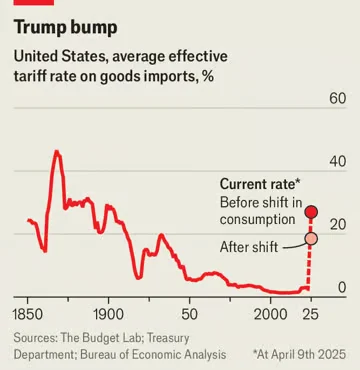
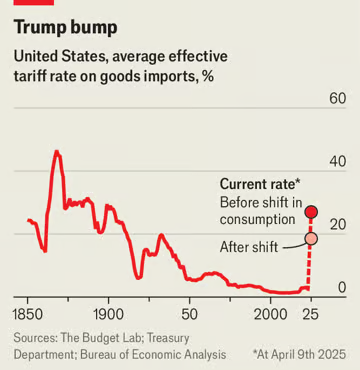
Historically, the United States maintained relatively low tariffs, especially in the post-World War II era, fostering an environment of free trade that many economists credit with driving unprecedented global prosperity. Average tariff rates in recent decades have typically hovered below 5%. The current regime, however, has seen these rates surge to levels approximately seven times higher than previous norms, introducing significant friction into established trade relationships. This departure from decades of policy underscores the magnitude of the present economic experiment.
The Economic Consequences of Elevated Tariffs
The implementation of widespread tariffs introduces several direct and indirect economic consequences. As a form of consumption tax, tariffs directly contribute to inflation, as the cost of imported goods and services rises. This erodes consumer purchasing power, as individuals must spend more to acquire the same basket of goods. Businesses, in turn, face higher input costs, which can squeeze profit margins, disincentivize investment, and potentially lead to reduced hiring or even job losses in sectors heavily reliant on international trade.
Moreover, tariffs disrupt global supply chains, which have been meticulously optimized over decades for efficiency and cost-effectiveness. Companies are forced to re-evaluate sourcing strategies, potentially shifting to more expensive domestic alternatives or redesigning production processes. This restructuring can be time-consuming and costly, further dampening economic activity. The uncertainty surrounding tariff policies, characterized by frequent changes and threats of further escalation, exacerbates these challenges, making long-term business planning exceedingly difficult.
The Protectionist Argument: Jobs and Domestic Industry
Proponents of tariffs often argue for their use as a tool to protect domestic industries and create jobs. The theory posits that by making imported goods more expensive, domestic products gain a competitive advantage, leading to increased sales for local manufacturers. For example, a substantial tariff on imported automobiles like Hondas could encourage consumers to purchase American-made vehicles from companies such as General Motors. This surge in demand could theoretically prompt GM to hire more employees, expand factories, and invest in new models and technologies. Such strategic application, it is argued, can bolster national defense industries or secure critical supply chains.
However, the economic reality is often more complex. While specific domestic industries might experience a localized boom, the broader economy typically bears the cost. Consumers face higher prices and reduced product selection, as foreign competition is curtailed. This increased cost for goods ripples through the economy; for instance, higher vehicle prices mean increased operational expenses for logistics companies like Amazon. Furthermore, protected industries, shielded from international competition, may have less incentive to innovate, improve efficiency, or streamline operations, potentially hindering their long-term growth and global competitiveness. Most economists agree that while tariffs might offer short-term gains for select sectors, their overall effect on employment and economic growth is generally negative.
The Political Calculus: Tariffs as a Bargaining Chip
The rationale behind the current administration’s aggressive tariff strategy has been a subject of intense debate. While publicly framed as a means to increase domestic wealth and bring jobs back to the U.S., market reactions consistently suggest otherwise. Announcements of new or higher tariffs typically trigger declines in stock prices, reflecting investor and business leader apprehension about reduced corporate profits and economic headwinds. Conversely, news of tariff pauses or reductions often correlates with market upticks.
This apparent disconnect has led many to speculate that the tariffs serve primarily as a powerful, albeit disruptive, negotiating tactic. The theory suggests that the administration employs these trade barriers as leverage to extract concessions from trading partners on various issues, ranging from trade imbalances to geopolitical objectives. The unpredictability and rapid-fire changes in tariff policy are seen by some as deliberate tactics designed to keep trading partners off balance. This approach, however, subjects the entire economy to the whims of a single individual, raising concerns about stability and the erosion of predictable, rules-based international trade.

A Chronology of Market Turbulence and Tariff Escalation (Early 2025)
The year 2025 commenced with an already buoyant market, peaking in February after a sustained period of growth. This period of optimism was abruptly curtailed as the administration intensified its tariff rhetoric and began implementing broader, higher import duties.
- February 2025: The stock market concludes a robust multi-year climb, reaching new highs, reflecting strong investor confidence.
- March 2025: Initial announcements and escalations of tariff threats against key trading partners begin to introduce market jitters, leading to minor corrections.
- April 2, 2025: A significant policy announcement by the President, dubbed "Liberation Day," details widespread and substantial new tariffs. This event triggers an immediate and severe market reaction, with the U.S. stock market experiencing its steepest single-day drop since 1932.
- April – May 2025: The market enters a period of extreme volatility, characterized by sharp declines and equally pronounced recoveries. At its nadir, the S&P 500 records a 20% loss from its February peak, signaling a bear market.
- June 2025: Despite continued high tariff levels, the market demonstrates remarkable resilience, gradually bouncing back to nearly erase its losses, approaching its all-time high. This recovery is often correlated with speculation or reports of potential de-escalation in trade tensions.
This chronology illustrates the direct correlation between tariff announcements and market sentiment, underscoring the profound impact of trade policy on investor confidence and economic outlook.
Delayed Impact: Why Consumers Haven’t Felt the Full Brunt Yet
Despite the significant increase in tariff rates, many consumers have yet to experience the full impact in the form of widespread price hikes or product shortages. This delay can be attributed to several factors inherent in the global supply chain and economic dynamics. The U.S. economy, functioning much like a massive cargo ship, possesses considerable inertia. In normal times, businesses maintain several months’ worth of inventory. Furthermore, anticipating the imposition of tariffs, many importers strategically accelerated orders and stockpiled goods, creating a buffer of cheaper, pre-tariff products.
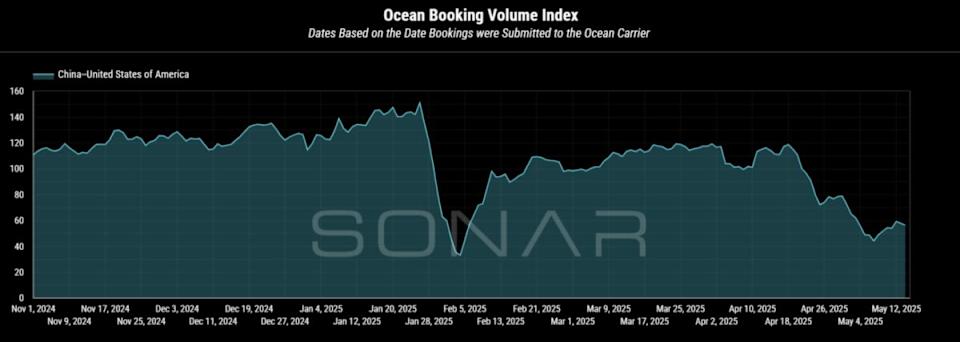
However, data from indices like the Freightwaves Ocean Shipping Index (OSI) reveals a significant drop in new import volumes since the tariffs took effect. This indicates that while existing inventory is being consumed, the flow of new, cheaper goods has been substantially curtailed. Economists predict that as these stockpiles dwindle, likely throughout the summer and fall of 2025, consumers will begin to see more widespread price increases and potentially encounter shortages of certain products. While the absence of plastic party trinkets might be a minor inconvenience, restricted access to essential tools, machinery, or critical components could have far more severe economic consequences.
The Path Forward: Scenarios for the Global Trade Landscape
The current trade environment presents two primary scenarios for the future, each with distinct implications for the U.S. and global economies.
Scenario 1: The Current High Tariffs Persist
Should the elevated tariffs become a permanent fixture of U.S. trade policy, the long-term outlook suggests a period of sustained economic adjustment. Inflation would likely become entrenched as businesses continue to pass on increased import costs. Supply chains would undergo significant restructuring, with companies exploring reshoring or nearshoring options, often at higher production costs. This would lead to a reduction in overall international trade volume, potentially triggering retaliatory tariffs from affected nations, further constricting global commerce. Consumer choice would diminish, and the overall efficiency of the economy would decline. Such a scenario carries the risk of a global economic slowdown or even recession, accompanied by increased geopolitical tensions as trade disputes strain international relations.
Scenario 2: Tariffs as a Negotiating Tactic Leading to De-escalation
Alternatively, if the tariffs ultimately prove to be a temporary negotiating tactic, leading to a de-escalation and a return to mostly low tariffs, the economic landscape would likely stabilize and rebound. This scenario anticipates a truce in the trade war, followed by a resumption of free-ish international trade. Investor confidence would return, leading to market stabilization and renewed investment. The benefits of free trade—increased efficiency, lower consumer prices, greater product variety, and enhanced global cooperation—would be restored. The market’s current recovery, despite ongoing high tariffs, suggests that investors are largely betting on this more optimistic outcome, anticipating that political rhetoric will eventually yield to economic pragmatism. As the adage goes, "the best way to win the tariff game is not to play it," emphasizing the mutual benefits of collaborative trade relations.
Checks and Balances: Constitutional Challenges to Executive Power
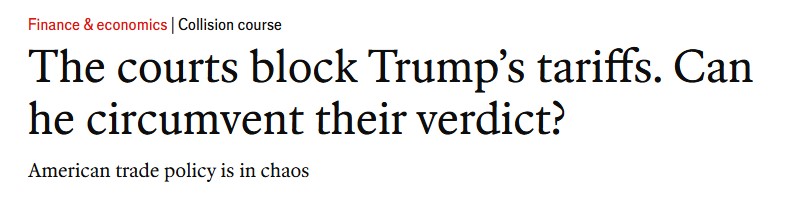
The current executive-driven tariff regime has sparked significant debate regarding the balance of power within the U.S. government. The concentration of such vast economic authority in the hands of a single individual raises questions about the constitutional framework of "three independent branches of government," designed to prevent the unchecked exercise of power. This challenge to established norms is not unprecedented in U.S. history, as presidents have often sought to expand executive influence. However, the scale and scope of the current tariff application have prompted legal challenges. As highlighted in reports from publications like The Economist, the court system is beginning to grapple with the legality and constitutional limits of the executive’s power to impose tariffs, signaling a potential judicial check on this economic policy. The resolution of these legal battles will be crucial in determining the long-term viability of a trade policy heavily reliant on executive discretion.
Investing in Uncertainty: A Call for Prudence and Perspective
In times of market turbulence and economic uncertainty, a fundamental lesson for investors remains paramount: avoid making rash decisions based on short-term fear. The dramatic swings of early 2025 served as a stark reminder of the perils of panic selling, as illustrated by individuals who "locked in big losses" during the market’s dip, only to watch it recover swiftly. Decades of financial wisdom emphasize the resilience of diversified investments and the long-term growth trajectory of economies, even through periods of significant disruption. The current market recovery, despite lingering trade tensions, underscores investor belief in the eventual return to stability and prosperity. This long-term perspective is why many seasoned investors, including the author, remain fully invested, placing their bet on the enduring strength of the economy and its capacity to navigate challenges.
Navigating the Information Landscape: Beyond the Headlines
Perhaps the most critical lesson gleaned from this period of economic and political flux is the importance of media literacy. In an age dominated by click-funded commercial media, headlines are often crafted more to generate attention, outrage, or fear than to deliver objective information. This inherent bias, whether political or simply sensationalist, can distort public perception and lead to ill-informed decisions. To counter this, individuals have two primary options: either consciously disengage from the constant barrage of news and focus on personal priorities, or cultivate subject matter expertise in areas of interest. The latter allows for a critical evaluation of original sources and a clearer understanding of complex issues, revealing the frequent inaccuracies and oversimplifications prevalent in mainstream reporting. Ultimately, disengaging from the sensationalism allows for a more grounded perspective, enabling individuals to focus on their real-life well-being and relationships, rather than being swept up in media-driven anxieties.
Related:
Why We Are Not Really All Doomed – the original all-purpose MMM article which explains why we never really have to worry about the long-term economic future.

