

Nearly two decades into early retirement, a prominent figure within the Financial Independence, Retire Early (FIRE) movement has articulated a nuanced challenge: the seemingly ideal state of complete freedom can paradoxically become a "double-edged sword," potentially leading to a decline in productivity and purposeful engagement. This observation, stemming from 19 years of a self-directed lifestyle, highlights a growing discourse within the FIRE community regarding the psychological complexities of managing unlimited autonomy.
The Allure and Reality of Financial Independence
The FIRE movement, which advocates for aggressive saving and investing to enable early retirement, has gained significant traction globally. Proponents typically aim to accumulate 25 times their annual expenses, allowing them to live off investment returns. The appeal is clear: freedom from the traditional nine-to-five grind, more time for family, hobbies, and personal growth. Data from various financial surveys indicate a rising interest in early retirement, with platforms like Reddit’s r/financialindependence boasting over 1.7 million members, reflecting a widespread aspiration for this lifestyle.
For the individual in question, the initial phase of early retirement delivered on its promise. He describes dedicating thousands of hours to raising his son, fostering family bonds, prioritizing health, nurturing friendships, embarking on adventures, undertaking various construction projects, and consistently producing content for his widely-read blog. This period, spanning the first decade, was characterized by intense engagement and a natural balance between self-chosen responsibilities and leisure. Studies on early retirees often report initial spikes in happiness and life satisfaction, particularly when individuals actively pursue long-held passions or spend more time with loved ones. A 2018 study published in the Journal of Happiness Studies found that retirees who engaged in a diverse range of activities, including social, physical, and cognitive pursuits, reported higher levels of well-being.
However, the narrative reveals a subtle yet significant shift in recent years. The ease and abundance of choice inherent in a financially independent life began to manifest as a lack of inherent pressure, leading to a gradual deceleration of activity.
The Unintended Consequence of Absolute Freedom
The core revelation made by the early retiree is that the absence of external obligations meant "I never have to do anything I don’t want to do." While this sounds like an ultimate aspiration, it masks a potential pitfall. Psychologists and behavioral economists often discuss the concept of "choice overload" or "paradox of choice," where an excessive number of options can lead to decision paralysis and reduced satisfaction. Moreover, human beings often thrive on structure, challenges, and a sense of purpose. When these are entirely self-imposed, the internal discipline required can be substantial.
The individual’s experience illustrates a spectrum of outcomes for those with substantial financial freedom: from extreme indolence ("unlimited drugs and booze on the couch") to highly impactful philanthropy ("create and manage a series of nonprofit foundations"). This spectrum underscores that wealth and freedom merely amplify an individual’s existing strengths and weaknesses. Without the external structure of a job, personal accountability becomes paramount. Research by the National Bureau of Economic Research has indicated that while retirement can initially boost happiness, the long-term effects depend heavily on how individuals structure their time and maintain social connections and purposeful activities. A lack of structure or purpose can lead to feelings of listlessness or depression for some.
In the later stages of his early retirement, the author observed a personal trend of "slowing down." He found himself increasingly gravitating towards passive entertainment, such as scrolling on a phone, rather than engaging in the more demanding, yet ultimately more rewarding, activities that previously defined his lifestyle. Tasks requiring more planning, energy, or focused effort, like construction projects or writing blog posts, became harder to initiate. This shift mirrors observations in general retirement studies, where some individuals struggle with the transition from a structured working life to unstructured leisure, occasionally leading to a decline in cognitive engagement and physical activity.
The Cycle of Knowledge Without Action
Recognizing this drift, the early retiree embarked on a journey to reclaim his energy and focus, immersing himself in health and wellness literature. He explored concepts such as beneficial daily habits and the dangers of excessive comfort, sharing these insights with his audience. While these studies provided effective strategies, a persistent challenge emerged: the gap between knowledge and consistent application. Despite acquiring valuable information and initially incorporating new routines, his brain would "invent various excuses" to discontinue them, leading to a wealth of understanding but insufficient tangible accomplishment.
This phenomenon is well-documented in behavioral psychology, where the intention-behavior gap describes the disconnect between an individual’s stated goals and their actual actions. Factors like procrastination, lack of self-control, and the allure of immediate gratification often derail long-term objectives. The individual realized he was "sabotaging my own progress by turning my biggest life advantage into a disadvantage," specifically, by using his freedom to "avoid doing things that I didn’t feel like doing."
This highlights a critical distinction: freedom from unwanted obligations is liberating, but true freedom, particularly in retirement, requires active and deliberate engagement in pursuits that are valued, even if they present a challenge. If freedom merely translates into passive consumption and avoidance of effort, its transformative potential remains unrealized. As the author states, if one cannot use this freedom to do things "even more valuable than the job you just quit," then the purpose of early retirement itself is diminished.
The "Hesitation as a Trigger" Strategy
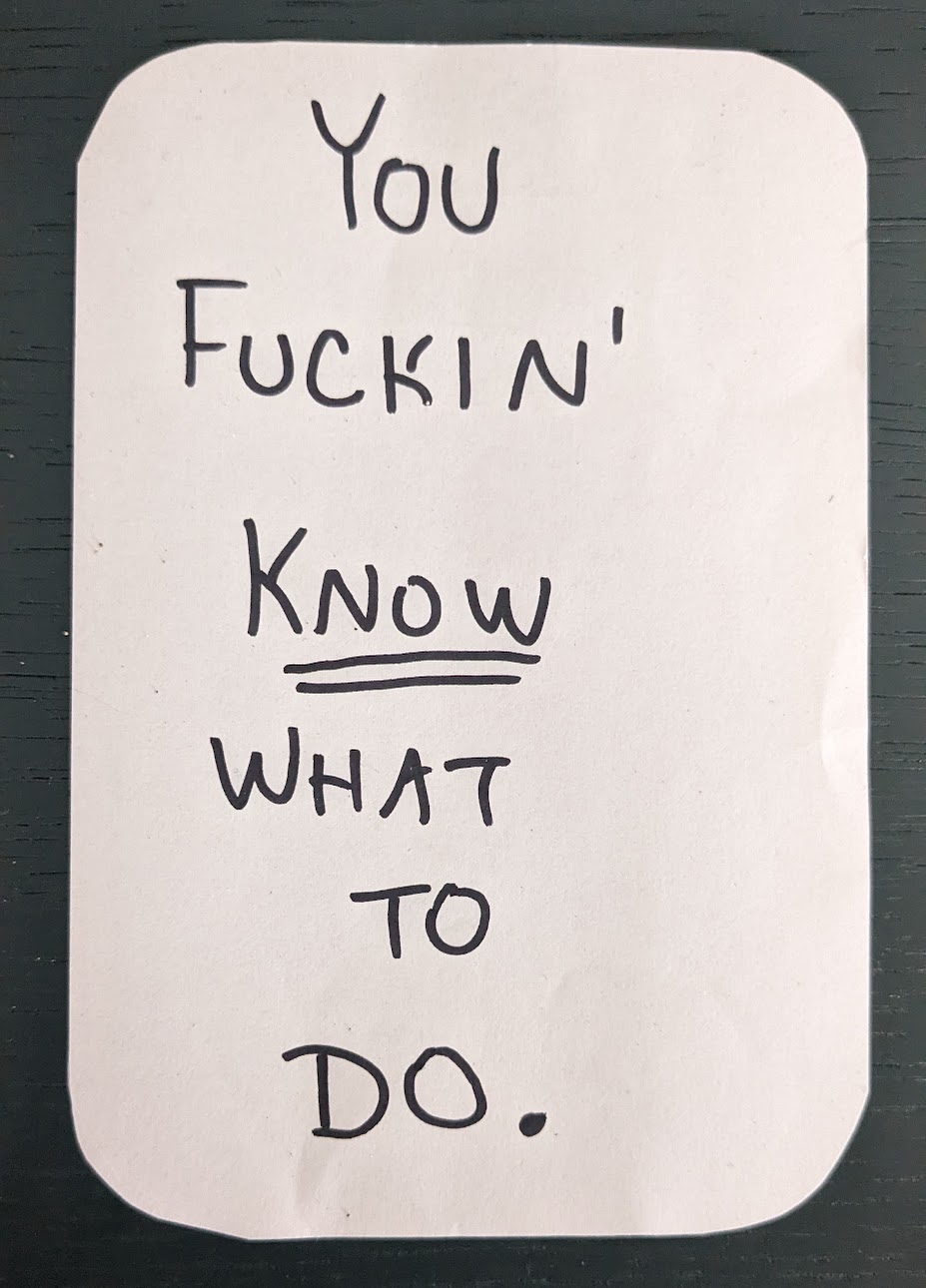
The turning point arrived a few months prior to his public reflection, when he developed a counterintuitive strategy to overcome this self-sabotage: transforming moments of hesitation into immediate triggers for action. Using physical workouts as a prime example, he contrasted his old approach – waiting for "perfect conditions" (nice weather, high energy, pre-set gym) – with his new, more direct method. The former often led to inconsistent efforts and "lackluster fitness."

The new strategy is starkly simple:
"I want to work out today.
I don’t feel like it.
^^^ AHA!! I JUST CAUGHT MYSELF TRYING TO SELF SABOTAGE! ^^^
I am now already putting on my shoes and walking to the gym."
This technique, which involves consciously identifying the moment of internal resistance and immediately countering it with decisive action, effectively bypasses the brain’s tendency to rationalize inaction. Psychologically, this aligns with principles of cognitive restructuring and habit formation, where breaking the pattern of procrastination and creating new, more productive response cues can rewire behavior. It posits that hesitation, rather than being a signal to retreat, can be reinterpreted as a crucial "life coach," guiding one towards necessary challenges. This approach suggests that confronting discomfort directly is often the most effective path to desired outcomes.
The Influence of Extreme Discipline: David Goggins and Beyond
A significant catalyst for this shift was exposure to individuals embodying extreme discipline and resilience. While discussions with "overachiever friends" highlighted different perspectives on busy schedules, the most profound impact came from an interview with David Goggins, a renowned ultra-endurance athlete and former Navy SEAL.
Goggins’ life story, marked by severe childhood trauma and a subsequent relentless pursuit of overcoming physical and psychological barriers, provides an extreme testament to human potential. His achievements include qualifying for Navy SEALs despite multiple failures, completing numerous ultra-marathons (such as running 240 miles over four days), and setting a world record for 4,025 pull-ups in 24 hours. His philosophy centers on the idea that most personal limitations are mental constructs rather than genuine physical or external barriers.
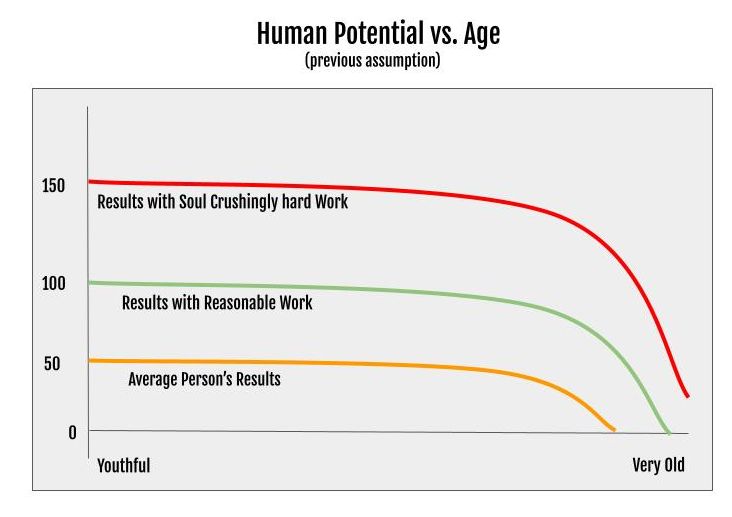
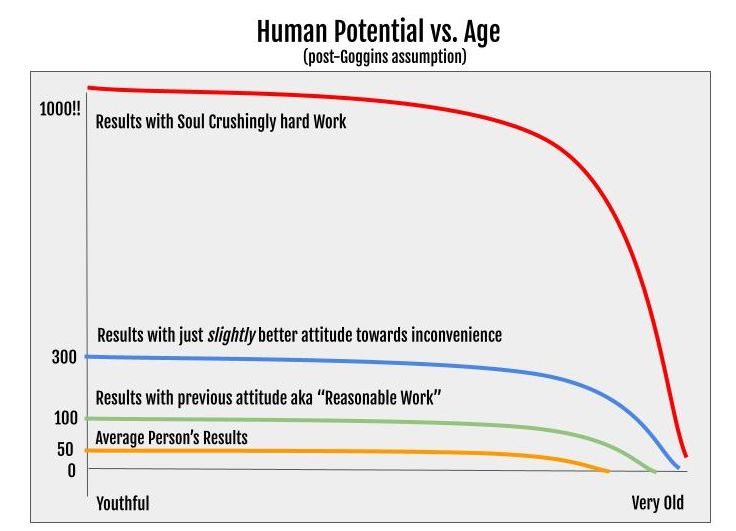
For the early retiree, Goggins’ narrative offered a transformative perspective. While not aspiring to Goggins’ extreme feats, the realization that "pretty much all of our barriers are entirely mental" was deeply empowering. This reframed his understanding of personal limits, shifting from a perceived fixed capacity to a vastly expandable one. This psychological reframing is crucial: instead of viewing life’s challenges as insurmountable walls, he began to see them as malleable boundaries that can be pushed through deliberate effort.
This principle extends beyond Goggins. The early retiree also drew inspiration from other figures advocating for discipline and resilience, such as Peter Attia (author of Outlive) and Jocko Willink (author of Extreme Ownership). These figures, often associated with a "tough love" or "bro science" approach, emphasize personal responsibility, consistent effort, and a proactive mindset. While some critics might question the scientific rigor or perceived "toxic masculinity" of certain aspects of this self-help subculture, the individual selectively absorbed messages that resonated and spurred positive action. This demonstrates the personalized nature of inspiration and the ability to extract valuable lessons irrespective of broader critiques.
Tangible Outcomes and Broader Implications
The adoption of the "hesitation as a trigger" technique, fueled by this renewed inspiration, yielded immediate and measurable results. The individual reported a consistent daily gym routine, leading to a gain of ten pounds of lean muscle mass within four months and a return to the strength and flexibility levels he experienced at age 25. He also increased his running frequency and became more consistent in engaging with his coworking space (MMM-HQ) and, notably, in writing blog posts like the one detailing this transformation. This underscores that purposeful activity, even in a self-directed life, requires active cultivation of discipline.
This personal journey holds broader implications for the understanding of retirement and human motivation:
- Redefining Retirement: It challenges the traditional view of retirement as solely a period of passive leisure. Instead, it advocates for a more active, purposeful, and self-challenging phase of life, where freedom is leveraged for growth rather than inertia.
- The Role of Challenge: It reinforces the psychological need for challenge and meaningful engagement, even when external pressures are removed. Humans often thrive when striving towards goals, and the absence of such striving can lead to stagnation.
- Mindset as a Primary Barrier: The experience highlights the profound impact of mindset on personal achievement. The belief that limitations are primarily mental, rather than physical or external, can unlock significant potential.
- Personalized Motivation: While extreme examples like Goggins can be powerful catalysts, the article implicitly suggests that individuals must find their own "right level" of challenge and inspiration. The key is to identify sources that genuinely motivate personal growth without leading to burnout.
In conclusion, the journey of this early retiree illustrates a critical lesson: true freedom, particularly in the context of financial independence, is not merely the absence of constraint but the active, disciplined pursuit of a self-chosen, challenging, and purposeful life. By recognizing and actively countering the natural human tendency to avoid discomfort, individuals can transform moments of hesitation into powerful catalysts for continuous growth and fulfillment, thereby maximizing the immense potential of a self-directed existence.

