
Recent criticisms alleging that Mr. Money Mustache, the influential figure in the Financial Independence, Retire Early (FIRE) movement, has grown disconnected from the average person’s financial struggles due to his accumulated wealth have prompted a direct response from the blogger. Often accused of having abandoned the very money-saving practices he advocates, Mr. Money Mustache (Pete Adeney) has countered these claims by detailing his current lifestyle, emphasizing that his foundational principles of efficiency, self-sufficiency, and mindful consumption remain deeply embedded in his daily life, not out of necessity, but out of genuine enjoyment and a commitment to a life well-lived.
The Rise of Mustachianism and the FIRE Movement
Pete Adeney, known by his pseudonym Mr. Money Mustache, launched his blog in 2011 after achieving financial independence and retiring from his software engineering career at the age of 30. His philosophy, dubbed "Mustachianism," quickly resonated with a global audience seeking alternatives to conventional consumerism and the traditional 40-year work grind. Unlike mainstream financial advice that often focuses on incremental savings and investment strategies within a consumerist framework, Mustachianism champions a radical re-evaluation of spending habits, promoting a lifestyle built on frugality, self-reliance, and environmental consciousness. The core tenet is that by drastically reducing expenses and investing the difference, individuals can achieve financial independence much faster, often leading to early retirement.
The blog’s early success was predicated on its no-nonsense, often provocative tone, challenging readers to embrace "badassity" in their financial lives. This involved questioning deeply ingrained societal norms around housing, transportation, food, and entertainment. The movement gained significant traction, contributing to the broader FIRE movement, which has since diversified into various sub-categories like "LeanFIRE," "BaristaFIRE," and "FatFIRE."
The Shifting Narrative: Critiques of Affluence
As Mr. Money Mustache’s platform grew and his personal wealth naturally increased over the past decade, a new wave of criticism emerged. Commentators began to suggest that his elevated financial status rendered him out of touch with the struggles of "the common person." The argument posited that it is easier to preach frugality when one is already wealthy, implying that the financial incentives for such practices might diminish, leading to a relaxed adherence to his own teachings. Specific accusations include the notion that he no longer engages in the "money-saving things he preaches," thereby invalidating his advice for those still navigating financial precarity.
This sentiment reflects a common challenge faced by successful public figures in the personal finance space: maintaining credibility and relatability as their own financial circumstances evolve. Critics question whether advice born from a journey to wealth remains applicable after wealth has been achieved, particularly when the initial struggle is no longer a daily reality for the advisor.
A Deep Dive into Enduring Frugal Practices
In response, Adeney has opened a window into his current daily life, asserting that his core habits have remained largely unchanged. He clarifies that his continued adherence to these practices is not a forced discipline but rather a deeply ingrained preference for efficiency, creativity, and self-improvement that enriches his life beyond mere monetary savings. He frames his choices as an evolution of his philosophy: "Cultivate a love of efficiency, creativity, self-awareness, and self-improvement. Use this knowledge to improve your life in all ways, including those which help you live better even as your monthly expense rate drops over time."
He illustrates this with six key areas, providing conservative estimates of their long-term financial impact, often thinking in terms of "savings per decade" using a "rule of 172" (monthly expense multiplied by 172 to estimate compounded savings over ten years, assuming investment).
1. Self-Sufficiency in Home Maintenance and Improvement
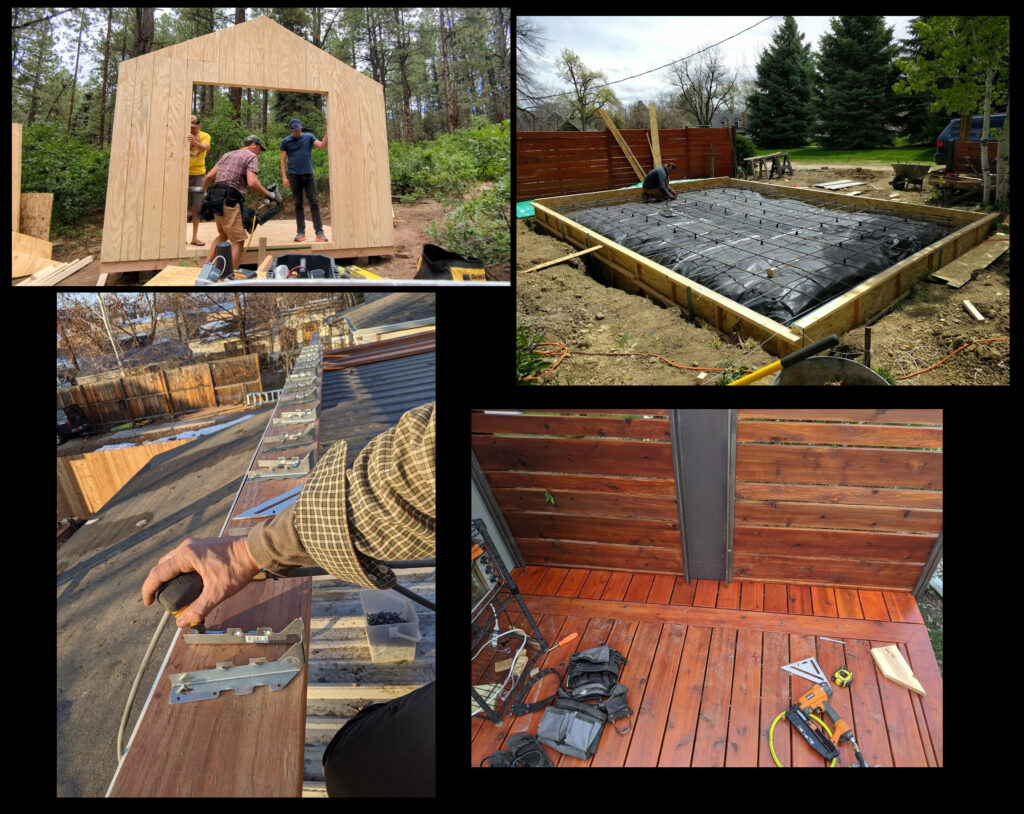
A cornerstone of Mustachianism is self-reliance, particularly in maintaining one’s living space. Adeney champions the development of DIY skills, contrasting it with the prevalent societal reliance on external contractors for nearly every household repair or renovation. He states, "Become a Producer of the Things You Most Enjoy Consuming." This philosophy extends beyond mere cost-cutting; it fosters a sense of empowerment, problem-solving, and practical skill development.
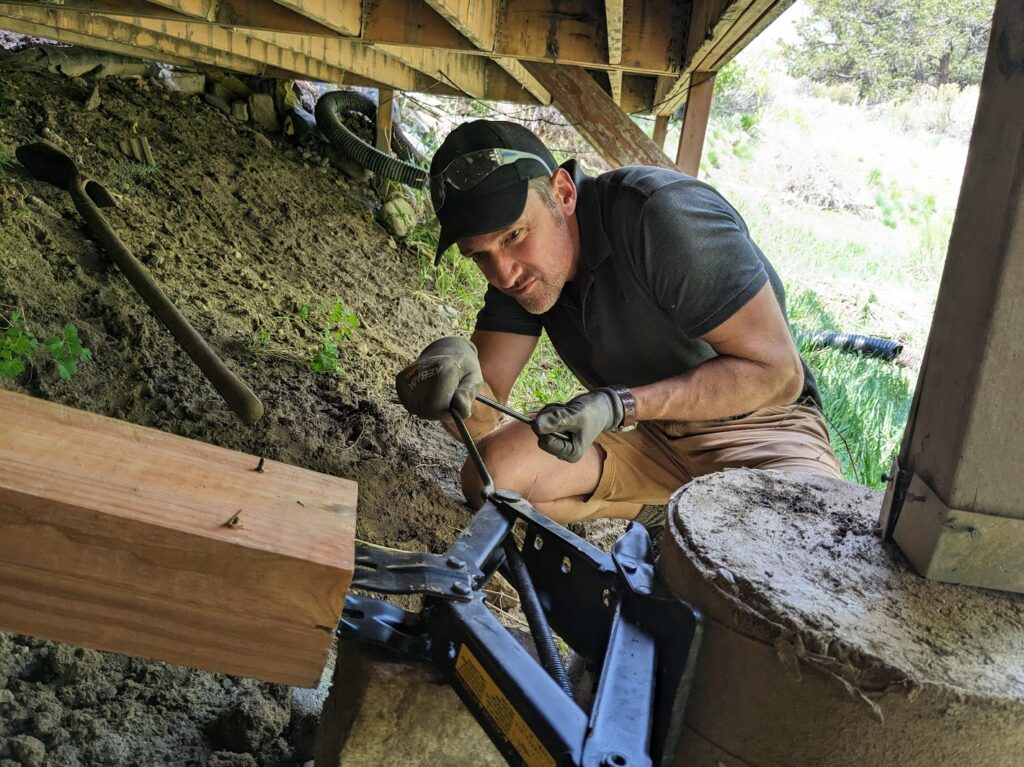
In his own life, this translates to actively engaging in significant construction and renovation projects, not only on his properties but also assisting friends and community members. This includes everything from minor repairs to major structural changes, driven by a genuine enjoyment of the process of transforming and optimizing living spaces. The financial implications are substantial: with the average cost of home repairs and renovations escalating, often ranging from hundreds to tens of thousands of dollars per project, taking on these tasks personally can yield immense savings. For instance, a typical bathroom remodel can cost anywhere from $10,000 to $25,000, and a kitchen remodel even more. Plumbing, electrical, or carpentry work, if outsourced, can incur hourly rates of $75 to $150 or more. By consistently performing these tasks himself, and teaching others, Adeney estimates an average saving of $20,000 per year. Over a decade, this compounds to an estimated $287,000, reflecting not just avoided expenses but also the opportunity cost of investing those savings. This practice also promotes sustainable living by extending the life of existing structures and reducing waste associated with constant replacements.
2. Leveraging Community and Secondhand Markets
While traditional consumerism emphasizes purchasing new goods for convenience, Mustachianism advocates for a circular economy model, prioritizing sharing, repurposing, and buying used items. Adeney argues that while the ability to purchase anything new and have it delivered quickly is a modern convenience, the greater satisfaction comes from engaging with one’s community, reducing waste, and often acquiring higher-quality items through secondhand channels.
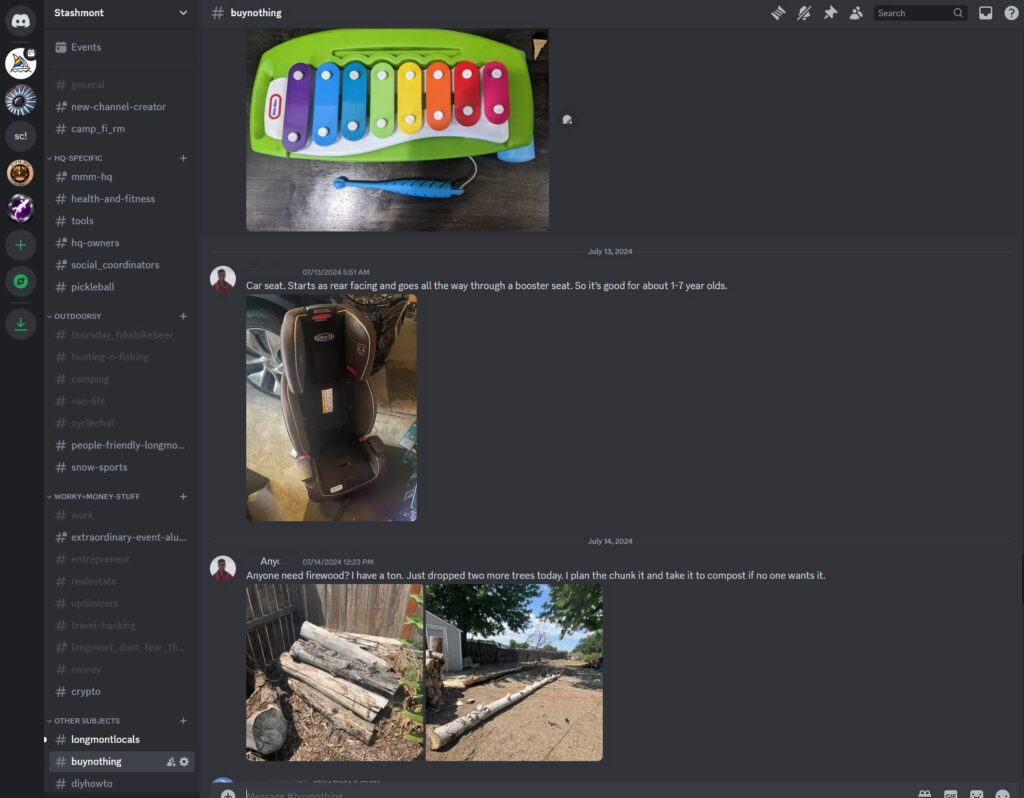
Platforms like Craigslist, Facebook Marketplace, and local "Buy Nothing" groups are central to this approach. Within the MMM-HQ community, a private Discord server facilitates continuous exchange among approximately 200 local members, fostering a vibrant ecosystem of sharing skills, tools, and goods. This not only saves money but also builds social capital and strengthens local bonds. For example, furniture, appliances, tools, and even building materials can often be acquired for free or at significantly reduced prices. The environmental benefits of reducing consumption and extending product lifecycles are also considerable. Even conservative estimates suggest thousands of dollars saved annually through this practice. Adeney’s personal engagement with these platforms results in an estimated saving of $42,000 per decade. This highlights the value of community networks in fostering economic resilience and sustainability.
3. Prioritizing Active Transportation: Bikes over Cars
A hallmark of Mr. Money Mustache’s early teachings was the radical embrace of bicycle transportation. His seminal article, "The True Cost of Commuting," famously broke down the hidden expenses of car ownership, revealing that the actual cost per mile far exceeds just gas, encompassing depreciation, insurance, maintenance, and parking. While conventional wisdom often views cycling as a niche activity, Adeney positions it as a superior mode of transport for local trips, offering not only financial savings but also significant health and environmental benefits.
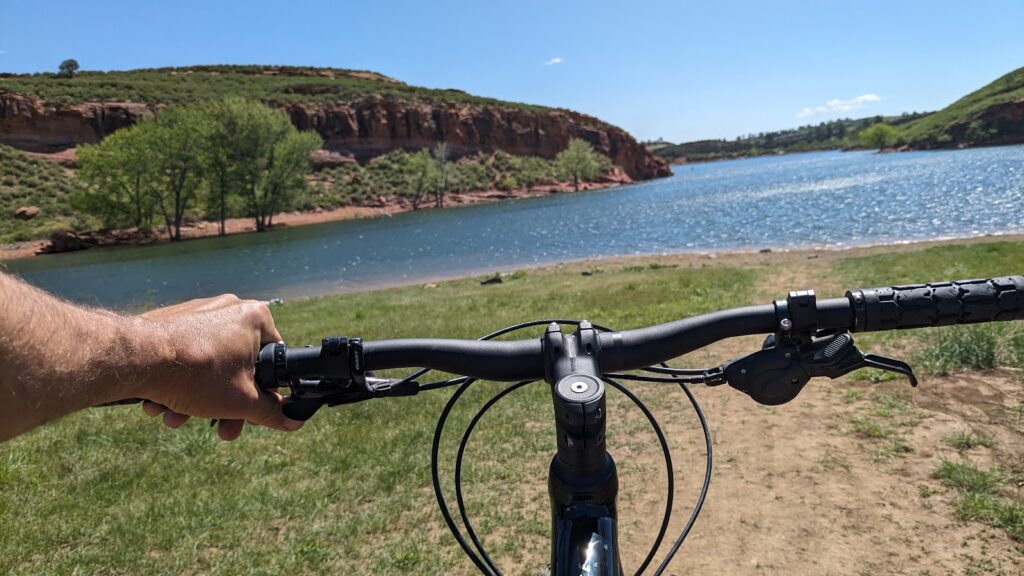
Despite his wealth, Adeney continues to use bikes or walking for at least 95% of his local trips. Living in a small, centrally located city facilitates this choice, resulting in approximately 2,000 miles of active transportation annually. While this might seem modest, the cumulative savings from avoiding car-related expenses are still substantial. The average cost of owning and operating a new vehicle in the U.S. reached $12,182 per year in 2023, according to AAA. Even partial avoidance of these costs, combined with reduced maintenance and fuel, translates to considerable savings. Adeney estimates this choice alone saves him $14,000 per decade. Beyond the direct financial benefits, active transportation contributes to reduced carbon emissions, decreased traffic congestion, and improved urban air quality, aligning with broader sustainability goals.
4. Embracing Physicality: Muscle over Motor
In an increasingly sedentary world, Mr. Money Mustache actively promotes the integration of physical activity into daily life, deliberately choosing manual effort over mechanized convenience. This philosophy, "Muscle over Motor," involves making conscious decisions like taking stairs instead of elevators, walking or running a golf course instead of using a cart, moving personal belongings instead of hiring movers, and performing yard work manually rather than with power tools.
This approach is driven by a simple question: "Do you want MORE health and fitness, or LESS?" The answer, for Adeney, is unequivocally "more." This commitment to incidental exercise counters the rising trend of lifestyle diseases associated with inactivity and directly contributes to long-term health and well-being. While difficult to quantify precisely, the health benefits translate into significant financial savings by reducing healthcare expenditures. The U.S. averages approximately $13,000 per person annually on healthcare. By maintaining robust health through consistent physical activity, Adeney reports minimal lifetime costs due to illness or medication, coupled with increased energy and productivity. Conservatively estimating $10,000 in annual savings and benefits from avoided medical costs and enhanced productivity, this translates to a remarkable $140,000 per decade. This emphasizes the profound connection between lifestyle choices, health, and financial prosperity.
5. Sustainable Home Management: The "Glamping Retreat" Model

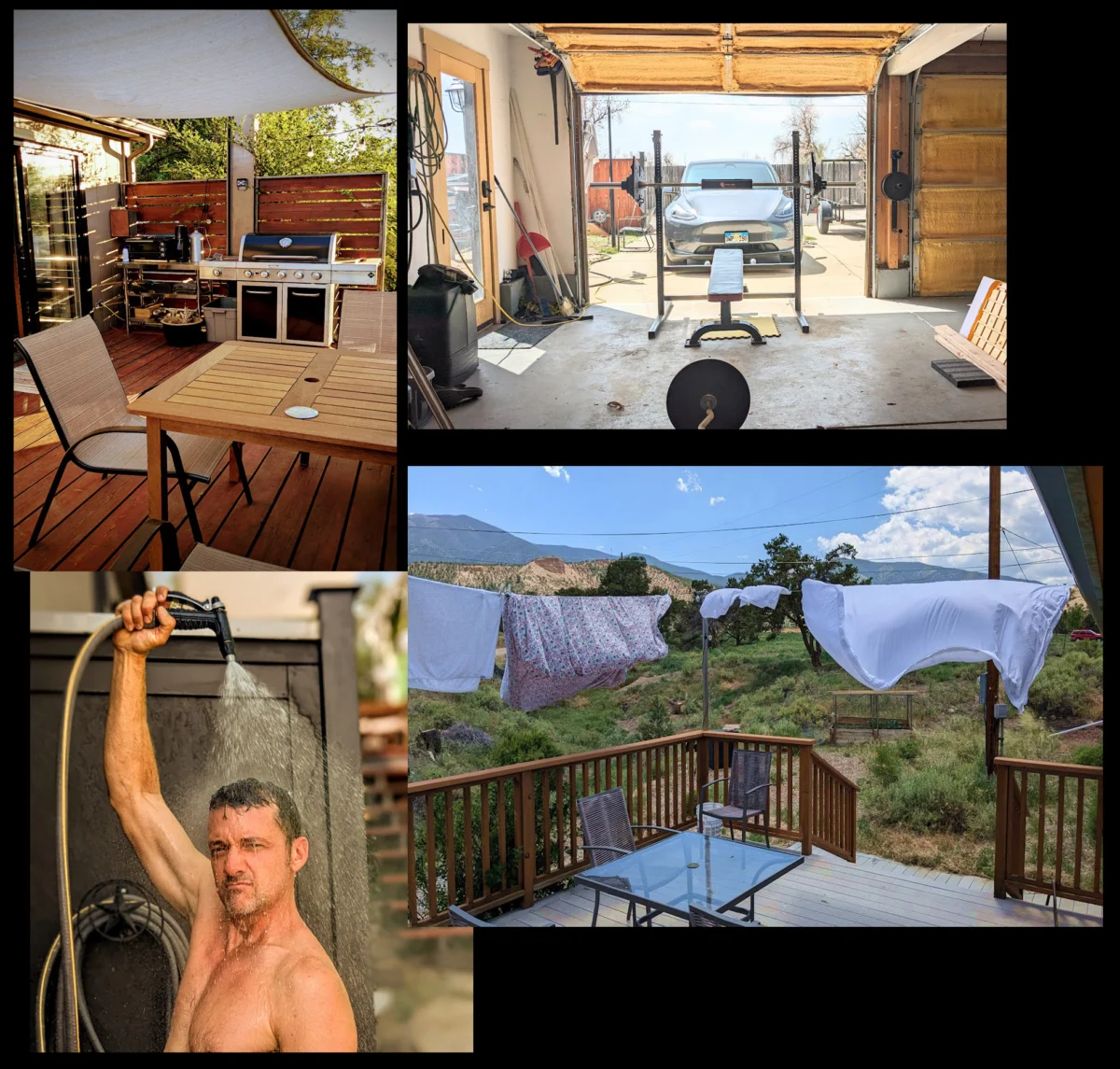
Perhaps the most idiosyncratic of his practices, Adeney describes running his home like a "glamping retreat," an approach that merges engineering, carpentry, artistic sensibility, and scientific experimentation. This involves a continuous process of home improvement focused on extreme energy efficiency and a harmonious relationship with the natural environment. His personality, a blend of engineer, carpenter, hippie, and mad scientist, fuels a constant stream of projects aimed at optimizing his living space.
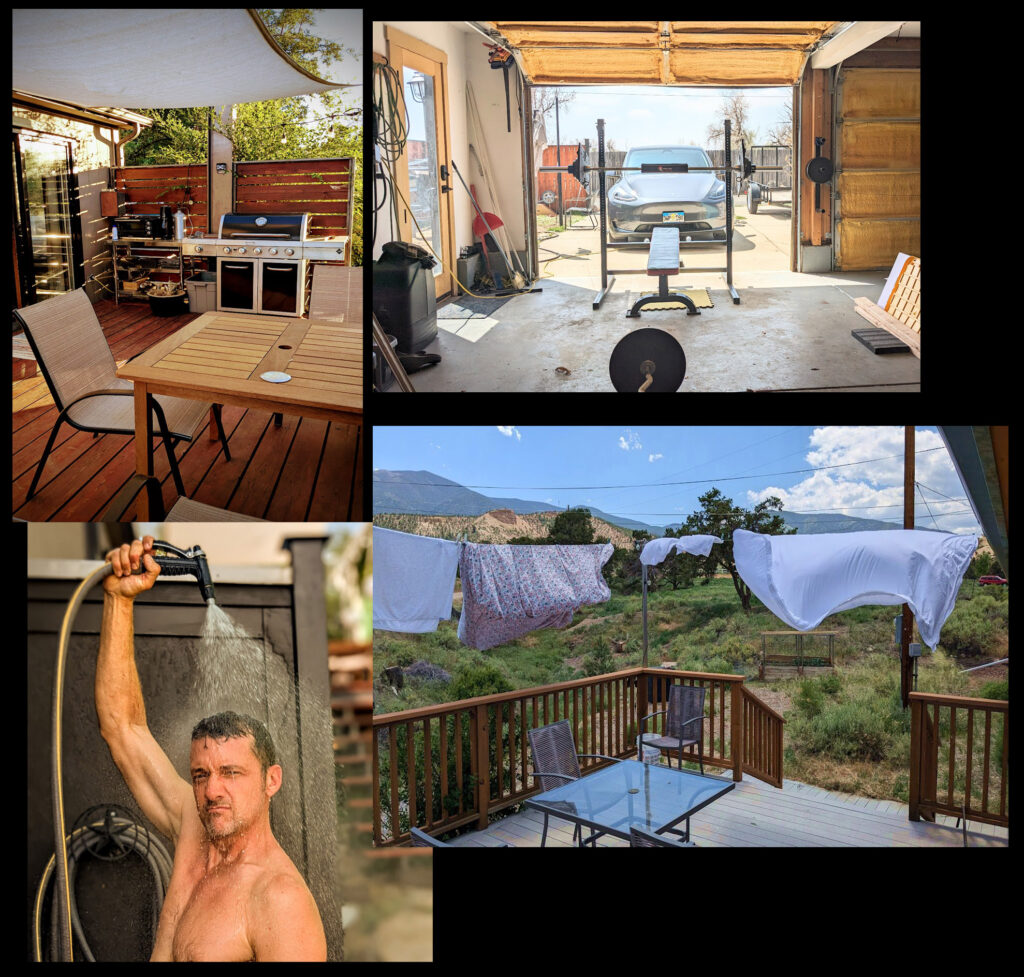
Examples include installing large sliding doors and windows on the south side of his house for passive solar heating in winter, and implementing smaller, seasonal adjustments:
- Outdoor cooking: Reducing indoor heat generation and enjoying the elements.
- Outdoor showering: Conserving indoor hot water and embracing nature.
- Clotheslines: Eliminating dryer energy consumption.
- Open windows: Natural ventilation instead of air conditioning.
- Wood stove use: Supplemental, renewable heating.
- Outdoor gyms: Utilizing natural surroundings for fitness.
- Smart thermostat usage: Precise temperature control and energy optimization.
While some might view these practices as demanding, Adeney finds deep satisfaction in them, considering his home an "Energy Efficiency Playground." The financial savings, though not as dramatic as some other categories, are still significant. The average combined gas and electric bill in his area is about $250 per month, while his usage is around $75. This translates to an annual saving of $2,100, accumulating to approximately $30,000 per decade. This category uniquely highlights that true frugality can be a source of joy and creative expression, transforming mundane household tasks into fulfilling projects.
6. Embracing Local Living Over Constant Travel
In a society that often equates leisure with extensive travel, Mr. Money Mustache advocates for a balanced approach that values "local living." While acknowledging the benefits of broadening horizons through travel, he highlights the often-overlooked joys and advantages of spending quality time at home and engaging with one’s local community. He observes that many individuals, caught in a cycle of elaborate travel plans, often express a desire for more time at home.
His "secret" is to frequently decline travel invitations and instead embrace local activities and community engagement. The benefits are multifaceted:
- Enhanced family time: More spontaneous and relaxed interactions.
- Stronger local friendships: Deepening community ties.
- Home maintenance and enjoyment: Time for personal projects and savoring one’s space.
- Reduced stress: Avoiding the logistics and pressures of constant travel.
- Lower environmental footprint: Minimizing carbon emissions from transportation and tourism.
Financially, replacing just two weeks of family travel with equivalent time at home can yield substantial savings. A family of four’s two-week vacation can easily cost $5,000 to $10,000 or more, factoring in flights, accommodation, food, and activities. By substituting this with local activities, community engagement, and home-based enjoyment, Adeney estimates direct cost savings of $5,000 per year, plus an additional $5,000 in incidental benefits like improved health and stronger local relationships. This totals an estimated $143,000 per decade. While he recognizes travel’s value, his perspective encourages discernment, prioritizing truly enriching experiences and appreciating the profound value of one’s immediate environment.
Cumulative Impact and Broader Implications

Cumulatively, these six practices alone represent a staggering potential wealth increase of approximately $656,000 every decade. This figure, Adeney notes, surpasses the median wealth of many American seniors entering retirement after over 40 years of work. His experience demonstrates that these simple, enjoyable habits have directly contributed to a significant portion of his recent wealth growth, proving their enduring efficacy regardless of one’s starting financial position.
The Mustachian philosophy, as articulated by Adeney, transcends mere financial advice. It is a holistic approach to life that prioritizes:
- Sustainability: Reducing consumption, waste, and environmental impact.
- Self-reliance: Developing practical skills and reducing dependence on external services.
- Community building: Fostering local connections and mutual support.
- Health and well-being: Integrating physical activity and mindful living.
- Intentional living: Making conscious choices that align with personal values rather than societal pressures.
This approach offers a powerful counter-narrative to the prevailing consumerist culture, suggesting that true wealth and happiness are not necessarily found in accumulation but in efficiency, ingenuity, and meaningful engagement with one’s environment and community. The sustained application of these principles, even after achieving financial independence, underscores their inherent value as a lifestyle choice rather than a temporary means to an end.
As the FIRE movement continues to evolve, Mr. Money Mustache’s reaffirmation of his core tenets serves as a crucial reminder that financial independence is not just about accumulating a nest egg; it is about cultivating a lifestyle that is inherently resilient, joyful, and sustainable, regardless of one’s current net worth. The enduring appeal of Mustachianism lies in its promise that a fulfilling life can be built on principles of efficiency and conscious living, offering a path to prosperity that is accessible and enriching for anyone willing to embrace "badassity" in their daily choices.

