
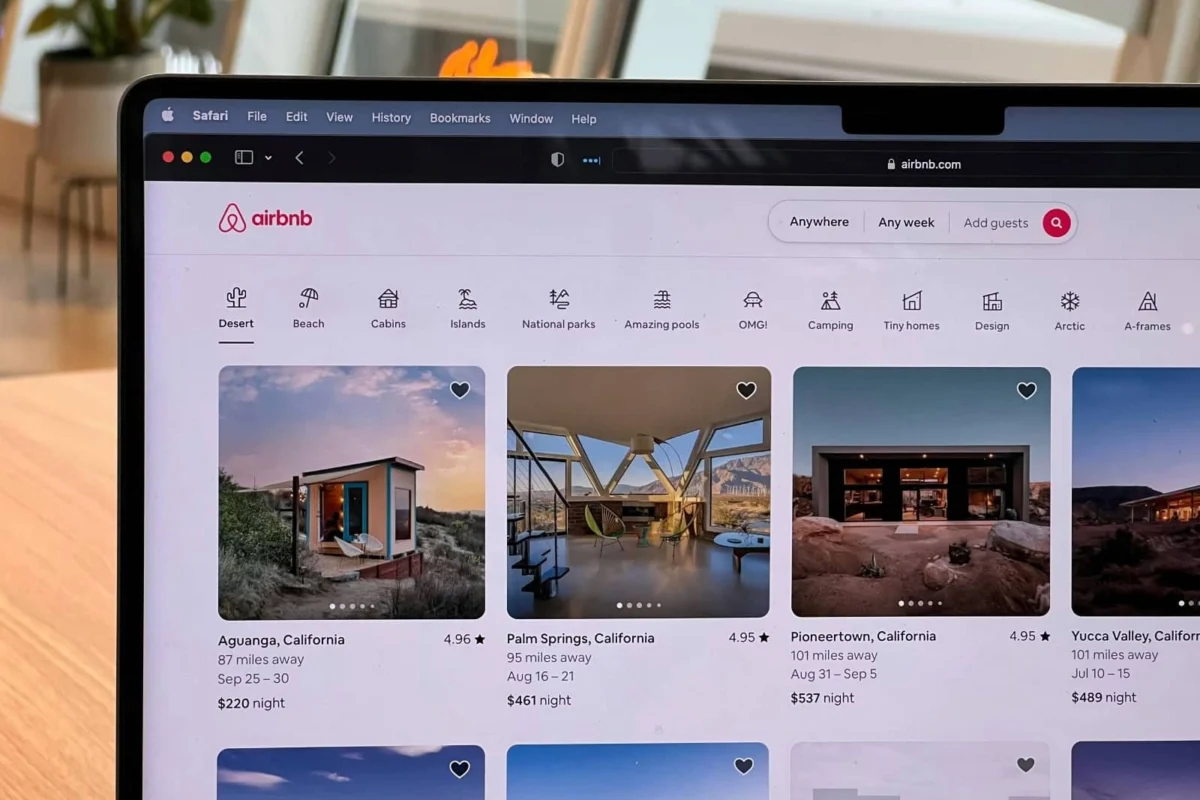
When Airbnb CEO Brian Chesky unveiled the company’s Summer 2026 lineup, the immediate media focus gravitated towards the platform’s ambitious expansions into car rentals, boutique hotel partnerships, and grocery delivery services. These consumer-facing initiatives, while significant, represent only one facet of the company’s strategic evolution. Beneath the surface of these headline-grabbing announcements lies a more profound, albeit less publicized, transformation: the integration of four sophisticated AI features poised to fundamentally alter how properties secure bookings and how hosts and property managers approach their online presence. This quiet revolution, powered by artificial intelligence, is set to become the true determinant of success in the competitive short-term rental market.
The genesis of this AI-driven shift can be traced back to years of Airbnb’s commitment to accumulating granular data on user behavior and property attributes. The platform has meticulously built a comprehensive profile of guest preferences, travel motivations, and the specific details that influence booking decisions. This vast dataset, combined with advancements in AI and machine learning, has enabled Airbnb to move beyond a one-size-fits-all approach to property listings. The Summer 2026 release marks the operationalization of this strategy, empowering the platform to personalize the guest experience at an unprecedented, listing-specific level.
This paradigm shift means that the content a potential guest encounters on a property page is no longer static. Instead, it dynamically adapts based on Airbnb’s understanding of that individual traveler. The highlighted photos, the featured reviews, and even the specific reasons presented to encourage a booking will now vary from one visitor to the next, even for the identical property. This granular personalization, driven by AI, redefines the very concept of "optimizing a listing," moving the focus from generic improvements to hyper-targeted content presentation.
The Four Pillars of Airbnb’s AI Transformation
At the core of this AI integration are four key features that hosts and property managers must understand to navigate the evolving booking landscape:
Feature 01: Personalized Listing Highlights
Airbnb’s AI now intelligently curates and emphasizes different aspects of a property listing based on a guest’s inferred trip purpose and known preferences. For a family traveling with children, the AI might prominently display features such as an extra bedroom, a child-friendly backyard, or nearby playgrounds. Conversely, for a digital nomad seeking a remote work setup, the AI would prioritize showcasing high-speed Wi-Fi, a dedicated workspace, and proximity to co-working spaces or quiet cafes. This feature operates by drawing from the existing content of a listing, serving a tailored emphasis rather than requiring hosts to create multiple versions of their description.
The implication for hosts is clear: every attribute of a property, no matter how minor it may seem, now has the potential to be a critical booking factor for a specific guest segment. Incomplete amenity lists, vague descriptions, or overlooked details can now create significant "blind spots" in how a property is perceived, potentially leading to lost bookings. The era of superficial listing content is over; depth and specificity are now paramount.
Feature 02: AI-Curated Review Highlights
With over a billion reviews accumulated on its platform, Airbnb is leveraging AI to extract maximum value from guest feedback. The new system intelligently surfaces specific reviews, and even particular phrases within those reviews, that directly address a prospective guest’s likely interests and concerns. This is a significant departure from generic review summaries. It represents a targeted application of social proof, organized around a property’s strongest attributes and dynamically tailored for each visitor.
This feature elevates the importance of review quality and depth. Properties with sparse or generic reviews, particularly concerning key amenities or aspects of the stay, will be at a disadvantage. They won’t just receive lower ratings; they may become effectively "invisible" on dimensions that matter most to certain guests. Proactive reputation management and encouraging detailed, attribute-specific feedback are no longer optional but essential strategies.
Feature 03: "Ask About the Home": AI-Powered Content Retrieval
A groundbreaking addition is the "Ask About the Home" feature, which allows guests to pose natural-language questions about a property. Airbnb’s AI then scours the listing’s reviews, photos, and map data to provide an accurate answer. Questions like "Is there a hiking trail nearby?" or "Does the backyard offer ample shade?" or "Is the kitchen well-equipped for a group cooking session?" can now be answered directly within the platform.
This innovation streamlines the guest inquiry process, eliminating the need for guests to leave the Airbnb platform to search for information on external sites like Google Maps. However, its effectiveness hinges entirely on the completeness and quality of the host’s content. If the relevant photo or review doesn’t exist within the listing, the AI cannot answer the question, potentially leading to unfulfilled inquiries and a lost booking opportunity. This underscores the need for comprehensive visual and textual documentation of every aspect of the property.
Feature 04: AI-Generated Listing Comparisons
When guests save multiple properties to a wishlist, they will now receive AI-generated comparisons. Unlike static amenity tables, these comparisons offer a personalized narrative, highlighting key differences and benefits relevant to that specific traveler’s profile. The AI constructs a compelling case for each property based on its unique strengths, identified review themes, and the AI’s understanding of the guest’s priorities.
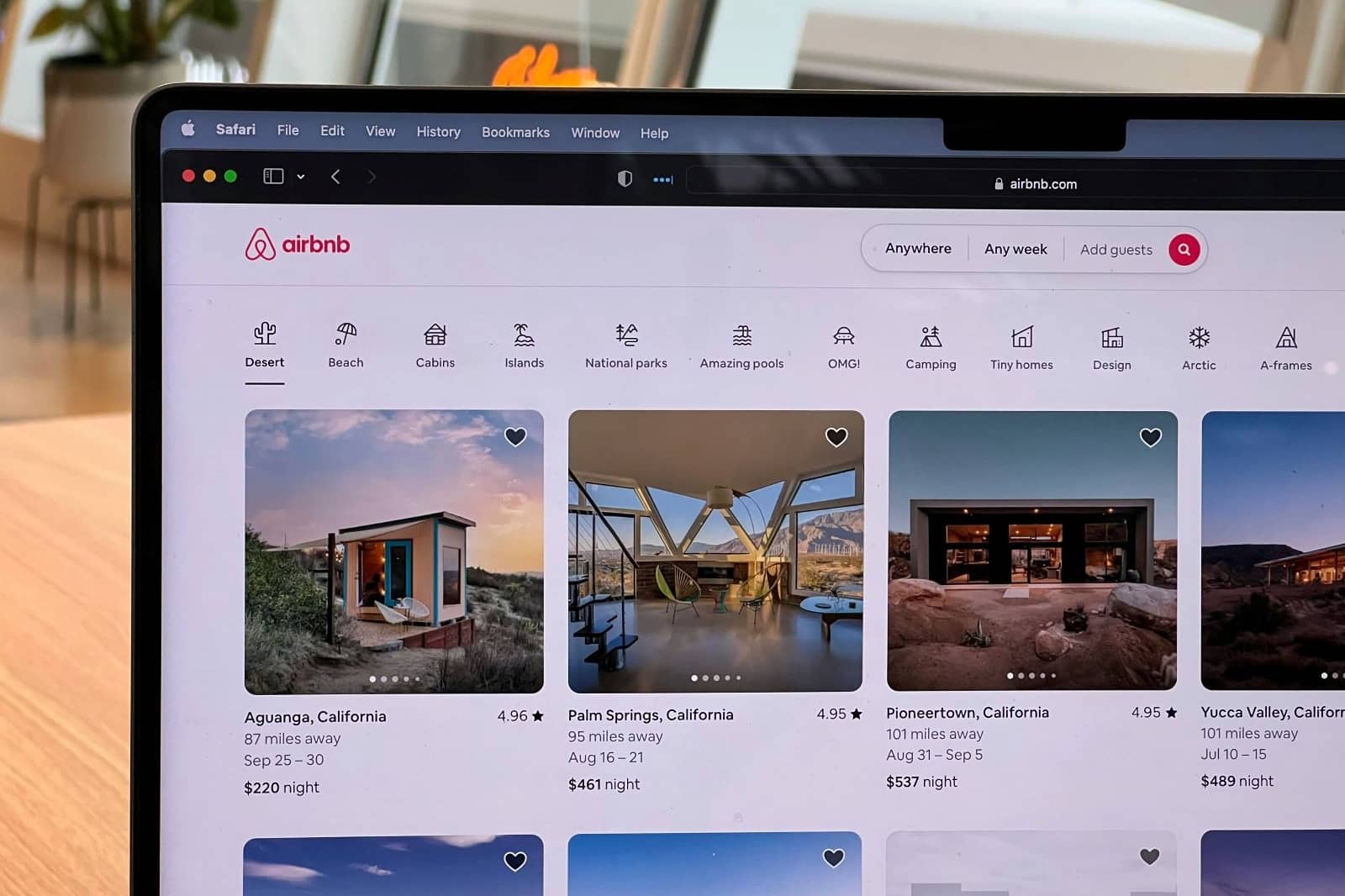
This feature shifts competition beyond simple price and star ratings. Hosts are now competing on their ability to have Airbnb’s AI advocate for their listing. Properties with richer, more detailed, and well-structured data are inherently better positioned to win these AI-driven comparative arguments. The AI becomes a virtual sales agent, and its effectiveness is directly proportional to the quality of information it has to work with.
Strategic Implications for Hosts and Property Managers
The strategic implications of these AI-powered features are profound and require a recalibration of how hosts and property managers approach their operations. The underlying message from Airbnb is unambiguous: passive listings are destined to lose. Properties that actively provide the AI with a wealth of detailed, accurate, and engaging information will be the ones that capture bookings in this new environment.
For individual hosts, this means viewing their listing description, photo captions, amenity details, and even their house manual as critical components of their AI training data. Vague or generic content will yield vague results. Conversely, specific, rich, and multi-dimensional content is more likely to be surfaced to the right guests at the opportune moment.
Property managers, in particular, need to re-evaluate their review strategy. The focus must shift from simply accumulating positive star ratings to actively encouraging detailed reviews that highlight specific attributes of the property. Reviews that mention the reliable Wi-Fi, the tranquility of the neighborhood, or the proximity to popular attractions are now valuable, indexable content. Post-checkout guest communication should be designed to elicit these granular details, transforming reviews from mere testimonials into actionable data points for the AI.
Furthermore, the approach to photography is undergoing a significant transformation. Beyond aesthetic appeal, photos must now be functionally informative. Images that visually answer common guest questions—demonstrating the workspace setup, showcasing the backyard ambiance, or clearly illustrating parking arrangements—are becoming essential. The AI’s ability to reference these images in real-time responses to guest queries makes them indispensable assets.
The Broader Context: A Data-Driven Ecosystem
Airbnb’s Summer 2026 release is not merely a collection of new features; it represents the culmination of a long-term strategy initiated by Brian Chesky to build the most comprehensive data profile in the travel industry. By meticulously collecting data on guests, properties, and booking patterns, Airbnb has reached a critical mass that enables personalization at a scale previously unimaginable for individual operators.
The good news for hosts who have invested in detailed and honest listings is that the data advantage Airbnb is building is largely derived from their own contributions. Properties with rich, detailed descriptions and high-quality imagery are now sitting on a significant competitive asset. Conversely, those who treated their listings as a perfunctory task may find themselves at a disadvantage.
This moment calls for a thorough audit of all listing content, not just for visual appeal but for depth and specificity. Hosts should critically assess:
- What key attributes have not been adequately described?
- What common guest questions could be answered more effectively with existing photos, or require new ones?
- What review themes are currently underrepresented, and how can they be addressed?
The booking algorithm has become significantly more sophisticated, and listing content must evolve to match its capabilities.
Conclusion: The Algorithm as the Sales Engine
Airbnb has fundamentally personalized the booking process. The platform now leverages a property’s reviews, photos, and descriptive data to construct a real-time, compelling case for or against a booking in the eyes of every potential guest. Hosts and property managers who treat their listing content as a strategic asset, providing the AI with rich and detailed information, are poised to secure more bookings. Those who fail to adapt will find their properties becoming increasingly invisible, not due to inferior quality, but due to a lack of robust data.
The AI is now actively engaged in the selling process. It is imperative for hosts and property managers to ensure they have equipped this powerful engine with sufficient, high-quality fuel. As Airbnb’s platform continues its trajectory towards sophisticated personalization, the bar for competitive visibility is rising. Understanding and optimizing listing content in alignment with these AI-driven features is no longer a matter of preference but a necessity for sustained success in the short-term rental market. The future of bookings hinges on the quality and depth of the data presented to Airbnb’s intelligent algorithms.

