
As the United States gears up for another presidential election, the economic landscape has become a central battleground for political discourse, often characterized by starkly contrasting narratives. Despite official data indicating a remarkably resilient and strong economy, public perception, heavily influenced by political rhetoric, frequently diverges from this reality. This divergence highlights a critical challenge in an era of heightened political polarization and widespread misinformation: how to foster an informed electorate capable of distinguishing economic facts from emotionally charged claims.
The Current Economic Landscape and Public Perception Disparity
The U.S. economy currently presents a picture of notable strength, particularly evidenced by historically low unemployment rates and sustained growth. As of recent reports, the national unemployment rate hovers around levels not seen in decades, frequently dipping below 4%, a benchmark often associated with full employment. Gross Domestic Product (GDP) has continued to expand, signaling a resilient productive capacity. Furthermore, the trajectory of inflation, a significant concern post-pandemic, has largely moderated, returning closer to the Federal Reserve’s target range.
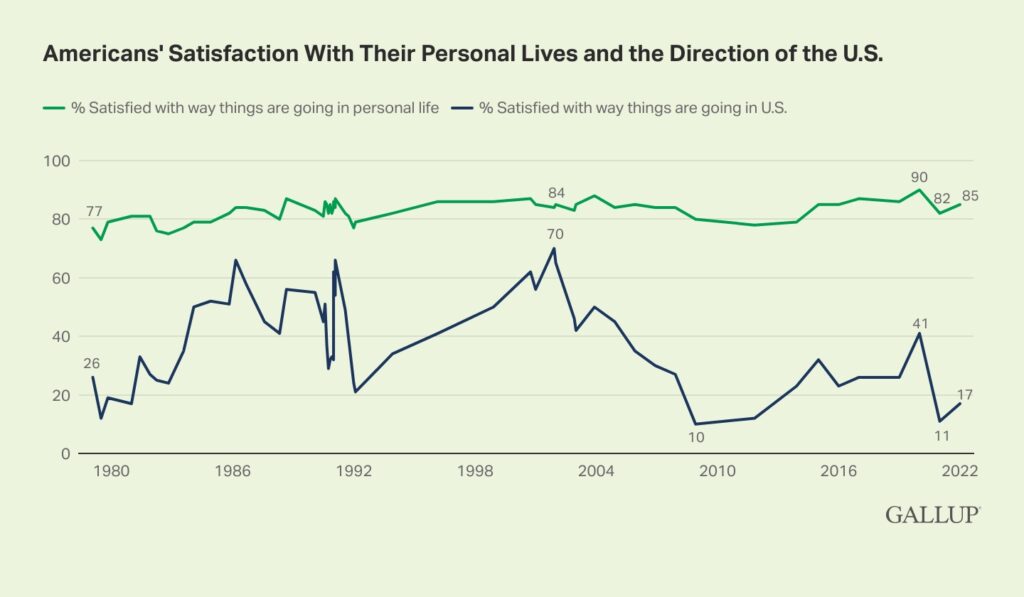
However, this robust economic performance stands in stark contrast to prevailing public sentiment. Polling data, such as a recent Gallup survey, reveals a curious paradox: while a significant majority of Americans (reportedly around 85%) express satisfaction with their personal financial situations, only a small fraction (as low as 17%) believes the national economy is performing well. This disconnect suggests that individual experiences of prosperity are often isolated from, or even overshadowed by, broader negative economic narratives propagated in the public sphere. Such a mathematical incongruity—where most individuals are thriving yet collectively perceive a struggling economy—underscores the powerful influence of political messaging and the potential for misinformation to shape collective understanding, particularly in a contentious election year featuring candidates like Vice President Kamala Harris and former President Donald Trump.
Background Context and Chronology: The Roots of Economic Debate
Understanding the current economic debate requires a brief retrospective on the recent past, particularly the profound shocks and subsequent recovery from the COVID-19 pandemic.

Pre-Pandemic Stability (2010s): Following the Great Recession, the U.S. economy experienced a prolonged period of steady growth, characterized by declining unemployment and relatively stable inflation. This era set a baseline of gradual recovery and expansion.
COVID-19 Economic Shock and Response (2020-2021): The arrival of COVID-19 in early 2020 triggered an unprecedented economic shutdown. Businesses closed, supply chains fractured, and unemployment surged to historic highs. In response, the U.S. government implemented massive fiscal stimulus packages, including the CARES Act and subsequent relief measures, injecting trillions of dollars into the economy to support individuals and businesses. Concurrently, the Federal Reserve adopted an aggressively accommodative monetary policy, slashing interest rates to near zero and engaging in large-scale asset purchases (quantitative easing) to ensure liquidity and stimulate demand. These coordinated efforts averted a deeper depression but laid the groundwork for future challenges.
The Inflationary Period (2021-2022): As economies reopened, a surge in demand, fueled by accumulated savings and government stimulus, collided with constrained supply chains still recovering from pandemic disruptions. Geopolitical events, such as the conflict in Ukraine, further exacerbated price pressures, particularly in energy and food markets. This confluence of factors led to a rapid acceleration of inflation, reaching multi-decade highs. In response, the Federal Reserve pivoted sharply, initiating a series of aggressive interest rate hikes starting in early 2022, marking one of the fastest monetary tightening cycles in history. The goal was to cool demand and bring inflation back to its 2% target, even at the risk of an economic slowdown.
Current Economic Stabilization (2023-2024): The Fed’s actions, combined with the gradual healing of supply chains, have largely succeeded in moderating inflation. The Consumer Price Index (CPI), which peaked above 9% year-over-year in mid-2022, has steadily declined to levels closer to 2.4-3.5% (depending on the specific metric and month), signaling a significant disinflationary trend. Despite fears of a recession, the labor market has remained remarkably robust, with continued job growth and low unemployment. Consumer spending has also demonstrated resilience, contributing to sustained, albeit moderated, GDP growth. This period marks a complex but largely successful navigation of post-pandemic economic challenges, yet it remains a point of intense political contention.
Supporting Data: Deconstructing Key Economic Metrics
To accurately assess the U.S. economy, it’s crucial to examine key indicators beyond political soundbites:
-
Unemployment Rate: The U.S. unemployment rate (U-3) has consistently remained below 4% for an extended period, a level not seen consistently since the late 1960s. For instance, in early 2024, it hovered around 3.8%. The broader U-6 unemployment rate, which includes discouraged workers and those working part-time for economic reasons, has also declined significantly, indicating a tight labor market where job opportunities are plentiful. This strong employment picture is a fundamental sign of economic health.
-
GDP Growth: After a robust rebound from the pandemic, U.S. GDP growth has continued to show resilience. While growth rates fluctuate quarterly, the economy has largely avoided a recession despite aggressive monetary tightening. For example, Q3 2023 saw a significant annualized growth rate, followed by more moderate but still positive growth into 2024, defying many economists’ predictions of a downturn.
-
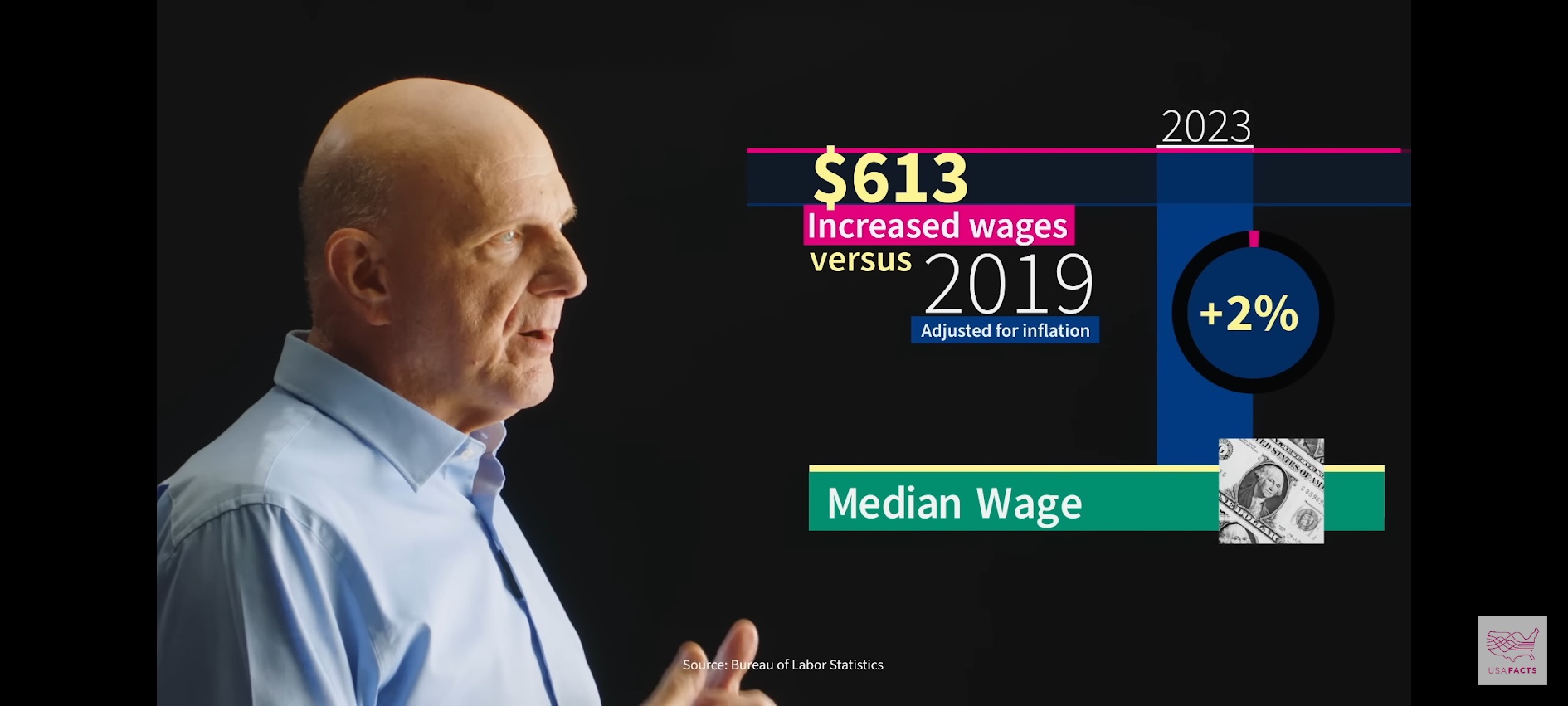
Inflation vs. Wages: The peak inflation rates of 2021-2022 were indeed challenging. However, recent data demonstrates a critical trend: real wages have begun to outpace inflation. Since 2019, aggregate wages have reportedly risen by approximately 21%, while overall prices have increased by about 19%. This means that, on average, American workers have seen their purchasing power increase over this period, even after accounting for inflation. This phenomenon is often masked by nominal price increases, leading to a perception that "everything is more expensive" without acknowledging the corresponding increase in earnings. The Federal Reserve’s preferred measure, the Personal Consumption Expenditures (PCE) price index, has also shown consistent declines towards its 2% target.
-
Interest Rates: The Federal Reserve’s tightening cycle saw the federal funds rate rise from near zero to a range of 5.25%-5.50% by mid-2023. This increase directly impacts borrowing costs for consumers and businesses. Mortgage rates for a 30-year fixed loan, for instance, climbed from historically low levels of 3-4% to above 7% at their peak, making housing less affordable. Similarly, rates on credit cards and auto loans increased. While higher borrowing costs are a consequence of the Fed’s anti-inflationary stance, they are a deliberate tool to cool an overheating economy, not a direct presidential policy.
-
Housing Market Dynamics: The housing market has experienced significant volatility. Median home prices surged during the pandemic, fueled by low interest rates and high demand, with national averages seeing double-digit percentage increases annually. While interest rate hikes have somewhat cooled demand, prices have remained elevated, partly due to persistent supply shortages. Rent prices also soared, contributing to cost-of-living pressures. This situation represents a complex interplay of demand, supply, and financing costs, largely independent of presidential decrees.
-
Gasoline Prices: Gasoline prices are a frequent flashpoint in political debates. However, when adjusted for inflation, the average price of a gallon of gasoline in the U.S. has remained remarkably consistent over decades, typically fluctuating between $3 and $4 in today’s dollars. Furthermore, gasoline consumption accounts for a relatively small portion of the average American household’s disposable income, often around 2.5%. The broader cost of vehicle ownership (depreciation, insurance, maintenance) far outweighs fuel costs. The ongoing transition to electric vehicles (EVs) further diminishes the economic relevance of gasoline prices for a growing segment of the population, offering significant operational savings and environmental benefits.
Official Responses and Economic Principles: Separating Fact from Fiction
Political rhetoric often simplifies complex economic realities, leading to common misconceptions. A journalistic approach demands clarifying these points.
-
The President’s Limited Control Over the Economy: The U.S. economy is a vast, decentralized, and globally integrated system, far too immense and free-market-oriented for any single president to exert direct, immediate control. While a president influences fiscal policy (e.g., budget proposals, tax policies, infrastructure spending) and appoints key regulatory officials, these actions often have delayed and indirect effects. The economy’s cycles of boom and bust are primarily driven by market forces, global events, technological innovation, and collective human behavior (like "irrational exuberance" followed by fear), not by executive fiat. To attribute all economic successes or failures directly to the sitting president oversimplifies a multifaceted reality.
-
The Federal Reserve’s Independent Role in Interest Rates: A cornerstone of modern economic stability is the independence of the central bank. In the U.S., the Federal Reserve sets monetary policy, primarily controlling the federal funds rate, to achieve its dual mandate of maximum employment and price stability. This independence shields monetary policy from short-term political pressures, allowing the Fed to make difficult decisions that may be unpopular but necessary for long-term economic health. Attempts by political leaders to bully or control the Fed, as observed in some past administrations, threaten this crucial independence and could lead to destabilizing monetary policy, as historical examples from countries like Argentina demonstrate.
-
Inflation: Beyond Simple Blame: The narrative that inflation is solely the fault of "greedy corporations" seeking to hoard profits often lacks empirical support. While businesses adjust prices in response to costs and demand, competitive markets generally prevent widespread, sustained "greedflation." As a deep analysis from NPR indicated, sectors like grocery retail, often targeted by such claims, have not seen abnormal profit windfalls during recent inflationary periods. Inflation is a complex phenomenon driven by a confluence of supply-side disruptions, demand-side pressures (including fiscal and monetary policy), and global commodity price fluctuations. Moreover, the political promise to "bring prices back down" is economically problematic; deflation can be far more damaging than moderate inflation, signaling weak demand and potentially leading to recession. The goal is price stability, not a reversal to past nominal prices.
-
Housing Policy: The Supply-Side Imperative: The core issue driving high housing costs is a fundamental imbalance between supply and demand. Decades of restrictive zoning laws (e.g., single-family exclusive zoning), slow and expensive permitting processes, and onerous building codes have artificially constrained the supply of new housing, particularly in desirable urban and suburban areas. Political proposals that focus solely on demand-side subsidies (e.g., first-time homebuyer grants, interest rate reductions) can exacerbate the problem by injecting more buying power into a constrained market, further bidding up prices. The genuine solution lies in aggressive supply-side reforms: streamlining permitting, eliminating restrictive zoning, easing setback requirements, and reducing the power of "Not In My Backyard" (NIMBY) opposition to new development. These measures could significantly reduce construction costs and increase housing availability.
-
Gasoline Prices: A Diminishing Concern: The political obsession with gasoline prices often ignores economic realities and technological progress. As noted, inflation-adjusted gas prices are stable over the long term. More importantly, the rapid advancement and adoption of electric vehicles are making gasoline an increasingly anachronistic concern. With new EVs often costing less than comparable internal combustion engine vehicles over their lifetime due to lower fuel and maintenance costs, and used EVs becoming increasingly affordable, the economic argument for remaining dependent on gasoline is weakening. Focusing political debate on gasoline prices in an era of abundant, superior alternatives is akin to debating the price of rotary phones or typewriters.
Broader Impact and Implications: The Dangers of Economic Misinformation
The constant barrage of economic misinformation during election cycles carries significant risks for democratic societies.
-
Erosion of Public Trust: When political narratives consistently contradict verifiable facts, it fosters cynicism and erodes public trust in institutions, including government, media, and even statistical agencies. This distrust can make it harder to address genuine economic challenges through evidence-based policy.
-
Suboptimal Policy Choices: Policymakers, pressured by a misinformed electorate, may pursue politically expedient but economically unsound policies. For example, intervening to artificially lower interest rates or "rollback" prices could lead to runaway inflation or market distortions, ultimately harming the very citizens they claim to help.
-
Impact on Individual Financial Decisions: A distorted understanding of the economy can lead individuals to make poor financial decisions. Believing the economy is "bad" despite personal prosperity might lead to excessive caution, missed investment opportunities, or unnecessary anxiety. Conversely, unrealistic expectations fostered by political promises can lead to unsustainable spending.
-
The Importance of Personal Agency and Data-Driven Discourse: In this environment, the concept of focusing on one’s "circle of control" becomes paramount. Individuals can empower themselves by prioritizing personal financial literacy, developing valuable skills, making prudent spending and saving choices, and investing wisely, rather than becoming consumed by political debates over factors largely beyond their influence.
To counter the tide of misinformation, initiatives like Steve Ballmer’s USA Facts, which aim to present objective data without political spin, are crucial. Such platforms underscore the need for a data-driven approach to public discourse, enabling citizens to make informed decisions based on verifiable information rather than emotional appeals or partisan rhetoric. Ultimately, fostering an informed electorate requires a commitment from both leaders and citizens to seek out and understand economic realities, rather than succumbing to narratives designed solely for electoral gain.

