
A significant debate is unfolding within the Financial Independence, Retire Early (FIRE) movement, as contemporary economic realities, particularly soaring housing costs and fluctuating interest rates, challenge the conventional wisdom once popularized by early pioneers. A recent critique highlighted the perceived disconnect between the experiences of early FIRE adopters—often high-earning tech professionals who acquired homes at historically low prices—and the struggles faced by a new generation of aspirants contending with a drastically different market. This sentiment underscores a broader discussion about the adaptability and inclusivity of FIRE principles in a post-2019 world.
The Genesis and Core Tenets of the FIRE Movement
The FIRE movement, gaining widespread traction in the early 21st century, advocates for aggressive savings and investments to achieve financial independence at an early age, thereby making traditional retirement at 65 optional. Its core tenets revolve around maximizing savings rates, minimizing expenses, and investing the surplus in low-cost index funds. Proponents often emphasize frugality, often termed "Mustachianism" after one of its most prominent figures, Mr. Money Mustache (MMM). Early success stories frequently featured individuals in high-paying sectors like technology, who leveraged substantial incomes and a favorable economic climate to accumulate wealth rapidly. Key strategies included "house hacking" (renting out portions of one’s primary residence) and purchasing "fixer-uppers" to build equity, often in markets where home prices were considerably lower than today.
A New Critique Emerges: The Post-Pandemic Divide

The prevailing economic environment has prompted a re-evaluation of these foundational strategies. A recent comment by a reader on Mr. Money Mustache’s blog encapsulates a growing concern: "While I still find some of MMM’s advice relevant, it seems like every FI blogger out there worked in tech 20 years ago, pulled down a 6 figure salary and bought a house for a bag of potatoes before 2019." The reader articulated a feeling of exclusion, noting that advice like "house hack" or "buy a fixer upper" appears "out of reach and/or complex to navigate with current prices and interest rates," especially for those without six-figure salaries or existing homeownership. This critique suggests that the demographic profile of early FIRE successes might inadvertently create a barrier for new entrants, leading to a perception that the movement’s principles are less applicable to today’s economic landscape.
Historical Resilience: FIRE’s Adaptability Through Economic Cycles
It is important to contextualize the current challenges within the historical trajectory of the FIRE movement. Financial independence advocates have faced and adapted to various economic headwinds over the past two decades. The dot-com bubble burst in the early 2000s, the Great Recession of 2008-2009, and periods of market volatility have all tested the resolve and strategies of the FIRE community. Each downturn prompted discussions about the robustness of investment portfolios, the sustainability of withdrawal rates, and the psychological fortitude required to stay the course. The movement has consistently demonstrated an ability to evolve, often by reinforcing its core principles of disciplined saving and prudent spending, rather than abandoning them. This resilience suggests that while specific tactics may need adjustment, the underlying philosophy of intentional financial management remains potent.
Income Disparities and the Role of High Salaries
One of the central points of the critique revolves around income levels. While it is true that many prominent FIRE success stories involve individuals who earned high salaries, particularly in tech, Mr. Money Mustache and other advocates often emphasize that high income alone is insufficient for financial independence. "I have seen first hand that most people can waste almost any amount of income and still have very little to show for it," he noted, citing the existence of high-earning professionals like software engineers and doctors who still experience financial stress despite decades of substantial earnings.
This observation underscores a fundamental tenet of Mustachianism: the critical role of the savings rate over absolute income. While a higher income can accelerate the path to FIRE, it is the conscious decision to minimize waste and optimize spending that truly drives progress. The movement’s focus on "streamlining your spending and live joyfully and efficiently without compromise" and "reducing waste" is presented as universally applicable, regardless of one’s position on the income ladder. For those with lower incomes, these skills become even more indispensable, highlighting the movement’s potential broader appeal beyond the high-earning elite.
The Housing Market Conundrum: A Data-Driven Analysis
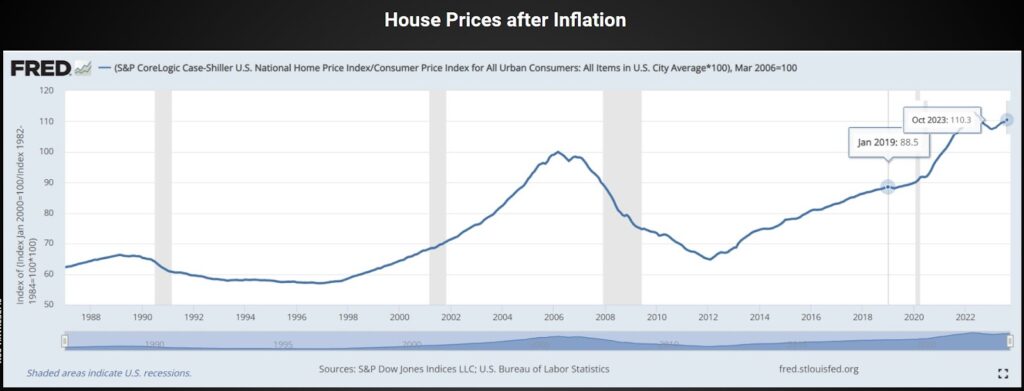
The most significant point of contention for many aspiring FIRE enthusiasts is the state of the housing market. Since 2019, the United States has witnessed unprecedented shifts in real estate. Data from the St. Louis Federal Reserve, for instance, illustrates a substantial increase in inflation-adjusted house prices. Relative to the average salary and the cost of other goods, houses now "feel" approximately 25% more expensive than they did at the beginning of 2019. This surge is also reflected in the S&P CoreLogic Case-Shiller Home Price Index, which showed consistent year-over-year gains, particularly through the pandemic years.
Further complicating the picture are interest rates. Following a period of historically low rates that fueled a buying frenzy, the Federal Reserve began a series of aggressive rate hikes in 2022 to combat inflation. This has led to a significant increase in mortgage rates, making homeownership considerably more expensive even for those who can afford the higher sticker prices. For example, a 30-year fixed-rate mortgage, which might have hovered around 3% in late 2020/early 2021, has since risen to over 7% at various points in 2023-2024, effectively doubling the interest paid over the life of a loan and drastically increasing monthly payments.
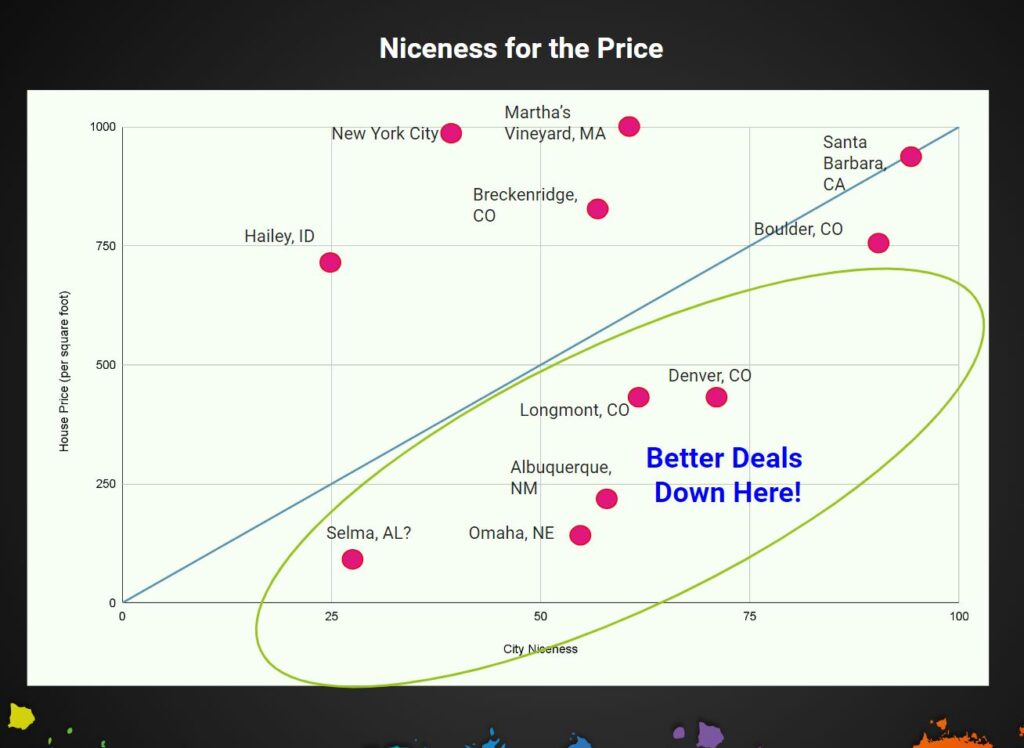
While the nationwide average indicates a 25% increase since 2019, regional variations are stark. In some popular cities and desirable suburban areas, price appreciation has been far more dramatic. Longmont, Colorado, for instance, a city highlighted in the discussion, now boasts a median home price of $540,000, roughly triple its value in 2011. This means houses in such locales have outpaced average salary growth significantly, pushing homeownership further out of reach for many residents, particularly first-time buyers.
Geographic Arbitrage: A Strategic Relocation
Faced with these daunting housing market conditions, FIRE advocates propose a strategic shift in perspective: viewing housing as a product subject to supply and demand, rather than an immovable fixture tied to one’s birthplace. The concept of "geographic arbitrage" comes to the forefront, encouraging individuals to consider relocation to areas where housing and overall living costs are more aligned with their financial goals.
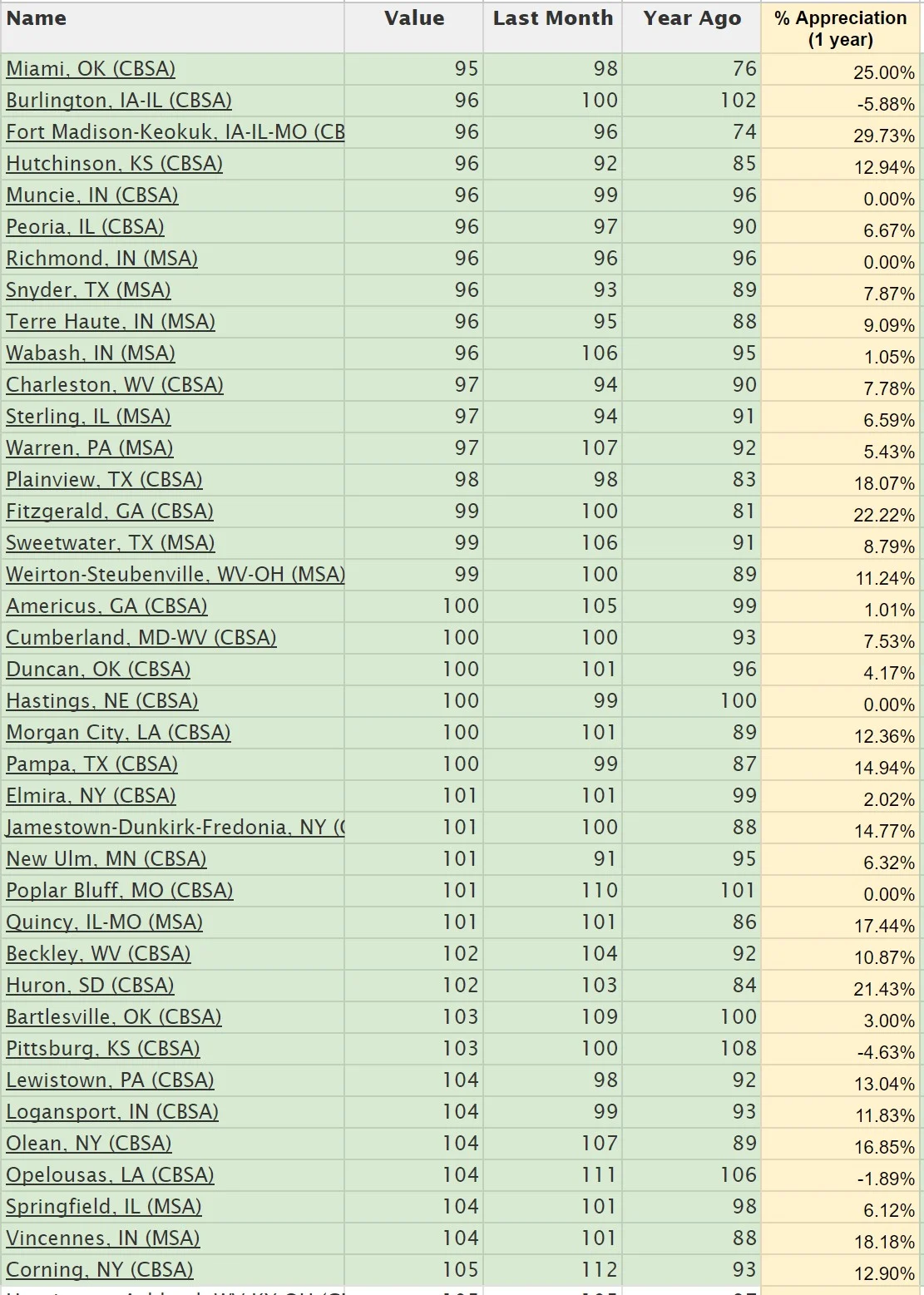
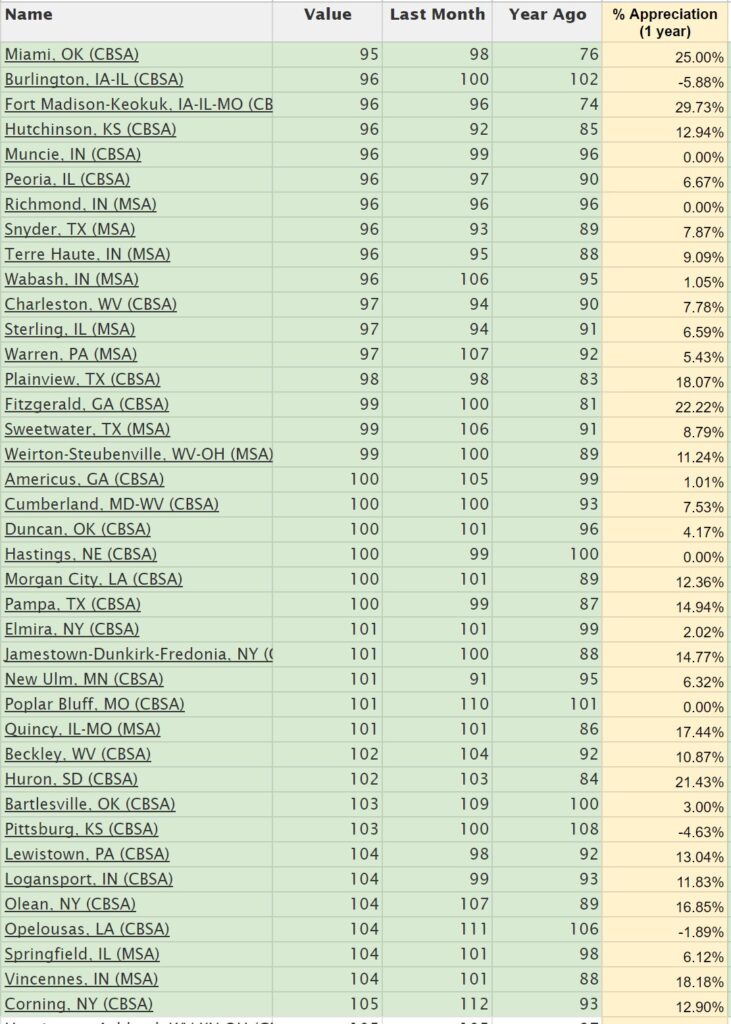
This strategy involves a deliberate series of choices, beginning with a thorough analysis of current financial capabilities against local market realities. If local housing costs are prohibitive, the next step is to explore alternatives, including renting, house hacking, or, crucially, moving to a more affordable city or even country. The St. Louis Fed’s data on metro areas, which lists price per square foot, becomes an invaluable tool for this exploration. For example, while a city like Longmont, Colorado, may command $450 per square foot, other desirable locations might offer homes at $100 per square foot, making a 2,000-square-foot house a $200,000 proposition rather than a $900,000 one. This stark difference highlights the immense potential savings through strategic relocation.
The emotional ties to one’s current location are acknowledged as a significant hurdle. However, FIRE philosophy challenges individuals to differentiate between genuine, positive bonds and mere "fear of change." The argument is made that an irrational adherence to a high-cost area can be more detrimental in the long run than the effort required to relocate. The national pattern of highly disparate house prices—ridiculously high in some places, surprisingly affordable in others—creates a unique opportunity for those willing to embrace change.
Exploring Opportunities Beyond Borders: International FIRE
The concept of geographic arbitrage extends beyond national boundaries. Platforms like "The Earth Awaits," created by FIRE bloggers, allow users to input detailed preferences for climate, budget, family size, and housing type, generating lists of potentially affordable cities worldwide. A search for a two-bedroom apartment outside a city center in North America, with a monthly budget up to $6,000 and January lows not colder than 10F, might reveal cities like Fayetteville, Arkansas; Columbia, Missouri; or Athens, Georgia, as viable options with populations ranging from 50,000 to 200,000—a preferred size for many. Similarly, expanding the search to South America could highlight cities like Cuenca, Ecuador; Medellín, Colombia; or Santiago, Chile, offering significantly lower costs of living while maintaining a high quality of life.
While moving internationally presents additional complexities—such as navigating citizenship, visa requirements, local laws, traditions, and the logistics of maintaining connections with one’s home country—these challenges are framed as "Adulting Puzzles" rather than insurmountable obstacles. The argument posits that the long-term benefits of a dramatically reduced cost of living and an enhanced lifestyle far outweigh the initial effort of paperwork and adaptation. The personal experience of moving internationally, even at a young age, is cited as evidence that these processes are manageable for those committed to the goal.
Implications for the Future of FIRE
The current dialogue within the FIRE community signifies a critical juncture. It is not a dismissal of the movement’s core principles but rather an adaptation to evolving economic realities. The emphasis shifts from simply accumulating wealth to strategically managing resources within a dynamic global landscape. For aspiring FIRE practitioners, this means:
- Enhanced Financial Literacy: A deeper understanding of macroeconomic factors like inflation, interest rates, and regional economic trends becomes paramount.
- Flexibility and Adaptability: The willingness to consider relocation, both domestically and internationally, will be a significant determinant of success for many.
- Focus on Value: The "Mustachian" ethos of maximizing value and minimizing waste across all spending categories, especially housing, gains renewed importance.
- Community-Driven Solutions: The open sharing of data, experiences, and successful strategies for identifying affordable and desirable locations will be crucial for the movement’s continued relevance.
In conclusion, the challenge posed by contemporary housing markets and economic conditions is less about rendering FIRE obsolete and more about refining its application. By embracing data-driven decision-making, cultivating a flexible mindset, and leveraging the collective wisdom of the community, the next generation of FIRE enthusiasts can continue to pursue financial independence, albeit perhaps on a different map than their predecessors. The choice of where and how one lives remains a powerful lever in the pursuit of a happy and financially free life, requiring thoughtful effort and an open mind.

