
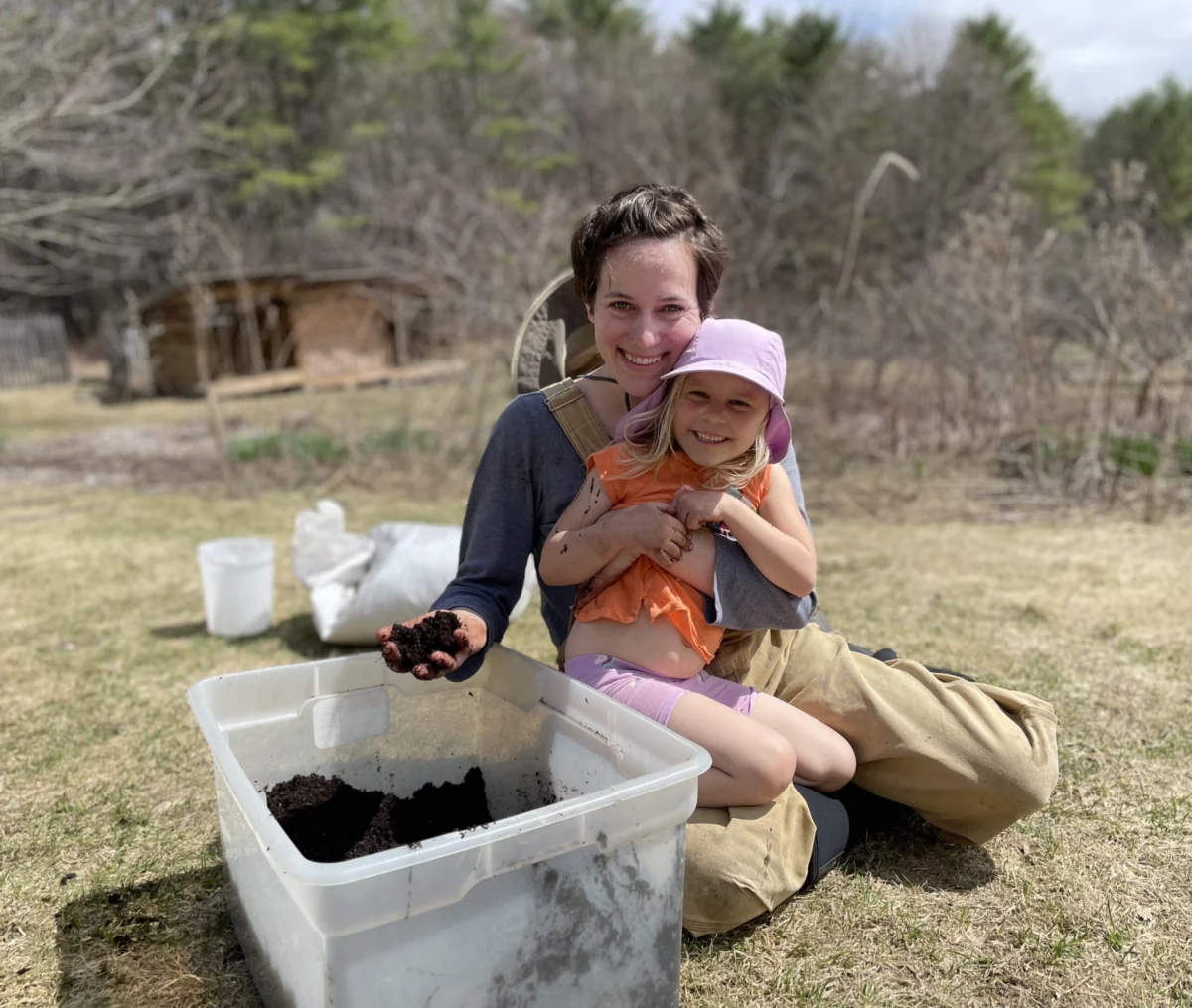
The transition from urban centers to rural homesteads has become a prominent demographic trend over the last decade, driven by a desire for sustainability, autonomy, and a departure from the traditional "rat race." Among those who documented this transition extensively are the founders of Frugalwoods, who relocated to a 66-acre property in rural Vermont in May 2016. Seven years into the experiment, the operational realities of the homestead have necessitated a significant shift in strategy, particularly regarding the initial goal of total food self-sufficiency. This retrospective analysis examines the logistical, economic, and psychological challenges of maintaining a large-scale garden and orchard, providing a data-driven look at the gap between homesteading theory and practice.
The Genesis of the Vermont Homestead Project
In May 2016, the Frugalwoods family moved to their 66-acre estate with a comprehensive set of assumptions regarding rural life. Chief among these was the "gargantuan assumption" that they would produce 100% of their own food. The initial vision involved an organic, free-range paradise where vegetables, fruits, and potentially livestock—including chickens, pigs, goats, and dairy cows—would provide for all nutritional needs. This model of subsistence farming is often romanticized in popular culture, yet it requires an infrastructure and labor commitment that rivals full-time professional agriculture.
The property, characterized by dense woods and typical Vermont terrain, required significant upfront investment in infrastructure. Over the first several years, the owners focused on land management, building raised beds, and establishing perennial food sources. However, as the project matured, the logistical reality of the "harvest season" began to conflict with the primary goal of the move: achieving a slower, more intentional pace of life.
Chronology of the Agricultural Experiment
The evolution of the Frugalwoods garden can be divided into three distinct phases: the Infrastructure Phase (2016–2017), the Peak Production Crisis (2018–2019), and the Hybrid Integration Phase (2020–present).
2016–2017: Infrastructure and Idealism
During the first 24 months, efforts were focused on establishing the "Big Vegetable Garden," a fenced-in area designed to protect annual crops from local wildlife. The installation of cattle panels for trellising tomatoes and snap peas represented a significant labor investment intended to streamline future harvests. Simultaneously, perennial crops, including apple trees, blueberry bushes, and plum trees, were planted. Data suggests that perennial fruits often require a "ramp-up" period; for instance, apple trees typically require six years to reach fruiting maturity, while blueberry bushes require at least two years.

2018: The Kale and Chard Apocalypse
The year 2018 served as a pivotal case study in the limitations of small-scale food preservation. The homestead successfully grew 80 kale and chard plants from seed. While the yield was agriculturally successful, the labor required to harvest, wash, blanch, and freeze the crop was overwhelming. The process involved using a toddler-sized plastic pool and multiple giant tubs as rinsing stations.
The labor metrics for this single harvest were staggering. The processing of one crop took several days of full-time labor, involving multiple adults. Despite the successful preservation of the greens, the family was unable to consume the inventory before it expired. This event highlighted a critical flaw in the self-sufficiency model: without professional-grade processing facilities and a dedicated labor force, high-yield harvests often lead to significant food waste rather than long-term food security.

2020–Present: The Shift to Hybrid Production
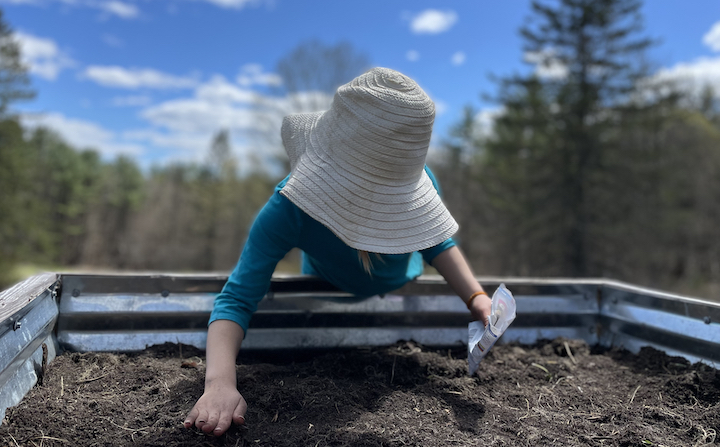
In 2020, the homestead added four raised beds near the primary residence to prioritize "high-use" items like strawberries, herbs, and salad greens. This marked a move away from "bulk subsistence" toward "convenience gardening." By 2023, the strategy had shifted to growing "a little bit of this and a tidbit of that," acknowledging that the time-bound pressures of a garden can be as demanding as a corporate desk job.
Supporting Data: The Challenges of Rural Food Production
The transition from total self-sufficiency to a hybrid model is supported by several environmental and logistical factors common to the New England region.

Wildlife Interference and the "Clever Varmint Patrol"
One of the most significant hurdles to fruit production on the 66-acre property is the local wildlife, referred to by the owners as the "Clever Varmint Patrol" (CVP). Despite the use of fences and netting, wildlife frequently consumes the entirety of the plum and cherry harvests the moment they reach peak ripeness. In one notable incident, a flock of wild turkeys entered the fenced blueberry patch and became trapped, requiring manual intervention to herd them out. The cost-benefit analysis of building more robust, predator-proof enclosures often reveals that the capital expenditure exceeds the market value of the fruit produced over a ten-year period.
Climate Volatility
Vermont’s growing season is notoriously short and subject to extreme weather fluctuations. The Frugalwoods homestead has reported crop failures or underproduction due to:

- Late spring frosts that kill blossoms on fruit trees.
- Excessive rainfall leading to rot or fungal diseases.
- Periods of drought requiring intensive manual irrigation.
- Early autumn frosts that truncate the ripening period for pumpkins and gourds.
The Labor-Preservation Paradox
Food preservation is a secondary full-time job that begins exactly when the labor-intensive harvest ends. For a family to survive on home-grown food through a Vermont winter, they must preserve hundreds of quarts of produce. The Frugalwoods experience suggests that for non-professional farmers, the "preservation debt"—the amount of food harvested versus the amount of time available to process it—often leads to burnout.
Economic and Social Implications
The decision to scale back food production has broader implications for the "homesteading" identity. The owners noted that they initially felt "guilt" for not living up to the idealized image of the perfect homesteader. However, a pragmatic analysis of their goals revealed that "chaining myself to my vegetable garden is really no different than chaining myself to my desk and computer."

Integration with the Local Agricultural Economy
A significant outcome of the seven-year experiment is the shift toward supporting local professional farmers. By purchasing staples and bulk produce from neighbors who farm full-time, the Frugalwoods homestead contributes to the local rural economy while reclaiming their own time. This "hybrid model" leverages the efficiency of professional agriculture while maintaining a personal connection to food sources through small-scale gardening.
Psychological Impact of the "Rat Race" Displacement
A key finding of the Frugalwoods retrospective is that the pressures of urban life can easily be transplanted into rural settings. The "race to ultimate homesteader" can create the same stress and anxiety as a corporate career. The 2023 status of the homestead reflects an acceptance of "balance and freedom" over "perfection and production."

Current Operational Status of the Homestead (May 2023)
As of the seventh anniversary of their move, the Frugalwoods food production is categorized into three tiers:
- Immediate Consumption Beds: Four raised beds located near the house containing strawberries, kale, chard, lettuce, spinach, and herbs (parsley, cilantro, dill, chives). These are used for daily meal supplementation.
- The Annual "Big" Garden: A fenced area using cattle panels for tomatoes, beans, squash, snap peas, cucumbers, and peppers. This area also includes dedicated rows for the children to manage, fostering agricultural literacy without the pressure of subsistence.
- The Perennial Orchard: An ongoing project featuring apple trees, pear trees, peach trees, blueberries, raspberries, and elderberries. While production is inconsistent due to wildlife and weather, these provide seasonal "bonus" harvests rather than caloric staples.
Conclusion and Broader Impact
The Frugalwoods’ seven-year journey offers a sobering but ultimately positive lesson for the modern homesteading movement. It suggests that total self-sufficiency may be an unrealistic—and perhaps undesirable—goal for those seeking a higher quality of life. The data from the "Kale and Chard Apocalypse" and the ongoing battles with the "Clever Varmint Patrol" illustrate that nature is an unpredictable partner in production.

For the broader audience of rural transplants, the Frugalwoods experience provides a blueprint for a more sustainable "middle path." By acknowledging the limits of personal labor and the value of local agricultural experts, homesteaders can enjoy the benefits of rural living—space, time, and fresh food—without becoming "subsistence farmers by accident." The final stage of the journey, as identified by the project’s founders, is acceptance: the realization that a garden should serve the gardener’s life, not the other way around. This shift from a "production-first" to a "lifestyle-first" mindset may be the key to long-term success in rural relocation projects.

