

Nearly two decades into early retirement, the complete freedom inherent in this lifestyle has revealed itself as a double-edged sword, presenting unexpected challenges for individuals navigating a life devoid of conventional external pressures. While the initial promise of early retirement is boundless time for personal pursuits, family, and health, a growing realization among retirees is the potential for this very freedom to foster complacency and a decline in purposeful engagement, underscoring the critical role of self-discipline in maintaining a fulfilling post-career life.
The Unforeseen Challenges of Unbounded Freedom
The allure of early retirement is undeniable, promising an emancipation from the daily grind, traffic commutes, and rigid corporate schedules. For many, this translates into invaluable time dedicated to raising children, nurturing family bonds, pursuing long-held passions, engaging in philanthropic endeavors, or simply embracing a life of adventure and exploration. Data from the Center for Retirement Research at Boston College indicates a rising trend in early retirement, with an increasing number of individuals exiting the workforce before the traditional age of 65, often driven by financial independence or a desire for a different quality of life. The initial phase is often marked by an enthusiastic embrace of these opportunities, leading to a perceived blissful playground of self-actualization. However, this ideal often confronts a subtle yet pervasive flaw: the absence of any compelling obligation to undertake tasks one might not feel like doing.
This unique predicament, often perceived as a "first-world problem," highlights a profound psychological truth: complete freedom, when coupled with financial security, acts as a powerful revealer of an individual’s intrinsic strengths and weaknesses. The spectrum of outcomes ranges dramatically, from disengagement and indulgence in passive consumption to the proactive creation and management of complex initiatives, such as non-profit foundations dedicated to medical research or clean energy solutions. A 2018 study published in the Journal of Happiness Studies found that while retirement generally correlates with increased life satisfaction, this correlation is stronger for those who actively engage in new activities and maintain social connections, rather than those who become sedentary. The path taken often hinges on an individual’s internal discipline and their capacity to self-motivate in the absence of external accountability.
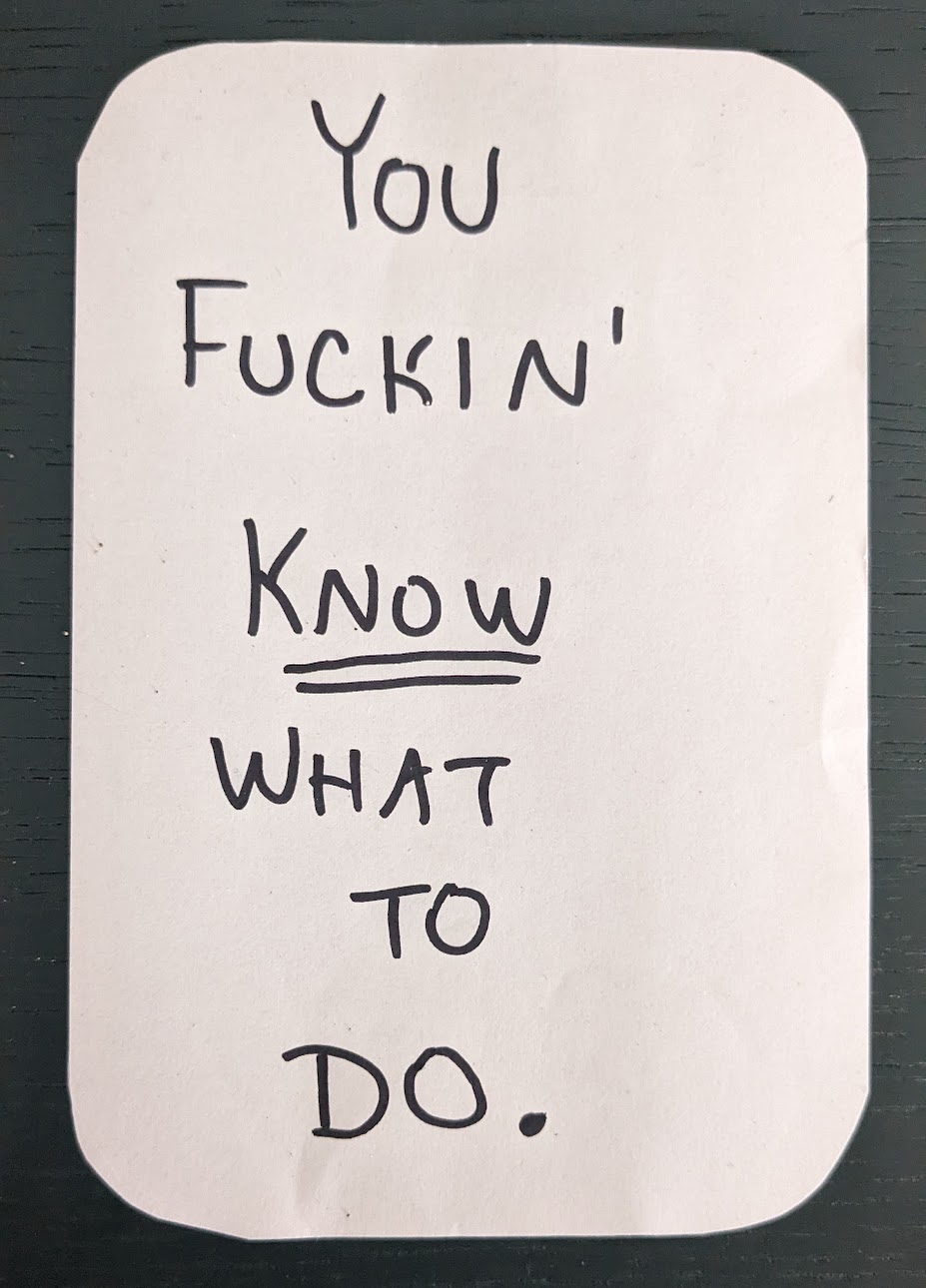
Initially, many early retirees find a natural balance. The demands of family life, particularly during a child’s formative years, provide a significant anchor, channeling energy into meaningful responsibilities. Coupled with projects like home renovation, extensive travel, or even contributing to community platforms, the early years of retirement can be highly productive. Yet, a gradual shift can occur. As immediate responsibilities lessen or the novelty of initial projects wanes, a creeping inertia can set in. The proactive pursuit of challenging, albeit rewarding, activities gives way to a preference for ease and distraction. Instead of being driven by an internal imperative to build, create, or learn, individuals may find themselves increasingly drawn to passive consumption, such as prolonged screen time, wishing for the energy and focus they once effortlessly commanded. This decline in active engagement often begins subtly, a gradual erosion of a previously robust routine, highlighting a critical need for self-imposed structure.
Psychological Underpinnings of Self-Sabotage in Retirement
This decline in active engagement is not merely a matter of laziness but is rooted in complex psychological mechanisms. The human brain is naturally wired to conserve energy and seek comfort. In the absence of external deadlines, supervisors, or the necessity of earning a living, the subconscious tendency to avoid discomfort, effort, and perceived difficulty can become pronounced. This phenomenon is often linked to concepts such as decision fatigue, where the sheer number of choices in an unstructured environment can lead to mental exhaustion, making it easier to default to passive activities. Dr. Roy Baumeister’s research on self-regulation suggests that willpower is a finite resource, and without external structures to guide it, individuals may struggle to allocate it effectively, leading to a state of passive inaction.
Research in behavioral psychology indicates that self-sabotage often manifests as a divergence between conscious intent and actual behavior. An individual may genuinely want to engage in beneficial activities like regular exercise, creative work, or skill development. However, when faced with the moment of initiation—the point where effort is required—the brain manufactures excuses, rationalizations, and delays. This is not a failure of knowledge; many individuals possess extensive information on health, wellness, and productivity. The challenge lies in consistently translating this knowledge into action. Studies on habit formation, such as those by Charles Duhigg in "The Power of Habit," highlight the critical role of environmental cues and consistent repetition. In retirement, these external cues are largely removed, placing the onus entirely on self-generated triggers and internal motivation.
The pattern often observed involves learning effective new strategies, successfully integrating them for a period, and then gradually allowing them to lapse. The brain, ever resourceful, invents various justifications for inconsistency, leading to a state where knowledge far outstrips actual accomplishment. This cycle reveals a critical insight: the very freedom that was sought can be inadvertently leveraged to avoid engaging in activities that require effort, even if those activities are deeply aligned with one’s values and long-term well-being. True freedom, in this context, is not merely freedom from obligations, but freedom to pursue higher-value endeavors. If this capacity for purposeful action is not cultivated, the benefits of early retirement can diminish, potentially leading to a sense of unfulfillment that might even make traditional employment seem preferable due to its inherent structure and external drivers.

Strategies for Reclaiming Agency: The "Moment of Hesitation"
Recognizing this internal struggle is the first step toward reclaiming agency. A highly effective strategy for combating self-sabotage centers on the identification and immediate counteraction of the "moment of hesitation." This is the precise instant when the desire to perform a beneficial task (e.g., exercise, write, plan) clashes with an internal resistance or a feeling of not wanting to do it.
Consider the example of physical exercise. An individual knows that regular weight training is one of the most impactful activities for overall health and vitality. The typical self-dialogue leading to inaction might be: "I want to work out today, but I don’t feel like it because it’s hard. I’ll try to make it easier by planning the perfect time, setting up my gym in advance, and waiting for optimal conditions." This meticulous planning, while seemingly productive, often serves as a form of procrastination. The "golden moment" of perfect conditions frequently never arrives, or consistency becomes sporadic, leading to lackluster results. This planning fallacy, where individuals overestimate their ability to predict future actions, is a common cognitive bias.
The alternative approach, which has demonstrated significant efficacy, is to transform the moment of hesitation into an immediate trigger for action. The internal dialogue shifts dramatically: "I want to work out today. I don’t feel like it. AHA! I just caught myself trying to self-sabotage! I am now already putting on my shoes and walking to the gym." This abrupt shift from internal negotiation to immediate physical action bypasses the brain’s tendency to create excuses. It reframes hesitation not as a signal to withdraw, but as an explicit cue to engage. This counterintuitive method acknowledges that discomfort is often a precursor to growth and that the path to desired outcomes frequently lies directly through, rather than around, the activities one initially resists. Hesitation, therefore, can be reframed as an invaluable, albeit uncomfortable, life coach. This technique aligns with concepts like the "5-second rule" popularized by Mel Robbins, which advocates for immediate action when an impulse to act on a goal arises.
The Influence of Extreme Personalities: A Catalyst for Change
While internal strategies are crucial, external inspiration can play a significant role in fueling sustained discipline. For some, exposure to individuals who exemplify extreme resilience and self-mastery provides a powerful perspective shift. Figures like David Goggins, a retired Navy SEAL, ultra-marathon runner, and world-record holder in pull-ups, embody an unparalleled commitment to pushing human limits. Goggins’ life story, marked by overcoming severe childhood trauma and transforming profound psychological demons into an unrelenting drive for extreme hardship, offers a stark contrast to the comforts of early retirement. His feats, such as running 240 miles over four days or completing 4,025 pull-ups in 24 hours despite immense physical pain, underscore the profound capacity of the human will to overcome perceived barriers.

While not advocating for the adoption of such extreme lifestyles, the philosophical takeaway from figures like Goggins is transformative: a significant portion of human limitations are self-imposed mental constructs rather than immutable physical or external realities. This realization empowers individuals to re-evaluate their own perceived ceilings and recognize the vast, untapped potential within themselves. The shift in perspective moves from viewing life as a series of fixed boundaries to an expansive landscape where personal growth is largely dictated by mental fortitude and a willingness to confront discomfort.
Beyond Goggins, other influential voices contribute to this ethos of disciplined living. Peter Attia, a physician focused on longevity, emphasizes a rigorous, evidencebased approach to health and performance, advocating for proactive measures in diet, exercise, and mental well-being to extend healthspan. His work, often detailed in his book "Outlive," promotes a scientific understanding of aging and the disciplined practices required for a long, healthy life. Jocko Willink, a retired Navy SEAL officer, champions "Extreme Ownership," a philosophy that stresses radical accountability and discipline in all aspects of life, arguing that taking full responsibility for one’s actions and outcomes is the key to leadership and success. His insights, detailed in books like "Extreme Ownership," provide frameworks for applying military-grade discipline to personal and professional endeavors.
While these figures occasionally face critiques regarding "bro science" or "toxic masculinity" within broader societal discourse, the core message for many remains potent: absorb the principles of discipline, resilience, and self-mastery that resonate, and discard the rest. The objective is not to emulate their exact paths, but to draw inspiration from their unwavering commitment to personal excellence, using their energy as fuel to elevate one’s own daily efforts. This exposure to successful, strong, and highly disciplined individuals can serve as a vital source of motivation, enabling retirees to inject more purpose and productivity into their lives.
Tangible Outcomes and Broader Implications
The application of these principles yields tangible positive outcomes. For example, adopting the "catch yourself at the moment of hesitation" technique can lead to remarkable improvements in physical fitness. Consistent daily gym attendance, regardless of initial inclination, can result in significant gains in strength, muscle mass, and overall physical well-being, often surpassing plateaus maintained for years. Such changes are not merely cosmetic; improved physical fitness has well-documented benefits for cognitive function, mood regulation, and disease prevention, as outlined by organizations like the American College of Sports Medicine. Similarly, this technique can be applied to other areas, such as increasing outdoor physical activity (e.g., running instead of walking), fostering greater social engagement through regular visits to co-working spaces, or rekindling creative pursuits like writing. The renewed discipline helps ensure that the valuable time afforded by retirement is invested in activities that genuinely enrich life.
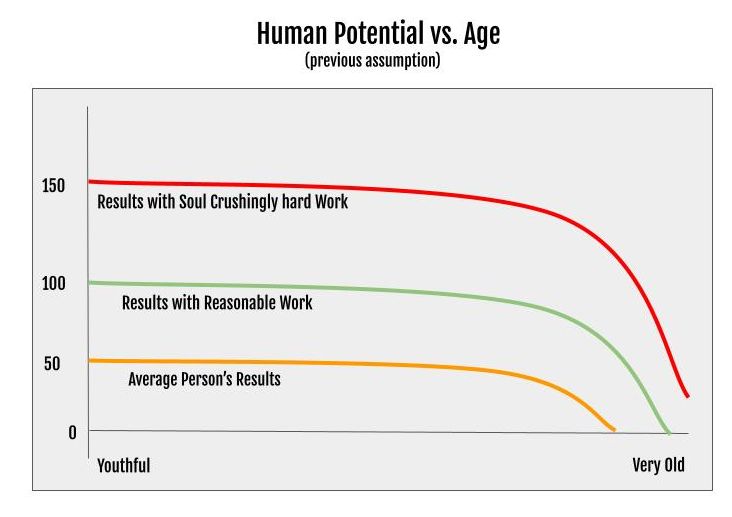
The broader implications for individuals in early retirement are significant. This period of life, far from being a passive winding-down, can be transformed into an era of unprecedented personal growth and contribution. It underscores the critical importance of cultivating internal discipline and purpose, even when external motivators are absent. For those contemplating early retirement, this analysis highlights the necessity of not only financial planning but also lifestyle planning – consciously designing routines, setting challenging goals, and developing robust self-discipline strategies to ensure that freedom translates into fulfillment rather than inertia. Financial planners and retirement coaches are increasingly incorporating discussions about purpose and engagement into their advice, recognizing that monetary wealth alone does not guarantee well-being in retirement.
Societally, this phenomenon speaks to the evolving nature of work and retirement. As lifespans extend and career paths diversify, the traditional model of a sharp cessation of activity at a fixed age is increasingly being re-evaluated. The insights from early retirees struggling with unstructured freedom suggest a valuable societal shift towards continuous learning, engagement, and contribution, irrespective of traditional employment status. Maintaining intellectual, physical, and social engagement not only benefits the individual but also enriches communities through sustained innovation, mentorship, and civic participation. This active engagement can also reduce the burden on healthcare systems by promoting healthier lifestyles and mitigating age-related cognitive decline, as supported by various public health studies.
In conclusion, the journey through early retirement reveals a profound paradox: true freedom is not merely the absence of constraint, but the disciplined pursuit of meaningful challenges. By recognizing the subtle traps of complacency, understanding the psychological mechanisms of self-sabotage, and leveraging moments of hesitation as triggers for action, individuals can transform the boundless expanse of retirement into a fertile ground for profound personal growth and sustained purpose. The inspiration drawn from figures who embody extreme discipline serves as a powerful reminder that human potential is vast, and many perceived barriers are, in essence, mental constructs awaiting a decisive push. The aim is to optimize one’s daily life, ensuring that the hard-won freedom of early retirement is fully utilized to build a life of intention, vitality, and ongoing contribution.

