
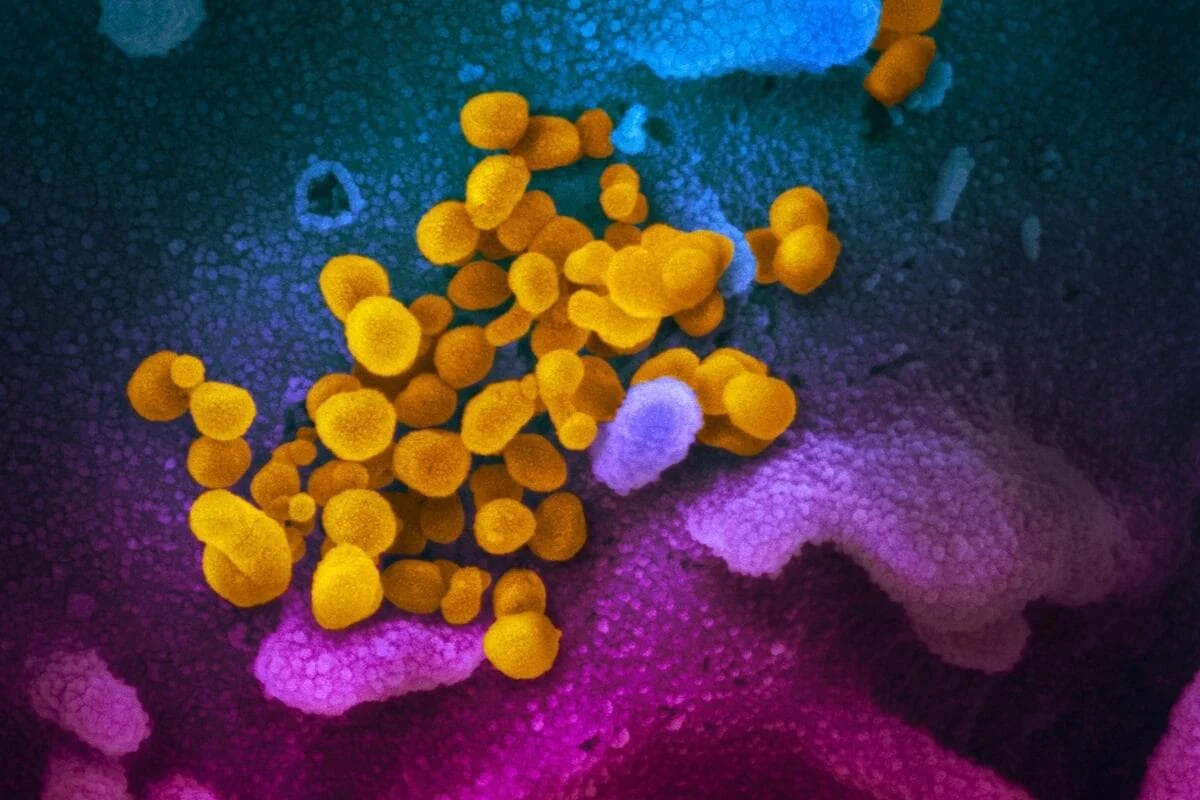
The Centers for Disease Control and Prevention (CDC) on Friday, August 28, 2026, issued an alert indicating a discernible increase in COVID-19 activity across the United States, even as the overall national levels of the virus are categorized as "very low." This update signals a renewed period of attention for public health officials and the general populace regarding the persistent presence of the SARS-CoV-2 virus, which continues to evolve and circulate. The agency’s latest estimations, current as of August 26, 2026, reveal a concerning trend: COVID-19 infections are now considered to be actively growing or likely growing in a substantial 48 states. Only two states reported no change in activity, with none showing a decline. This broad geographical spread of increasing viral transmission underscores the dynamic nature of the pandemic’s endemic phase.
Despite this widespread increase in infection rates, the CDC’s comprehensive surveillance data paints a nuanced picture regarding the severity of the disease. Overall community viral activity levels, primarily measured through wastewater surveillance – a critical early warning indicator – remain at a "very low" classification nationally. Similarly, emergency department visits attributed to COVID-19 are also ranked as "very low," representing the lowest tier on the CDC’s severity scale, which ranges up to "very high." This apparent decoupling of infection prevalence from severe outcomes suggests a significant degree of population immunity, acquired through vaccination, prior infection, or a combination of both, which mitigates the impact of the virus on healthcare systems.
Evolving Surveillance Methods and the Current Landscape
In the years following the initial peak of the COVID-19 pandemic, the CDC has significantly adapted its surveillance strategies to provide a more holistic and less disruptive view of viral activity. As widespread individual testing declined and public health emergency declarations expired, the focus shifted from case counts – which became increasingly unreliable due to home testing and asymptomatic infections – to more robust community-level indicators. Wastewater surveillance has emerged as a cornerstone of this new approach. By monitoring SARS-CoV-2 genetic material in community wastewater, public health officials can detect the presence and trends of the virus at a population level, often before individuals seek testing or medical care. This method offers a non-invasive, cost-effective, and representative snapshot of viral spread, independent of healthcare-seeking behaviors.
The CDC’s tiered system for assessing viral activity, ranging from "very low" to "very high," provides a standardized framework for communicating risk. A "very low" designation indicates minimal impact on healthcare resources and low community transmission, while "very high" suggests significant strain on hospitals and widespread community spread. The current national "very low" rating for both wastewater levels and emergency department visits, despite the increase in detected viral activity, highlights that while the virus is circulating more widely, it is not yet translating into a surge in severe illness requiring urgent medical attention. This distinction is crucial for public understanding and appropriate public health responses, moving away from panic and towards informed management.
Regional Hotspots Emerge in Wastewater Data
While the national picture remains broadly reassuring in terms of severity, the CDC’s detailed wastewater data reveals specific regional concentrations of higher viral activity. As of the latest update, Texas is experiencing "very high" levels of COVID-19 activity in its wastewater, indicating significant community transmission within the state. Mississippi also reported "high" levels, signaling a substantial increase in viral presence. Furthermore, several other states are observing "moderate" levels of COVID-19 activity, including California, Florida, Hawaii, Louisiana, Nevada, South Carolina, and West Virginia. For the remaining states, activity was categorized as "very low," "low," or there was insufficient data for an accurate assessment.

These regional variations can be attributed to a confluence of factors, including population density, travel patterns, local vaccination rates, the prevalence of specific viral variants, and even climate-related behaviors. For instance, states with major travel hubs or large urban centers might naturally see higher viral circulation. Differences in community immunity, whether from past infections or vaccine uptake, can also influence how quickly the virus spreads and the severity of illness experienced. The emergence of these hotspots serves as a localized early warning system, prompting state and local health departments to monitor trends more closely and prepare for potential increases in demand for healthcare services, even if the national average remains low.
The Broader Respiratory Virus Landscape: A Multi-Pathogen Season
The CDC’s latest update extends beyond COVID-19, offering a comprehensive overview of other respiratory viruses circulating nationwide. This broader perspective is increasingly important as public health officials prepare for the upcoming colder months, which historically bring an increase in various respiratory illnesses. The agency reported that influenza levels are also growing nationwide, a common occurrence as seasons change. Conversely, activity for Respiratory Syncytial Virus (RSV) remains "very low in most areas of the country" with no week-to-week change, suggesting that RSV season has not yet begun in earnest.
However, the CDC noted increases in rhinovirus and enterovirus, common causes of the "common cold" and other respiratory illnesses, around the country. These viruses typically circulate widely, particularly among children, and can contribute to the overall burden of respiratory disease. In terms of bacterial infections, Mycoplasma pneumoniae, often referred to as "walking pneumonia," is currently at "low" levels in most areas. Pertussis, or "whooping cough," also remains at lower levels than those observed in the post-pandemic period, a positive indicator given its potential for severe illness, especially in infants. The concurrent circulation of multiple respiratory pathogens presents a complex challenge for healthcare providers, who must differentiate between illnesses with similar symptoms and manage potential co-infections. This multi-pathogen environment underscores the importance of continued vigilance and comprehensive surveillance for a range of respiratory threats.
Chronology of Response: New Vaccines and Persistent Challenges
The CDC’s Friday announcement arrives on the heels of significant developments in the fight against COVID-19. Just one day prior, on Thursday, the U.S. Food and Drug Administration (FDA) granted approval for updated COVID-19 vaccines from Moderna, Novavax-Sanofi, and Pfizer-BioNTech. These updated formulations were specifically designed to target the dominant XFG variant, reflecting the virus’s continuous evolution and the need for vaccine adaptations to maintain efficacy. The FDA’s decision followed a recommendation from a CDC advisory panel, which carefully reviewed the efficacy and safety data for these new shots.
This rollout of updated vaccines is a critical component of the nation’s strategy to manage COVID-19 as an endemic disease, aiming to protect against current circulating strains and prevent severe illness. However, public health campaigns face a significant challenge: declining vaccine uptake. According to CDC figures, only 17.5 percent of adults and a mere 10 percent of children received an updated COVID-19 shot in late 2025 and early 2026. This trend of vaccine fatigue and hesitancy poses a substantial hurdle to achieving widespread protection against new variants and limiting future surges in severe disease. Public health officials will need to redouble efforts to educate the public on the continued benefits of vaccination, particularly for vulnerable populations, and to ensure easy access to the newly approved doses.
Global Context: China’s Rising Case Numbers and Data Concerns

The rising COVID-19 activity in the United States is not an isolated phenomenon; similar trends are being observed globally. Notably, this month, the Chinese CDC reported a significant increase in COVID-19 cases, with over half a million infections recorded in July. This figure represents a sharp rise from the 443,000 cases reported in June, indicating a growing wave of transmission within China.
However, experts familiar with local conditions in China have consistently expressed skepticism regarding the official figures released by the Chinese regime. These experts, who have communicated with The Epoch Times, suspect that the true number of cases is likely far higher than what is publicly reported. This concern about data transparency is not new; throughout the pandemic, questions have been raised about the accuracy and completeness of China’s COVID-19 statistics. The potential for widespread, unreported transmission in a country with such a large population carries significant global implications. High rates of unchecked transmission increase the likelihood of new variants emerging and spreading internationally, posing a renewed threat even to populations with high immunity against existing strains. The ongoing situation in China, therefore, remains a critical point of concern for global public health surveillance and preparedness.
Implications and Looking Ahead: Managing Endemic COVID-19
The current scenario, characterized by increasing COVID-19 activity but overall low severity, underscores the complex reality of managing an endemic virus. While the immediate threat to healthcare systems appears contained, the widespread growth of infections in 48 states suggests that the virus continues to find susceptible hosts and propagate. This persistent circulation, particularly with the emergence of new variants like XFG, highlights the ongoing need for adaptive public health strategies.
The approval of updated vaccines is a timely development, offering enhanced protection against current strains. However, the challenge lies in encouraging sufficient uptake to build community immunity and reduce the overall burden of disease. Public health messaging will need to emphasize the benefits of these vaccines in preventing severe illness, hospitalization, and long COVID, rather than solely focusing on preventing infection, which has proven difficult with highly transmissible variants.
For individuals, the CDC’s update serves as a reminder to remain vigilant. While broad mandates are unlikely given the current low severity metrics, personal risk assessment becomes paramount. This includes considering vaccination, practicing good hand hygiene, staying home when sick, and seeking testing if symptoms develop, particularly for those in high-risk categories or interacting with vulnerable individuals. Healthcare providers will play a crucial role in guiding patients through these decisions and ensuring access to appropriate care and updated vaccinations.
Looking ahead, as the nation approaches the traditional respiratory virus season, the concurrent increases in COVID-19 and influenza activity, alongside other circulating viruses, could place a cumulative strain on healthcare resources. While current levels are low, sustained increases could escalate the situation, particularly if vaccine uptake remains suboptimal. The lessons learned from previous "tri-demic" concerns, where RSV, influenza, and COVID-19 circulated simultaneously, provide valuable insights into preparing for potential future challenges. The CDC’s continuous monitoring and transparent reporting will be essential in navigating this evolving landscape, allowing for timely adjustments to public health recommendations and ensuring the nation remains prepared to respond to the ongoing presence of respiratory pathogens. The path forward involves a delicate balance of maintaining vigilance, promoting preventive measures, and adapting to the dynamic nature of viral evolution while minimizing societal disruption.

