
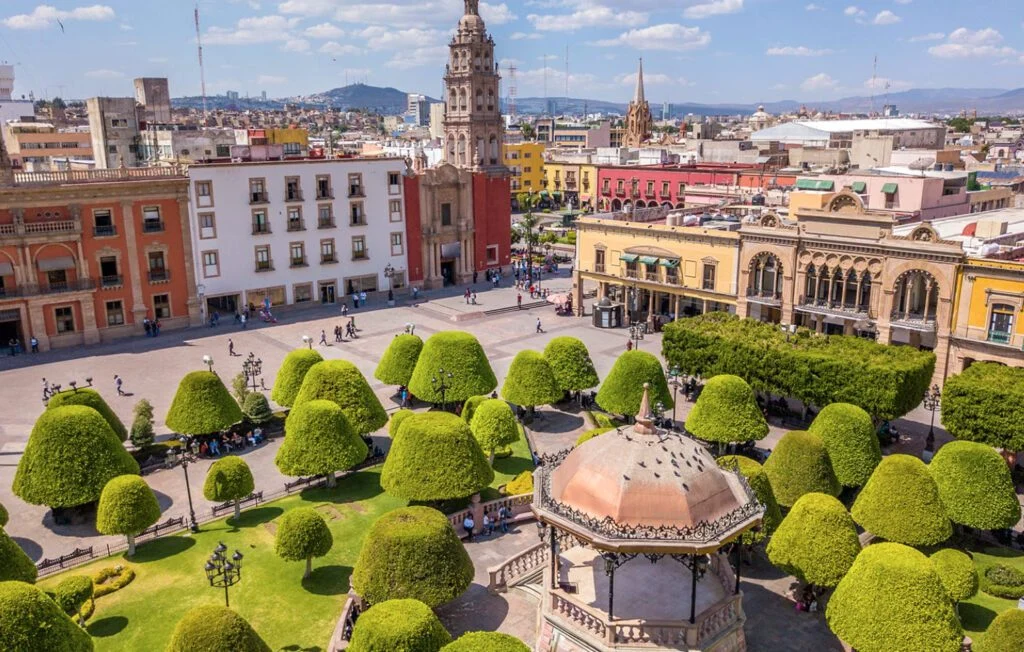
The allure of retirement often sparks a desire for change, a yearning to explore new horizons beyond the familiar comforts of home. For an increasing number of Americans, this aspiration translates into becoming an expatriate, a decision that promises adventure, cultural immersion, and a potentially more affordable lifestyle. Anne Nicolai, a seasoned writer and entrepreneur, embraced this path over fifteen years ago, trading her corporate career and Minnesota residence for a vibrant life as a freelance writer and karaoke host in San Miguel de Allende, Mexico. Her journey, which began in 2008, offers valuable insights for those contemplating a similar international retirement.
The Transformative Power of Stepping Outside the Comfort Zone
Nicolai’s first profound lesson centers on the untapped potential residing within individuals. She recounts initial struggles with the Spanish language, currency conversions, and even basic social graces like dancing. Fourteen years later, these initial hurdles have been not only overcome but transformed into achievements. Nicolai is now a fluent Spanish speaker, adept at managing her finances in pesos, and a confident karaoke performer, a testament to her growth and adaptability.
"You are capable of more than you give yourself credit for," Nicolai states, reflecting on her personal evolution. This sentiment is echoed by numerous studies on personal development, which consistently highlight the benefits of facing challenges head-on. For instance, research published in the Journal of Personality and Social Psychology suggests that individuals who actively seek out novel and challenging experiences tend to exhibit greater psychological well-being and resilience.
Nicolai’s journey involved navigating complex bureaucratic processes, including securing and renewing temporary residency visas multiple times, a task that demanded persistence and patience. Her successful acquisition of permanent residency, often referred to as a "green card," underscores her commitment and ability to adapt to a foreign legal and administrative system. Furthermore, she has undertaken numerous self-reliant road trips between San Miguel and Minneapolis, a journey spanning thousands of miles. These expeditions, fraught with potential challenges such as getting lost or encountering corrupt officials, have served as crucial opportunities for her to expand her comfort zone and develop problem-solving skills. This personal growth is a significant, albeit often intangible, benefit of expat life.
Establishing Safety and Security in a New Environment
The second key lesson Nicolai imparts is the importance of recognizing and implementing safety measures, particularly when relocating to a foreign country. While Mexico, like many destinations, has its own set of security considerations, Nicolai emphasizes that these are often manageable, especially within established expat communities.
"There is safety in numbers," she explains, highlighting the practical security features common in Mexico, such as reinforced windows and doors, and decorative yet functional security measures on property perimeters. She also acknowledges the need for vigilance, citing the risk of petty theft, such as leaving electronics unattended in vehicles.
However, Nicolai points to the significant advantage of moving to locations with a substantial expatriate presence. In San Miguel de Allende, for example, the presence of a robust expat community has led to the development of specific support systems. These include English-speaking emergency services, such as 911 operators, and readily available hotlines to consular agencies. This infrastructure not only enhances personal safety but also provides a crucial sense of reassurance.
The article notes that many local residents in areas with high expat populations are accustomed to interacting with foreigners, leading to a higher prevalence of English speakers in various service sectors. This cultural bridge facilitates smoother integration and communication. Nicolai’s personal choice to live in an entirely Spanish-speaking neighborhood, while demonstrating her advanced integration, also underscores the broader point that safety can be cultivated through strong interpersonal relationships, such as knowing one’s neighbors and feeling comfortable seeking their assistance in times of need. This emphasis on community building aligns with sociological studies that identify social capital as a critical component of individual and community well-being.
Leveraging Technology for Global Connectivity
The third lesson underscores the pervasive role of technology in maintaining connections and facilitating daily life for expatriates. In an era of advanced digital infrastructure, geographical distance no longer necessitates isolation.
"Technology will keep you connected," Nicolai asserts, pointing to the widespread availability of high-speed internet and affordable mobile services globally. Applications such as WhatsApp, Duo, and FaceTime enable free voice and video calls, allowing expats to participate in important family events and maintain regular contact with loved ones. This technological connectivity is crucial for emotional well-being and mitigating feelings of homesickness.
Beyond personal connections, technology also extends to practical aspects of life abroad. Virtual healthcare options provide access to medical and therapeutic services remotely, offering convenience and continuity of care. Online platforms simplify the process of managing financial affairs, including paying bills and receiving direct deposits for social security benefits into foreign bank accounts, often in either dollars or the local currency.
Furthermore, technology serves as a vital tool for integrating into the new community. Online expat forums and social media groups in San Miguel de Allende, for instance, act as hubs for information sharing on everything from local events and social gatherings to practical advice on purchasing goods and services, and even crime alerts. Navigational tools like Google Maps and Waze, when combined with reliable internet access, empower expats to confidently explore their surroundings, locate essential services, and navigate public transportation. This digital connectivity significantly reduces the friction associated with adapting to a new environment, making the transition smoother and more manageable.
The Profound Impact of Cultural Immersion
Nicolai’s fourth lesson focuses on the transformative power of immersing oneself in a different culture, asserting that it invariably leads to positive personal change. Her initial motivations for moving to Mexico stemmed from a desire for more sunshine, vibrant colors, ethnic diversity, and the intellectual stimulation of learning a new language. As a self-described "Type A" American who previously enjoyed a consumerist lifestyle, her experience in Mexico has cultivated a profound appreciation for different values.
"Immersion in another culture will change you for the better," she explains. Over her 14 years in Mexico, Nicolai has embraced patience, humility, and simplicity. Her consumption habits have shifted dramatically; she now rarely purchases anything beyond food and karaoke music. This change is partly attributed to a more active lifestyle, with more walking and dancing contributing to healthier eating habits and a reduced emphasis on material possessions. This observation aligns with research on the "hedonic treadmill," which suggests that continuous pursuit of material goods often fails to yield lasting happiness, whereas experiences and personal growth can offer more sustainable fulfillment.
This shift in perspective is not unique to Nicolai. She notes that this phenomenon is observed among expats in various global locations. The inherent challenges and differences encountered when living abroad often force individuals to re-evaluate their priorities, leading to a more mindful and less consumer-driven existence. The simplification of life, coupled with the enrichment derived from engaging with a different cultural tapestry, fosters a deeper sense of contentment and self-awareness.
The Freedom to Re-evaluate and Return
The fifth and perhaps most liberating lesson Nicolai offers is the inherent flexibility and option to return home. The decision to become an expatriate does not necessitate a permanent severing of ties with one’s native country.
"You can always go home," she emphasizes, dispelling any notion that this is a one-way journey. Nicolai points to numerous expat retirees who have lived abroad for decades, as well as those who have returned to their home countries for health reasons or to be closer to family. The narrative of expat life is not monolithic; it is characterized by individual choices and evolving circumstances.
Nicolai herself views Mexico as her home but acknowledges that this doesn’t preclude the possibility of living in the United States again. She notes that many individuals relocate abroad to reinvent themselves, heal from personal traumas, or pursue artistic passions. Her own move was driven by a desire for a different climate and a new adventure. The support system of friends and family who visit her in Mexico, and her own ability to travel back, ensures she never feels isolated.
The underlying message is one of agency. The decision to retire abroad is a personal experiment, a trial-and-error process rather than a definitive success or failure. The freedom to change one’s mind and relocate again—whether back to one’s country of origin or to yet another destination—is a crucial aspect of this lifestyle. This inherent portability of the expat experience allows for a more fluid and adaptive approach to retirement planning, prioritizing personal fulfillment and well-being above all else.
Broader Implications and the Growing Trend of International Retirement
The experiences shared by Anne Nicolai are indicative of a broader, growing trend. Data from various sources suggests a steady increase in Americans choosing to retire abroad. Factors contributing to this trend include the rising cost of living and healthcare in the United States, the desire for a more relaxed pace of life, and the appeal of exploring new cultures.
A 2022 report by the Social Security Administration indicated that a significant portion of Social Security beneficiaries reside outside the United States, a figure that has seen consistent growth over the past two decades. Popular retirement destinations for Americans include Mexico, Panama, Ecuador, Costa Rica, Portugal, and various Southeast Asian nations. These countries often offer a lower cost of living, affordable healthcare, and a welcoming environment for expatriates.
The implications of this trend are multifaceted. Economically, it can lead to increased spending and investment in host countries. Culturally, it fosters greater cross-cultural understanding and exchange. For individuals, it offers the potential for a richer, more adventurous, and potentially more financially sustainable retirement. However, it also necessitates careful planning, including understanding visa requirements, healthcare systems, tax implications, and cultural nuances. The lessons articulated by Nicolai—self-reliance, community building, technological adaptation, cultural appreciation, and the understanding that no decision is irreversible—provide a valuable framework for anyone considering this exciting chapter in their lives. The journey of an expatriate retiree is not merely about relocating geographically; it is about embracing a philosophy of continuous learning, adaptation, and personal growth, enriching life in ways that transcend borders.

