

Struggling to maintain order and enhance efficiency in your daily life? The strategic implementation of specific planner and bullet journal pages offers a robust solution. These carefully chosen layouts can significantly improve schedule management, task tracking, and goal achievement, providing a structured pathway to greater productivity and a more organized existence. This comprehensive guide explores seven essential planner bullet journal pages designed to empower individuals in mastering their commitments and aspirations.
The foundational element of an effective bullet journal system lies in its adaptable structure. Developed by Ryder Carroll, the bullet journaling method is a customizable analog system for organizing the future, tracking the past, and taking action in the present. Its core principle is to create a mindful practice that helps users identify what truly matters. The following pages are not merely decorative but functional tools that, when used consistently, can transform personal and professional efficacy.

The Bullet Journal Key: Establishing a Universal Language
At the heart of any bullet journal lies the "Key" page, serving as the system’s legend or glossary. This page defines the symbols used to categorize entries, ensuring clarity and rapid comprehension of your notes and tasks. A well-designed key translates abstract intentions into actionable items.
Typical entries found in a bullet journal key include:
- Dots (•) for Tasks: Representing actions that need to be completed.
- Circles (○) for Events: Denoting scheduled appointments, meetings, or significant occurrences.
- Dashes (–) for Notes: Used for capturing thoughts, ideas, observations, or relevant information.
Beyond these basic symbols, users often expand their keys to include signifiers for migrated tasks (>, <), completed tasks (x), cancelled tasks (/), priorities (!), inspiration (*), or research (?). The efficacy of the key page lies in its simplicity and personal relevance. By creating a system that is intuitive and easy to remember, users can quickly log and retrieve information without cognitive overhead. Placing the key page prominently, typically directly after the cover page, ensures it is readily accessible for constant reference, reinforcing the system’s integrity. This foundational step is crucial for building a robust organizational framework.

The Index: Navigating Your Personal Information Hub
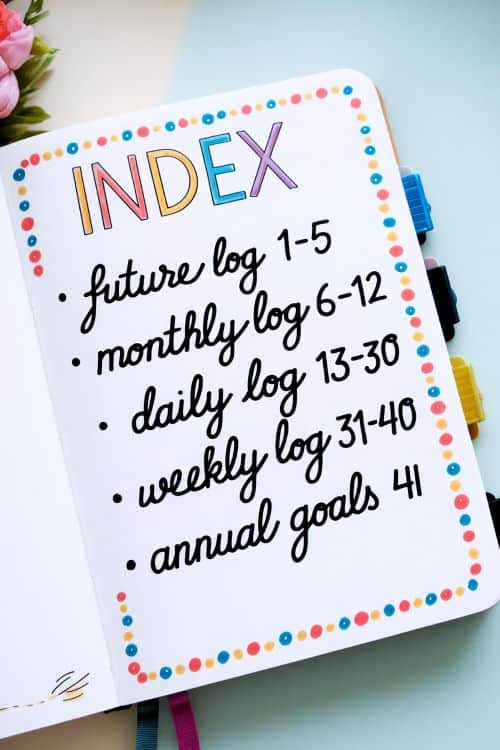
The Index page functions as the table of contents for your bullet journal, enabling swift navigation through its diverse contents. This vital component allows you to locate specific entries, collections, or projects efficiently. By dedicating the initial pages of your journal to the Index, you create a dynamic directory that grows with your journal.
As new pages or collections are added, their corresponding page numbers and titles are meticulously recorded in the Index. For instance, if a series of pages are dedicated to a significant work project, including page numbers 34-36, 38, and 42, the Index entry might read: "Team Project: 34-36, 38, 42." This practice liberates users from the constraint of pre-allocating space for specific topics. Instead, the next available blank page can be utilized, with the assurance that its contents will be easily discoverable via the Index. This flexible approach ensures that the journal remains a living document, adapting to the user’s evolving needs and information flow without sacrificing accessibility. The ability to quickly find past information is fundamental to informed decision-making and ongoing progress.
The Future Log: Charting the Course Ahead
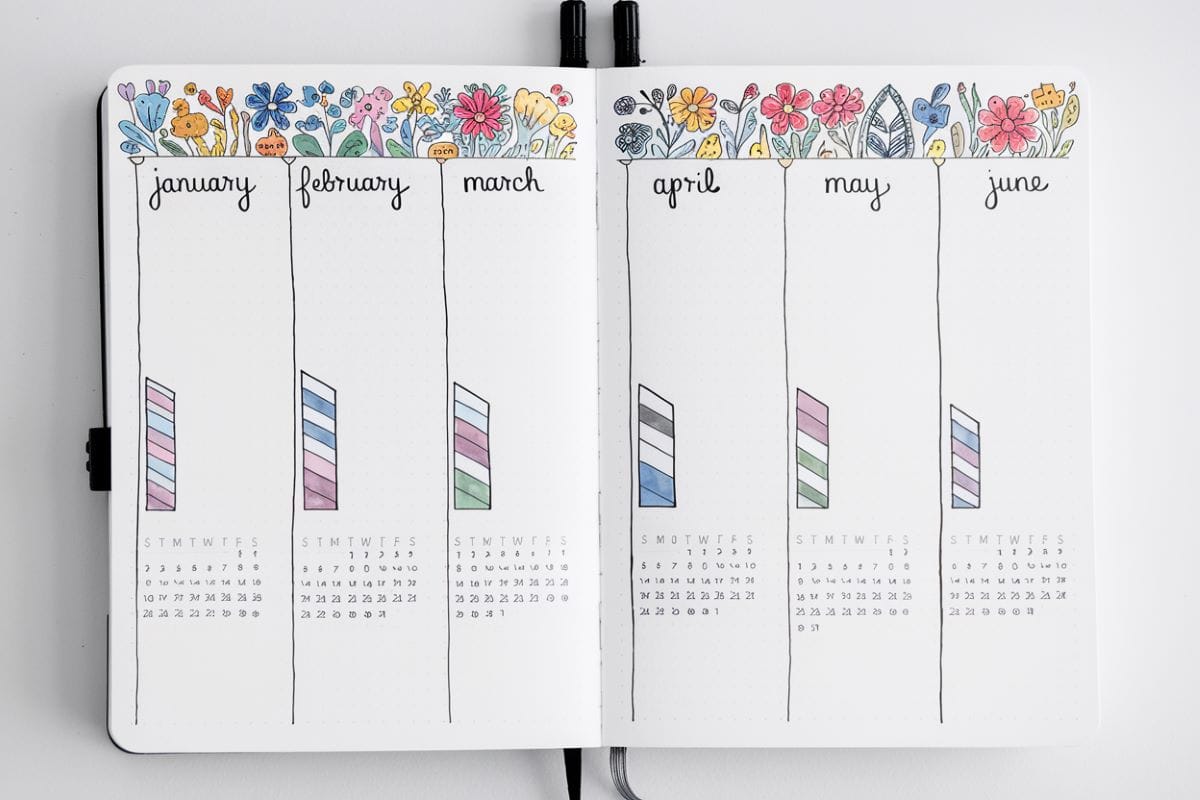
The Future Log serves as a forward-looking repository for significant events, appointments, and deadlines that lie beyond the current month. This spread typically covers a period of three to twelve months, providing a bird’s-eye view of upcoming commitments.

Setting aside several pages for the Future Log allows for a comprehensive outlook. Key information to record includes:
- Birthdays and anniversaries.
- Major holidays and observances.
- Scheduled vacations and travel plans.
- Important work or academic deadlines.
- Long-term project milestones.
- Any recurring events or commitments.
By consolidating these future-oriented details in one accessible location, individuals can proactively plan, avoid conflicts, and prepare for upcoming responsibilities. This "big picture" perspective is invaluable for strategic planning and ensures that no critical dates are overlooked. The Future Log acts as a crucial strategic planning tool, enabling foresight and reducing the likelihood of last-minute rushes or missed opportunities. Its consistent use fosters a sense of control over one’s schedule and commitments.
The Monthly Log: A Panoramic View of the Present
The Monthly Log provides a dedicated spread for each month, offering a concise overview of its entirety. This section serves a dual purpose: documenting past occurrences and outlining immediate future tasks and events.
A common layout involves dedicating one page to a calendar view, where users record events and appointments as they happen or are confirmed. This passive logging creates an accurate historical record of the month’s activities. The facing page is typically reserved for a more active planning section, allowing for the listing of monthly goals, significant tasks, and overarching priorities. This structure facilitates both reflection on what has transpired and strategic organization of what needs to be accomplished within the current month. The Monthly Log acts as a bridge between the long-term perspective of the Future Log and the granular detail of daily or weekly planning. It allows for a focused yet comprehensive approach to managing the immediate future.
The Daily Log: Capturing the Momentum of Each Day
The Daily Log is the dynamic, workhorse section of the bullet journal, designed for tracking the minutiae of each day. This is where the core bullet journaling method truly comes to life, allowing for the rapid capture of tasks, events, and notes as they arise.
Users can tailor the Daily Log to their specific needs, ranging from simple bulleted lists to more elaborate layouts incorporating time blocking, habit tracking, or even brief journaling prompts. Its primary function is to serve as a catch-all for the day’s activities and thoughts. By logging tasks as they appear, individuals can ensure nothing is forgotten and maintain a clear understanding of their daily workload. This immediate capture is particularly effective for preventing the loss of ideas or action items that might otherwise slip through the cracks. The flexibility of the Daily Log makes it an adaptable tool for managing the unpredictable nature of daily life, ensuring that even the most fleeting thoughts or urgent tasks are recorded and addressed. Its consistent use fosters a sense of immediate accomplishment and ongoing engagement with one’s responsibilities.
The Weekly Log: Synthesizing the Week’s Priorities
Complementing the daily focus, the Weekly Log offers a consolidated view of the entire week, providing a practical framework for time management and task prioritization. This spread allows users to look ahead and organize their week strategically, ensuring that daily efforts align with broader objectives.
A common and effective setup for a Weekly Log is a two-page spread. One page can be dedicated to outlining daily priorities, scheduled appointments, and key tasks for each day of the week. This provides a clear roadmap for navigating the coming days. The second page can be utilized for broader weekly reflections, habit tracking, brainstorming, or noting down any outstanding tasks that require attention. Alternatively, some users opt for a single-page weekly spread, integrating reflections within their daily logs. The Weekly Log is instrumental in fostering a proactive approach to time management, enabling users to allocate resources effectively and maintain focus on their most important commitments. It serves as a crucial organizational checkpoint, ensuring that the momentum built on a daily basis contributes to weekly success.
The Annual Goals Tracker: Visualizing Long-Term Aspirations
The Annual Goals Tracker is a powerful tool for articulating and monitoring long-term aspirations. This dedicated page serves as a visual representation of the overarching objectives that an individual aims to achieve over the course of a year.

The process of creating an Annual Goals Tracker often involves breaking down broad ambitions into smaller, manageable categories. Common categories include:
- Career/Professional Development: Goals related to job advancement, skill acquisition, or project completion.
- Health and Wellness: Objectives concerning physical fitness, mental well-being, or healthy habits.
- Personal Growth: Aims related to learning new subjects, developing hobbies, or improving personal qualities.
- Financial Goals: Targets for saving, investing, or managing expenses.
- Relationships: Aspirations for strengthening connections with family, friends, or partners.
Each goal is then meticulously detailed, with milestones or key performance indicators established to track progress. This systematic approach, supported by research indicating that writing down goals significantly increases the likelihood of achieving them, provides a tangible framework for accountability. Regularly referring to the Annual Goals Tracker serves as a constant source of motivation and reinforces the importance of staying focused on what truly matters. This page transforms abstract desires into concrete objectives, fostering a sense of purpose and direction throughout the year. The act of visually tracking progress reinforces commitment and provides a clear measure of achievement, making it an indispensable component of a goal-oriented organizational system.
Optimizing Planning for Peak Performance
The bullet journal is more than just a notebook; it is a sophisticated tool designed for enhancing organization, boosting productivity, and cultivating mental clarity. Its inherent flexibility allows it to adapt and evolve alongside an individual’s changing needs and priorities.

The strategic selection and consistent utilization of these seven key pages – the Key, Index, Future Log, Monthly Log, Daily Log, Weekly Log, and Annual Goals Tracker – represent a transformative approach to personal management. By embracing experimentation with page layouts and content, individuals can develop a personalized system that effectively reduces mental clutter and streamlines the processes of planning, organization, and productivity. This structured yet adaptable methodology empowers users to take control of their commitments, achieve their goals, and ultimately, lead more organized and fulfilling lives. The ongoing engagement with these elements fosters a disciplined yet mindful approach to personal development and daily execution.

