
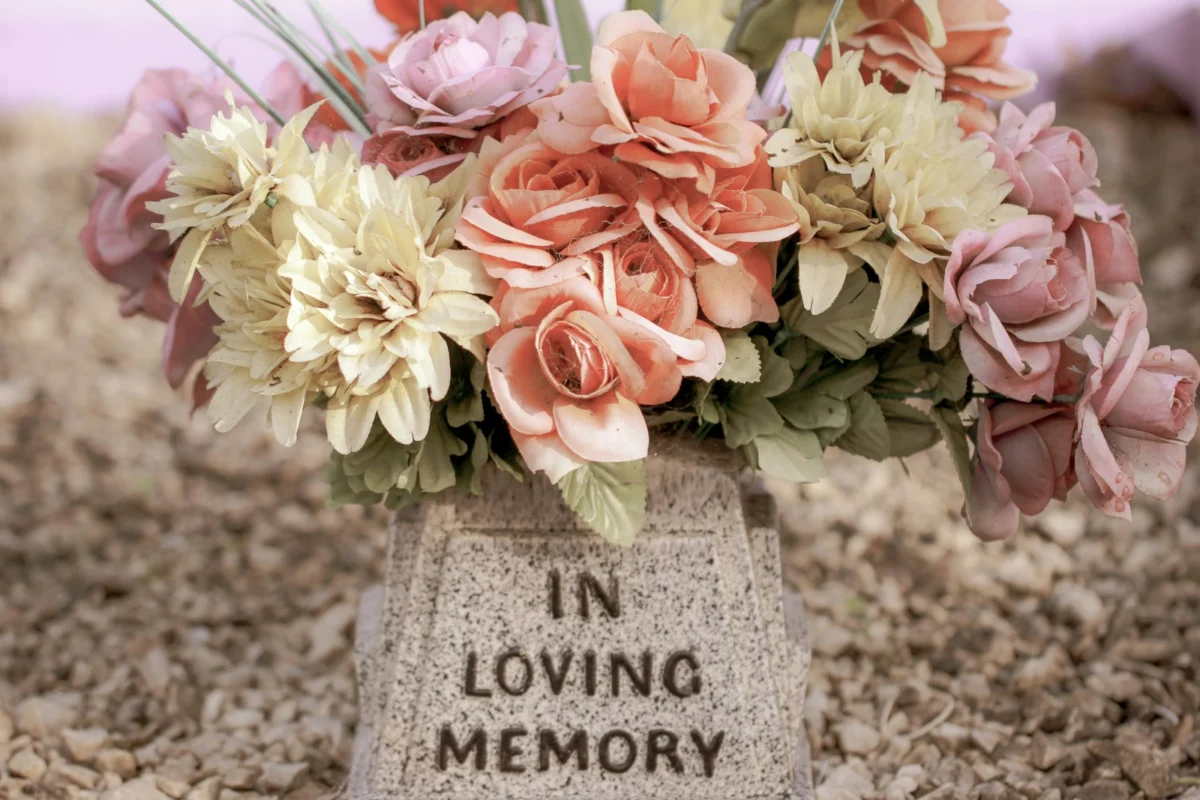
When a loved one passes, the natural human impulse is to find ways to preserve their memory, creating a lasting testament to their life and legacy. While traditional monuments like ornate headstones and elaborate private backyard memorials have long served this purpose, a significant shift is underway in how individuals approach memorialization. Modern approaches increasingly emphasize personalization, affordability, and the creation of tributes that intimately reflect the deceased’s unique personality, passions, and impact on the lives around them. This evolving landscape moves beyond the impressive but often costly formal structures, advocating for meaningful expressions of remembrance that are accessible and deeply personal.
The Historical Context and Shifting Paradigms of Memorialization
Historically, memorial practices have been deeply rooted in cultural, religious, and societal norms. From ancient burial mounds and elaborate mausoleums to the structured cemeteries of the 19th and 20th centuries, the act of remembrance has always been a fundamental aspect of human societies. These traditions often dictated specific rituals, materials, and locations for memorials, emphasizing permanence and public recognition. However, the late 20th and early 21st centuries have witnessed a paradigm shift, driven by several factors: increasing secularization, greater geographical mobility, environmental consciousness, and evolving financial considerations. The rising costs associated with traditional burials and elaborate monuments have prompted many families to seek more economically viable, yet equally poignant, alternatives. According to the National Funeral Directors Association (NFDA), the median cost of a funeral with a viewing and burial was approximately $7,848 in 2021, a figure that does not include the cost of a cemetery plot, headstone, or other memorial expenses, which can add thousands more. This economic pressure, coupled with a growing desire for unique and personal tributes, has fueled the demand for creative, budget-friendly options.
The Rise of Personalized Grief and Continuing Bonds Theory
Central to this shift is the concept of "personalized grief," which acknowledges that each individual’s grieving process is unique and that memorialization should reflect this individuality. Modern grief theories, particularly the "continuing bonds" theory, suggest that maintaining a connection with the deceased is a healthy and essential part of the grieving process, rather than severing ties. Tangible reminders and ongoing rituals can provide comfort and facilitate this connection. Dr. Alan Wolfelt, a renowned grief counselor, emphasizes that "mourning is an active process that requires us to do something with our grief," and personalized memorials offer concrete avenues for this active engagement. This understanding underscores why a small, personal keepsake can often hold more profound meaning than the grandest, most impersonal monument.
1. Personal Keepsakes: Tangible Links to Enduring Love
One of the most immediate and intimate ways to honor a loved one is through personal keepsakes. These tangible items serve as direct representations of the connection shared, offering solace through their physical presence. Keepsakes can range from items that once belonged to the deceased to specially crafted objects designed to hold a portion of cremated remains, such as memorial jewelry or small decorative urns.
The market for personalized memorial keepsakes has seen substantial growth, reflecting a broader trend towards customized tributes. Industry reports indicate a steady increase in demand for items like cremation pendants, which can discreetly hold a small amount of ashes, or miniature keepsake urns designed for family members to share portions of remains. Susan Fraser from In The Light Urns notes, "A memorial doesn’t have to be elaborate or expensive to be meaningful. A personalized urn or keepsake can be a beautiful way to honor your loved one." This sentiment resonates deeply with many who find comfort in keeping a piece of their loved one physically close. Keepsake urns are available in myriad designs, allowing families to choose one that mirrors the deceased’s interests, personality, faith, or favorite colors. This customization transforms a utilitarian object into a deeply personal symbol.
Beyond cremation-related items, personalized objects offer another powerful avenue for remembrance. This might involve commissioning a custom piece of jewelry engraved with a loved one’s handwriting, transforming a cherished piece of their clothing into a decorative pillow or a quilt, or personalizing everyday objects like a baseball, a music box, or a garden stone with their name, an important date, or a meaningful quote. The act of personalization imbues these items with significant emotional value, making them far more than mere objects; they become vessels of memory and connection. For instance, a sports enthusiast’s old jersey could be framed or sewn into a commemorative blanket, providing a tactile reminder of their passion. These smaller, often more affordable keepsakes often provide a more immediate and comforting connection than a distant monument, serving as a constant, gentle reminder of the bond shared.
2. Archiving Legacies: Preserving Photos and Family Stories
The preservation of visual and narrative memories is a cornerstone of remembrance, ensuring that a loved one’s legacy endures for both current and future generations. In an increasingly digital world, the methods for archiving these memories have expanded, offering both traditional and contemporary approaches.
Traditional methods remain incredibly powerful. Creating custom-made scrapbooks or memory boxes filled with photos, cards, letters, and other small personal belongings offers a tangible journey through a loved one’s life. The process of curating these items can be therapeutic, allowing grievers to revisit cherished moments. A sturdy box, perhaps decorated or personalized, can serve as a "memory chest" for items too delicate or numerous for a scrapbook, such as old report cards, ticket stubs from shared events, or small gifts. These collections provide a physical archive that can be revisited and shared, fostering narrative continuity.
A particularly poignant method of preserving memories is collecting personal anecdotes and stories. Inviting relatives and friends to write down their favorite memories, funny stories, or poignant moments shared with the deceased can create an invaluable oral history. These notes can be collected in a decorative jar, to be read aloud on special occasions like birthdays, anniversaries, or family gatherings, transforming moments of remembrance into shared celebrations of life. Alternatively, leveraging modern technology, families can ask friends and family to record short video testimonials sharing their favorite memories. These video compilations can be played at a memorial service or watched privately, offering a dynamic and emotionally resonant tribute. Social media platforms and dedicated online memorial sites also provide spaces for collective memory-sharing, allowing a broader community to contribute their stories and photos, creating a rich, evolving digital legacy. Dr. Jennifer T. Preece, a professor specializing in human-computer interaction, has highlighted how digital platforms can facilitate "grief-work" by enabling collective storytelling and remembrance, bridging geographical distances and extending the reach of memorialization.
3. Domestic Sanctuaries: Crafting Personal Memorial Spaces at Home
Creating a dedicated memorial space within the home offers a private, accessible, and comforting sanctuary for reflection. This doesn’t require extensive renovation or significant expense; it can be as simple as a designated shelf, a small corner table, or a quiet nook in a bedroom. The purpose of such a space is to provide a consistent physical anchor for remembrance, allowing individuals to connect with their loved one’s memory whenever they feel the need.
To personalize this space, start with a cherished photograph of the loved one. Around this central image, arrange items that held special significance for them or that evoke powerful memories. This might include a favorite book, a small piece of art they admired, a plant, a candle, or small trinkets from shared experiences. The key is to select items that resonate personally, transforming the space into a microcosm of their presence. The flexibility of a home memorial space allows for seasonal or holiday-themed adjustments, keeping the tribute fresh and integrated into daily life. For instance, during the holidays, the space might feature decorations that were particularly meaningful to the deceased.
Grief counselors often advocate for these home-based memorial spaces, recognizing their therapeutic value. Dr. Katherine D. Shear, a prominent researcher in complicated grief, emphasizes the importance of "meaning-making" in grief, and a personal memorial space can facilitate this by providing a tangible focal point for reflection, conversation, and emotional processing. It allows for the integration of loss into daily life in a healthy way, providing a comforting presence rather than a sense of absence. In a study published in the journal Death Studies, participants who had a dedicated remembrance space reported higher levels of comfort and a greater sense of connection to their deceased loved ones. This physical space serves as a constant, gentle invitation to remember, mourn, and celebrate, fostering a sense of continuing connection without the need for travel to a distant grave site.
4. The Art of Remembrance: Handmade Tributes and Creative Expression
Engaging in the creative process can be a deeply therapeutic and personal way to honor a loved one. Handmade memorial items carry the unique imprint of the creator’s love and effort, making them exceptionally meaningful. The act of creation itself can be a powerful form of active grieving, channeling emotions into tangible beauty.
The possibilities for handmade tributes are vast and varied. For example, a piece of clothing belonging to the deceased can be transformed into a memory quilt, a small decorative patch, or even an ornament. These items offer a tactile connection, often retaining the scent or feel of the loved one. Another popular idea is to paint a memorial stone for a garden, inscribing it with the loved one’s name, dates, and a meaningful quote or symbol. This can create a beautiful, natural tribute that integrates into a living landscape. Framing something they wrote—a letter, a poem, or even a grocery list—can elevate their words into a piece of art, especially if the frame is painted in their favorite colors or adorned with symbols meaningful to them.
The beauty of handmade memorials lies in their imperfection. They do not need to be gallery-worthy works of art; their value stems from the personal meaning and the love invested in their creation. Art therapists frequently utilize creative expression in grief counseling, noting that the process of making something can help individuals externalize their feelings, gain a sense of control, and create something positive out of their pain. As Dr. Cathy Malchiodi, an expert in art therapy, explains, "Art allows individuals to express what cannot be put into words, providing a safe and creative outlet for complex emotions." Whether it’s knitting a scarf in their favorite color, composing a song, or planting a memorial tree, the act of making becomes a poignant act of remembrance, transforming grief into a lasting tribute.
5. Living Legacies: Sustaining Memory Through New Traditions
Establishing new traditions in a loved one’s honor is a dynamic and community-oriented way to sustain their memory, transforming remembrance into an ongoing, shared experience. These traditions imbue special days with renewed meaning and allow their influence to continue shaping lives.
The nature of these traditions can be as diverse as the individuals they honor. It might involve cooking their favorite meal on their birthday or on the anniversary of their passing, inviting family and friends to share stories and celebrate their life through the universal language of food. Another tradition could be visiting their favorite park, beach, or hiking trail on a significant day, finding solace in places they loved and experiencing nature as they might have. For those whose loved ones were passionate about a particular cause, establishing an annual tradition of donating a small amount of money or volunteering time to that cause can be a powerful way to extend their impact. For instance, if a loved one was an avid reader, a family might donate books to a local library in their name each year.
The strength of traditions lies in their repeatability and their capacity to involve others. Simple, easily repeatable rituals encourage broader participation, fostering a collective memory and shared grieving process. Sociologists and anthropologists emphasize the critical role of rituals in human culture, particularly in navigating loss and maintaining social cohesion. Dr. Barbara Myerhoff, a cultural anthropologist, highlighted how rituals create "communities of memory," reinforcing bonds among the living and with the deceased. These living legacies move beyond static monuments, transforming remembrance into an active, evolving narrative that continues to enrich the lives of those left behind. They offer a way to not only remember who someone was but also to continue embodying what they valued.
The Broader Impact and Future of Personalized Memorialization
The shift towards personalized, affordable, and creative memorialization reflects a profound evolution in how societies approach death, grief, and remembrance. This movement underscores a desire for authenticity and connection over formality and expense. By embracing these diverse approaches, individuals and families are empowered to navigate grief in ways that are deeply personal and financially accessible.
The implications of this trend are significant. Psychologically, personalized memorials promote healthier grieving by facilitating continuing bonds and providing concrete avenues for meaning-making. Economically, they democratize remembrance, making meaningful tributes available to a wider demographic who may not have the resources for traditional, costly options. Culturally, they challenge long-held conventions, fostering a more open and adaptable approach to death rituals.
Looking ahead, the landscape of remembrance is likely to continue innovating. We can anticipate further integration of technology, with advancements in digital archiving, virtual reality memorials, and perhaps even AI-driven interactive legacies. However, the core principle will remain: the most impactful memorials are those that genuinely reflect the essence of the individual being remembered, offering comfort, connection, and a lasting legacy that transcends mere stone or formal convention. As society continues to evolve, so too will our methods of honoring those we have lost, ensuring that their stories, passions, and love endure in profoundly personal and accessible ways.

