
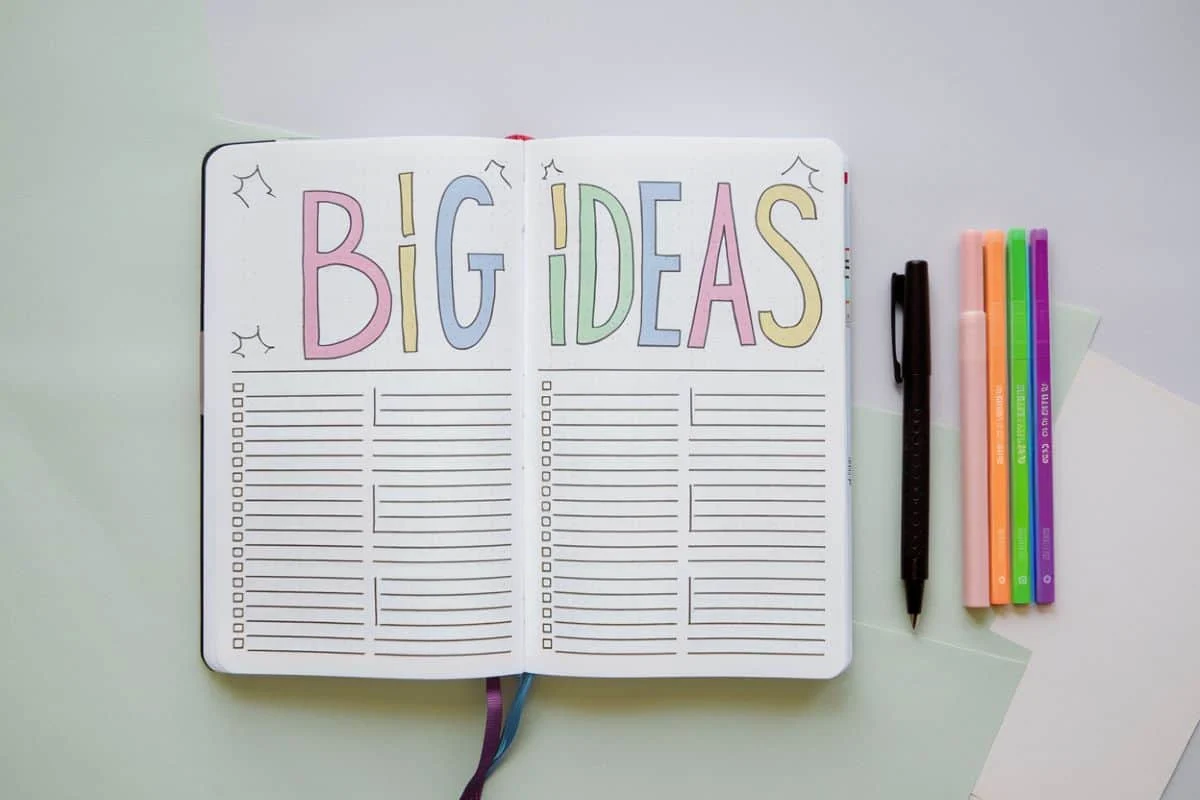
For individuals seeking to enhance their organizational prowess, cultivate personal growth, and ignite their creativity, the bullet journal (BuJo) has emerged as a remarkably versatile and deeply personal tool. This system, pioneered by Ryder Carroll, offers a flexible framework for tracking tasks, events, goals, and ideas, moving beyond the rigid structure of traditional planners. As interest in mindful productivity and self-improvement continues to surge, understanding the foundational principles and exploring a diverse range of page ideas becomes paramount for users aiming to harness the full potential of their BuJo. This comprehensive guide delves into the core concepts of bullet journaling and presents an extensive collection of 97 page ideas designed to inspire and guide users on their personalized journaling journey.
The Genesis and Evolution of Bullet Journaling
The bullet journal system, officially launched in 2013, was born out of a need for a more adaptable planning method. Carroll, a digital product designer, developed the system to help individuals with learning disabilities manage their academic and personal lives. Its core strength lies in its simplicity, utilizing rapid logging—a system of symbols and concise notes—to capture information efficiently. Unlike pre-formatted planners, the bullet journal is a blank canvas, allowing users to create their own layouts and collections based on their unique needs and interests. This inherent customizability has fueled its widespread adoption, transforming it from a niche productivity tool into a global phenomenon embraced by millions. The system’s adaptability means it can serve a multitude of purposes, from managing complex projects and daily to-do lists to fostering creative expression and tracking personal well-being.
Unpacking the Core of Bullet Journaling: Functionality Over Perfection
At its heart, bullet journaling is about intention and effectiveness. The system is designed to be a tool that serves the user, not the other way around. This philosophy is crucial in navigating the vast sea of creative possibilities that a bullet journal offers. Overwhelm can easily set in when faced with countless artistic spreads and elaborate layouts. The guiding principle, therefore, is to begin with the fundamentals and select pages that genuinely align with personal objectives and daily routines. Functionality should always take precedence over aesthetic perfection, especially in the initial stages. As users become more comfortable with the system, experimentation can naturally lead to more visually engaging and creative spreads, but the primary goal remains practical organization and mindful reflection.

The foundational elements of a bullet journal are built around rapid logging, a system that employs simple symbols to denote different types of entries:
- Tasks: Represented by a dot (•).
- Events: Denoted by a circle (○).
- Notes: Marked by a dash (–).
These basic symbols can be further augmented with modifiers, such as an asterisk (*) for priority items or an exclamation mark (!) for inspiration. This symbolic language allows for quick and intuitive data entry, forming the bedrock of the BuJo’s efficiency.
Essential Preparations for Your Bullet Journal Journey
Embarking on the bullet journaling path requires minimal investment in terms of materials, making it an accessible practice for virtually anyone. The most fundamental tools are a notebook and a pen.
1. Selecting Your Essential Tools
The choice of notebook can significantly influence the journaling experience. While any notebook will suffice, many practitioners prefer dot grid journals. These notebooks feature a subtle grid of dots on each page, offering a guide for neat writing and drawing without the restrictive nature of traditional lined or gridded paper. The dot grid provides just enough structure for creating layouts, trackers, and diagrams, while still allowing for freeform sketching and doodling.

When selecting a pen, prioritize one that offers a smooth writing experience and does not bleed through the paper. Many enthusiasts opt for fine-tipped pens that allow for precise lettering and detailed drawings. The beauty of the bullet journal lies in its simplicity; these two items are all that are truly necessary to begin. Users can choose supplies that fit their budget, whether it’s a cost-effective notebook and pen or a more premium set. Manual numbering of pages is a simple yet crucial step, facilitating the creation of an index.
2. Establishing Foundational Layouts
Every effective bullet journal, regardless of its complexity, benefits from a few core pages that provide essential organizational structure. These foundational layouts are the backbone of the system, ensuring that information is easily accessible and logically organized.
-
The Index: This is arguably the most critical page in a bullet journal. Located at the beginning of the notebook, the index serves as a table of contents, listing the topic or title of each spread and the page number(s) where it can be found. As new collections or logs are added, they are recorded in the index, allowing users to quickly locate any piece of information within their journal. This feature is indispensable for managing a growing volume of content and ensuring that the journal remains a functional reference tool.
-
The Future Log: This spread provides a year-at-a-glance overview of upcoming events, appointments, and deadlines. It typically spans several months, allowing users to jot down important dates that fall outside the current monthly spread. This foresight is invaluable for long-term planning and avoiding missed commitments. The format can vary, with some opting for a traditional calendar layout while others prefer a more modular approach, dedicating a section to each month.

-
The Monthly Log: This section offers a more immediate overview of the current month. It usually consists of two parts: a calendar view for noting appointments and events, and a task list for outlining monthly objectives and to-dos. This log bridges the gap between the long-term view of the future log and the daily details of the daily log.
-
The Daily Log: This is the most frequently used section of the bullet journal, where users record their day-to-day tasks, events, and notes using rapid logging. It’s designed for spontaneity and can be as simple or as elaborate as the user desires. Some prefer a minimalist approach, dedicating a small space for each day, while others use it as an opportunity for more detailed journaling and reflection.
These basic layouts form the essential framework for any bullet journal, ensuring that the system is functional from the outset.
Exploring a Universe of 97 BUJO Ideas
Beyond the foundational layouts, the true power of the bullet journal lies in its adaptability to a vast array of personal needs and interests. The following extensive list offers 97 curated page ideas, categorized to inspire users across various aspects of their lives, from wellness and finance to creativity and personal development.

Wellness and Self-Care Page Ideas
Prioritizing mental and physical well-being is a cornerstone of a balanced life, and bullet journals offer an ideal space to track progress and foster healthy habits.
- Habit Tracker: Monitor daily habits like drinking water, exercising, meditation, or reading.
- Mood Tracker: Record daily moods to identify patterns and triggers.
- Sleep Log: Track sleep duration, quality, and factors affecting rest.
- Gratitude Log: Jot down things you are thankful for each day or week.
- Affirmation Page: Write positive affirmations to boost self-esteem.
- Water Intake Tracker: Visually track daily water consumption.
- Meal Planner: Plan weekly meals to promote healthier eating and reduce food waste.
- Recipe Collection: Compile favorite recipes for easy access.
- Fitness Tracker: Log workouts, duration, intensity, and progress.
- Mindfulness Journal: Dedicate space for reflections on presence and awareness.
- Self-Care Ideas List: Brainstorm and list activities that help you recharge.
- Health Goals Tracker: Set and monitor specific health-related objectives.
- Symptom Tracker: For individuals managing chronic conditions, log symptoms and potential causes.
- Meditation Tracker: Record meditation sessions and their duration.
- Energy Level Tracker: Monitor daily energy fluctuations.
Finance and Budgeting Pages
Financial well-being is a critical component of overall life management, and a bullet journal can be an invaluable tool for tracking spending, saving, and budgeting.
- Budget Tracker: Outline monthly income and expenses, categorizing spending.
- Savings Tracker: Monitor progress towards specific savings goals (e.g., down payment, vacation).
- Debt Payoff Tracker: Visualize and track progress in paying off debts.
- Bill Payment Tracker: Keep a record of due dates and payment confirmations for bills.
- Income Tracker: Log all sources of income for the month or year.
- Expense Tracker: Detail daily or weekly spending to identify areas for potential savings.
- Net Worth Tracker: Monitor your overall financial health over time.
- Investment Tracker: Keep a record of investments and their performance.
- Financial Goals: Clearly define short-term and long-term financial aspirations.
- Subscription Tracker: List all recurring subscriptions and their costs to avoid unnecessary expenses.
- Wishlist: Keep track of desired purchases to avoid impulsive buying.
- Cash Envelope System Tracker: If using the cash envelope method, track allocated funds.
- Emergency Fund Tracker: Monitor the growth of your emergency savings.
Personal Development Page Ideas
Personal growth is a continuous journey, and a bullet journal can serve as a dedicated space for reflection, goal setting, and skill development.
- Goal Setting Pages: Break down long-term goals into actionable steps.
- Goal Progress Tracker: Monitor the advancement of your set goals.
- Skills to Learn: List skills you wish to acquire or improve.
- Book List: Track books you want to read, are currently reading, and have finished, along with notes or ratings.
- Course Tracker: Log online courses or workshops you are undertaking.
- Journal Prompts: Create a list of prompts for deeper self-reflection.
- Bucket List: Document life experiences you aspire to have.
- Wisdom Journal: Record insights and lessons learned from experiences.
- Personal Strengths Inventory: Identify and acknowledge your core strengths.
- Personal Weaknesses and Areas for Improvement: Reflect on areas where growth is needed.
- Monthly/Yearly Review: Dedicate pages to reflect on achievements, challenges, and lessons learned over specific periods.
- Mindset Shifts: Document changes in your perspective or beliefs.
- New Habits to Implement: Plan and track the adoption of new, beneficial habits.
Creative Outlet Pages
The bullet journal is not just for organization; it’s also a powerful medium for creative expression, artistic exploration, and idea generation.

- Doodle Pages: Dedicate space for spontaneous drawing and doodling.
- Quote Collection: Compile inspiring quotes from books, movies, or people.
- Brainstorming Pages: Jot down ideas for projects, stories, or creative endeavors.
- Vision Board: Create a visual representation of your dreams and aspirations.
- Sketchbook Pages: Use your journal to practice drawing and sketching.
- Color Palette Swatches: Experiment with different color combinations.
- Bullet Journal Spread Ideas: Collect inspiration for future journal layouts.
- Lettering Practice: Dedicate pages to practicing different calligraphy styles.
- Collage Pages: Incorporate magazine cutouts, photos, or other ephemera.
- Poetry Corner: Write and collect your poems.
- Story Ideas: Outline plot points or character concepts for creative writing.
- Art Inspiration Board: Pin images or notes that spark artistic creativity.
Home and Organization Pages
Maintaining a well-organized home contributes to a calmer and more efficient life. Bullet journals can help manage household tasks and responsibilities.
- Cleaning Schedule: Create a routine for daily, weekly, and monthly cleaning tasks.
- Decluttering Tracker: Plan and log decluttering projects for different areas of your home.
- Home Inventory: List valuable items for insurance purposes.
- Maintenance Schedule: Track regular home maintenance tasks (e.g., changing air filters, cleaning gutters).
- Gardening Log: Record planting dates, watering schedules, and harvest yields.
- Pet Care Tracker: Log feeding schedules, vet appointments, and grooming.
- Meal Prep Tracker: Plan and track weekly meal preparation.
- DIY Project Planner: Outline steps and materials for home improvement projects.
- Gift Ideas List: Keep track of gift ideas for friends and family throughout the year.
- Wardrobe Inventory: Catalog your clothing items.
- Packing List: Create standardized packing lists for different types of trips.
Travel and Adventure Page Ideas
Documenting travels and planning future adventures can be a rewarding aspect of bullet journaling.
- Travel Wishlist: List destinations you dream of visiting.
- Trip Planner: Detail itineraries, accommodations, and activities for upcoming trips.
- Travel Journal: Record daily experiences, reflections, and memories from a trip.
- Places to Visit Locally: List interesting spots in your vicinity.
- Travel Budget: Plan and track expenses for a specific trip.
- Restaurant Recommendations: Keep a log of favorite dining spots.
- Souvenir Tracker: Note memorable items collected during travels.
- Adventure Ideas: List outdoor activities or experiences you want to try.
Relationships and Social Life Pages
Nurturing relationships and maintaining a social life can be enhanced through dedicated journaling.
- Friendship Tracker: Note birthdays, anniversaries, and meaningful interactions.
- Date Night Ideas: Brainstorm and plan activities with a partner.
- Family Tree: Document your ancestry.
- Social Events Calendar: Track upcoming social gatherings and commitments.
- People I Want to Connect With: List individuals you wish to reach out to.
- Acts of Kindness Log: Record instances of kindness you’ve performed or received.
Academic and Professional Pages
For students and professionals, the bullet journal can be a powerful tool for managing coursework, projects, and career development.

- Class Schedule: Map out class times and locations.
- Assignment Tracker: List all assignments, deadlines, and their completion status.
- Study Planner: Create a schedule for reviewing course material.
- Project Planner: Break down large projects into manageable tasks and milestones.
- Meeting Notes: Keep a record of important discussions and action items from meetings.
- Professional Development Goals: Outline career aspirations and steps to achieve them.
- Networking Tracker: Log contacts and follow-up actions.
- Skill Development Tracker: Monitor progress in acquiring new professional skills.
- Work/Life Balance Tracker: Assess and adjust the balance between professional and personal time.
Miscellaneous and Fun Page Ideas
Embrace the playful and unconventional aspects of bullet journaling with these diverse ideas.
- Favorite Quotes Collection: A curated list of impactful quotes.
- Movies/TV Shows to Watch: Keep track of entertainment recommendations.
- Music Playlist Ideas: Document favorite songs or create themed playlists.
- Dream Journal: Record and analyze your dreams.
- Weather Tracker: Log daily weather patterns.
- Daily Wins: Celebrate small accomplishments each day.
- Things That Make Me Happy: A list of simple joys.
- Coloring Pages: Simple designs to color in for relaxation.
- Puzzle Pages: Include space for crosswords, Sudoku, or other puzzles.
- Yearly Review/Highlights: A comprehensive look back at the year’s most significant moments.
The Enduring Appeal and Future of Bullet Journaling
The bullet journal’s enduring appeal lies in its profound capacity for personalization. In an increasingly digital world, the tactile experience of writing and sketching in a physical notebook offers a unique connection to one’s thoughts and plans. The system empowers individuals to curate a tool that is not only functional but also deeply reflective of their personality, goals, and evolving needs. As the practice matures, it continues to adapt, with new spreads and techniques emerging regularly. Whether used for rigorous productivity, introspective self-care, or boundless creative exploration, the bullet journal remains a testament to the power of intention, organization, and personal expression. It serves as a constant reminder that the most effective planning systems are those that are crafted by the user, for the user, fostering a journey of continuous growth and discovery.

