
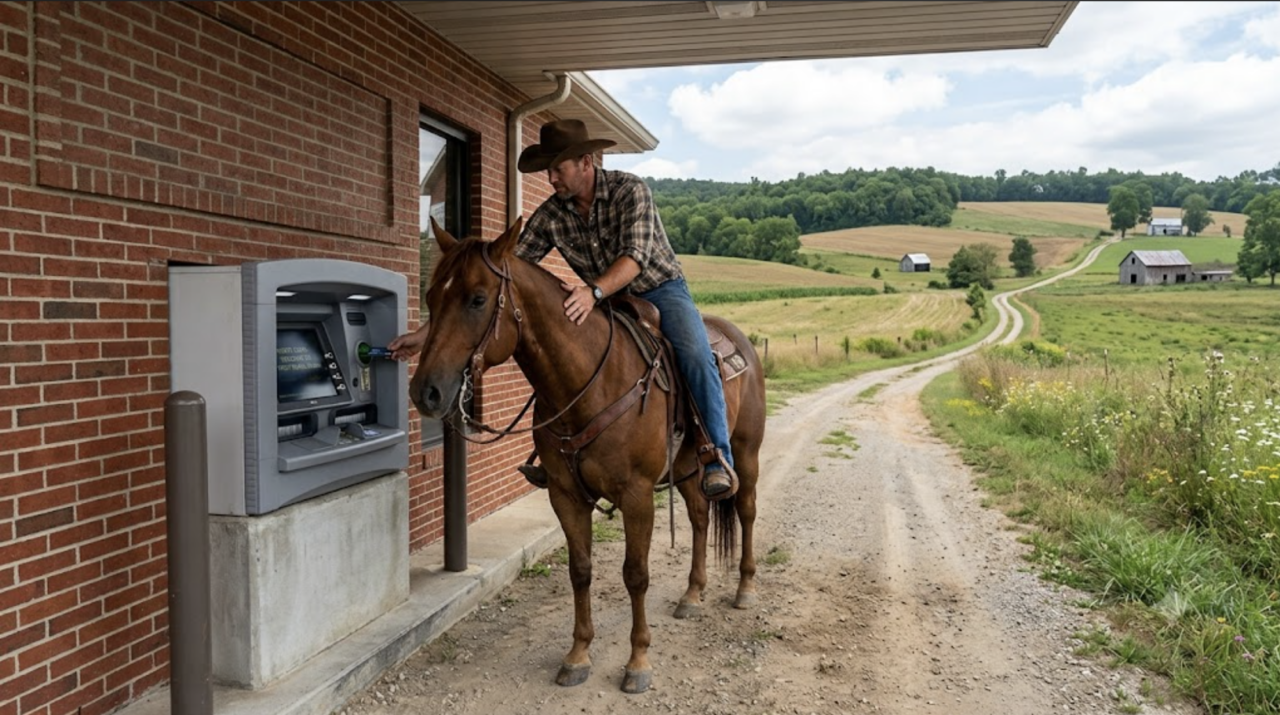
The financial services industry is currently navigating a pivotal transition as community banks seek to reconcile their traditional, relationship-driven models with the rapid technological advancements of the mid-2020s. On September 11, 2026, the FinovateFall conference will host a dedicated Community Bank Spotlight session, designed as an exclusive forum for bank executives and selected fintech innovators to address this critical intersection. This breakfast session aims to provide a strategic roadmap for smaller institutions to leverage modern technology—such as artificial intelligence, advanced automation, and sophisticated fraud detection—without sacrificing the personal trust and local reputation that have historically defined their competitive advantage.
The Historical Foundation of Community Banking
For over a century, the community banking model has been predicated on the "high-touch" approach, characterized by localized decision-making and deep personal connections between bank staff and customers. Historically, these institutions functioned as the primary economic engines for rural and suburban areas, where creditworthiness was often determined as much by a borrower’s reputation and business plan as by their formal credit score. In many American towns, the local bank served not just as a repository for capital, but as a cornerstone of community development, offering working lines of credit to small businesses based on long-term interpersonal trust.
However, the landscape began to shift significantly in the mid-2000s. The emergence of digital-only "neobanks" in 2006 marked the beginning of a trend toward transaction-centric banking. While these digital platforms offered unprecedented convenience and lower overhead costs, they often lacked the emotional and personal resonance of traditional branches. By the early 2020s, the industry observed a growing disconnect: while customers appreciated the speed of digital tools, they reported a decline in the sense of financial partnership and personalized service. This vacuum has created a unique opportunity for community banks to reclaim their market share by integrating digital efficiency with their existing relationship-based expertise.
Statistical Overview: The Current State of Community Banking
Despite the rise of global megabanks, community banks continue to play a disproportionate role in the stability of the United States economy. According to data from the Federal Deposit Insurance Corporation (FDIC) and the Small Business Administration (SBA), community banks represent approximately 90% of all banking institutions in the U.S. While they hold a smaller share of total industry assets compared to "Too Big to Fail" institutions, they are responsible for nearly 60% of small business loans and more than 80% of agricultural loans.
Recent industry reports from 2025 and early 2026 indicate that 74% of community bank customers value "local presence" and "personalized service" as their top reasons for maintaining their accounts. However, the same reports show that 62% of these customers would consider moving to a larger institution or a fintech platform if their local bank did not offer competitive mobile experiences, real-time fraud alerts, and seamless digital onboarding. The data underscores a clear mandate: community banks must modernize their infrastructure to retain the loyalty of a younger, tech-savvy demographic that still values the "community" aspect of banking but demands "megabank" functionality.
Bridging the Technology Gap: AI and Automation
The central challenge facing community banks in 2026 is the "technology gap." Large-scale financial institutions possess the capital to invest billions into proprietary AI and machine learning frameworks. For a community bank with a smaller balance sheet, the path to modernization requires strategic partnerships rather than internal development. The upcoming FinovateFall spotlight will focus on how these institutions can utilize third-party fintech solutions to automate manual workflows and enhance customer engagement.
Key technological priorities for 2026 include:
- Hyper-Personalization via AI: Using artificial intelligence to analyze transaction data and provide proactive financial wellness advice, mimicking the "personal banker" experience of previous decades.
- Automated Fraud Detection: Implementing real-time, AI-driven security protocols that can identify anomalies in spending patterns, protecting both the bank and the customer from increasingly sophisticated cyber threats.
- CRM Integration: Utilizing advanced Customer Relationship Management systems that allow tellers and loan officers to have a holistic view of a customer’s financial journey the moment they walk into a branch or log into an app.
- Operational Efficiency: Automating back-office tasks—such as loan processing and compliance reporting—to free up human staff for higher-value, relationship-building activities.
Industry analysts suggest that by automating 30% of routine administrative tasks, community banks can reallocate their human capital toward consultative roles, thereby strengthening the personal ties that distinguish them from digital-only competitors.
Event Chronology and Logistics
The Community Bank Spotlight is scheduled as a cornerstone event of the broader FinovateFall conference. The timeline for the session reflects a curated approach to executive networking and problem-solving:
- 8:00 AM – 8:15 AM: Registration and exclusive networking breakfast. This segment is restricted to community bank employees and a hand-picked group of fintech founders whose products are specifically tailored for smaller institutions.
- 8:15 AM – 8:45 AM: Keynote address on the "Relationship-Driven Digital Model." This session will explore case studies of banks that have successfully transitioned to digital-first operations while maintaining high customer satisfaction scores.
- 8:45 AM – 9:15 AM: Moderated roundtable discussions. Executives will share "best practices" regarding vendor selection, cybersecurity implementation, and the cultural shifts required to adopt new technologies within legacy organizations.
The event is designed to be an intimate environment, with attendance strictly limited to ensure meaningful dialogue. Organizers have emphasized that this is not a sales-heavy environment, but rather a collaborative space for shared challenges, such as navigating the evolving regulatory landscape and competing for talent in the fintech era.
Strategic Analysis: The Path Forward
The objective for community banks is not to imitate the business models of megabanks, but to use technology as an extension of their inherent strengths. Megabanks often struggle with agility and localized empathy due to their sheer scale. Community banks, conversely, can use digital tools to become "hyper-local" at scale. For instance, while a global bank might use AI to minimize human interaction, a community bank can use AI to prompt human interaction—alerting a loan officer to reach out to a small business owner when data suggests they might be ready for an expansion loan.
Furthermore, the 2026 economic environment has placed a premium on trust. As deepfakes and automated scams become more prevalent, the value of knowing the person behind the screen or counter has risen. Community banks that can offer a "human-in-the-loop" digital experience are likely to see higher retention rates. The FinovateFall session will argue that the most successful banks of the next decade will be those that view technology not as a replacement for relationships, but as the infrastructure upon which those relationships are built and sustained.
Official Responses and Industry Sentiment
While official statements from specific participating banks remain confidential due to the private nature of the breakfast, organizers have noted a record level of interest for the 2026 session. A spokesperson for the event stated, "The goal of the Community Bank Spotlight is to move beyond the buzzwords of ‘digital transformation’ and focus on the practical, day-to-day realities of running a local institution. We are seeing a shift where community bank CEOs are no longer asking if they should adopt AI, but how they can do so in a way that feels authentic to their brand."
Fintech participants are also pivoting their strategies. In previous years, many fintechs sought to disrupt or replace traditional banks. In 2026, the trend has shifted toward "enablement." The firms selected to attend the spotlight are those that provide "white-label" solutions, allowing community banks to offer cutting-edge features under their own trusted local brand.
Broader Implications for the Financial Ecosystem
The survival and modernization of community banks have implications that extend far beyond the financial sector. Because these institutions are the primary lenders to small businesses and the agricultural sector, their ability to remain competitive is directly tied to the economic health of local communities. If community banks fail to modernize and subsequently lose market share, the resulting "banking deserts" in rural areas could lead to a contraction in local credit availability.
The FinovateFall Community Bank Spotlight serves as a critical intervention in this potential trend. By fostering a collaborative ecosystem where technology and tradition coexist, the event aims to ensure that the "Montana-style" banking of the past—built on promises and business plans—can thrive in a future defined by data and digital workflows. As the industry moves toward the final quarter of 2026, the success of these small-to-mid-sized institutions will likely depend on their ability to bridge the gap between the personal touch of the past and the digital efficiency of the future.

