
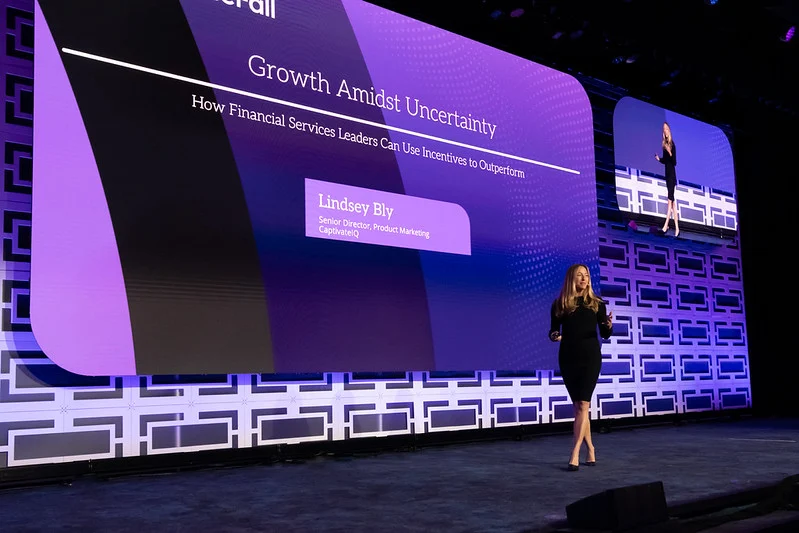
The financial technology sector is preparing for its most significant annual gathering as FinovateFall 2026 approaches, scheduled to take place at the Marriott Marquis Times Square in New York City from September 9 through September 11. This year’s iteration of the conference arrives at a critical juncture for the industry, as the initial hype surrounding generative artificial intelligence matures into a rigorous demand for functional, secure, and ROI-positive applications. The event, long considered the premier showcase for financial innovation, will maintain its signature format of seven-minute live, "no-slides" demos while introducing several new specialized tracks designed to address the diversifying needs of the global financial ecosystem.
As New York City serves as the backdrop, the 2026 conference is expected to draw thousands of attendees, ranging from venture capitalists and startup founders to C-suite executives from the world’s largest retail and investment banks. The agenda is meticulously structured to balance high-level strategic discourse with practical, hands-on demonstrations of the technologies that will define banking and payments for the remainder of the decade.
A Three-Day Chronology of Innovation
The structure of FinovateFall 2026 reflects the evolving priorities of the fintech world. The event is organized into a three-day timeline that moves from foundational technological debates to specialized sector deep dives.
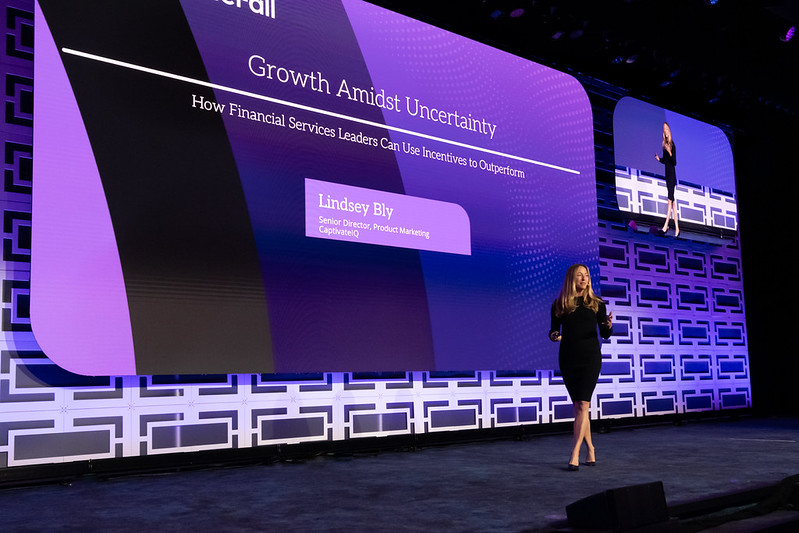
Wednesday, September 9, marks the commencement of the event, focusing heavily on "Agentic AI"—a shift from passive chatbots to autonomous agents capable of executing complex financial tasks. The day features the first round of live demos and key addresses that challenge the current state of customer experience (CX) in banking.
Thursday, September 10, transitions into the critical issues of security, trust, and compliance. As financial institutions integrate AI deeper into their core stacks, the risks associated with data integrity and industrialized fraud become paramount. This day also introduces the "Executive Debates," where industry veterans will clash over the speed of digital transformation versus the necessity of regulatory caution.
Friday, September 11, concludes the conference with a focus on implementation and loyalty. The final day includes the "IMPACT Funders and Founders" event, which facilitates direct engagement between high-growth startups and the capital that fuels them. This day also features the "Credit Union Spotlight," a new initiative recognizing the unique digital transformation challenges faced by community-based financial institutions.
The Shift to Agentic AI and Practical Utility
A central theme of the 2026 conference is the move away from "shopping" for AI and toward the actualization of existing investments. This is exemplified by the scheduled address from Melissa Solis, CEO of Inbenta. Solis is expected to present a provocative critique of the current market, titled "If You Already Own the AI, Then Why Are You Still Shopping?" Her presentation will focus on the systemic failure of many CX AI tools to handle basic inquiries, leading to a "vendor lock-in" that provides little value to the end consumer.

Inbenta’s approach, centered on its "Encore" platform, emphasizes "agentic AI"—systems that operate with near-zero hallucinations and 98% accuracy. For the banking sector, where accuracy is not optional, this shift is vital. Industry data suggests that while 85% of financial institutions have implemented some form of AI, only 22% have seen a measurable increase in customer satisfaction scores. Solis’s framework for auditing CX needs against vendor promises is expected to be a highlight for procurement officers and digital officers alike.
Furthering the discussion on autonomous systems, Siva Surendira, Founder and CEO of Lyzr AI, will introduce "Madison," an agentic workbench designed specifically for banks. The technology allows non-technical business users to describe a problem and generate a governed AI agent within minutes. This democratization of AI development is a significant trend for 2026, as banks seek to reduce their reliance on scarce data science talent and empower department heads to solve localized automation gaps.
Data and Market Realities: The Cost of Innovation and the Price of Fraud
The urgency of the topics discussed at FinovateFall is underscored by recent market data. According to industry reports, global spending on AI in financial services is projected to reach $45 billion by the end of 2026. However, the rise in technological capability has been mirrored by a rise in sophisticated threats.
Jennifer White, Senior Director of Global Banking and Payments Intelligence at JD Power, will address this "arms race" in her keynote, "Fraud in the Age of AI." White’s research indicates that as financial crime becomes industrialized, attackers are increasingly using better AI tools than the institutions they are targeting. The globalization of fraud means that a breach in one jurisdiction can be weaponized across the globe in seconds. White will argue that traditional defensive measures are no longer sufficient; instead, defenses must become as adaptive and automated as the attacks they seek to thwart.

Supporting this need for better intelligence, JD Power continues to lead in providing the "human-centric" data that banks need to understand how these crimes affect brand loyalty. The conference will serve as a platform to discuss how advanced analytics can predict customer churn following a security incident, a metric that is becoming as important as the direct financial loss of the fraud itself.
Establishing Trust in Financial Modeling
For the investment banking and private equity sectors, the challenge of AI is not just about fraud or customer service, but about the integrity of complex financial data. Charlie Schilling, CEO of Macabacus, will deliver a special address titled "Trust at the Speed of AI."
Macabacus, a staple in the productivity suites of top-tier consulting firms and investment banks, focuses on brand compliance and model accuracy. Schilling’s address will emphasize that "caution" is often the enemy of "value." He posits that for AI to be fully utilized in high-stakes financial planning and analysis (FP&A), there must be absolute trust in the model’s consistency. In an era where a single hallucinated figure in a pitch deck can derail a multi-billion dollar merger, the role of brand compliance and productivity tools is evolving from a luxury to a foundational requirement.
Enhancing Customer Experience and Loyalty
The final pillar of the 2026 conference is the practical application of AI to foster long-term loyalty. Jon Lakefish, Founder of the Lakefish Group, will lead an "Out of the Box" keynote focused on AI-enhanced CX. Unlike the high-level theoretical discussions of previous years, Lakefish’s session is designed to be a practical guide.

Following his keynote, Lakefish will host a hands-on workshop where participants can interact with real-world scenarios. This move toward interactive learning reflects a broader trend at Finovate: the need for "applied fintech." As the industry moves past the "pilot project" phase of AI, the focus shifts to how these tools can save time and money on a daily basis while enhancing the decision-making process for both the banker and the client.
Broader Impact and Industry Implications
The implications of the discussions at FinovateFall 2026 extend far beyond the walls of the Marriott Marquis. The emphasis on "agentic" and "governed" AI suggests a maturing regulatory landscape. As institutions like the Federal Reserve and the European Central Bank signal stricter oversight of automated decision-making, the fintechs that succeed will be those that prioritize auditability and transparency.
Furthermore, the "Credit Union Spotlight" indicates a shift in the market’s competitive dynamics. By providing smaller, community-focused institutions with the same technological "firepower" as global giants, fintech is acting as a great equalizer. This democratization of high-end financial tools could lead to a resurgence in community banking, as these institutions combine their traditional "local touch" with cutting-edge digital efficiency.
As the conference draws near, the consensus among industry analysts is that FinovateFall 2026 will be remembered as the year fintech stopped talking about the potential of AI and started proving its performance. With over 70 companies expected to demo their latest innovations, the event remains the definitive barometer for the health and direction of the global financial technology sector.

The event organizers have noted that registration remains open, with significant interest from international delegations, particularly from the Middle East and Southeast Asia, highlighting the global nature of the 2026 fintech landscape. For those attending, the message is clear: the next three years of financial evolution will be determined by the partnerships and technologies showcased this September in New York.

