
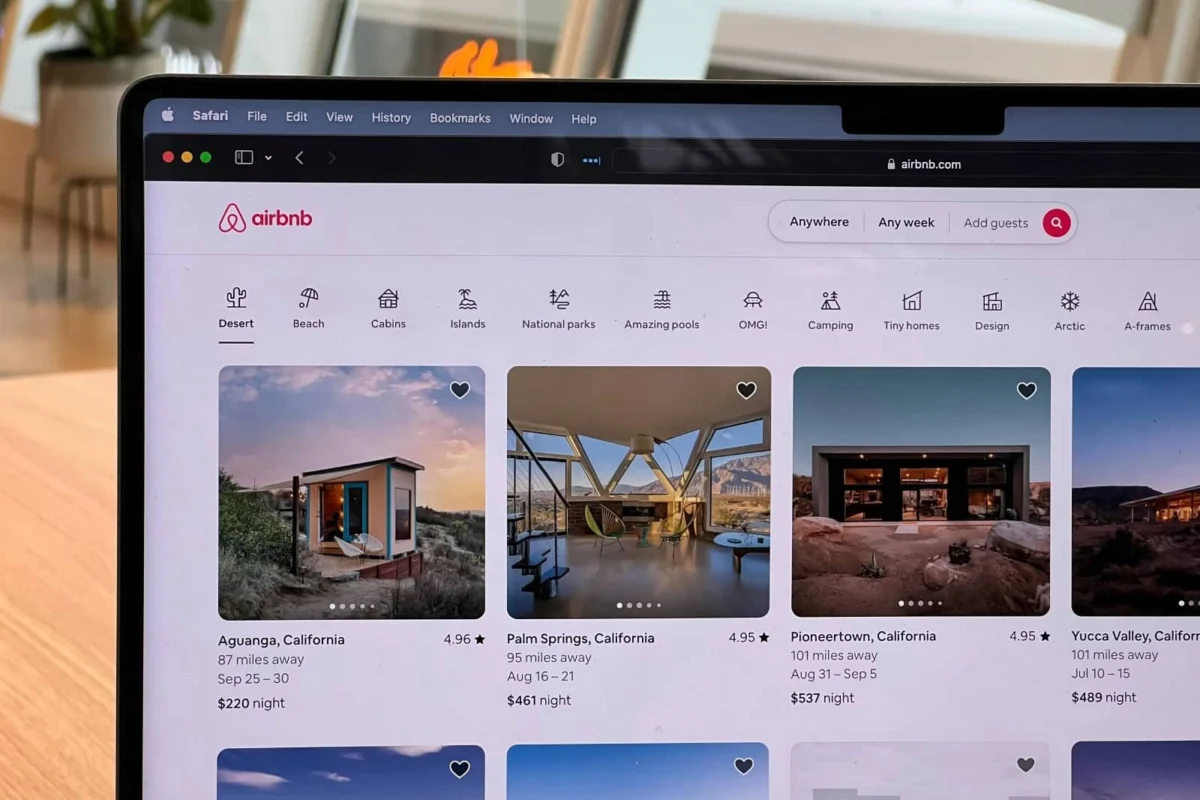
The much-anticipated Airbnb Summer 2026 release, unveiled by CEO Brian Chesky, has introduced a suite of groundbreaking features that are poised to fundamentally alter how travelers discover and book accommodations. While the public-facing announcements focused on expanded offerings like car rentals, boutique hotel integrations, and grocery delivery services, the true paradigm shift lies within four sophisticated AI-driven functionalities that have largely flown under the radar. These innovations, designed to personalize the guest experience at an individual listing level, represent a significant evolution in the platform’s strategy and will likely determine which properties achieve greater booking success in the coming years.
The event, held yesterday, saw Chesky present a vision for Airbnb that extends beyond traditional lodging. However, beneath the headlines about diversified services, a more profound change was taking shape. The company is now leveraging artificial intelligence to tailor the presentation of each individual listing to the specific preferences and trip intent of every potential guest. This means that the content, imagery, and reviews highlighted on a property’s page will dynamically adapt, creating a unique experience for each visitor, even for the same listing. This granular personalization marks a departure from platform-wide or category-specific optimizations, placing an unprecedented emphasis on the depth and quality of information provided by hosts.
This strategic pivot fundamentally redefines the concept of "optimizing your listing." Previously, hosts focused on broad appeal, comprehensive amenity lists, and attractive general descriptions. Now, the success of a listing will depend on its ability to provide rich, nuanced data that Airbnb’s AI can utilize to create compelling, personalized narratives for diverse traveler profiles.
Before hosts embark on costly revisions, a critical first step is to ascertain whether listing content is the actual bottleneck for bookings or profitability. In many cases, pricing may be the primary determinant. Tools like Mashvisor’s Data API can provide invaluable insights into occupancy rates and average daily rates for comparable properties in a given market. Armed with this data, hosts can make informed decisions about whether to address pricing strategies or refine their listing content, ensuring optimization efforts are directed where they will have the most impact.
The Four Pillars of AI-Driven Personalization
Airbnb’s Summer 2026 release introduces four key AI features that will shape the future of property bookings:
Feature 01: Personalized Listing Highlights
This AI-powered feature dynamically emphasizes different aspects of a listing based on a guest’s identified trip purpose and known preferences. For instance, a family traveling with children might see prominent highlights of a property’s extra bedrooms, child-friendly amenities, and outdoor play areas. Conversely, a digital nomad seeking a remote work haven would be presented with information about high-speed Wi-Fi, dedicated workspaces, and the property’s proximity to co-working spaces or quiet cafes.
This personalization is achieved not by hosts creating multiple versions of their listings, but by Airbnb’s AI intelligently curating and foregrounding existing content. The implication for hosts is clear: every attribute of a property, no matter how minor it might seem, now has the potential to be a crucial booking driver for a specific guest segment. Vague descriptions, incomplete amenity lists, and overlooked details can create significant blind spots, potentially costing valuable bookings. Hosts must therefore ensure their listings are comprehensive and detailed, leaving no stone unturned in showcasing their property’s full potential.
Feature 02: AI-Curated Review Highlights
With over a billion reviews accumulated on the platform, Airbnb is now employing AI to sift through this vast repository and surface specific testimonials and key phrases that directly address a guest’s individual interests and concerns. This moves beyond generic star ratings or summary statements. Instead, guests will be presented with targeted social proof, meticulously organized around the property’s strongest, most relevant attributes, and customized for each visitor.
The quality and depth of a property’s reviews are now active conversion assets. Listings with limited or superficial review coverage on critical features will be at a distinct disadvantage. They won’t just receive lower ratings; they will become less visible or even effectively invisible to guests seeking specific attributes that are not adequately validated by past guest experiences. Hosts are incentivized to encourage detailed, attribute-specific feedback from guests to capitalize on this feature.
Feature 03: "Ask About the Home" – AI-Powered Content Retrieval
A significant enhancement for guest inquiries is the new "Ask About the Home" feature. Guests can now pose natural language questions about a property, and Airbnb’s AI will extract answers directly from the listing’s content, including reviews, photos, and map data. For example, a guest might ask, "Is there a hiking trail nearby?" or "Does the backyard have adequate shade?" or "Is the kitchen spacious enough for a group of six?"
Historically, such questions might have gone unanswered, prompting guests to leave the platform to search elsewhere, potentially leading to lost bookings. Now, Airbnb aims to provide immediate, contextually relevant answers. The success of this feature hinges on the presence of pertinent information within the listing. If the relevant photo or the clarifying review doesn’t exist, the AI cannot answer, and the guest’s booking journey may falter. This underscores the importance of a rich, searchable content ecosystem for each listing.
Feature 04: AI-Generated Listing Comparisons
When guests save multiple properties to a wishlist, they will now receive an AI-generated comparative analysis. This is not a static checklist of amenities but a dynamic, personalized argument for each property, highlighting key differentiators based on the guest’s perceived preferences, dominant review themes, and critical distinctions relevant to that specific traveler.
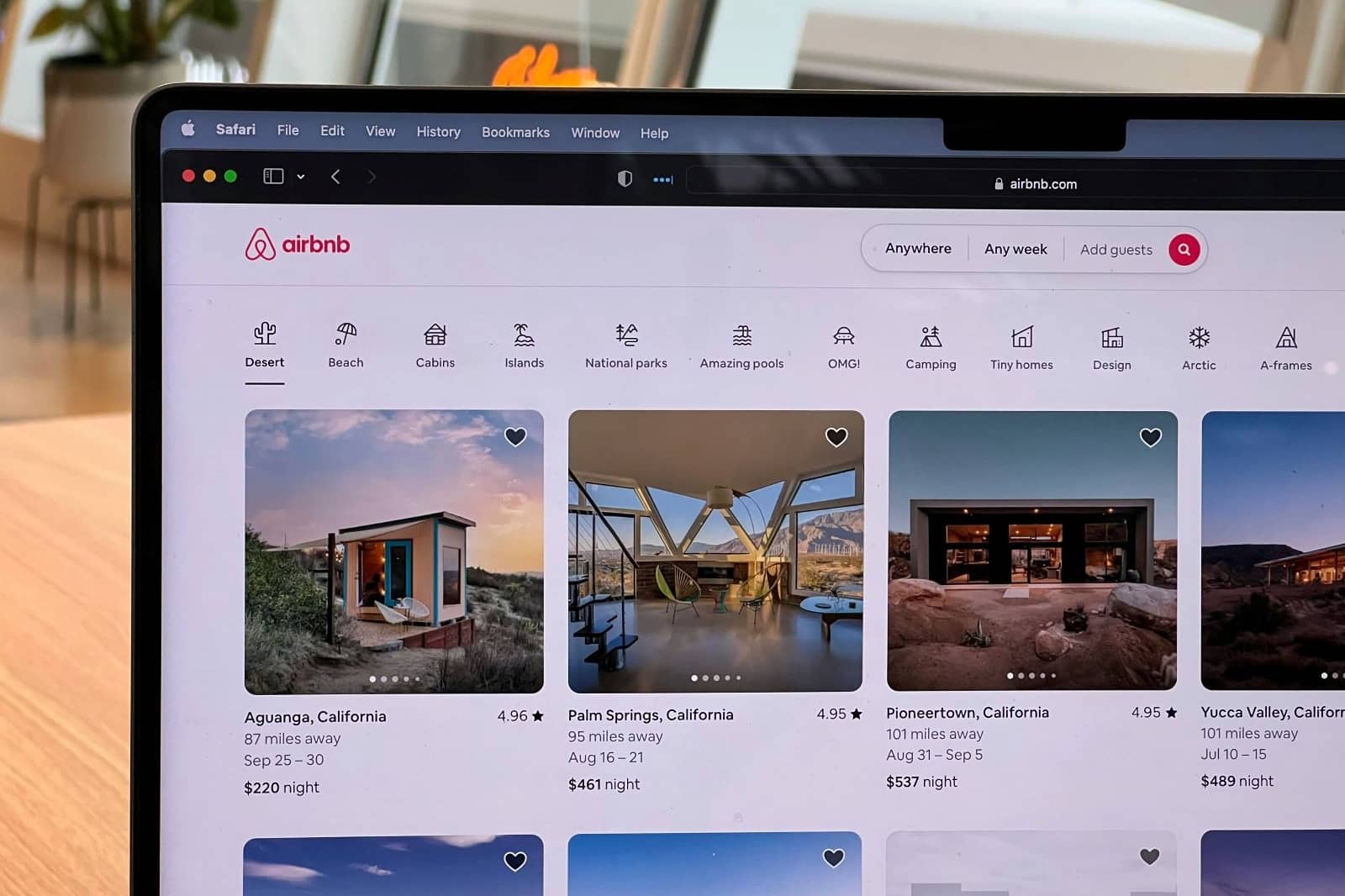
This feature shifts the competitive arena from a simple comparison of features and price points to a more sophisticated competition based on how effectively Airbnb’s AI can advocate for a particular listing. Properties that offer richer, more comprehensive data across their descriptions, reviews, and visual assets will be better positioned to "win" these AI-generated arguments. This encourages hosts to invest in detailed, compelling content that provides the AI with ample material to build a persuasive case for their property.
Strategic Implications for Short-Term Rental Hosts
The strategic shift at Airbnb signifies a move away from passive listing management towards a more active, data-driven approach. Properties that provide the AI with a wealth of detailed information are poised to perform best under this new system.
For individual hosts, this means re-evaluating their listing descriptions, photo captions, amenity details, and even their house manuals. These elements are no longer merely informational documents for guests; they are critical training data for the platform’s booking engine. Vague or generic content will likely yield vague or disappointing results. Conversely, specific, rich, and multi-dimensional content is more likely to be surfaced to the right guests at the opportune moment.
Property managers, in particular, must rethink their review acquisition strategies. The emphasis is no longer solely on achieving high star ratings. Reviews that specifically mention key attributes like "fast Wi-Fi," "quiet street," or "proximity to the beach" are now indexed and can be surfaced by the AI in response to guest queries or highlighted in personalized comparisons. Post-checkout guest communication should be designed to elicit these granular details, turning customer feedback into a powerful marketing asset.
Furthermore, the approach to photography is undergoing a transformation. Beyond aesthetically pleasing images, hosts must now prioritize photos that are functionally informative. These visuals should serve to answer common guest questions, illustrating everything from the setup of a workspace to the layout of the backyard or the availability of parking. Airbnb’s AI can now reference these images in real-time to address guest inquiries, making visual content a critical component of the AI’s ability to "sell" the property.
The Broader Context of Airbnb’s AI Evolution
The innovations introduced at the Summer 2026 release are not isolated product updates but rather the culmination of a long-term strategy by CEO Brian Chesky. For years, Airbnb has been focused on building the most comprehensive profile data on both guests and hosts within the travel industry, and now, it is activating this data through advanced AI. The platform’s ability to personalize experiences at such a granular level is a direct result of its extensive data density concerning guest behaviors, property characteristics, and booking patterns. This level of sophisticated personalization is virtually impossible for individual hosts or property managers to replicate manually.
Encouragingly, the data advantage Airbnb is cultivating is largely derived from the efforts of its hosts. Those who have invested time in creating rich, detailed, and honest listings over the past few years now possess a significant competitive asset. Conversely, hosts who treated their listings as a mere administrative task may find themselves at a disadvantage.
This moment calls for a thorough audit of existing listings, not just for aesthetic appeal, but for informational depth. Hosts should critically assess which attributes remain undescribed, what guest questions their current photos fail to address, and which review themes are lacking sufficient coverage. The booking algorithm has become considerably more sophisticated, and the content of listings must evolve to match its capabilities.
Before undertaking any content revisions, it is crucial for hosts to understand their current market standing. Mashvisor’s Property Finder and Short-Term Rental (STR) analytics tools provide access to real Airbnb performance data, including occupancy rates, average daily rates, cash-on-cash returns, and neighborhood comparables. This allows hosts to ground their optimization decisions in empirical market data, moving beyond guesswork.
Conclusion: The Era of Algorithmic Selling
Airbnb has ushered in an era of fully personalized booking experiences. The platform now leverages a property’s reviews, photos, and listing data to construct a real-time, compelling argument for or against booking, presented individually to each potential guest.
Hosts and property managers who recognize their listing content as a strategic asset will likely see an increase in bookings. Those who do not adapt may find themselves increasingly overlooked, not because their properties are inferior, but because their data is less comprehensive. The AI is now performing a significant portion of the sales function. Ensuring that hosts have provided it with sufficient, high-quality information is paramount to success in this evolving landscape.
Airbnb’s platform is undeniably becoming more sophisticated, and consequently, the bar for competing effectively is rising. Mashvisor’s extensive data, covering over 11 million short-term rentals across the United States, offers hosts and property managers the market visibility necessary to accurately assess their listings’ positions before implementing any optimization strategies. Understanding these critical numbers is the foundational step towards effective content enhancement.

