
The Women’s National Basketball Association (WNBA) has historically faced unique challenges in establishing itself within the competitive landscape of professional sports. Since its inception in 1996, the league has strived to carve out its own identity while operating within a complex financial and media ecosystem. For decades, the WNBA has been largely sustained by subsidies from the National Basketball Association (NBA), with reported annual operating losses often cited in the tens of millions of dollars. This financial structure has contributed to a perception of the league as struggling to achieve self-sufficiency, a narrative frequently linked to lower viewership figures, less robust sponsorship deals, and, consequently, lower athlete compensation compared to men’s professional sports leagues. While discussions around player pay often touch upon issues of equity, the economic realities of revenue generation remain a central component of these conversations, influencing everything from salary caps to marketing strategies. The pace of play and athletic comparisons to the men’s game have also been points of discussion, often contributing to the league’s struggle for broader mainstream appeal.
The Caitlin Clark Phenomenon: A Catalyst for Change
The 2024 WNBA season, however, marked a pivotal moment with the arrival of Caitlin Clark, a player whose collegiate career at the University of Iowa shattered numerous records and captivated a national audience. Clark’s unparalleled scoring ability, exceptional long-range shooting, and remarkable court vision translated into unprecedented viewership numbers and media attention during her college tenure, culminating in record-breaking NCAA tournament performances. Her entry into the WNBA as the number one overall pick in the 2024 draft was widely anticipated as a potential game-changer for the league.
Indeed, Clark’s professional debut with the Indiana Fever immediately delivered on this promise. Her presence has demonstrably galvanized interest in the WNBA, leading to significant spikes in television viewership, ticket sales, and merchandise demand. Initial reports indicated that games featuring Clark often saw viewership figures double, and in some instances, even triple, the typical league average. This surge in audience engagement has brought a new level of scrutiny and mainstream visibility to the WNBA, attracting viewers who may not have previously followed women’s basketball. The economic implications are substantial, offering the league an unprecedented opportunity to expand its revenue streams, secure more lucrative broadcast deals, and potentially reshape its long-term financial outlook. The question, however, quickly became whether the league and its existing player base were prepared for the profound shift Clark’s arrival would bring, both on and off the court.
On-Court Dynamics and Officiating Scrutiny
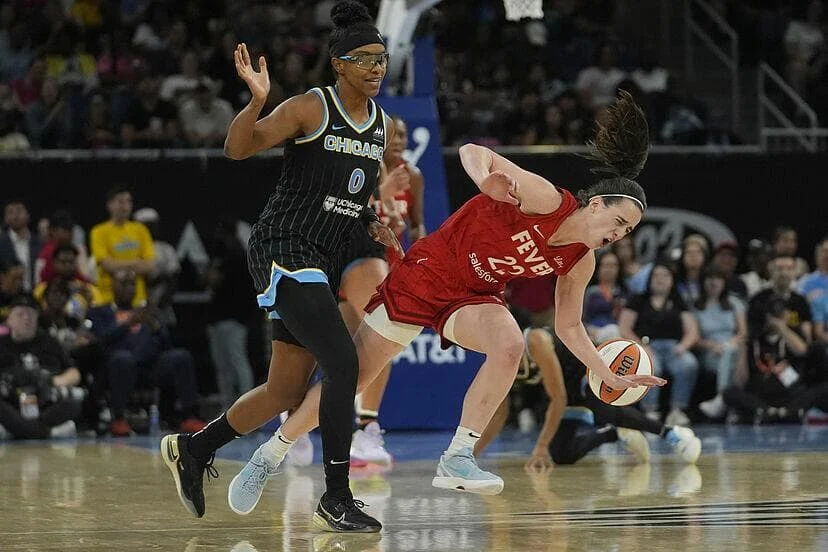
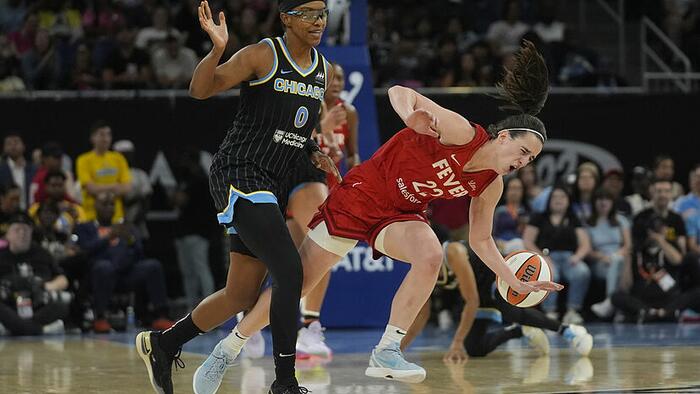
Clark’s transition to the professional ranks has been met with a unique blend of competitive intensity and heightened physicality from opposing players. This aggressive defensive approach has drawn considerable attention, particularly as a series of on-court incidents involving Clark have led to widespread public debate and social media discussion.
One notable incident involved Phoenix Mercury forward Alyssa Thomas during a game in June 2024. During a play, Thomas was observed making contact with Clark, appearing to knee her in the groin area and then pressing her closed fist into Clark’s throat while she was on the ground. Despite the apparent nature of the contact, no foul was called on the play by the officiating crew at the time. This particular incident, which resulted in Clark reportedly suffering a back injury that led to her sitting out multiple subsequent games, became a flashpoint for fan frustration and calls for greater accountability in officiating.
This was not an isolated event. Throughout her inaugural WNBA season, Clark has frequently been near the top of the league’s statistics for receiving fouls, including a notable number of uncalled flagrant fouls. Clips of these physical encounters, often widely circulated on social media, have fueled public perception that Clark is being targeted by opposing players with excessive physicality. Fans and commentators have increasingly pointed to a pattern of what they describe as "dirty tricks" or "cheap shots," raising questions about the consistency and efficacy of WNBA officiating. The perception that some fouls, particularly those deemed flagrant, are not being adequately addressed by referees has intensified the scrutiny on the league’s officiating standards. While competitive sports inherently involve physical play, the frequency and nature of the contact directed at Clark have prompted discussions about the line between aggressive defense and potentially dangerous or unsportsmanlike conduct.
Broader Societal Discussions and League Responses
The dynamics surrounding Caitlin Clark’s WNBA tenure have quickly transcended mere basketball analysis, evolving into a broader cultural and political discussion in the United States. The heightened physicality Clark has faced, coupled with her status as a new, highly visible white player in a league predominantly composed of minority athletes, has introduced discussions about racial and competitive dynamics. While the intensity of professional sports often breeds rivalries and physical play, the racial composition of some of these on-court interactions has led to public conjecture about underlying motivations, including envy over Clark’s immediate and unprecedented popularity.
Prominent figures in sports media, some of whom are black, have also engaged in critical commentary regarding Clark’s impact and the attention she receives. For instance, Emmanuel Acho, a former NFL player and current sports analyst, asserted on the "Speakeasy" podcast in June 2024 that the WNBA might be "better off without Caitlin Clark" because she had become a "distraction." Acho’s argument suggested that while Clark initially brought new eyes to the league, her presence had become a divisive element, implying that the league could potentially retain a portion of her audience even if she were to depart. Such comments, while representing a specific viewpoint, highlight the complex and often polarized discourse surrounding Clark.
The WNBA and NBA leadership have acknowledged the evolving nature of these debates. NBA Commissioner Adam Silver, recognizing the sensitive dimensions of the situation, publicly addressed the controversy during a panel event in New York. Silver described Clark as having become a "political football" in the country, suggesting that the discussions surrounding her had moved beyond purely basketball-related matters to encompass broader political and cultural issues in the United States. He specifically referenced the Alyssa Thomas incident, noting that the debate had become about more than just a foul call. While emphasizing Clark’s exceptional talent and character, Silver appeared to downplay or dismiss concerns about race-based targeting, framing the issues more broadly. His statement underscores the league’s delicate position in managing intense on-court rivalries while navigating a highly charged public discourse that touches upon race, gender, and competitive equity.
Further complicating the narrative, Clark has also experienced several notable omissions since joining the league. Despite her status as the undisputed top star and the number one draft pick, she was conspicuously absent from a WNBA 30th Anniversary commemorative poster. Additionally, she was not selected for the 2024 Olympic "Dream Team," a decision that drew considerable criticism given her undeniable impact on the sport’s popularity and her collegiate achievements. These perceived "snubs" have added to the perception among her growing fanbase that she is not being fully embraced or celebrated by all factions within the WNBA establishment, further fueling the public debate about the underlying reasons for her treatment.
Implications for the WNBA’s Future and Brand
Caitlin Clark’s arrival has presented the WNBA with an unprecedented opportunity for growth, but it has also unearthed significant challenges regarding its public image, internal dynamics, and officiating consistency. The immediate and quantifiable impact of her presence on viewership and attendance is undeniable. Her ability to attract a new, broader audience represents a critical juncture for a league that has long sought to expand its commercial footprint and achieve greater financial independence.
However, the controversies surrounding her on-court treatment and the ensuing public dialogue pose a significant test for the league’s leadership. The perception that a marquee player is being unfairly targeted, or that officiating is inconsistent, can erode fan trust and potentially alienate the very audience the league is striving to cultivate. The WNBA must navigate the delicate balance of allowing intense competition to flourish while ensuring player safety and maintaining the integrity of the game through fair and consistent rule enforcement. Failure to address these concerns effectively risks undermining the positive momentum Clark has generated.
Beyond the immediate issues, the situation prompts a broader examination of how the WNBA manages its burgeoning popularity and the diverse narratives that now surround it. The discussions involving race, competitive dynamics, and the commercial value of individual athletes are complex and deeply embedded in contemporary American culture. How the league addresses these intertwined issues—through transparent communication, consistent policy application, and a commitment to fostering a competitive yet respectful environment—will be crucial for its long-term success. The current moment is a pivotal one for the WNBA, offering both the potential for unprecedented growth and the necessity to confront challenging questions about its identity, values, and future trajectory in the evolving landscape of professional sports. The attention Clark brings is a double-edged sword, demanding that the league not only capitalizes on its newfound visibility but also effectively manages the intense scrutiny that accompanies it.

