
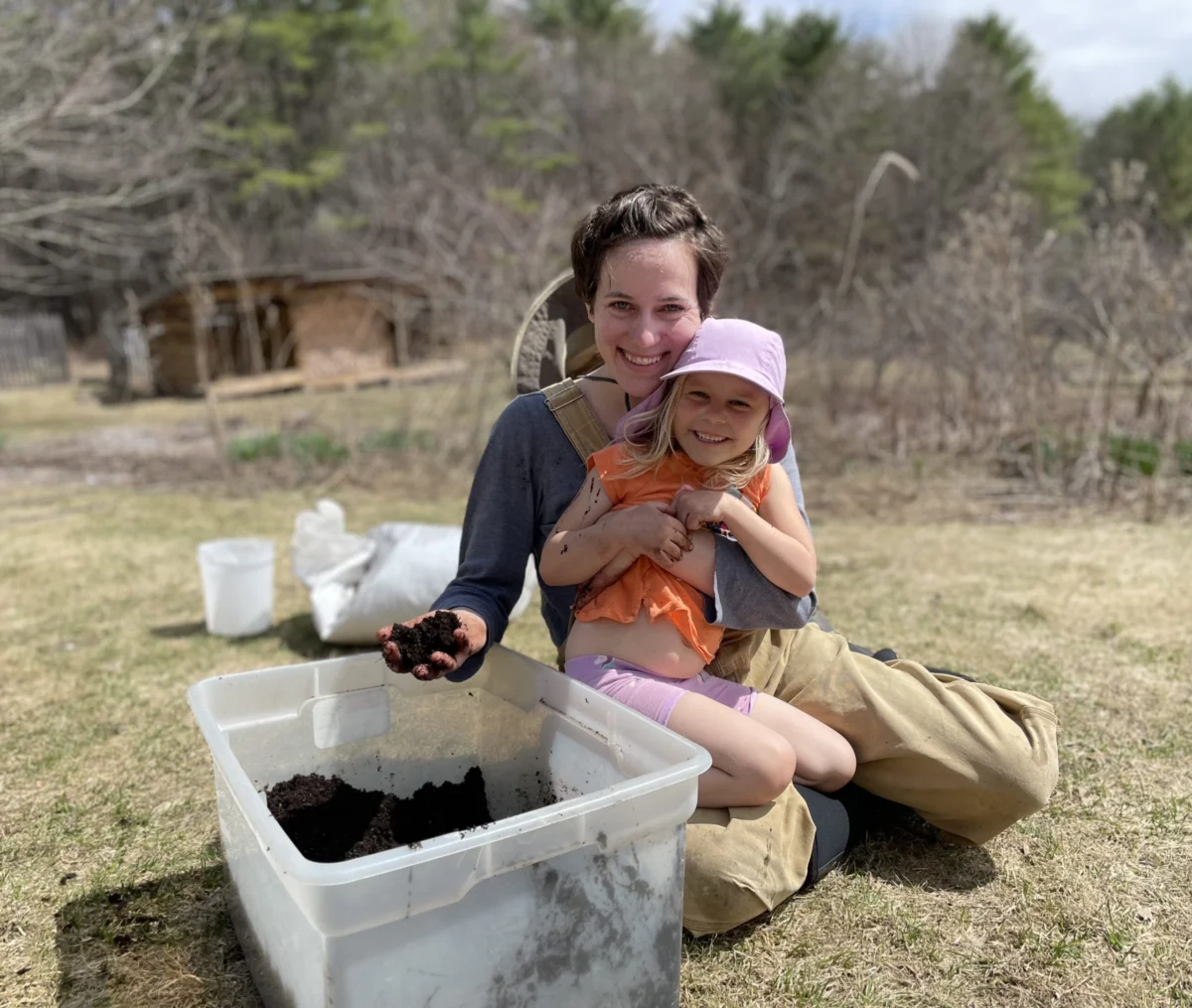
In May 2016, the founders of the financial and lifestyle platform Frugalwoods transitioned from an urban environment to a 66-acre homestead in rural Vermont. This move was part of a broader "back-to-the-land" trend that has seen a resurgence in North America over the last decade, driven by a desire for sustainable living, financial independence, and a departure from high-stress corporate environments. However, seven years into this transition, the experience of these residents provides a critical look at the discrepancy between the idealized vision of total food self-sufficiency and the operational realities of managing a large-scale rural property.
The initial objectives of the move were rooted in the concept of a "modern-day sustainable, free-range, organic paradise." This vision included the production of all fruits and vegetables required for the household, alongside the potential for raising livestock such as meat chickens, pigs, goats, and dairy cows. By 2023, the residents have reported a significant shift in this strategy, moving away from total self-reliance toward a balanced model that incorporates local agricultural commerce and moderate home gardening. This shift highlights the labor-intensive nature of homesteading and the psychological pressures associated with maintaining high production standards in a non-commercial setting.

Chronology of the Transition: 2016–2023
The timeline of the Frugalwoods homestead serves as a representative model for the stages of rural adaptation. The first phase, beginning in May 2016, was characterized by high expectations and the establishment of basic infrastructure. During this period, the residents grappled with the immediate physical challenges of rural life, such as power and water outages caused by ice storms—events that underscored the vulnerability of rural systems compared to urban utilities.

The second phase, roughly between 2017 and 2019, involved aggressive experimentation with crop production. This period included the "Kale and Chard Apocalypse of 2018," a pivotal event where the over-planting of 80 greens led to a surplus that exceeded the family’s processing and consumption capacity. This event served as a catalyst for re-evaluating the "Little House on the Prairie" ideal, exposing the "time-bound pressures" that a garden exerts on a household.

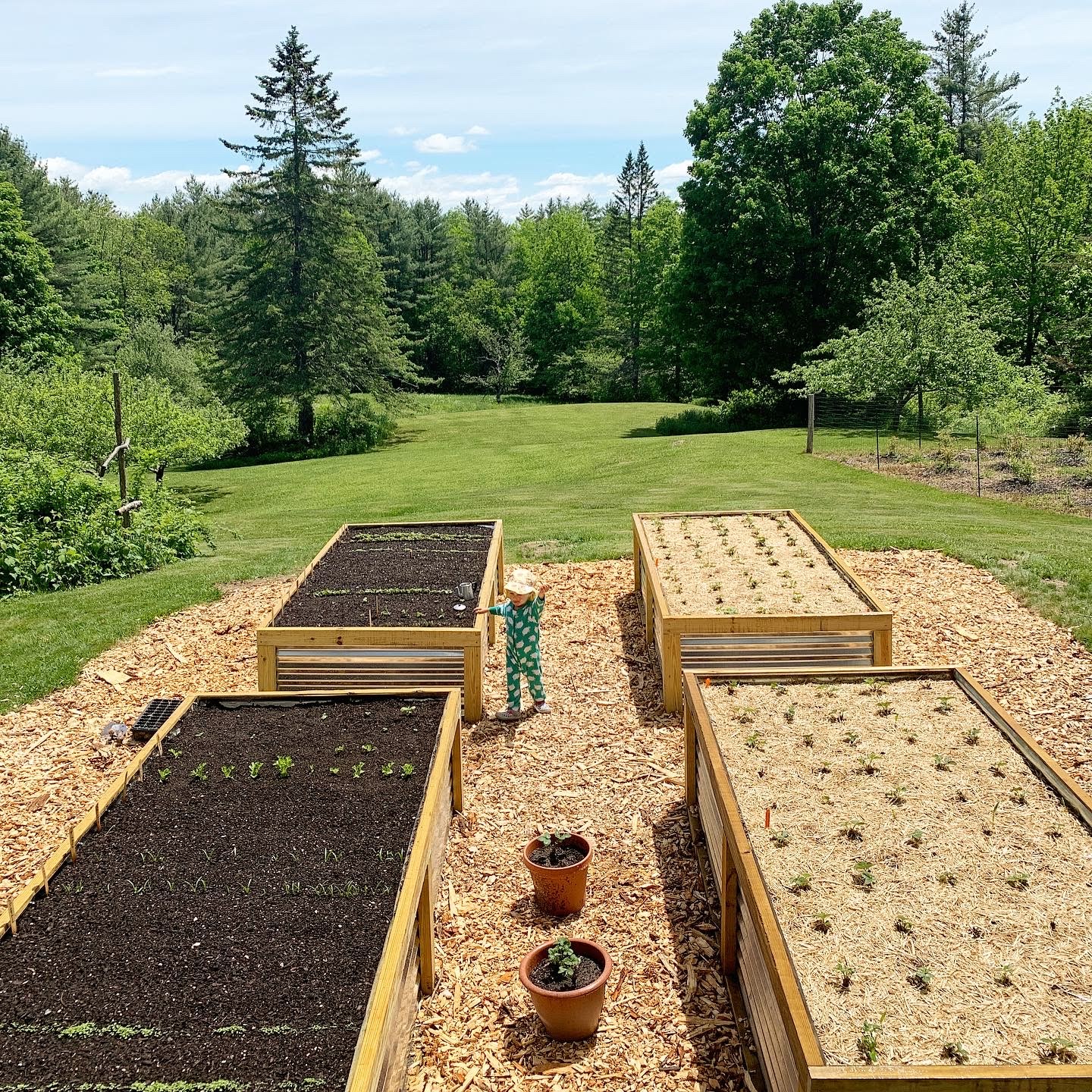
The third phase, spanning 2020 to 2023, focused on infrastructure refinement and the adoption of a more sustainable labor model. In 2020, the residents constructed four raised beds near the primary residence to streamline the harvest of daily essentials like herbs and strawberries. By the seventh anniversary of their move in 2023, the homesteaders had officially moved into a phase of "acceptance," prioritizing lifestyle freedom over maximum caloric output.

Labor and Economic Realities of Food Self-Sufficiency
The pursuit of total food self-sufficiency is often marketed as a cost-saving measure, yet the labor data from the Vermont homestead suggests a different economic reality. For the residents, the harvest and preservation of crops transformed into a "full-time job" during peak seasons.

In the 2018 greens harvest, the processing of a single crop required multiple days of labor, involving harvesting, washing in large-scale stations (including a repurposed children’s pool), blanching, and freezing. The subjects reported that the sheer volume of 80 plants was approximately 70 more than required for their household needs. This overproduction highlights a common pitfall in homesteading: the inability to accurately calculate consumption rates against yield potential.

Furthermore, the economic trade-off of "homesteading burnout" led the residents to support local commercial farmers. By purchasing food from neighbors who farm full-time, the homesteaders transitioned from subsistence producers to participants in the local agricultural economy. This shift suggests that for many modern homesteaders, the most efficient path to sustainability is not total isolation but rather a "moderate" approach that leverages the specialized skills of professional farmers within the community.

Biological and Environmental Variables in New England Agriculture
The Vermont homesteading experience is deeply influenced by the specific environmental conditions of the Northeast. The residents identified several critical variables that complicate the production of perennial and annual foods:
- Production Timelines: Unlike annual vegetables, perennial fruits require significant lead times. Apple trees typically require approximately six years to produce a viable harvest, while blueberry bushes may take two to three years. This requires long-term planning and capital investment before any return on labor is realized.
- Wildlife Interference: The "Clever Varmint Patrol" (CVP), a term used by the residents to describe local wildlife, represents a significant threat to yields. Plums and cherries were frequently lost to animals that harvested the fruit the moment it reached peak ripeness. The use of netting and fencing proved only partially effective, with wild turkeys occasionally becoming trapped within the enclosures, necessitating manual intervention.
- Climatic Volatility: The success of the harvest is dependent on precise weather patterns. Late frosts can destroy blossoms, while excessive or insufficient rainfall can lead to crop failure or disease. The residents noted that the unpredictability of the New England climate creates a "high-stakes" environment for those relying on their land for sustenance.
- Synchronous Ripening: Most perennial crops on the property ripen simultaneously. This creates a "bottleneck" in the kitchen, where the volume of ripe fruit exceeds the storage and processing capacity of a standard residential setup. Without industrial-grade equipment, significant portions of the harvest are at risk of spoilage.
Structural Management of the 66-Acre Property
As of 2023, the homestead manages its food production through three distinct zones, each designed for a different level of engagement and yield:

- Zone 1: Proximate Raised Beds: Located adjacent to the back porch, these four beds are used for high-frequency items such as strawberries, herbs (parsley, sage, rosemary, thyme), and salad greens. This zone emphasizes convenience and reduces the "barrier to entry" for daily cooking.
- Zone 2: The "Big" Vegetable Garden: A fenced-in area utilizing cattle panels for vertical growth (tomatoes, snap peas, beans). This zone is the primary site for annual vegetable production. It also serves an educational purpose, with specific rows allocated to the children to foster agricultural literacy.
- Zone 3: Perennial Orchards and Berry Patches: Managed primarily by the male head of household, this zone includes apples, pears, plums, cherries, blueberries, raspberries, and elderberries. While the number of plants is high, the actual yield is mitigated by the aforementioned wildlife and weather factors.
Analysis of Implications: The Psychological Shift
The most significant finding from the seven-year retrospective of the Frugalwoods homestead is the psychological transition from "perfectionism" to "balance." The residents noted that the drive to be a "perfect homesteader" often replicated the stress of the "city rat race" they had intended to escape. By "chaining" themselves to the garden, they found they had merely exchanged one form of time-bound pressure for another.

The decision to scale back production is an act of "acceptance" that challenges the prevailing narrative in some homesteading circles that total self-sufficiency is the only valid goal. This case study suggests that for those moving to rural areas for "joy, time, freedom, and space," a moderate approach to agriculture may be more sustainable in the long term.

Broader Impact on the Rural Transition Movement
The Frugalwoods’ experience reflects a growing trend of "realistic homesteading" that is likely to influence future rural migrants. As more people seek to leave urban centers, the data from this seven-year journey provides a sobering but necessary counter-narrative to idealized social media portrayals.

The broader implications suggest that:

- Community Integration is Vital: Supporting local farmers is often more efficient than attempting to produce all food categories independently.
- Infrastructure Over Labor: Investing in low-maintenance infrastructure (like cattle panels and raised beds) can reduce the physical toll of gardening.
- Lifestyle over Output: The success of a homesteading venture should be measured by the quality of life of the residents rather than the total volume of canned goods in the larder.
In conclusion, while the Frugalwoods did not achieve the total self-sufficiency they initially envisioned, their transition to a 66-acre homestead has resulted in a stable, moderate agricultural model that prioritizes community involvement and personal well-being over the "all-consuming" demands of subsistence farming. This evolution marks a significant milestone in the modern back-to-the-land movement, offering a blueprint for a more balanced and sustainable rural life.

