
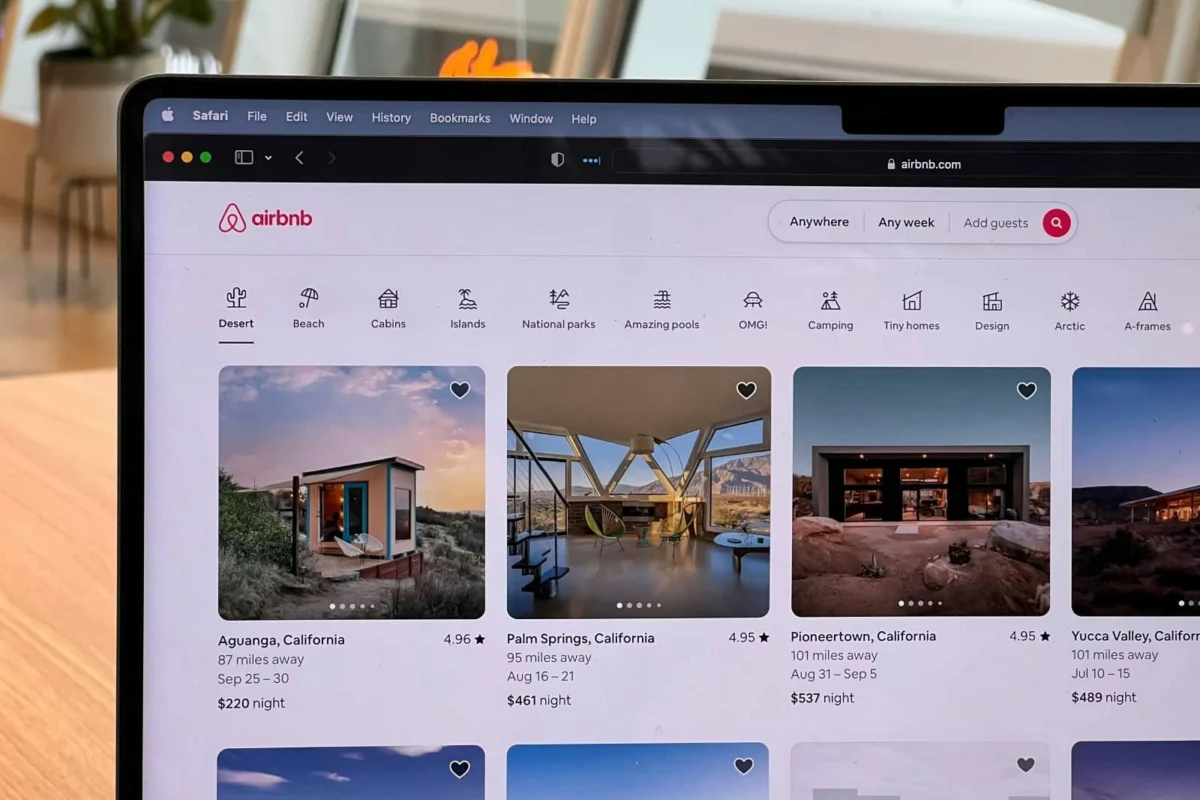
When Brian Chesky, CEO of Airbnb, stepped off the stage following the company’s Summer 2026 release event, the immediate media buzz focused on the platform’s ambitious expansion into car rentals, boutique hotels, and grocery delivery. While these guest-facing initiatives represent significant strategic moves for the travel giant, they have largely overshadowed a more profound, albeit less visible, shift: the integration of four powerful AI features poised to fundamentally alter how properties secure bookings and how hosts optimize their offerings. These understated advancements, almost overlooked in the fanfare, are the true harbingers of change for the short-term rental market.
The core of this AI-driven transformation lies in Airbnb’s newfound ability to personalize the booking experience at the individual listing level. This is not a broad, platform-wide enhancement, nor a category-specific tweak. Instead, it is a granular approach where the content a potential guest encounters on a property’s page—the highlighted photos, the specific reviews displayed, and the tailored reasons presented for booking—will dynamically adapt based on Airbnb’s deep understanding of that particular guest’s profile and preferences. This means that even for the exact same property, the presentation will vary for each visitor, creating a unique browsing journey that prioritizes what is most relevant to them. This paradigm shift redefines the very concept of "optimizing your listing," moving beyond static descriptions and universal appeal to a dynamic, individualized sales pitch orchestrated by artificial intelligence.
The Genesis of AI-Driven Personalization at Airbnb
Airbnb’s journey toward this AI-centric future has been a gradual evolution, building upon years of data collection and algorithmic refinement. The company, which has consistently emphasized its commitment to leveraging technology to improve the travel experience, has been steadily accumulating vast datasets on guest behavior, property attributes, and booking patterns. The Summer 2026 release marks a significant inflection point where this accumulated intelligence is now being actively deployed to create hyper-personalized user experiences.
The groundwork for this move was laid with earlier AI integrations, such as improved search algorithms and personalized recommendations. However, the Summer 2026 release represents a quantum leap, embedding AI directly into the presentation layer of individual listings. This strategic decision reflects a growing understanding within the tech and travel industries that the future of online commerce, particularly in experiential sectors like travel, lies in delivering highly tailored content and experiences. By shifting the focus from a one-size-fits-all approach to a bespoke presentation for each user, Airbnb is positioning itself to capture a larger share of bookings by more effectively matching guests with the properties that best suit their immediate needs and desires.
Understanding the Four Pillars of Airbnb’s AI Revolution
The true impact of Airbnb’s Summer 2026 release for hosts and property managers lies within these four under-the-radar AI features:
Feature 01: Personalized Listing Highlights
This feature is the cornerstone of Airbnb’s new personalization strategy. The platform now intelligently emphasizes different aspects of a property listing based on a guest’s identified trip purpose and known preferences. For instance, a family traveling with children might be shown images and descriptions highlighting the extra bedroom, child-friendly amenities, or a secure backyard. Conversely, a digital nomad or remote worker might have their attention drawn to features like high-speed internet, a dedicated workspace, or proximity to co-working spaces.
The implication for hosts is profound: every detail within a listing becomes a potential selling point, and its relevance is now context-dependent. This elevates the importance of comprehensive and detailed listing content. Vague descriptions, incomplete amenity lists, or missing property details are no longer minor oversights but significant "blind spots" that the AI cannot leverage to a guest’s advantage. Hosts must now ensure their listings are rich with information that caters to a diverse range of traveler needs, as the AI will dynamically select and present these attributes. The success of a listing will increasingly depend on its ability to provide a wealth of discoverable information for the AI to work with.
Feature 02: AI-Curated Review Highlights
With over a billion reviews in its repository, Airbnb is now harnessing AI to sift through this vast repository and surface the most pertinent reviews and specific phrases that directly address a guest’s expressed or inferred interests. This is a significant departure from generic review summaries. Instead, it provides targeted social proof, organized around a property’s strongest attributes, and tailored to each individual visitor.
The quality and depth of a property’s reviews are now active conversion assets. Listings with sparse or generic review coverage on key attributes will face a distinct disadvantage. It’s not merely about having a high star rating; it’s about having reviews that specifically speak to the amenities and experiences a particular guest is seeking. For example, if a guest prioritizes a quiet environment, AI will surface reviews that explicitly mention the property’s tranquility. Hosts who have cultivated a strong base of detailed, attribute-specific reviews will see these become powerful tools for conversion, while those with superficial reviews may find their properties overlooked on critical dimensions.
Feature 03: "Ask About the Home," Answered by Your Content
This innovative feature empowers guests to pose natural-language questions about any property, with Airbnb’s AI providing answers drawn directly from the listing’s existing content—reviews, photos, and map data. Questions like "Is there a hiking trail nearby?" or "Does the backyard have sufficient shade?" or "Is the kitchen well-equipped for a large group?" can now be answered instantaneously by the platform.
Historically, such queries might have gone unanswered, forcing guests to conduct external research or abandon their booking. Now, Airbnb acts as an intelligent concierge, leveraging the host’s provided information. If a relevant photo exists that visually answers the question about shade, or if reviews mention the proximity of hiking trails, the AI will present this information. Conversely, if the necessary content is absent, the question will remain unanswered, potentially leading to a lost booking. This underscores the critical need for hosts to proactively populate their listings with content that anticipates and answers common guest inquiries.
Feature 04: AI-Generated Listing Comparisons
When a guest curates a list of potential properties, Airbnb now provides an AI-generated comparison that goes beyond a simple amenities checklist. This comparison acts as a personalized case for each property, drawing upon highlighted features, dominant review themes, and key differences that are most relevant to that specific traveler.
This fundamentally alters the competitive landscape. Hosts are no longer solely competing on price or overall star rating. They are now competing on how effectively Airbnb’s AI can construct a compelling narrative for their property. Listings that possess richer, more detailed, and more relevant data will naturally win these AI-generated arguments, presenting a stronger case to the potential guest. This emphasizes the strategic importance of comprehensive data within a listing, as it directly influences its competitive positioning.
The Strategic Imperative for Hosts and Property Managers
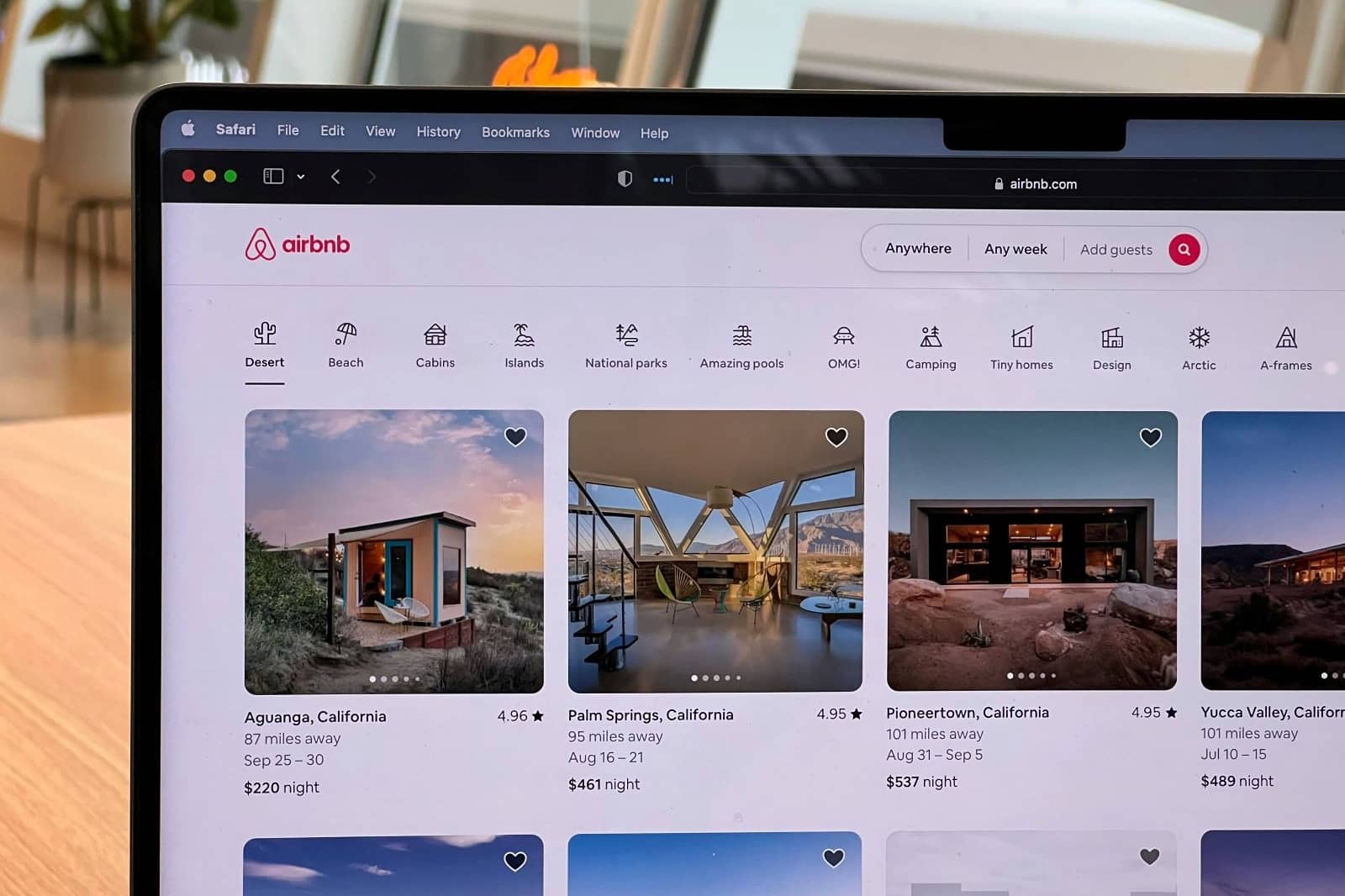
The shift in Airbnb’s strategy is clear: passive listings are becoming increasingly disadvantaged. Properties that actively provide the AI with abundant, high-quality data are the ones poised to win more bookings in this new environment.
For individual hosts, this means that the listing description, photo captions, amenity details, and even the house manual are no longer mere informational documents. They are now critical training data for the platform’s booking engine. Vague or superficial content will yield similarly vague or superficial results, with the listing being less likely to be surfaced to relevant guests. Conversely, specific, rich, and multi-dimensional content will be intelligently utilized by the AI to connect properties with the right guests at the opportune moment.
Property managers will need to re-evaluate their review strategies. Encouraging guests to leave detailed, attribute-specific reviews is no longer just about boosting star ratings. Reviews that explicitly mention positive aspects like fast Wi-Fi, a quiet street, or convenient beach access are now indexed and surfaceable content. Post-checkout guest communication should be designed to elicit these specific details, transforming them into valuable marketing assets.
Similarly, photo strategy is being upended. Beyond aesthetic appeal, photos must now be functionally informative. They need to visually answer common guest questions, such as the setup of a workspace, the view from the backyard, or the availability of parking. Airbnb’s AI can now reference these images in real-time responses to guest queries, making visual content a crucial component of the AI’s decision-making process.
Data-Driven Optimization: The Key to Navigating the New Landscape
In this evolving environment, data-driven decision-making is paramount. Hosts and property managers need to understand not just their own listing’s performance but also its standing within the broader market. Mashvisor’s Real Estate Data API provides access to crucial market intelligence, including occupancy rates and average daily rates (ADRs) for comparable properties. This data offers a baseline against which hosts can measure their own listing’s performance before embarking on optimization efforts. Understanding whether the issue lies with pricing or listing content is critical for efficient resource allocation.
Mashvisor’s extensive database, covering over 11 million short-term rentals across the US, offers hosts and property managers granular insights into Airbnb occupancy rates, cap rates, cash flow estimates, and neighborhood-level comparable data. This empowers them to make informed decisions grounded in actual market performance rather than guesswork.
The Broader Implications for the Short-Term Rental Ecosystem
The AI-centric enhancements at Airbnb are not merely incremental product updates; they are the inevitable outcome of a long-term strategy to build the most comprehensive profile data on guests and hosts in the travel industry and then leverage it effectively. The platform has now reached a critical density of data—encompassing guest preferences, property characteristics, and booking behaviors—allowing it to personalize experiences at a level that individual hosts or property managers could never replicate manually.
The good news for hosts who have invested in detailed and accurate listings is that the data advantage Airbnb is building is, in essence, their own data. Their reviews, photos, and listing descriptions are the raw material that the AI uses. Those who have treated their listings as dynamic, strategic assets are now well-positioned to benefit. Conversely, those who viewed their listings as a perfunctory checkbox exercise may find themselves at a significant disadvantage.
This moment calls for a thorough audit of existing listings, focusing not just on visual appeal but on informational depth. Hosts should critically assess:
- What attributes do we possess that are not adequately described?
- What common guest questions could our current photos answer that they currently do not?
- What review themes are underrepresented in our feedback?
The booking algorithm has become significantly more sophisticated, and consequently, listing content must evolve to match its complexity.
Conclusion: Adapting to an AI-Powered Booking Future
Airbnb has fundamentally transformed the booking process into a personalized experience. The platform now leverages a property’s reviews, photos, and listing data in real-time to construct a compelling case—or conversely, to highlight deficiencies—for every potential guest.
Hosts and property managers who recognize their listing content as a strategic asset will undoubtedly secure more bookings. Those who fail to adapt will find their properties becoming increasingly invisible, not due to a lack of quality, but because their data is insufficient for the AI to effectively market them. The algorithm is now an active participant in the sales process, and hosts must ensure they have provided it with the necessary tools to succeed. The future of short-term rentals hinges on the ability to feed the algorithm with rich, detailed, and relevant information, ensuring that properties are not just listed, but strategically presented to an increasingly discerning and personalized audience.
The sophistication of Airbnb’s platform continues to grow, raising the bar for competition. Mashvisor’s comprehensive tracking of occupancy rates and average daily rates across millions of short-term rentals in the US provides hosts and property managers with the market intelligence necessary to accurately assess their listings’ positions before implementing any optimization strategies. Understanding one’s market standing is the crucial first step before engaging in data-driven optimization.

