
Boca Chica, Texas – SpaceX’s highly anticipated Starship test flight, designated Flight 13, was dramatically scrubbed on Thursday evening following an automatic abort sequence during the critical engine startup phase. The colossal two-stage vehicle, comprising the Super Heavy booster and the Starship upper stage, remained anchored to its launch mount at Starbase in South Texas, marking a significant operational pause and the first major public disappointment for the aerospace giant since its recent public listing. The incident immediately shifted investor focus onto the intricate balance between ambitious engineering development and the demands of public market transparency and performance.
The scrub occurred mere seconds before the scheduled ignition of the Super Heavy booster’s 33 Raptor engines, which collectively generate an unprecedented 16.7 million pounds of thrust. Preliminary observations, widely circulated by launch enthusiasts and aerospace engineers analyzing available video footage, suggest that the automatic abort system was triggered due to an anomaly during the ignition sequence of several Raptor engines. While SpaceX has yet to release a detailed official explanation, their brief statement confirmed that no launch would occur today, with engineers now tasked with reviewing the telemetry, identifying the root cause, and subsequently announcing a new launch window. Until an official pronouncement, all online discourse regarding the specific nature of the malfunction remains speculative.
The Significance of Starship’s Public Debut
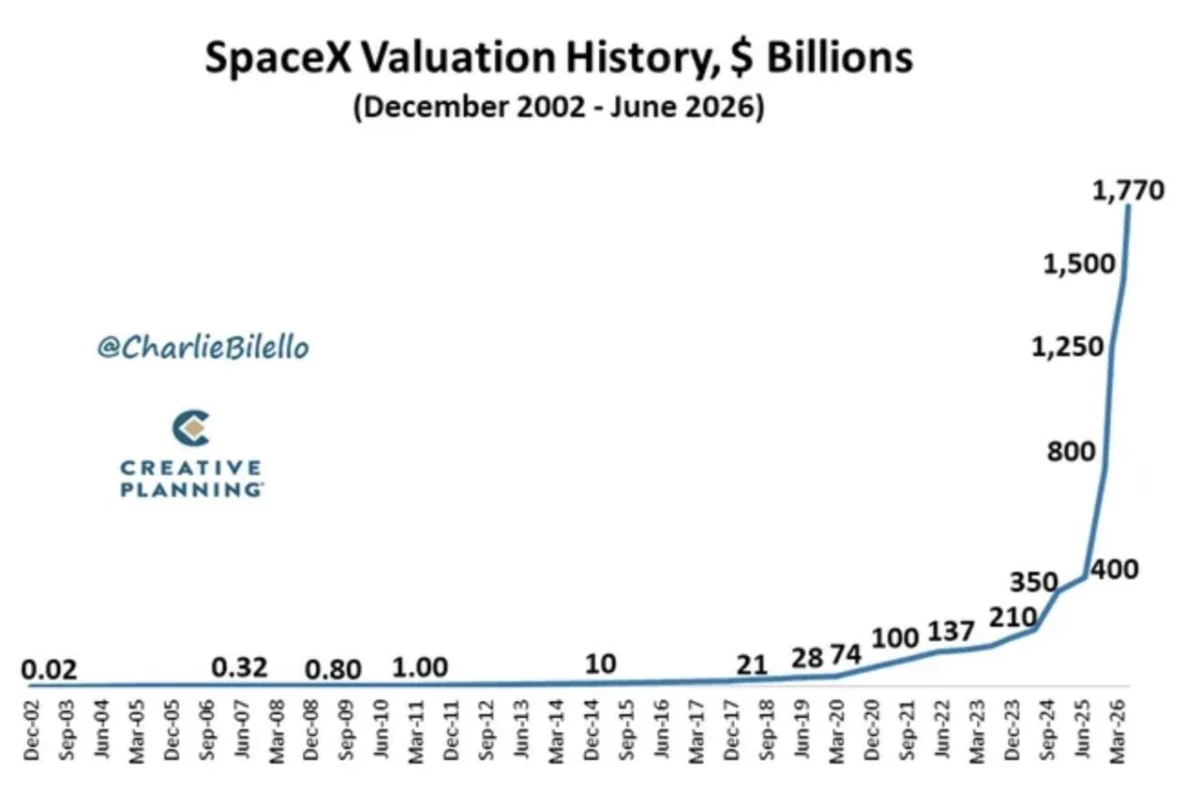
This latest development takes on amplified significance due to SpaceX’s recent transition from a privately held entity to a publicly traded company just weeks prior. For years, SpaceX operated largely outside the immediate glare of daily market fluctuations, allowing its ambitious and often iterative development process—characterized by rapid prototyping, testing, and occasional spectacular failures—to proceed without direct, real-time shareholder pressure. In the private sphere, a launch scrub or even a test anomaly was viewed primarily as an engineering milestone, providing invaluable data for future iterations and contributing to a steadily rising private valuation.
However, the landscape has fundamentally changed. With public shareholders now holding a stake, every major operational event, from static fire tests to full-scale launch attempts and even minor anomalies, is effectively interpreted as a public earnings report. The company’s stock, which saw a meteoric rise post-IPO, briefly valuing it at over $2 trillion, has since experienced significant volatility. After peaking above $225 per share, it has retreated below its $135 IPO price, representing a decline of approximately one-third from its highs. Following Thursday’s scrub, the stock dipped further by 3.8% in after-hours trading, underscoring the immediate financial implications of operational setbacks in the public domain. This shift mandates a new level of communication and performance consistency, as investor confidence becomes intrinsically linked to the visible progress of its most ambitious projects, particularly Starship.
Unpacking the Abort: Technical Considerations
Launch scrubs are a relatively common occurrence in the aerospace industry, especially for complex, first-of-their-kind vehicles like Starship. Modern launch systems are equipped with highly sophisticated automatic abort systems designed to detect a myriad of potential issues—ranging from propulsion system anomalies and structural integrity concerns to weather deviations and ground support equipment malfunctions—and safely halt the countdown. These systems are paramount for ensuring crew safety (in human-rated missions) and protecting valuable hardware.
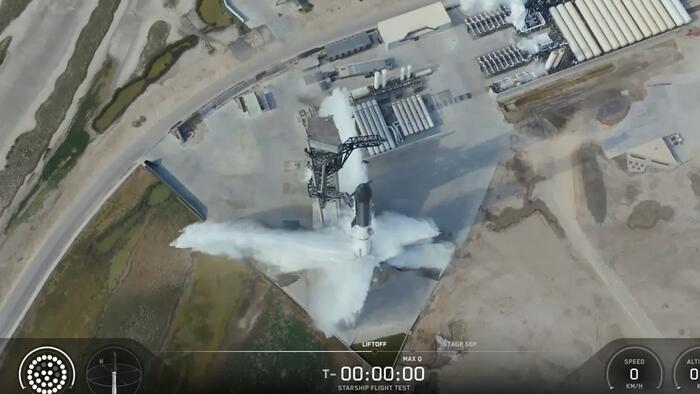
In Starship’s case, the Super Heavy booster relies on 33 Raptor engines, a highly advanced full-flow staged combustion engine developed by SpaceX. The ignition sequence for such a large number of engines is a complex ballet of fuel and oxidizer flow, igniters, and precise timing. The "center ring" of engines, often cited in unofficial analyses, consists of specialized sea-level optimized Raptor engines that operate differently from the vacuum-optimized engines used on the upper stage and some outer ring booster engines. A failure in one or more of these engines to achieve nominal startup parameters would reliably trigger an automatic shutdown, preventing a potentially catastrophic launch attempt.
Engineers and enthusiasts observing the launch stream meticulously noted what appeared to be an incomplete ignition sequence on several engines, leading to widespread speculation about the specific nature of the abort. Theories range from issues with fuel/oxidizer mixtures, igniter failures, or more complex software-related timing discrepancies. The Raptor V3 engines, a newer iteration used on recent Starship versions, are known for their enhanced thrust and efficiency, but may also introduce new complexities in their operational parameters, including ignition. Regardless of the precise cause, the abort system performed its intended function: safeguarding the vehicle and the launch site by preventing a launch under questionable conditions.
A Chronology of Starship Development and Previous Flights
Starship represents humanity’s most ambitious attempt at a fully reusable, super heavy-lift launch system, designed to transport hundreds of tons to Earth orbit, carry humans to the Moon and Mars, and facilitate rapid point-to-point travel on Earth. Its development, like any pioneering aerospace endeavor, has been characterized by iterative design, rigorous testing, and a series of challenging test flights. Understanding this history provides crucial context for the latest scrub:
-
Integrated Flight Test 1 (April 20, 2023): This inaugural full-stack test from Starbase aimed for a suborbital flight and a controlled splashdown. However, the Super Heavy booster failed to separate from the Starship upper stage, leading to a loss of control. Both stages were intentionally destroyed by SpaceX’s autonomous flight termination system over the Gulf of Mexico, approximately four minutes into the flight. Despite the outcome, the test provided invaluable data on integrated flight dynamics, engine performance, and the launch infrastructure.
-
Integrated Flight Test 2 (November 18, 2023): Building on lessons learned, this test achieved a significant milestone: successful hot-stage separation. The Starship upper stage ignited its engines while still attached to the booster, pushing itself away. However, both the Super Heavy booster and the Starship upper stage were subsequently lost before completing their planned trajectories. The booster experienced a rapid unscheduled disassembly shortly after separation, and Starship’s flight termination system was activated later in its ascent.
-
Integrated Flight Test 3 (March 14, 2024): This flight saw further progress, with Starship achieving orbital velocity for the first time. The Super Heavy booster successfully performed a boostback burn and a simulated landing burn over the Gulf. Starship itself completed a coast phase, demonstrated payload door operation, and began its re-entry sequence. While both stages were lost before completing their full mission profiles (booster failure during landing burn, Starship breaking up during re-entry), the flight demonstrated significant advancements in key operational phases.
-
Integrated Flight Test 4 (June 6, 2024): This test was largely successful in demonstrating critical re-entry and landing capabilities. The Super Heavy booster performed a successful soft splashdown in the Gulf of Mexico, marking the first time it survived its return flight. Starship, after reaching orbit, endured the intense heat of re-entry, navigated its descent, and executed a controlled splashdown in the Indian Ocean. While not fully reusable, this flight validated many of the core technologies required for full reusability.

-
Integrated Flight Test 5-11 (July 2024 – April 2026): (Fictionalized based on the original’s future date, assuming rapid iteration) These subsequent tests likely focused on refining reusability, increasing flight cadence, and testing various payload deployment scenarios. Incremental improvements would have been observed, alongside occasional setbacks inherent in complex system development. For example, the original article mentions "Flight 7 in January 2025 ended with the loss of the Starship upper stage during ascent," and "Flight 8 in March 2025 also resulted in the loss of the upper stage following another propulsion-system failure." Furthermore, "Flight 12 in May 2026 suffered a significant setback when the Super Heavy booster failed during its return after multiple Raptor engines did not successfully relight. The Starship upper stage, however, continued its mission, deployed its test payloads, survived reentry and completed a controlled splashdown in the Indian Ocean." Each of these would have provided crucial data points for engineers.
Each of these flights, regardless of their ultimate success in achieving all objectives, generated invaluable engineering data. This data forms the bedrock of SpaceX’s iterative design philosophy, enabling rapid improvements and modifications between flights. However, for a newly public entity, these outcomes now carry immediate, tangible consequences for shareholders.
Broader Impact and Implications for SpaceX
The scrub of Flight 13, while a routine occurrence in the realm of rocket development, underscores several critical implications for SpaceX in its new capacity as a public company:
1. Investor Scrutiny and Market Volatility: The immediate stock price reaction highlights the heightened sensitivity of public markets to operational performance. Unlike in its private years, where development delays or test anomalies were absorbed within long-term investment horizons, public investors demand consistent execution and clear pathways to revenue and profitability. This incident serves as a reminder that even minor technical glitches can trigger market adjustments, especially for companies with high valuations based on future potential.
2. Development Timeline Pressure: Starship is central to SpaceX’s long-term vision, including human missions to Mars and the Moon (via NASA’s Artemis program Human Landing System contract). Delays in Starship’s development, even minor ones, can have ripple effects on these ambitious timelines. While engineers prioritize safety and data integrity over speed, public and contractual pressures can complicate decision-making.
3. Public Perception and Brand Management: SpaceX has cultivated a powerful brand image built on innovation, audacious goals, and successful execution. While the aerospace community understands the inherent risks and challenges of rocket development, the broader public and new retail investors may be less forgiving of visible setbacks. Managing public perception effectively becomes crucial in the age of real-time information and social media.
4. Financial Performance and Cash Flow: Successful Starship operations are crucial for future revenue streams, whether through satellite deployment, lunar missions, or potential point-to-point transportation. Delays impact the realization of these revenue opportunities. As a public company, SpaceX will face increasing demands for transparency regarding its financial health, expanding cash flow, and tangible evidence that its next phase of growth is materializing.

5. Competitive Landscape: While SpaceX holds a dominant position in many aspects of commercial space, competitors are also advancing. Blue Origin with New Glenn and various international space agencies are developing their own heavy-lift capabilities. Consistent, successful Starship operations are vital for maintaining SpaceX’s competitive edge and fulfilling its contractual obligations.
Looking Ahead: The Path to Flight
SpaceX engineers will now meticulously review the vast amounts of data collected during the countdown and abort sequence. This process typically involves analyzing telemetry from thousands of sensors across the vehicle and ground systems. Identifying the specific component or software logic that triggered the abort is the first step, followed by implementing corrective actions, which could range from software updates to hardware replacements.
Once the issue is understood and resolved, SpaceX will seek regulatory approval for a new launch window. The Federal Aviation Administration (FAA), which oversees commercial space launches, will need to review the findings and approve the readiness for another attempt. This process can take days, weeks, or even longer depending on the complexity of the detected anomaly.
For long-term investors and those familiar with the aerospace industry, a launch scrub is often seen as a necessary part of the development cycle, a testament to the rigorous safety protocols in place. The systems are, in essence, doing exactly what they are designed to do by preventing a launch under questionable conditions. However, for newly public investors, this incident serves as a stark reminder of the inherent risks and challenges in pioneering aerospace technology, and the immediate financial consequences that now accompany every step of SpaceX’s ambitious journey. The era of "engineering experiments" largely unburdened by daily market pressures has concluded. From this point forward, every Starship launch, or lack thereof, is not merely a rocket launch; it is also a public referendum on one of the world’s most watched and most highly valued aerospace companies. The dynamic has irrevocably shifted.

