
The process of animal rescue often involves navigating unforeseen behavioral challenges that can strain both the emotional and financial resources of a household. A recent case study involving a hound dog named Genevieve, colloquially known as Gigi, highlights the limitations of standard behavioral modification and medical intervention in cases of extreme separation anxiety. This report examines the timeline of Gigi’s rescue, the exhaustive measures taken to integrate her into a family environment, the resulting financial expenditures, and the broader implications of rehoming animals with specialized psychological needs.
The Chronology of Rescue and Integration
The sequence of events began in late September 2022, when a female hound was discovered in a state of emaciation on a private property in rural Vermont. The animal, which lacked identification tags or a microchip, exhibited signs of prolonged exposure to the elements, including numerous scratches and significant weight loss. Initial efforts to locate a previous owner through local advertisements and veterinary scans were unsuccessful. Observations by local residents led to the hypothesis that the dog was a displaced bear-hunting hound, a common occurrence in regions where pack-hunting is prevalent.
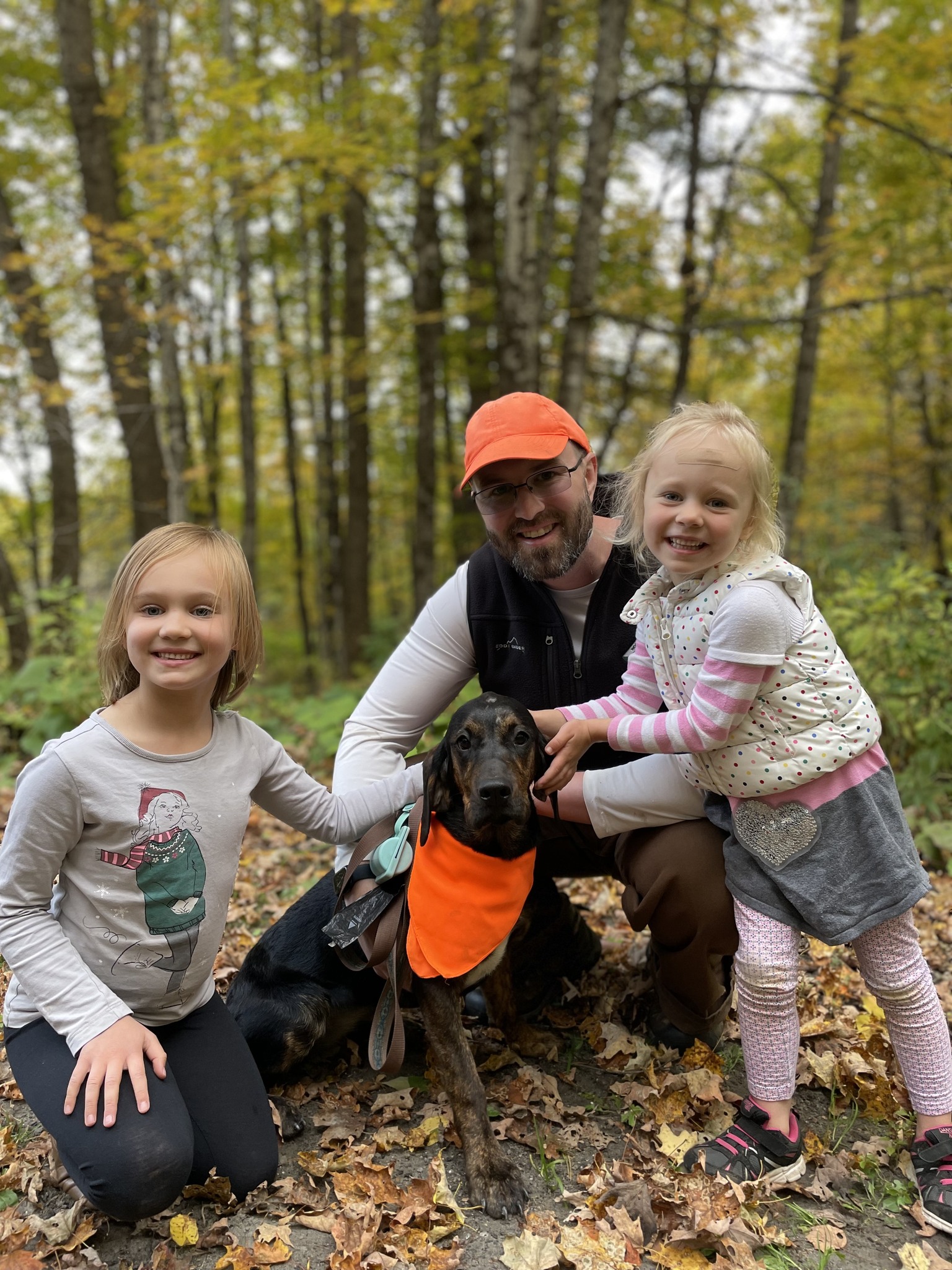
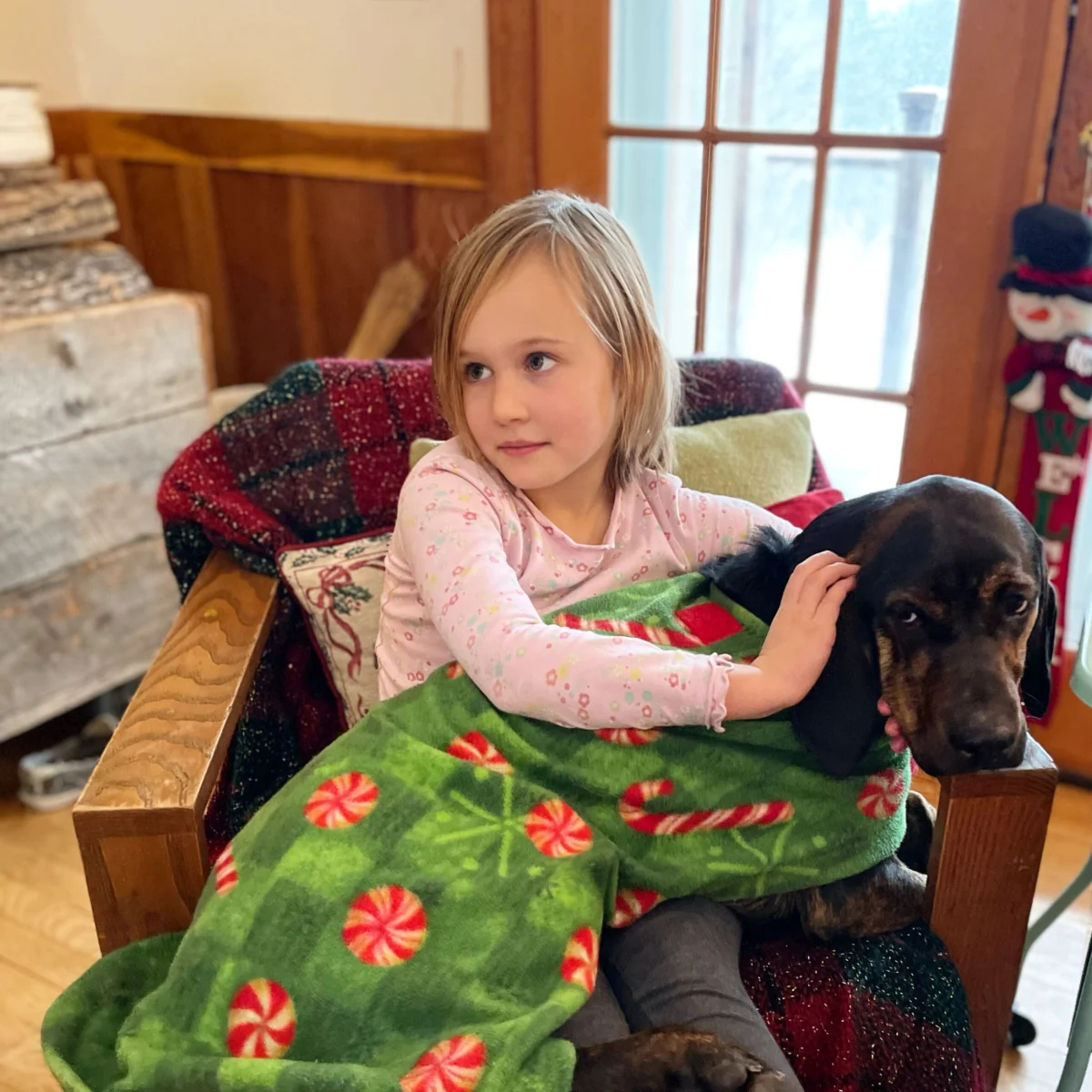
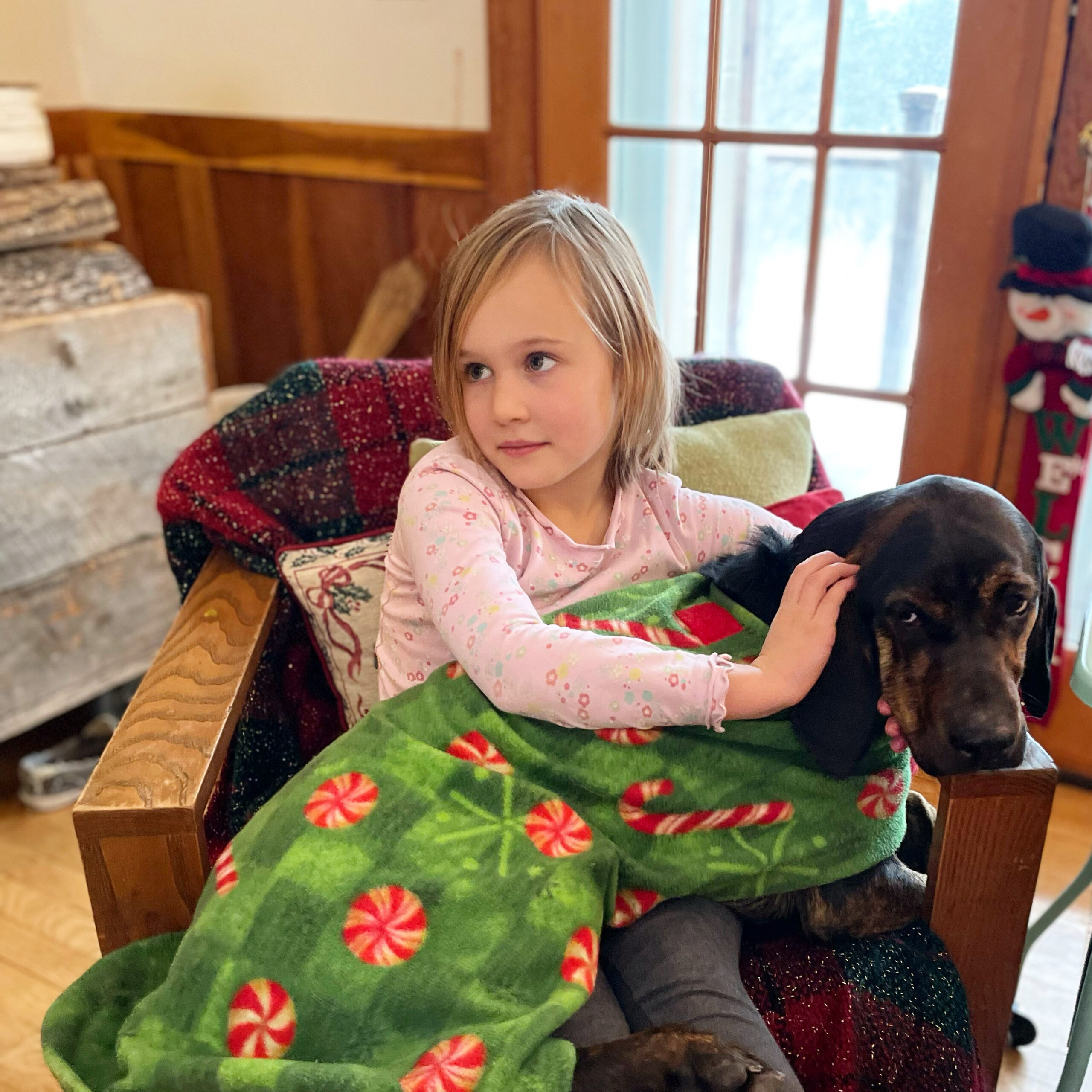
On October 3, 2022, after a brief period in temporary care, the dog was adopted by a family who sought to provide a permanent home. While the animal, renamed Gigi, initially displayed a calm temperament and high compatibility with children and outdoor activities, a severe behavioral pathology emerged shortly after adoption. The dog proved incapable of remaining alone in the home, manifesting symptoms of acute panic whenever human presence was removed.
Behavioral Manifestations and Diagnostic Challenges
The primary challenge identified was a profound case of separation anxiety, a condition characterized by distress and destructive behaviors when an animal is separated from its primary attachment figures. Despite being crate-trained—a method often successful in providing dogs with a sense of security—Gigi’s response to isolation was catastrophic.
According to the owners’ records, the dog experienced physiological and psychological distress within five minutes of human departure. These panic attacks resulted in "elimination behaviors"—specifically urinating and defecating within her crate—as well as endless pacing and vocalization. This occurred regardless of the duration of the absence, rendering standard household management impossible.

Professional intervention was sought through a certified dog trainer, who implemented a regimen of systematic desensitization. This process involved the owners leaving the residence for incrementally increasing intervals, starting at 30 seconds. However, the dog remained unable to cross the five-minute threshold without descending into a state of panic. The trainer reported a sense of professional perplexity, noting that Gigi appeared well-adjusted and tranquil in all other social contexts.
Technological and Medical Interventions
When behavioral modification yielded no results, the family turned to technological and pharmacological solutions. The implementation of remote monitoring systems, including a camera and a remote-controlled treat dispenser, allowed for real-time observation. These tools were intended to provide positive reinforcement for calm behavior during the owners’ absence. However, the data gathered from these devices confirmed that the dog’s anxiety was too acute for food-based rewards to serve as an effective distractor or incentive.
Simultaneously, veterinary professionals explored a tiered pharmacological approach. The medical history indicates a progression through several classes of medication:

- Mild Anti-Anxiety Medication: Intended to lower the baseline of daily stress.
- Mild Sedatives: Aimed at reducing physical agitation during departure windows.
- Tranquilizers: Prescribed as a last-resort measure to prevent self-injury and extreme distress.
Each of these interventions failed to mitigate the panic response. The persistent nature of the condition, despite clinical-grade medication, suggested that the root of the behavior was deeply ingrained, likely linked to the dog’s previous life as part of a hunting pack.
Financial Analysis of a High-Needs Rescue
The financial burden of managing a high-needs rescue animal is significant and often underestimated by prospective owners. In the case of Gigi, the total expenditure over a four-month period reached $2,373.25. This figure stands in stark contrast to the national average for dog ownership. According to data from the ASPCA, the average annual cost of owning a medium-sized dog is approximately $1,500 to $1,800. Gigi’s costs exceeded this annual average in just one-third of a year.
Detailed Expense Breakdown:
| Category | Cost | Description |
|---|---|---|
| Veterinary Services | $1,153.38 | Includes initial vaccinations, de-worming, microchipping, and multiple follow-up visits for anxiety management. |
| Rescue and Foster Support | $600.00 | Direct payment to the foster organization for spaying and rehoming administrative costs. |
| Behavioral and Training | $150.00 | Professional sessions with a dog trainer. |
| Supplies and Nutrition | $422.32 | Standard food, beds, and specific anxiety-relief tools like XL Kongs and snow booties. |
| Technology | $128.77 | Monitoring cameras and remote treat dispensers. |
| Administrative/Misc. | $118.78 | Town licensing, high-visibility vests, and seasonal items. |
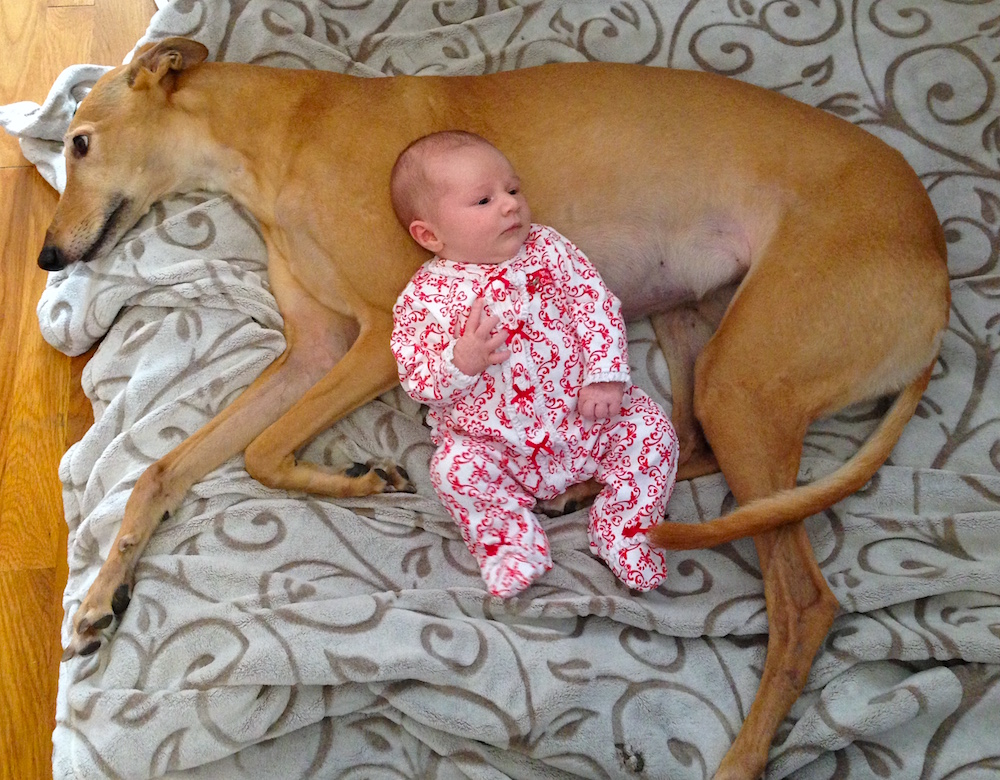
Comparatively, the family’s previous pet, a greyhound, had an annual maintenance cost of approximately $930. The 155% increase in spending for Gigi illustrates the "unpredictability factor" in pet ownership, where behavioral issues can lead to a rapid escalation in required capital.
The Decision to Rehome and Official Findings
After four months of unsuccessful intervention, the family determined that the situation was untenable. The necessity for constant human presence conflicted with the requirements of a modern household, including school attendance, employment, and community engagement. The decision to rehome was framed not as a rejection of the animal, but as a recognition of a fundamental mismatch between the animal’s needs and the environment provided.
Gigi was transferred to a foster-based rescue organization specializing in hounds. Upon intake, the organization conducted a behavioral assessment that revealed a critical insight: Gigi’s anxiety was not directed at the absence of humans specifically, but at the absence of a "pack." When placed in an environment with other dogs, her separation anxiety vanished. She could be left alone by humans as long as canine companions remained present.

This finding supports the initial theory that the dog was a bear-hound. Such dogs are typically raised and housed in large groups; for these animals, isolation is not merely a preference but a survival threat. The rescue organization successfully placed Gigi in a permanent home with multiple other dogs, where she reportedly functions without further incident.
Broader Impact and Ethical Considerations
This case serves as a poignant example of the complexities surrounding the "Adopt, Don’t Shop" movement. While rescue advocacy is vital for reducing shelter populations, it also requires a high degree of transparency regarding the potential for specialized needs.
From a sociological perspective, the "failed" adoption highlights the impact of pet behavioral issues on family dynamics. The owners reported significant stress and a reduction in family activities, as the household had to be managed around the dog’s inability to be left alone. This phenomenon, sometimes referred to as "caregiver burden" in the context of pet ownership, can lead to internal family conflict and psychological strain on children who witness the animal’s distress.
Furthermore, the case underscores the importance of breed-specific knowledge. Scent hounds, particularly those from working backgrounds, have evolutionary and social requirements that differ significantly from companion breeds. The successful resolution of Gigi’s case—moving from a single-dog household to a multi-dog "pack" environment—demonstrates that behavioral health is often a matter of environmental fit rather than just training or medication.
Conclusion and Environmental Context
The narrative of Gigi concluded just as the owners faced further external challenges, including the significant Vermont floods of 2023. While the family remained safe, the destruction of infrastructure, such as their quarter-mile driveway, added a layer of logistical and financial pressure to a year already defined by the high costs of the Gigi experience.
Ultimately, the story of Genevieve the hound is a factual reminder that pet ownership is an investment with no guaranteed rate of return. While the emotional bonds formed are significant, the responsibility of the owner includes recognizing when a professional rehoming is the most ethical course of action. Gigi’s transition to a multi-dog household represents a successful outcome for the animal, even as it serves as a cautionary financial and emotional tale for prospective rescuers. The experience emphasizes that in the realm of animal welfare, success is sometimes defined not by holding on, but by finding the environment where an animal can truly thrive.

