

The annual county fair in Vermont has long served as a cornerstone of local culture, offering a mix of agricultural exhibition and high-intensity consumerism. While many families view the event solely through the lens of entertainment, a growing movement of parents is utilizing these high-stimulus environments as practical classrooms for financial literacy. Recent observations of the "Frugalwoods" household, a family noted for their focus on financial independence and intentional living, highlight a structured "scaffolding" approach to teaching children ages five and seven the nuances of money management, debt, and labor value. By transitioning the abstract concept of currency into tangible life lessons, this methodology provides a framework for addressing the pervasive nature of kid-directed marketing in modern society.
The Framework of the Family Money Philosophy
At the core of this educational model is the "Family Money Philosophy," a set of clear, delineated boundaries between essential needs and discretionary wants. Under this system, parents assume full responsibility for fundamental requirements, including housing, healthcare, nutrition, and education. This also extends to family-wide enrichment activities, such as admission fees for museums and the county fair itself. However, the responsibility shifts entirely to the child for any items deemed "discretionary."

Discretionary items typically fall into three categories: specialized food items beyond standard meals (such as restaurant desserts), souvenirs or trinkets from gift shops, and supplemental educational materials like those found at Scholastic Book Fairs. By establishing these boundaries early, parents aim to demystify the "adult world" of commerce, teaching children that while basic needs are secured, the acquisition of "extras" requires personal capital and deliberate decision-making.
Labor and Compensation: The Chore Economy
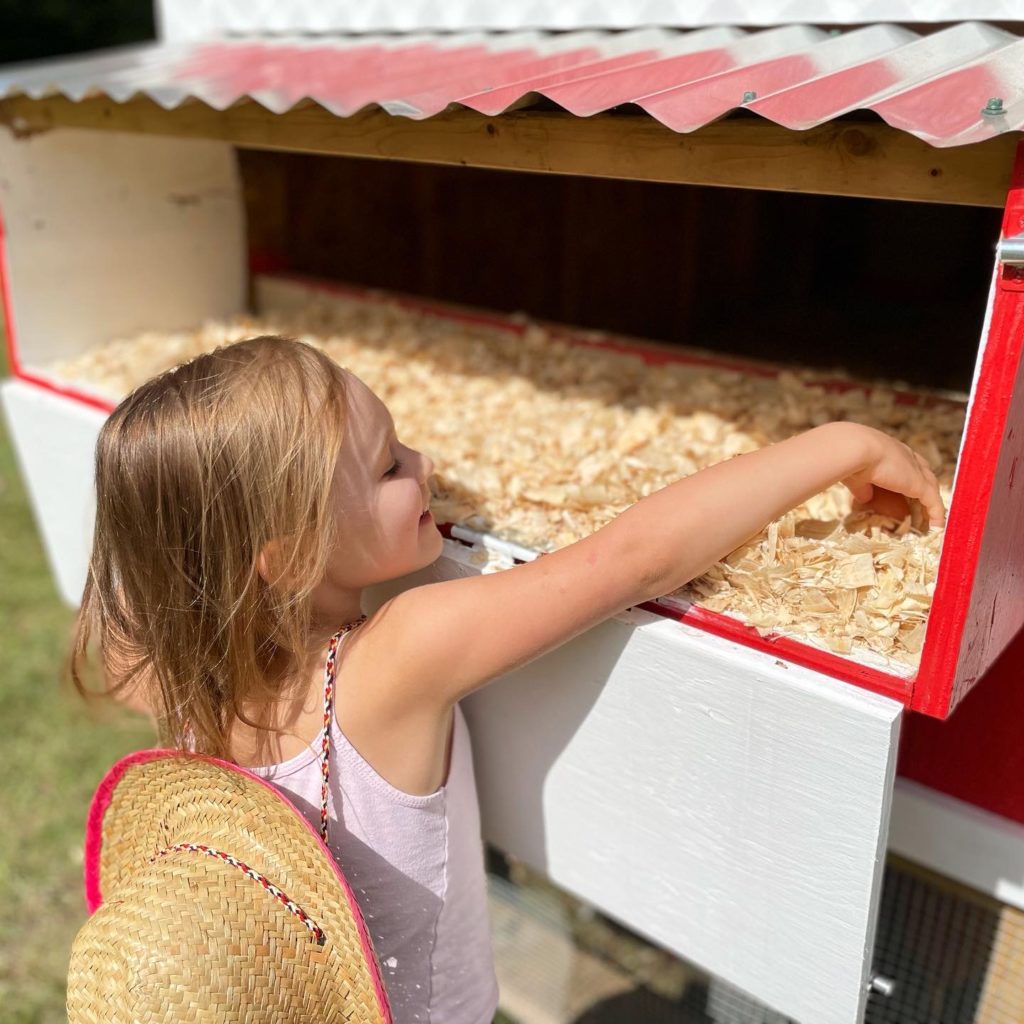
To facilitate the acquisition of personal capital, the family utilizes a "chore economy" based on fair market value. This system distinguishes between "Daily Unpaid Work" and "Paid Chores." Daily unpaid work includes tasks essential for the functioning of the household and the personal development of the child, such as making beds, clearing tables, collecting eggs from the family’s chickens, and managing their own laundry. These are framed not as labor for profit, but as contributions to the family unit.
In contrast, paid chores are tasks that provide a broader service to the household, such as organizing communal kitchen cabinets or assisting with large-scale cleaning projects. Compensation is strictly performance-based; tasks must be completed to a professional standard without significant adult intervention. For instance, a recent negotiation resulted in a $10 lump sum payment for a comprehensive reorganization of kitchen storage, a task that required several hours of focused labor.

This market-based approach introduces children to the concept of negotiation. If a child perceives a proffered wage as insufficient for the difficulty of the task, they are encouraged to negotiate a "chore bundle" or a higher rate. Conversely, the "no work, no pay" reality is strictly enforced, ensuring that children understand the direct correlation between labor and purchasing power.
A Chronology of Financial Lessons: The Unicorn Debt Crisis
The effectiveness of this hands-on education is best illustrated through a chronological look at the children’s financial milestones. A pivotal moment occurred during the previous year’s county fair, involving the eldest child, known as Kidwoods. The child sought to purchase an inflatable turquoise unicorn priced at $13, despite only possessing $9 in personal savings.
In a move designed to simulate real-world credit mechanics, the parents allowed the child to enter into a debt agreement. The parents provided the $4 deficit, with the stipulation that it must be repaid through mandatory labor upon returning home. This "debt-funded" purchase led to an immediate realization of the burdens of credit. The child observed that performing chores to pay for an item already in her possession was significantly less satisfying than working toward a future goal. This visceral experience with the "cost" of interest and debt resulted in a year-long avoidance of deficit spending by both children.
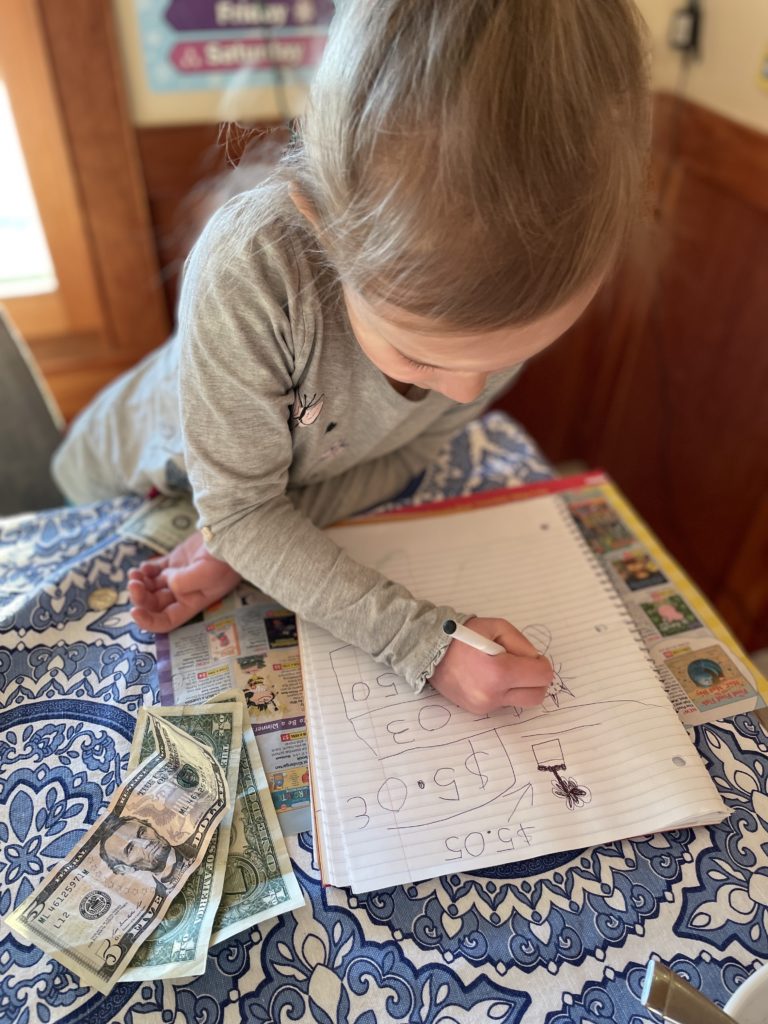
By the summer of 2023, the educational focus shifted toward comparison shopping and shared expenses. During "pizza nights" at a local farm, the children were required to fund their own desserts. This led to a sophisticated negotiation between the seven-year-old and the five-year-old. Recognizing that a $7 dessert was too large for one person and too expensive for a single budget, the siblings negotiated a cost-sharing agreement. This required them to navigate the mathematical complexity of dividing an odd-numbered dollar amount and managing the physical transaction at the point of sale independently.
Supporting Data: The Need for Early Financial Intervention
The necessity of such intensive parental involvement is supported by broader economic data regarding financial literacy in the United States. According to the 2022 T. Rowe Price Parents, Kids & Money Survey, approximately 57% of parents experience some level of discomfort when discussing financial topics with their children. Furthermore, research from the Consumer Financial Protection Bureau (CFPB) indicates that financial habits and "executive function" skills related to money management are largely formed by age seven.
The Frugalwoods’ "scaffolding" method aligns with these findings by introducing concepts at age-appropriate intervals. For a five-year-old, the focus remains on counting denominations and understanding that money is a "tool" rather than a measure of self-worth. For a seven-year-old, the focus evolves into long-term planning and the social dynamics of shared costs. This proactive approach seeks to counter the "invisible" nature of digital transactions, which often makes it difficult for children to grasp the finite nature of financial resources.
Analysis of Implications: Money as a Tool
A key component of this educational strategy is the removal of emotional weight from financial discussions. By treating money as a neutral tool—comparable to water, sleep, or safety—the parents aim to reduce future anxiety. The children are taught that an adult’s salary is a direct exchange for their time and expertise, which is then allocated to sustain the family.
This transparency has led to an increased level of "financial empathy" in the children. For example, the eldest child recently authored a short "book" describing her mother’s work as a financial consultant. While the child characterized the mother’s meetings as "boring," she correctly identified the purpose of the labor: to help others manage their resources so they can afford their needs. This indicates a successful transfer of the concept that labor has utility beyond the individual.
Expert Perspectives and Broader Impact
Financial education experts often advocate for "teachable moments" like those found at a county fair. "The transition from abstract numbers to physical currency is vital for children in a digital-first economy," notes a hypothetical analysis from a developmental psychologist. "By allowing a child to physically hand over their own saved money for a toy, the ‘pain of paying’ is activated, which is a crucial regulator for impulsive spending."

Furthermore, the Frugalwoods’ insistence on child-led transactions—where the children must approach cashiers and manage their own wallets—builds confidence and social agency. This reduces the "gatekeeper" role of the parent and places the child in the driver’s seat of their own economic life.
Future Outlook: The Transition to Institutional Savings
As the children master the basics of earning and spending, the next phase of the program involves the introduction of "The Bank of Parental Units." This internal family bank will introduce the concept of interest rates, rewarding the children for delayed gratification. By paying a high internal interest rate on savings, the parents hope to incentivize the transition from "spenders" to "savers."
This evolution represents the final stage of early childhood financial scaffolding. Once the children understand the value of labor (earning), the mechanics of the market (spending), and the pitfalls of credit (debt), they will be prepared to understand the power of compound growth (investing).

The Frugalwoods’ approach serves as a localized case study for a national challenge. As the economy becomes increasingly complex and digital, the responsibility for financial literacy falls heavily on the household. By utilizing the "panorama of consumerism" at the Vermont county fair as a classroom, this model demonstrates that even the most "annoying" instances of kid-directed marketing can be subverted into profound lessons in personal responsibility and economic reality. The ultimate goal is not merely to create frugal adults, but to empower the next generation with the tools to view money as a servant to their goals rather than a master of their emotions.

