
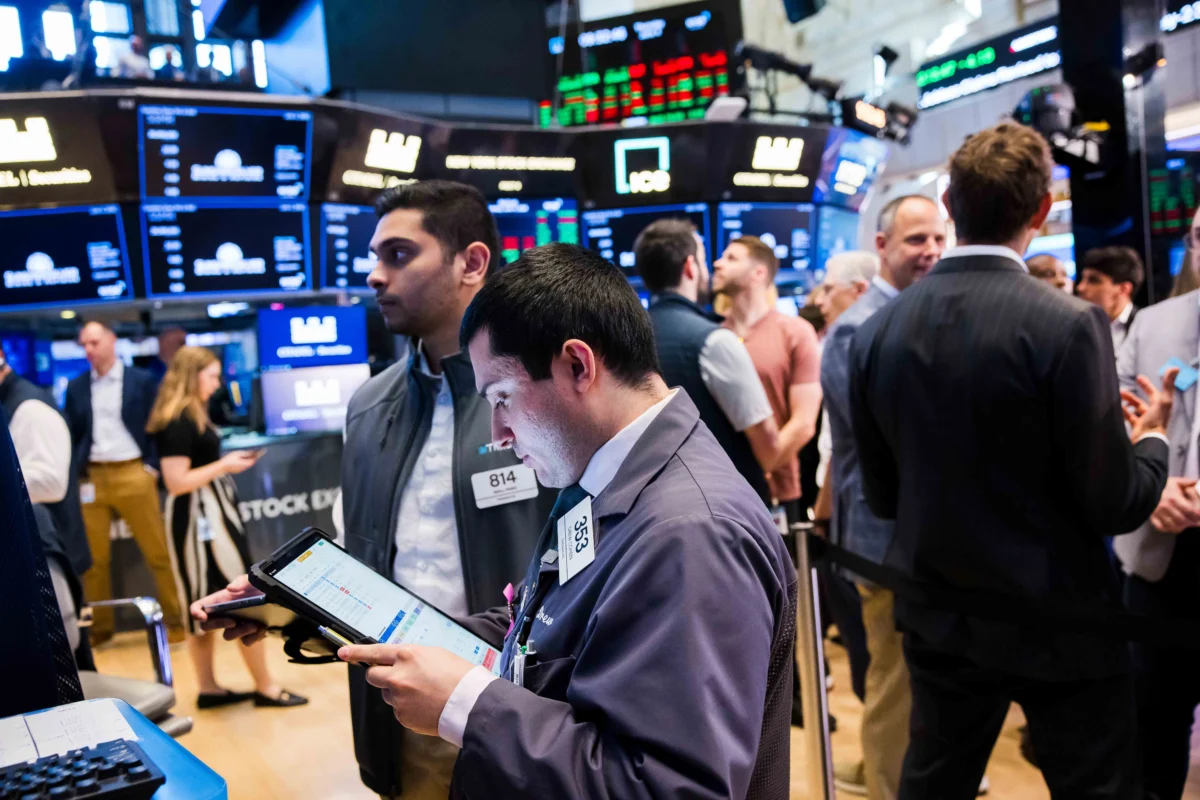
The financial markets are currently navigating a tumultuous period marked by a significant tech-driven sell-off, prompting a dramatic shift in investor sentiment and a bleaker outlook for the remainder of 2026, according to prominent prediction markets. This palpable apprehension is reflected in key market indicators, with the S&P 500, Nasdaq Composite, and Dow Jones Industrial Average all experiencing substantial declines, pushing them into correction territory. The once robust year-to-date gains have been severely eroded, signaling a challenging environment for investors as the year draws to a close.
Prediction Markets Signal Sharp Downturn in S&P 500 Expectations
A stark illustration of this darkening sentiment comes from the prediction market platform Kalshi, where traders are now assigning a mere 6% probability to the S&P 500 crossing the 8,000 threshold by the end of 2026. This figure represents an extraordinary plunge from the 72% odds recorded as recently as October 13, highlighting a rapid and profound re-evaluation of market prospects. Kalshi’s contracts, which allow speculators to wager on whether the S&P 500 will surpass various predetermined levels, rely on robust data from S&P Dow Jones Indices for resolution, lending credibility to the insights gleaned from these trading activities. The dramatic swing in these odds underscores the fragility of current market confidence and the pervasive belief that the upward momentum witnessed earlier in the year has largely dissipated.
Prediction markets like Kalshi serve as unique barometers of collective investor conviction, synthesizing a wide array of information and expectations into quantifiable probabilities. Unlike traditional polls or surveys, these platforms involve real money at stake, which typically encourages participants to base their predictions on rigorous analysis rather than mere speculation. The steep decline in the S&P 500’s likelihood of reaching 8,000 suggests that market participants are increasingly factoring in a combination of persistent headwinds, including the ongoing impact of monetary policy, concerns over corporate earnings, and broader economic uncertainties. The rapid deterioration of these odds within a span of just over a month is particularly striking, indicating a sudden and widespread capitulation among traders who had previously held more optimistic views.
The Anatomy of the Tech-Driven Sell-Off
The primary catalyst for the current market malaise has been a relentless tech-driven sell-off. On Friday, the Nasdaq Composite, heavily weighted with technology and growth stocks, officially turned negative for the year, a significant psychological blow to investors who had enjoyed substantial gains from the tech sector for much of 2026. This downturn is largely attributed to investors divesting from technology stocks, particularly those with considerable exposure to the burgeoning artificial intelligence (AI) build-out. While AI had been a significant driver of market enthusiasm and growth earlier in the year, concerns about overvaluation, the pace of adoption, and future profitability have begun to temper this optimism.
The sell-off has not been confined to the Nasdaq. Both the Dow Jones Industrial Average, representing 30 large U.S. companies, and the broader S&P 500 have also fallen into correction territory, typically defined as a decline of 10% or more from a recent peak. For the S&P 500, this correction has slashed its year-to-date gain to just over 2%, a stark contrast to the more robust double-digit returns observed in earlier months. This widespread market contraction signifies that the current downturn is not merely a sector-specific issue but reflects a more generalized unease across various segments of the economy. The rapid erosion of gains means that many investors, particularly those who entered the market later in the year, are now facing losses, adding to the prevailing sense of caution and risk aversion.
Chronology of Market Sentiment Shift
The trajectory of market sentiment has undergone a notable transformation over the past few months.
- Early 2026: Markets, particularly tech, experienced a strong rebound fueled by optimism surrounding disinflationary trends, the potential for a "soft landing" for the economy, and the burgeoning excitement around artificial intelligence. Companies involved in AI infrastructure, such as chipmakers and cloud service providers, saw their stock prices surge.
- Late Summer/Early Fall 2026: Initial signs of cracks began to appear. Higher-than-expected inflation data and a resilient labor market led to renewed concerns about the Federal Reserve’s hawkish stance. Yields on U.S. Treasury bonds began to climb, making growth stocks, whose valuations often rely on future earnings, less attractive.
- October 13, 2026: Prediction markets like Kalshi showed high optimism, with 72% odds for the S&P 500 to reach 8,000, indicating strong belief in a year-end rally. This period likely coincided with a brief respite in bond yields or positive corporate news that temporarily buoyed sentiment.
- Mid-to-Late October 2026: Market volatility intensified. Geopolitical tensions, particularly in the Middle East, added to uncertainty. Corporate earnings reports, while not universally negative, revealed some headwinds, and guidance from key tech players often suggested a cautious outlook. The upward trend in bond yields resumed with greater vigor, putting significant pressure on equity valuations.
- November 2026: The tech sell-off gained momentum. Investors actively divested from AI-exposed stocks and other growth sectors. The Nasdaq Composite turned negative for the year, and both the S&P 500 and Dow Jones Industrial Average entered correction territory. Prediction market odds for S&P 500 reaching 8,000 plummeted to 6%, reflecting a widespread reversal of optimism and a grim outlook for the remaining weeks of the year. The Federal Reserve’s continued hawkish rhetoric and the expectation of further rate hikes solidified the negative sentiment.
Federal Reserve Policy and Its Market Impact
A critical factor underpinning the current market downturn is the Federal Reserve’s ongoing monetary tightening cycle. The Fed has been aggressively hiking interest rates to combat persistent inflation, a strategy that typically aims to cool down economic activity. Higher interest rates increase the cost of borrowing for companies, impacting their profitability and future growth prospects. For technology and growth stocks, which often rely on significant capital investment and whose valuations are based on expectations of future earnings growth, rising rates can be particularly detrimental. The discounting of future cash flows at a higher rate effectively reduces their present value, making these stocks less appealing to investors.
The market is widely anticipating another rate hike at the Fed’s December meeting, a move that would further solidify the central bank’s commitment to bringing inflation under control. While the Fed’s actions are aimed at ensuring long-term economic stability, the immediate impact on equity markets is often negative. Investors grapple with the dual challenges of higher borrowing costs and the potential for an economic slowdown, or even a recession, induced by tight monetary policy. This environment naturally encourages a shift away from riskier growth assets towards more defensive or value-oriented investments, contributing to the rotation out of tech stocks.
Historical Precedents and Analyst Caveats
The Stock Trader’s Almanac, a respected authority on market seasonality and historical patterns, has broadly concurred with the fading hopes for a robust December rally. In a recent note, the Almanac acknowledged the market’s significant pressure and warned that "more downside can’t be ruled out." However, it also introduced a caveat, suggesting that a traditional "Santa rally" – a period of strong stock market performance typically observed in the last five trading days of December and the first two of January – could still materialize. This phenomenon is often attributed to factors such as holiday optimism, institutional window dressing, and reduced trading volumes.
The Almanac draws a compelling parallel between the current market environment in 2026 and the year-end pattern observed in 2018. In 2018, the Federal Reserve was also in a tightening cycle, and it was a midterm election year, similar to the prevailing conditions. That year saw a significant market sell-off towards the end of December, as investors grappled with rising rates and growing economic concerns. By drawing this comparison, the Stock Trader’s Almanac suggests that more market "churn" – characterized by volatility and sideways movement – is likely before any potential bottom is reached. Their analysis indicates that "the low is more likely in mid- to late December than this week," implying that investors should brace for continued weakness before any significant recovery takes hold. This historical context serves as a cautionary tale, reminding investors that even strong years can end on a sour note, especially when monetary policy is restrictive.
Broader Impact and Implications for Investors
The current market correction and the grim outlook presented by prediction markets have several significant implications for investors across the spectrum.
- For Tech-Focused Portfolios: Investors heavily exposed to technology and growth stocks are experiencing considerable pain. This period serves as a crucial reminder of the importance of diversification and risk management. Re-evaluating portfolio allocations, potentially reducing overconcentration in high-growth, high-valuation sectors, and considering more balanced approaches may be prudent.
- For Long-Term Investors: While corrections can be unsettling, they are a normal part of market cycles. Long-term investors are often advised to maintain their investment strategies, focusing on fundamental analysis and disciplined asset allocation, rather than reacting impulsively to short-term volatility. However, the current environment necessitates a thorough review of investment theses, especially for companies whose growth prospects are highly sensitive to interest rates or economic downturns.
- Increased Volatility: The market is likely to remain volatile as investors digest incoming economic data, corporate earnings, and Federal Reserve communications. This heightened volatility may present opportunities for nimble traders but poses challenges for those seeking stability.
- Shift to Value and Defensive Sectors: In times of uncertainty and rising rates, defensive sectors such as utilities, consumer staples, and healthcare, as well as value stocks, often gain favor. These sectors typically offer more stable earnings and dividend yields, making them attractive havens during periods of market stress.
- Economic Implications: A sustained market downturn can have broader economic implications, potentially affecting consumer confidence and business investment. While the stock market is not the sole indicator of economic health, its performance often correlates with the overall sentiment and wealth effect that influences spending and growth.
The Path Forward and Key Watchpoints
As the market approaches the end of 2026, investors and analysts will be closely monitoring several key indicators and events:
- Federal Reserve’s December Meeting: The outcome of this meeting, particularly any decision on interest rates and the accompanying forward guidance, will be paramount. Any hints of a pause in rate hikes or a more dovish stance could provide a much-needed boost to market sentiment, while a continued hawkish tone would likely prolong the current pressures.
- Inflation Data: Upcoming Consumer Price Index (CPI) and Personal Consumption Expenditures (PCE) data will be critical. Any signs of sustained disinflation could alleviate pressure on the Fed to continue hiking rates, offering relief to equity markets. Conversely, persistent inflation could reinforce the need for restrictive monetary policy.
- Corporate Earnings Reports: The remainder of the earnings season, and particularly guidance provided by companies for the next quarter, will offer crucial insights into the health of corporate America and the impact of the current economic environment on profitability. Tech company earnings, in particular, will be under intense scrutiny.
- Economic Growth Indicators: GDP reports, employment figures, and consumer spending data will provide a clearer picture of the economy’s resilience or fragility. A significant slowdown could signal an impending recession, while robust data might suggest the economy can withstand higher rates.
- Geopolitical Developments: Ongoing geopolitical tensions, particularly those impacting global supply chains or energy prices, remain a source of uncertainty that could quickly influence market sentiment.
- Year-End Trading Dynamics: The final weeks of December often see unique trading patterns, including tax-loss harvesting (selling losing investments to offset gains) and institutional portfolio rebalancing. These activities can contribute to volatility but may also set the stage for early-year trends.
In conclusion, the financial markets are currently gripped by a pronounced shift towards caution and pessimism, driven by a significant tech-led sell-off and the relentless impact of the Federal Reserve’s tightening monetary policy. Prediction markets vividly illustrate this reversal of sentiment, with expectations for the S&P 500’s year-end performance dramatically scaled back. While historical patterns offer some guidance, suggesting potential for further churn before a bottom, the path forward remains uncertain. Investors are advised to remain vigilant, focus on fundamental analysis, and prepare for continued volatility as the year draws to a challenging close.
Disclosure: CNBC and Kalshi have a commercial relationship that includes customer acquisition and a minority investment.

