
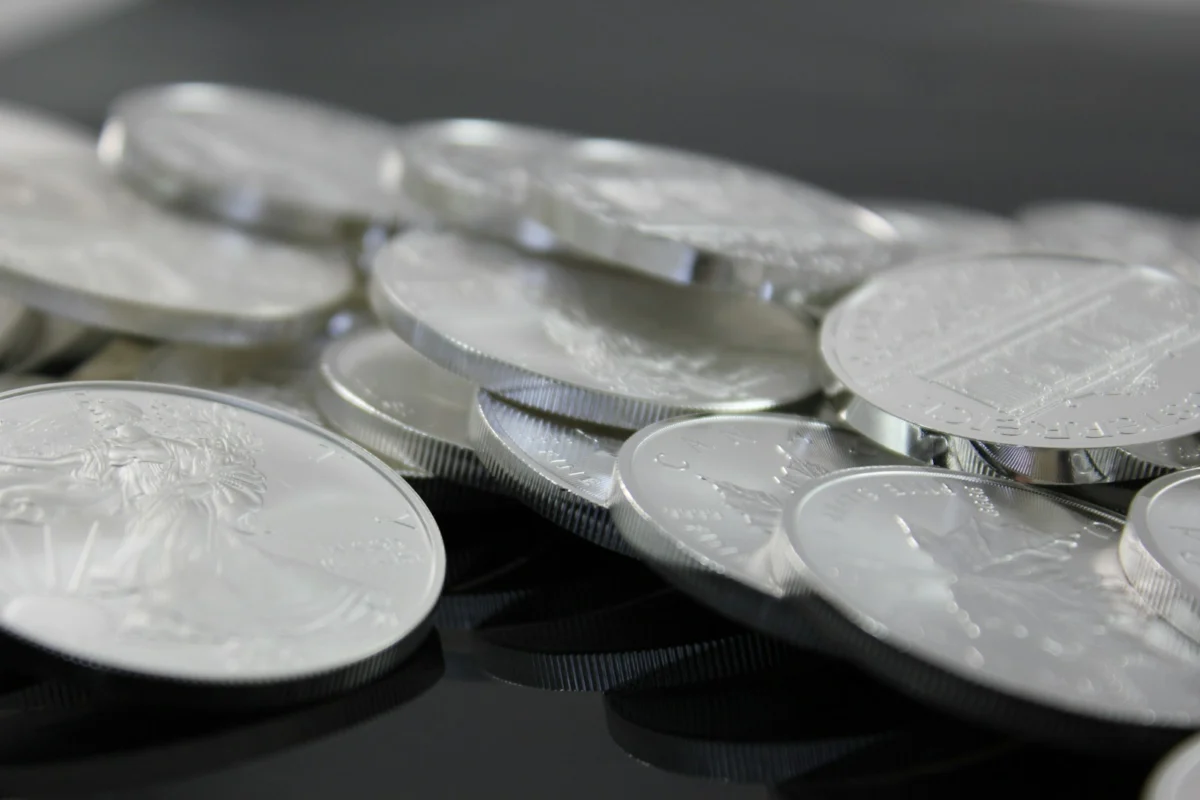
For young adults embarking on the intricate journey of building their financial futures, traditional pathways have long centered on equities, meticulously planned retirement accounts, and robust savings strategies. However, a confluence of persistent inflationary pressures, escalating government debt, and an overarching climate of economic uncertainty is reshaping investment paradigms. This evolving landscape is prompting a noticeable shift, with a growing cohort of individuals in their 20s and 30s increasingly exploring the acquisition of physical silver as a tangible means to diversify and fortify their wealth.
This pivot towards a millennia-old monetary metal underscores a broader reevaluation of asset classes in an era characterized by digital proliferation and market volatility. Unlike the intangible nature of stocks, cryptocurrencies, or even digital cash balances, physical silver offers a palpable asset, steeped in thousands of years of human history as a store of value and medium of exchange. Beyond its historical monetary significance, silver plays an indispensable role in contemporary industries, serving as a critical component in nascent sectors such as solar energy, electric vehicles (EVs), and advanced electronics. For younger generations, who possess the distinct advantage of several decades spanning their investment horizons, accumulating physical silver presents a unique opportunity to construct a tangible asset portfolio while simultaneously gaining exposure to the burgeoning long-term demand for precious metals.
One of the most compelling attributes of silver, particularly for novice investors or those with constrained capital, is its relative affordability. While the entry barrier for purchasing a full ounce of gold can easily run into thousands of dollars, silver offers a significantly more accessible entry point. Popular and widely recognized products such as American Silver Eagle coins, Canadian Silver Maple Leafs, and standardized one-ounce silver bars enable beginners to initiate their precious metals journey with relatively modest purchases. The global recognition and standardization of these bullion products also imbue them with inherent flexibility and liquidity when the time eventually comes to liquidate a portion of or the entire holding.
Contextualizing the Shift: The Macroeconomic Undercurrents Driving Silver’s Appeal
The burgeoning interest in silver among younger demographics is not an isolated phenomenon but rather a direct response to profound macroeconomic shifts witnessed over the past few years. Following unprecedented global stimulus measures in response to the COVID-19 pandemic, inflation surged to multi-decade highs across many developed economies. In the United States, for instance, the Consumer Price Index (CPI) peaked at 9.1% in June 2022, a level not seen since 1981, significantly eroding the purchasing power of traditional fiat currencies. Central banks, in turn, embarked on aggressive interest rate hiking cycles, further unsettling financial markets and casting a shadow of potential recession.
Simultaneously, global government debt levels have reached historic highs, fueling concerns about fiscal sustainability and the long-term stability of national currencies. Geopolitical tensions, supply chain vulnerabilities, and rapid technological advancements further contribute to an environment of pervasive economic uncertainty, prompting investors to seek safe havens and assets that exist outside the conventional financial ecosystem. For young adults grappling with student loan burdens, rising housing costs, and the imperative to save for a distant retirement, these anxieties are particularly acute, driving a desire for investments that offer perceived stability and protection.
Silver’s Enduring Qualities: A Deeper Dive into its Value Proposition
The appeal of silver extends beyond mere affordability, rooted in several fundamental characteristics that resonate with the investment objectives of a younger demographic.
1. Silver’s Potential as a Protector of Purchasing Power Against Inflation
Inflation, by its very definition, is the gradual erosion of money’s purchasing power. Over extended periods, such as the 30 or 40 years that comprise a typical investment horizon for young adults, even moderate inflation rates can dramatically diminish the real value of savings held predominantly in cash or low-yielding assets. Physical silver has historically served as a monetary asset, often perceived as a hedge against currency debasement and rising inflation expectations. During periods of economic instability or when confidence in fiat currencies wanes, precious metals have frequently seen increased demand.
However, it is crucial for younger buyers to approach this aspect with a balanced perspective. While silver has demonstrated periods of strong performance during inflationary cycles, its price movements do not always perfectly align with inflation, particularly over shorter timeframes. For instance, while silver saw significant gains during the high-inflation periods of the 1970s and early 2000s, its performance can be highly volatile and influenced by numerous factors beyond inflation alone. Therefore, it is more judicious to view silver primarily as a potential long-term diversification tool within a broader portfolio strategy rather than a guaranteed, short-term inflation hedge. Its role is often seen as a "store of value" when other assets underperform or when inflation erodes cash savings.
2. Silver’s Unique Exposure to Growing Industrial Demand
A significant differentiator for silver, distinguishing it from its more celebrated counterpart, gold, lies in its substantial and expanding industrial applications. While gold is predominantly associated with jewelry, investment, and central bank reserves, approximately half of annual silver demand is driven by industrial uses. Silver’s exceptional electrical conductivity, thermal conductivity, and reflectivity make it indispensable in a myriad of modern technologies.
Key industrial sectors fueling silver demand include:
- Solar Energy (Photovoltaics): Silver paste is a critical component in crystalline silicon photovoltaic (PV) cells, which convert sunlight into electricity. As global efforts to transition to renewable energy sources accelerate, driven by climate change concerns and policy initiatives, the demand for solar panels is projected to skyrocket. According to the International Energy Agency (IEA), solar PV is set to account for more than half of all renewable power capacity additions in the coming years. This growth trajectory directly translates to increased silver consumption.
- Electric Vehicles (EVs): EVs, unlike traditional internal combustion engine vehicles, rely heavily on electronics for power management, sensors, and infotainment systems. Silver’s superior conductivity is crucial for numerous electrical contacts, switches, and wiring in these complex vehicles. With major automotive manufacturers committing to phasing out gasoline-powered cars and governments enacting supportive policies, the EV market is experiencing exponential growth, further solidifying silver’s industrial footprint.
- Electronics and 5G Technology: From smartphones and laptops to medical devices and home appliances, silver is integral to countless electronic components. Its use in solders, contacts, and conductive inks is widespread. The global rollout of 5G networks, requiring extensive new infrastructure and advanced devices, also represents a significant driver of industrial silver demand.
- Medical Applications: Silver’s antimicrobial properties have long been recognized, leading to its use in wound dressings, medical coatings, and surgical instruments.
For investors in their 20s and 30s, this dual nature of silver – its role as both a precious metal investment and a vital industrial commodity – offers a unique exposure profile. It allows them to potentially benefit from both traditional investment demand during times of economic uncertainty and the secular growth trends in global electrification and renewable energy. However, it is also important to acknowledge that technological advancements could potentially lead to substitution in some applications, and economic slowdowns could temper overall industrial consumption.
3. Mitigating Counterparty Risks Through Physical Ownership
In an increasingly interconnected yet fragile financial system, the concept of counterparty risk has gained prominence. Counterparty risk refers to the risk that a party in a financial transaction will default on its obligations. One distinct advantage of owning physical silver directly is that the bullion held in one’s possession does not depend on a financial institution’s promise to repay its value. Unlike a bank deposit, which is essentially a loan to the bank, or a brokerage investment, which relies on the solvency of the brokerage firm and the underlying assets, a silver coin or bar in your physical possession is an asset you directly control.
This independence holds significant appeal for younger adults who may be particularly attuned to concerns regarding banking disruptions, cyberattacks, or broader financial instability. Events like the 2008 financial crisis or recent regional banking stresses have highlighted vulnerabilities within the traditional financial system. Owning physical assets provides a sense of security and autonomy that digital or paper assets cannot fully replicate.
However, this advantage comes with its own set of responsibilities. Physical ownership necessitates careful consideration of secure storage solutions (e.g., home safes, professional vaulting services), adequate insurance coverage against theft or loss, robust prevention measures, and the ability to authenticate the purity and weight of the silver. These logistical considerations are part of the due diligence required for this asset class.
Strategic Acquisition and Portfolio Integration: A Prudent Approach
Incorporating silver into an investment portfolio, particularly for young adults, requires a strategic and disciplined approach.
4. The Power of Dollar-Cost Averaging (DCA)
Young adults often face competing financial demands, including student loan repayments, housing expenses, and the imperative to contribute to retirement accounts. This often means limited disposable income for significant lump-sum investments. This is where dollar-cost averaging (DCA) proves to be an invaluable strategy for acquiring silver. Instead of attempting to time the market with one large purchase, DCA involves buying smaller quantities of silver at regular intervals, regardless of its current price.
For example, purchasing a few silver coins or a small bar each month allows investors to accumulate ounces across different market conditions. When prices are high, fewer ounces are bought; when prices are low, more ounces are acquired. Over time, this strategy helps to smooth out the average purchase price and reduces the psychological pressure of trying to predict market peaks and troughs. While DCA does not eliminate investment risk, it is a proven method for mitigating the impact of volatility, making it an ideal approach for long-term accumulation of a volatile asset like silver.
5. Silver’s Role in Portfolio Diversification
Traditional investment portfolios typically emphasize a mix of stocks for growth, bonds for stability and income, and cash for liquidity. Physical silver introduces exposure to an entirely different asset class, often exhibiting a low correlation with stocks and bonds, especially during periods of market stress. This non-correlation is a cornerstone of effective diversification, as it means that when one asset class performs poorly, silver may hold its value or even appreciate, thereby reducing overall portfolio volatility.
Financial advisors sometimes suggest allocating a modest portion of a portfolio, typically between 5% and 10%, to precious metals. More aggressive strategies might consider larger positions, potentially up to 20%. However, it is crucial to understand that allocating 20% to physical silver represents a substantial concentration in an asset that is inherently volatile and does not generate income (unlike stocks with dividends or bonds with interest).
Before making any allocation, younger investors must rigorously evaluate their personal risk tolerance, ensure they have an adequate emergency fund (typically 3-6 months of living expenses), have a solid foundation for their retirement goals, and possess a comprehensive understanding of their overall financial diversification. Silver prices can experience significant declines, and it does not consistently offset stock market losses in every scenario. It is a complementary asset, not a replacement for core investments.
6. Flexibility and Liquidity in Selling Silver
Physical silver is available in highly standardized sizes, ranging from one-ounce coins and bars to 10-ounce, 100-ounce, and even 1,000-ounce bars. This standardization offers significant flexibility to owners, allowing them to sell portions of their holdings incrementally without having to liquidate their entire position. This modularity is a practical advantage for managing financial needs or rebalancing a portfolio.
Widely recognized products, such as government-minted bullion coins (e.g., American Silver Eagles, Canadian Silver Maple Leafs), are generally easier to authenticate and resell through established bullion dealers globally. This broad acceptance enhances their liquidity. However, anyone buying silver must also comprehend the nuances of transaction costs. This includes understanding the difference between the prevailing "spot price" (the market price for an ounce of pure silver), the "retail premium" (the amount added by dealers for fabrication, distribution, and profit), and the "dealer buyback price" (the price a dealer will offer when purchasing silver back, which is typically below the spot price). These costs can influence overall investment returns and should be factored into any buying or selling decision.
7. The Strategic Advantage of a Longer Investment Horizon
One of the most powerful advantages young investors possess is time. With several decades stretching before retirement, individuals in their 20s and 30s have a greater capacity to ride out periods of market volatility and short-term price fluctuations. Silver prices, like those of other commodities, can experience dramatic rallies followed by substantial corrections. A longer investment horizon provides more opportunities to navigate these cyclical movements, allowing investors to hold through downturns and potentially benefit from eventual recoveries, provided they are not forced to sell during a low.
Furthermore, the act of physically acquiring and storing bullion can subtly encourage disciplined saving. The process of selling physical silver generally requires more deliberate effort compared to executing a trade through a brokerage account, which can be done instantly with a few clicks. This friction can act as a psychological barrier against impulsive selling during market dips, fostering a more long-term, disciplined approach to wealth accumulation.
Expert Perspectives and Responsible Integration
Financial analysts and economists widely acknowledge the role of precious metals in diversification, particularly in an uncertain economic climate. However, a consensus also exists on the need for moderation and a clear understanding of the asset’s characteristics. "While silver offers compelling benefits like industrial demand exposure and inflation hedging potential, it’s crucial for young investors to treat it as a complementary asset rather than a primary one," notes one industry observer (inferred). "Its volatility dictates that it should be part of a well-rounded portfolio, not its sole foundation."
Is Buying Silver Worth It for Young Adults? A Balanced View
For individuals in their 20s and 30s, physical silver can indeed offer an affordable and tangible avenue to diversify assets, participate in the growing demand from critical industrial sectors, and hold wealth outside the traditional financial system. It represents a hedge against certain systemic risks and currency debasement.
The critical takeaway, however, is the importance of maintaining realistic expectations. Silver does not generate dividends or interest; its investment return is solely dependent on price appreciation. Its price can fluctuate sharply, and physical ownership involves practical considerations such as premiums paid over spot price, secure storage costs, and the need for insurance.
Approaching silver acquisition responsibly involves several key tenets: starting small, focusing on recognizable and easily tradable bullion products, and most importantly, integrating silver within a broadly diversified financial plan that prioritizes emergency savings, conventional retirement contributions, and a clear understanding of one’s risk tolerance.
For younger generations contemplating their financial future, the pertinent question extends beyond merely predicting silver prices tomorrow. It delves into whether physical precious metals, with their unique attributes and historical resilience, have a strategic and useful place within a thoughtfully constructed, long-term wealth-building strategy designed to navigate an unpredictable economic landscape. This strategic perspective, rather than speculative pursuit, defines the prudent approach to silver investment for the modern young adult.

