
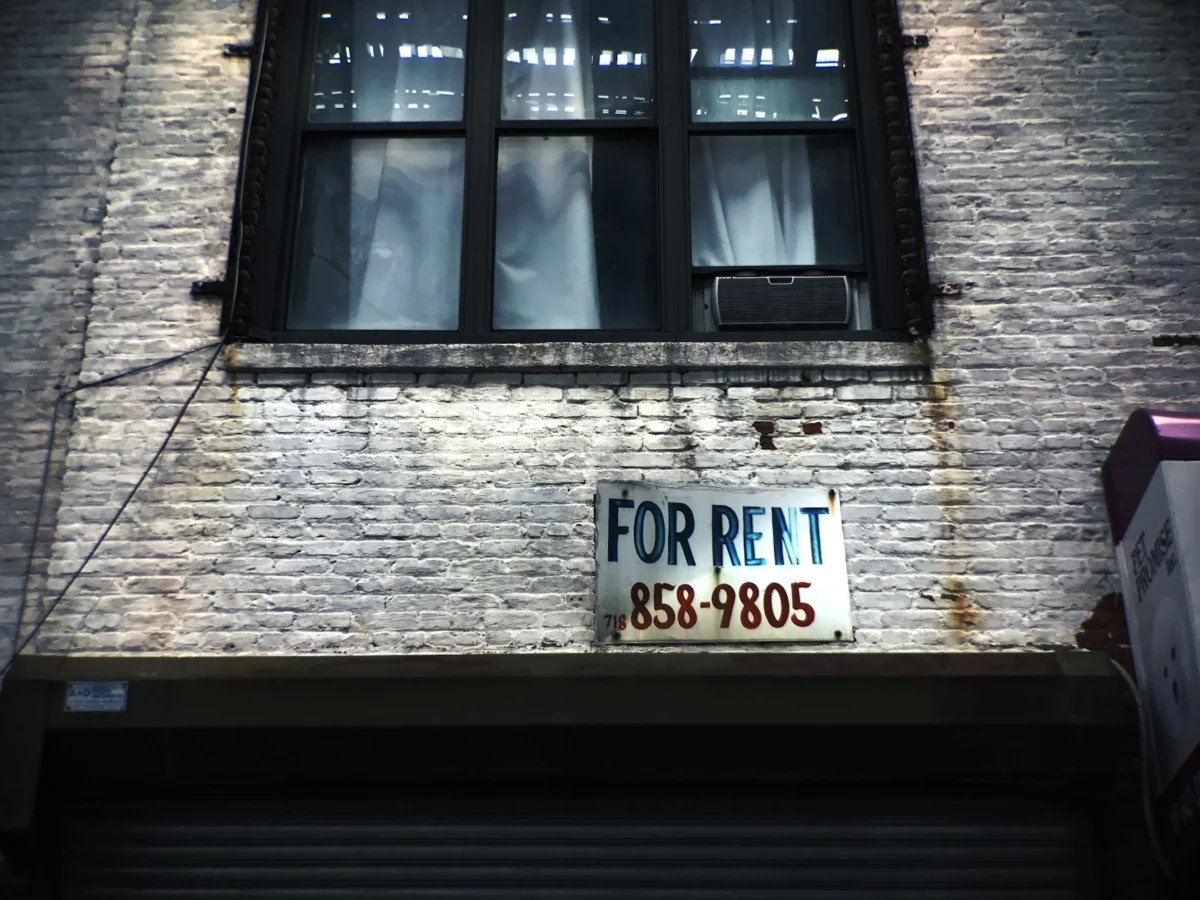
The median asking rent in the United States recorded a modest 0.1 percent increase in October 2026 compared to the previous year, marking the first year-over-year rise in three years. This subtle shift, confirmed by Apartment List’s latest national rent report, concludes the longest period of continuous rent decline on record since the pandemic-era housing boom. While this statistic might initially suggest a reversal of fortunes for renters who have grown accustomed to softening markets, a deeper analysis reveals a complex landscape still largely characterized by high vacancy rates and persistent landlord concessions across much of the nation. The minimal nature of this increase—approximately $1 per month on the national median—underscores that the broader renter’s market is far from over, instead signaling a nascent stabilization after a period of significant recalibration.
A Retrospective on the Three-Year Decline: Supply, Demand, and Economic Shifts
To fully appreciate the significance of this slight uptick, it is crucial to contextualize the preceding three years of declining rents. Following an unprecedented surge in rental prices during the immediate aftermath of the COVID-19 pandemic, fueled by remote work trends, shifting household formations, and low interest rates that made homeownership less accessible, the rental market began to cool dramatically in mid-2022. The median national rent peaked at approximately $1,440 per month around July 2022, a figure that stood roughly 20% higher than pre-pandemic levels.
This peak was swiftly followed by a sustained downturn, driven primarily by a massive influx of new housing supply. Between 2021 and 2024, developers across the country, responding to the earlier demand signals and favorable financing conditions, initiated and completed millions of new apartment units. Major metropolitan areas, particularly in the Sun Belt, witnessed an explosion of construction, leading to a significant increase in housing inventory. This surge in supply, coupled with a normalization of household mobility and a more cautious economic outlook, created an environment where supply began to outstrip demand in many markets. As a result, landlords faced heightened competition to fill units, leading to a steady decline in asking rents nationwide. By October 2026, the median rent of $1,384 per month, while up slightly year-over-year, remained approximately 4 percent below the peak observed in mid-2022. This three-year contraction was an anomaly in recent housing market history, setting the stage for the current stabilization.
The Enduring Renter’s Advantage: High Vacancies and Generous Concessions
Despite the marginal year-over-year increase in the national median rent, the market dynamics largely continue to favor prospective tenants. A key indicator of this enduring renter’s market is the national vacancy rate, which currently hovers at 7.0 percent. While this is a slight decrease from its February 2026 peak of 7.3 percent, it remains elevated compared to historical averages, which typically ranged between 5 percent and 6 percent in the pre-pandemic era. An elevated vacancy rate signifies that there are more available units than active renters, forcing landlords to compete more aggressively for tenants.
This competition manifests vividly in the prevalence of concessions. According to recent data, nearly a third of all rental properties—32 percent—are currently offering some form of incentive to attract new occupants. This figure represents a notable increase from 28 percent just a year prior, illustrating a deepening trend of landlords employing strategic discounts to maintain occupancy rates. Common concessions include a free month or two of rent, reduced or waived security deposits, waived amenity fees, or even covering moving costs. For landlords, offering a concession is often a more financially palatable option than permanently lowering the base rent, as it allows them to maintain a higher advertised price while still providing a temporary financial benefit to the tenant.
Furthermore, the average time a rental unit sits on the market before being leased has reached approximately 36 days. This extended vacancy period empowers renters with greater negotiation leverage. A landlord facing a month or more of lost income from an empty unit is considerably more motivated to negotiate on price or terms, especially for a reliable tenant. Renters with flexibility in their move-in dates can strategically use this extended market time to their advantage, securing more favorable lease agreements. These combined factors—high vacancy rates, widespread concessions, and longer market times—collectively affirm that the balance of power in many rental markets continues to lean towards the tenant.
Renting Versus Owning: The Financial Calculus in 2026
The slight uptick in rental prices does not fundamentally alter the compelling financial argument for renting over owning in the current economic climate. Mortgage rates continue to hover well above 7 percent across most of the country, making homeownership prohibitively expensive for a significant portion of the population. The median home price, while also seeing some fluctuations, remains elevated, requiring substantial down payments that can be a major barrier to entry.
Beyond the initial purchase price and high interest rates, homeownership entails a myriad of ongoing and often unpredictable expenses that renters simply do not face. These include substantial closing costs, property taxes, homeowner’s insurance premiums, and routine maintenance and repair bills, which can range from minor fixes to major system replacements. The concept that "renting is not wasted money" holds particularly true in this environment. Financial analysts frequently highlight the opportunity cost associated with homeownership. By choosing to rent, individuals avoid tying up a large sum of capital in a down payment and can instead invest the difference between a typically lower rent payment and a higher, all-inclusive mortgage payment. Over time, these investments, particularly in a diversified portfolio, can often outperform the equity gains from a house, especially when considering the myriad costs of homeownership. While a rising rent can be an annoyance, its incremental increase rarely surpasses the substantial and multifaceted costs associated with purchasing a home at today’s elevated interest rates and property valuations.
Geographic Disparities: A Tale of Two Housing Markets
The national average, as always, conceals significant local variations. The dynamics of supply and demand are highly localized, creating vastly different experiences for renters depending on their metropolitan area. In October 2026, rents actually fell month-over-month in 45 of the 55 largest metro areas tracked, underscoring the pervasive downward pressure still present in many markets.
The Sun Belt cities, which experienced an unprecedented construction boom in recent years, continue to see rents decline due to an oversupply of units. San Antonio, Texas, for instance, posted the sharpest year-over-year drop among major metros, with rents down approximately 3.8 percent. Other cities like Austin, Phoenix, and Atlanta have experienced similar trends, where robust apartment construction outpaced population growth and demand, leading to landlords aggressively competing for tenants. This ongoing supply-side pressure is expected to continue impacting these markets for the foreseeable future, as new units continue to come online.
Conversely, some high-demand coastal markets are experiencing a resurgence in rental prices. San Francisco and San Jose, California, moved in the opposite direction, witnessing substantial year-over-year increases. San Francisco metro rents rose by an astounding 13 percent, while San Jose rents climbed by 9 percent. These increases are primarily driven by a combination of tight housing supply—due to restrictive zoning and high construction costs—and a strong return of tech workers to office environments, boosting demand in historically expensive markets. This dichotomy highlights that while the national trend shows stabilization, localized factors such as job market strength, population shifts, and regulatory environments play a critical role in shaping regional rent trajectories. For renters in cities experiencing rapid increases, evaluating the cost of living in alternative metros, including taxes and commute costs, becomes an essential exercise before considering a relocation. Sometimes, staying put and leveraging negotiation tactics can be more financially prudent than moving to a seemingly cheaper city that may have its own hidden costs or rapidly escalating prices.
Empowering Renters: Navigating the Current Market
In this nuanced market, renters hold significant power, provided they are informed and proactive. With national vacancy rates still above 7 percent, landlords generally need tenants more than any single tenant needs a specific unit. This dynamic creates a prime opportunity for negotiation, particularly during lease renewal periods.
A strategic approach to negotiation involves first asking for concessions rather than an outright reduction in base rent. A free month of rent, for example, costs the landlord less over the long term than a permanent reduction in the monthly rental price, making it an easier "yes." Renters can also inquire about waiving amenity fees, receiving a renovated appliance, or securing a preferred parking spot. These non-monetary or temporary monetary benefits allow landlords to maintain their asking rent while still sweetening the deal for the tenant.
Crucially, renters must be fully aware of their rights before entering any negotiation. Rental laws vary significantly by state and city, governing everything from notice periods for rent increases to conditions for lease termination. Most jurisdictions require landlords to provide written notice well in advance of raising rent or ending a lease. Understanding these local regulations—such as minimum notice periods (e.g., 30, 60, or 90 days)—empowers tenants to challenge unreasonable demands or ensure compliance. Resources like local tenant rights organizations or online legal guides can provide invaluable information, fundamentally altering the dynamics of a negotiation by ensuring both parties operate within legal boundaries.
For those considering new leases, the choice between a shorter or longer lease term also depends heavily on the local market. In areas where rents are still declining or concessions are abundant, a shorter lease might offer more flexibility to capitalize on further price drops. Conversely, in markets where rents are rising steadily, a longer lease (e.g., 18-24 months) could serve to lock in a favorable rate before prices climb further. This decision requires careful monitoring of local market trends and an assessment of personal stability.
Industry Perspectives and Future Outlook
Housing market analysts and industry experts largely view the current slight increase in national rents as a market stabilization rather than a dramatic shift towards a landlord-dominated environment. Researchers from institutions like Apartment List emphasize that the underlying metrics of elevated vacancy and robust supply, particularly in newly constructed buildings, continue to exert downward pressure on prices in many regions. Property management firms are adapting by refining their marketing strategies, utilizing sophisticated data analytics to identify optimal concession packages that attract tenants without significantly devaluing their assets. Landlord associations, while welcoming any positive movement in rental prices after a prolonged downturn, also acknowledge the persistent need for competitive strategies to maintain high occupancy rates.
Looking ahead, several factors could influence the trajectory of rental prices. Sustained economic growth and job creation could boost demand, potentially leading to more widespread rent increases. Conversely, a slowdown in the economy or a continued high rate of new construction could push prices down again. Fluctuations in mortgage rates will also play a role; if rates were to significantly drop, some renters might transition to homeownership, reducing rental demand. However, current projections suggest that interest rates are likely to remain elevated for the foreseeable future.
The current market is best characterized by its mixed signals. While the national aggregate shows a technical end to the three-year decline, the practical experience for most renters continues to be one of relative leverage and opportunity for negotiation. The era of rapid rent growth seen during the pandemic appears to be firmly in the rearview mirror, replaced by a more balanced, albeit complex, market.
Conclusion: Informed Action in a Stabilizing Market
The national median asking rent’s marginal rise of 0.1 percent in October 2026 marks a statistical turning point, ending a three-year streak of declines. However, this figure, equivalent to a mere dollar increase per month, should not incite panic among renters. Instead, it signals a period of stabilization rather than a dramatic reversal to a landlord’s market. The fundamental indicators of renter power—elevated national vacancy rates of 7.0 percent, a third of properties offering concessions, and an average of 36 days on market—remain firmly in place across much of the country.
Local variations are paramount; while Sun Belt cities continue to grapple with oversupply and falling rents, select coastal metros are seeing prices rebound due to tight supply and strong demand. For every San Antonio experiencing declines, there is a San Francisco witnessing significant increases. This complex environment rewards proactive and informed renters. Before signing any lease renewal or new agreement, tenants are strongly advised to research local market conditions, understand their rights, and strategically negotiate for concessions or favorable terms. This mixed market is not one for assumptions but for diligent inquiry, ensuring renters can navigate its nuances to their advantage.

