
A disturbing paradox is emerging in the financial landscape, where a generation often hailed for its digital prowess is simultaneously grappling with a profound lack of basic financial understanding. New national data reveals that Gen Z’s financial literacy has plummeted to its lowest point in a decade, coinciding with an unprecedented surge in their engagement with high-risk assets like cryptocurrency and prediction markets. This confluence of factors presents a significant concern for individual financial well-being and broader economic stability, signaling a critical gap between access to investment tools and the fundamental knowledge required to wield them responsibly.
The Alarming Decline: A Decade in Review
The stark reality of declining financial acumen is meticulously tracked by the P-Fin Index, an annual survey conducted by the TIAA Institute and the Global Financial Literacy Excellence Center (GFLEC). The 2026 iteration of this comprehensive assessment unveiled a decade-low performance across the U.S. adult population. Respondents, on average, correctly answered only 47 percent of 28 personal finance questions. This figure represents the weakest score recorded in the index’s ten-year history, a worrying indicator of a systemic erosion in financial knowledge.
Even more concerning were the results pertaining to Gen Z. This demographic, encompassing young adults navigating the initial stages of their financial lives, scored significantly lower than the national average, answering a mere 38 percent of questions correctly. This makes Gen Z the weakest-performing generation in the index’s measurement history. The study further highlighted a troubling trend: the proportion of adults demonstrating "very low" financial knowledge has steadily climbed from 20 percent in 2017 to a quarter (25 percent) by 2026. Delving into specific areas, questions related to retirement planning proved universally challenging, with adults averaging only two correct answers out of six. These findings underscore a critical disconnect: a generation is increasingly interacting with sophisticated financial instruments without possessing the foundational vocabulary or understanding of core concepts like compounding, diversification, or risk management that are prerequisites for prudent financial decision-making.
The Digital Investment Frontier: A Double-Edged Sword
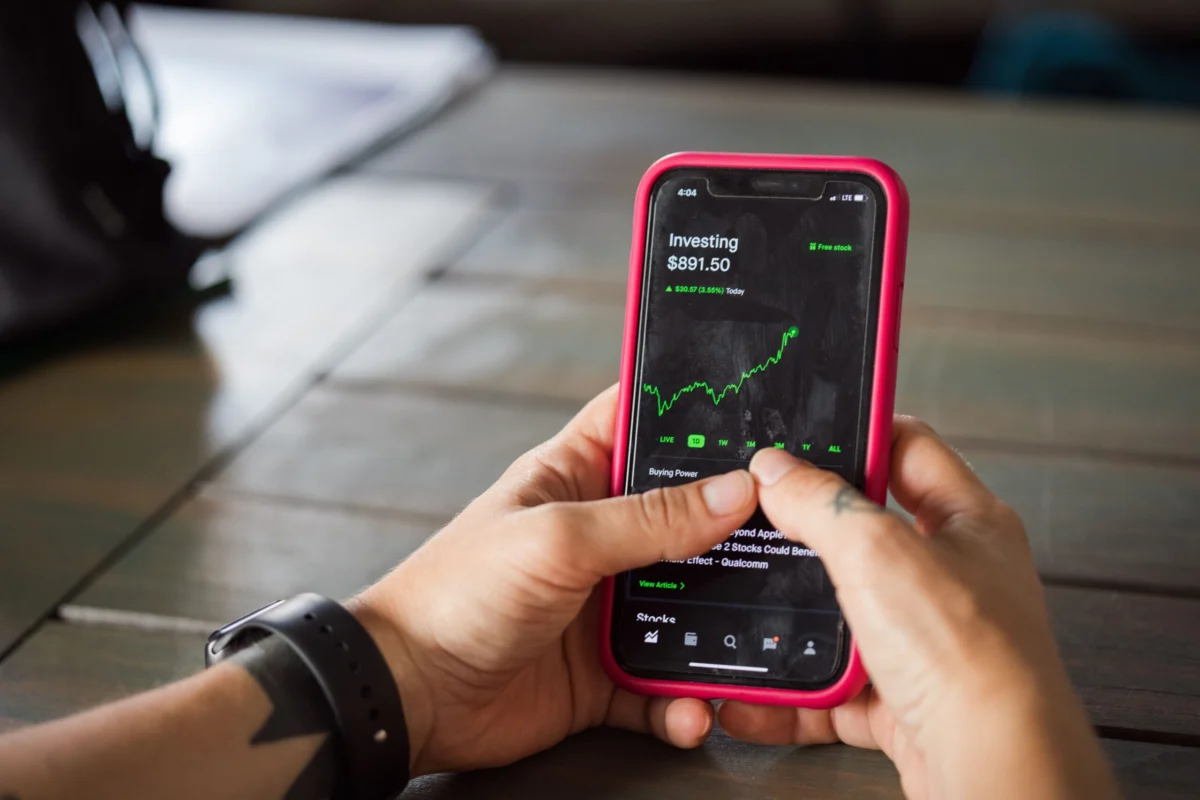
The backdrop to this decline in literacy is the explosive growth of accessible, digital-first investment platforms. Unlike previous generations who might have first encountered financial concepts through traditional banks or financial advisors, Gen Z has grown up with investment apps as ubiquitous as social media. These platforms, offering low barriers to entry and gamified interfaces, have democratized investing but simultaneously introduced complex, often volatile, asset classes to an unprepared audience.
The Northwestern Mutual’s 2026 Planning and Progress Study, which surveyed over 4,300 adults in January 2026, vividly illustrates this phenomenon. The study revealed that 40 percent of adults are either currently investing in or actively considering high-risk assets, a category that prominently includes cryptocurrency, sports betting, and prediction markets. Within Gen Z, participation in cryptocurrency alone reached an astounding 32 percent, nearly doubling the 20 percent reported just a few years prior. This rapid embrace of speculative investments is not arbitrary. A significant 80 percent of Gen Z respondents drawn to these high-risk ventures reported feeling financially "behind." This sentiment often fuels a belief that a "big win" from a high-risk bet could offer a quicker path to financial security than the gradual, disciplined approach of traditional investing. While understandable given current economic pressures, this mindset transforms reasonable risk-taking into potentially catastrophic gambles.
Underlying Drivers: Why Gen Z is Vulnerable
Several interconnected factors contribute to Gen Z’s precarious financial position. The lack of comprehensive financial education within traditional schooling curricula stands out as a primary systemic failure. While subjects like mathematics and economics are taught, practical personal finance, covering topics such as budgeting, saving, debt management, and investment fundamentals, is often absent or insufficient. This leaves young adults entering the workforce ill-equipped to manage their finances effectively.
Economically, Gen Z faces unique pressures that previous generations did not, or at least not to the same degree. They are inheriting a landscape characterized by escalating student loan debt, which for many, begins accumulating before they even earn their first professional paycheck. Coupled with soaring housing costs and a generally higher cost of living, the financial burden on young adults is substantial. This creates a pervasive sense of anxiety and a feeling of being perpetually "behind," which, as the Northwestern Mutual study indicates, can push individuals toward riskier financial endeavors in a desperate search for accelerated wealth accumulation.
Furthermore, the pervasive influence of social media cannot be overlooked. Platforms like TikTok, Instagram, and YouTube are replete with content from financial "influencers" who often promote speculative investments, "get rich quick" schemes, and highlight extraordinary gains without adequately disclosing risks or the necessity of foundational knowledge. The algorithms of these platforms can create echo chambers, reinforcing beliefs and encouraging participation in trends that might lack sound financial backing. This environment, where quick tips and anecdotal successes overshadow rigorous education, further distorts the perception of investing as a fast track rather than a long-term strategy.
The High-Stakes Gamble: Risks and Real-World Consequences
The combination of low financial literacy and a penchant for high-risk investing creates an exceptionally volatile cocktail. The real-world consequences are already manifesting. A recent Bloomberg analysis, tracking every Polymarket wallet active since 2025, painted a stark picture of the dangers inherent in prediction markets. The analysis found that nearly twice as many accounts registered losses of at least $1,000 as those that made equivalent gains. This data strongly suggests that despite the appearance of "informed betting," most participants are outmatched by more experienced traders or simply fall prey to the inherent volatility and speculative nature of these platforms.
Cryptocurrency, while offering potential for significant returns, carries its own set of pronounced risks. Extreme price volatility, regulatory uncertainties, and the complexity of understanding various digital assets demand a level of financial sophistication often absent in new investors. Without basic literacy, an investor may lack the ability to appropriately size a position, understand diversification, or know when to cut losses. An ill-timed or overleveraged investment can lead to substantial losses in a single day, or even within hours.
Crucially, significant financial losses early in one’s investing journey do more than just deplete capital. They can instill deep-seated distrust in the financial system, leading to disengagement from investing altogether. This is particularly damaging for young investors, as it cuts short the critical period when compounding returns – the exponential growth of investments over time – could have the most profound impact on long-term wealth accumulation. The adage "time in the market, not timing the market" is lost on those who quit prematurely due to preventable, literacy-driven mistakes.
Comparing Gen Z’s investment habits to those of previous generations like Gen X and Baby Boomers further illuminates the issue. Historically, investors often prioritized building fundamental financial knowledge, establishing emergency funds, and understanding basic concepts before venturing into more complex investment vehicles. Their entry into investment accounts typically occurred later in their careers, after securing stable employment and developing sound money management habits. This chronological order is vital because financial literacy, much like interest, compounds. An individual who grasps the principles of compounding, the impact of fees, and the importance of diversification early on is better positioned to avoid costly errors that can take years to rectify. While wealth can still be built without this foundational understanding, the margin for error shrinks dramatically, increasing vulnerability to market downturns and speculative bubbles.
Expert Perspectives and Calls to Action
Financial educators and policymakers are increasingly vocal about the urgency of addressing this generational financial literacy gap. Dr. Emily Chen, a leading financial literacy advocate (inferred expert), commented, "The data from the P-Fin Index is a flashing red light. We’re witnessing a generation enter a complex financial world with insufficient tools. It’s not about blaming Gen Z; it’s about acknowledging a systemic failure in how we prepare them for financial independence." She emphasized the need for a collaborative effort involving educational institutions, parents, and the financial industry to integrate practical financial education earlier and more comprehensively into young people’s lives.
A spokesperson for the TIAA Institute (inferred statement) highlighted the long-term implications: "A decade of declining financial knowledge, especially among our youngest adults, has profound societal consequences. It threatens future retirement security, increases vulnerability to scams, and can exacerbate wealth inequality. Proactive intervention is not just a recommendation; it’s an economic imperative."
From a policy standpoint, discussions are intensifying around mandating personal finance courses in high schools, developing standardized curricula that cover essential topics, and exploring public-private partnerships to create accessible and engaging financial education resources. The financial industry, too, faces calls to enhance transparency, simplify complex terms, and offer more robust educational tools within their platforms, particularly those targeting younger investors.
Strategies for Bridging the Gap: Empowering Financial Resilience
Closing the financial literacy gap does not necessitate a finance degree; rather, it requires a commitment to acquiring fundamental knowledge and building disciplined habits. The journey begins with mastering core concepts that are often overlooked in formal education. Terms like APR (Annual Percentage Rate), diversification, and compounding are not merely academic jargon; they are the bedrock of sound financial decision-making. Learning their practical implications is paramount. Instead of relying on potentially contradictory or misleading social media posts, engaging with plain-language explainers from reputable sources can provide clear, consistent understanding. The principle here is small, consistent learning triumphs over sporadic, information-overload "crash courses." A disciplined approach of dedicating time each week to learn one new concept thoroughly will yield far greater returns than a reactive scramble for information.
Beyond knowledge, establishing a robust financial safety net is critical. Before contemplating any investment, particularly those deemed high-risk, building an emergency fund is non-negotiable. This fund, typically comprising three to six months’ worth of living expenses, provides a crucial buffer against unforeseen circumstances, whether they are personal emergencies or market downturns. With an emergency fund in place, a bad month in the market or an unfortunate outcome in a prediction market will not threaten essential needs like rent or groceries. This cushion significantly reduces the psychological pressure to chase "quick wins" and fosters a more rational, long-term approach to investing. Fewer individuals feel compelled to take a long shot when their basic financial security is assured.
Ultimately, fostering a long-term mindset is perhaps the most valuable lesson. Understanding that wealth accumulation is a marathon, not a sprint, and that consistent, disciplined investing in diversified assets typically outperforms speculative gambles, is essential. The power of compounding, often referred to as the "eighth wonder of the world," works best over extended periods. Early losses due to a lack of literacy can prematurely halt this process, while early education can harness its full potential.
Broader Economic Implications
The financial literacy crisis among Gen Z extends beyond individual financial stability to impact the broader economy. A generation ill-equipped to manage debt, save for retirement, or make informed investment choices poses a significant risk to future retirement security systems. It could lead to increased reliance on social safety nets, greater wealth inequality, and reduced overall consumer confidence. Furthermore, a demographic prone to speculative, high-risk investing could contribute to market volatility and be more susceptible to financial scams, eroding trust in legitimate financial institutions. From a macroeconomic perspective, if a large segment of the population is making suboptimal financial decisions, it can suppress economic growth, limit capital formation, and potentially create systemic vulnerabilities.
Final Thoughts
The decade-low financial literacy score for Gen Z is not an indictment of character but rather a reflection of a rapidly evolving financial landscape where access to complex tools has outpaced foundational education. It highlights a generational challenge where investment apps often precede the development of a basic financial vocabulary. Addressing this gap is a collective responsibility. For individuals, the most impactful action is to commit to continuous, incremental learning. Picking one core concept, such as compounding, diversification, or risk assessment, and truly understanding it before moving to the next, creates a powerful, compounding habit. This small, consistent effort will ultimately bridge more of the financial literacy gap than any single high-stakes trade ever could, paving the way for a more secure and prosperous financial future for Gen Z and the economy as a whole.

