
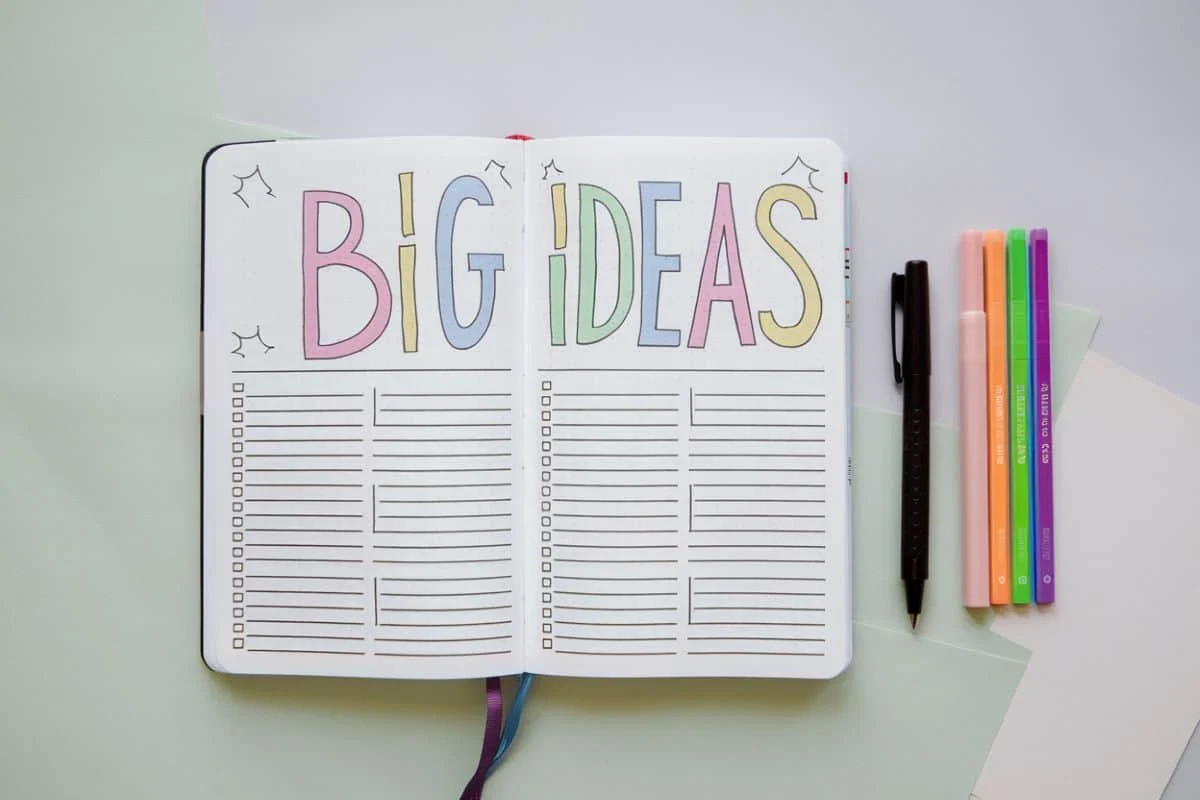
Are you looking for BUJO ideas and pages to set up your bullet journal? If yes, you have arrived in the right place. But watch out, with endless possibilities, it’s easy to feel overwhelmed. The key is to start with the basics and choose pages that fit your needs and interests. A bullet journal should work for you, not the other way around! Please keep it simple, but don’t be afraid to experiment for fun and inspiration. Let’s first cover a few bullet journaling basics. Whether you’re looking for inspiration in planning, productivity, creativity, or personal growth, we’ve curated over 97 page ideas to ignite your journaling journey.
What Is A Bullet Journal?
A bullet journal, often abbreviated as BUJO, is a highly customizable analog system designed by Ryder Carroll. It serves as a dynamic tool for organizing tasks, events, goals, and ideas through a method of rapid logging using bullet points and symbols. Unlike pre-formatted planners, the bullet journal’s strength lies in its flexibility, allowing users to create personalized spreads that cater to their unique organizational and creative needs. This system effectively integrates to-do lists, calendars, habit trackers, personal reflections, and a multitude of other planning elements into a single, cohesive notebook.
The core of the bullet journaling methodology hinges on a system of symbols, often referred to as "bullets," to denote different types of entries: tasks, events, and notes. This rapid logging approach, combined with an index and migration system for tasks, empowers users to effectively manage their commitments and thoughts. The adaptability of the bullet journal makes it a powerful instrument for enhancing productivity, fostering creativity, and driving personal growth by providing a structured yet fluid framework for self-management.
Why Use A BUJO?
The adoption of bullet journaling has surged globally, driven by its capacity to offer clarity and structure in an increasingly complex world. Proponents of the system highlight its role in fostering mindfulness and focus, enabling users to become more intentional about how they spend their time and energy. In an era saturated with digital distractions, the tactile and analog nature of a bullet journal provides a refreshing alternative, promoting deeper engagement with one’s plans and aspirations.
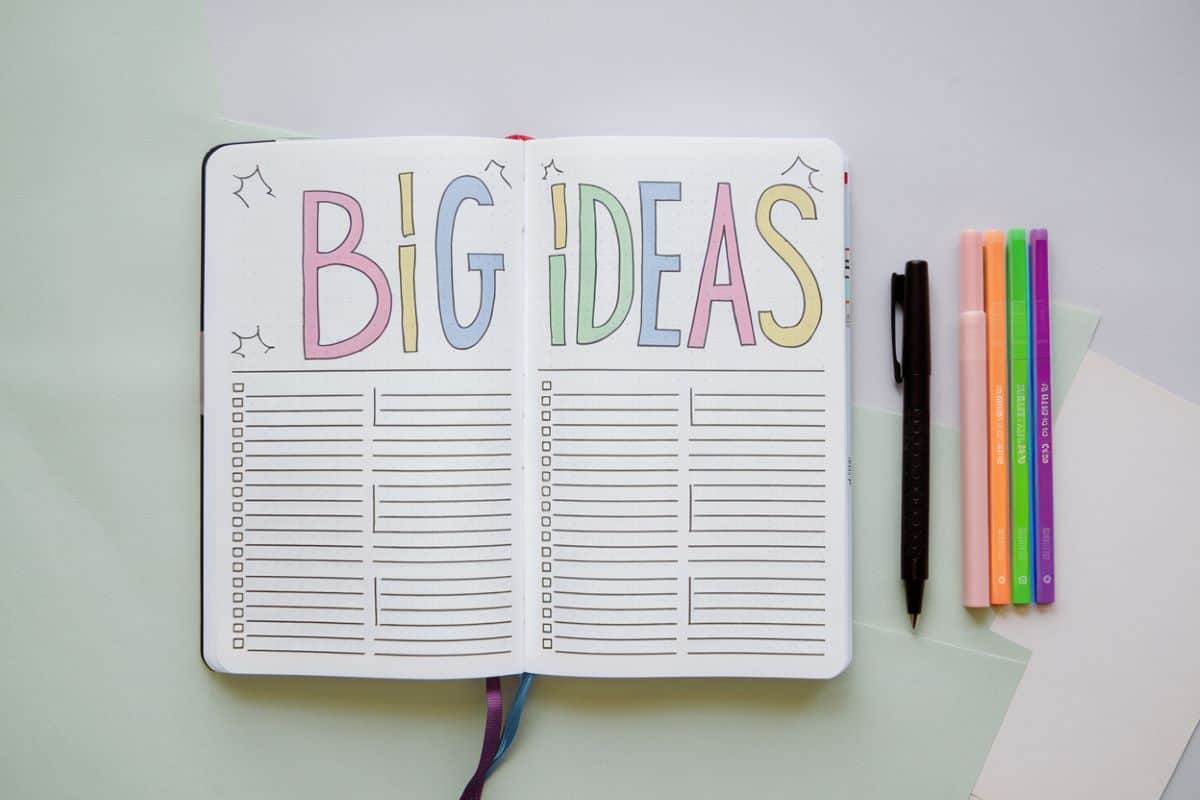
Research into personal productivity and time management consistently points to the benefits of structured planning and reflection. Studies have shown that the act of writing down tasks and goals can increase commitment and improve recall. Furthermore, habit tracking, a common feature in bullet journals, has been linked to increased self-awareness and a higher success rate in behavior modification. By offering a consolidated space for all aspects of life management, a bullet journal can significantly reduce stress, boost productivity, and facilitate measurable progress in both personal and professional spheres.
Tips For Using A Bullet Journal
Maximizing the utility of a bullet journal begins with a strategic approach to its setup. The most effective method involves selecting only a few key pages that directly address your immediate needs and priorities. Overloading the journal with too many complex layouts can quickly lead to overwhelm, negating the system’s inherent simplicity.
The guiding principle should be functionality over perfection. While aesthetic appeal is a significant draw for many bullet journal enthusiasts, it should not overshadow the primary purpose of the journal as a tool for organization and productivity. Experimentation with designs is encouraged, but it should be an organic process that evolves alongside your journaling practice.
Essential to any bullet journal are basic supplies: a notebook and a pen. For beginners, a dot grid notebook is often recommended as it provides a subtle structure that guides writing and drawing without imposing rigid lines, thus offering a balance between order and creative freedom. High-quality pens that write smoothly and do not bleed through the paper are also advisable.
The core of a functional bullet journal lies in its foundational layouts. These include an index, future log, monthly log, and daily log. These pages serve as the backbone of the system, enabling efficient navigation and task management.
- Pick Your Supplies
The initial step in establishing a bullet journal is to select appropriate supplies. The most fundamental requirement is a notebook and a writing instrument. While a vast array of specialized notebooks and pens are available, starting with basic, good-quality items is recommended. Dot grid notebooks are particularly popular due to their versatility; the subtle dots offer guidance for writing and drawing without being obtrusive, making them ideal for users who want structure but also appreciate creative freedom. The notebook should ideally have pre-numbered pages or be one that the user can manually number to facilitate the indexing process.
When choosing a pen, prioritize comfort and ink quality. A smooth-writing pen that doesn’t bleed through the paper will enhance the overall journaling experience. The selection of supplies can be tailored to individual budgets, ranging from affordable notebooks and pens to premium options. The key is to find tools that are comfortable to use and that inspire regular engagement with the journal.
- Create the Basic Layouts
A well-structured bullet journal, even in its most minimalist form, relies on several foundational pages to maintain organization. These core layouts are essential for navigating the journal and managing its contents effectively.
-
The Index: This section, typically at the beginning of the notebook, acts as a table of contents. As you add new spreads and pages, you record their topic and corresponding page number here, allowing for quick retrieval of information.
-
The Future Log: This spread provides an overview of the months ahead, usually covering six to twelve months. It’s where you can note down important future events, appointments, and deadlines that fall outside the current month.

-
The Monthly Log: This is a two-page spread dedicated to the current month. One page typically lists the dates and corresponding days of the week for tasks and events, while the other page serves as a monthly calendar or a list of monthly goals and priorities.
-
The Daily Log: This is the workhorse of the bullet journal, where you record your day-to-day tasks, events, and notes using the rapid logging system. Each day is allocated space, and as the month progresses, new daily logs are added.
These basic layouts form the essential framework of any bullet journal, ensuring that users can effectively track their progress, manage their schedules, and keep a record of their activities.
Beyond these fundamental spreads, the bullet journal system encourages expansion into various thematic pages, catering to diverse aspects of a user’s life. These specialized pages transform the journal from a mere organizer into a comprehensive tool for personal development, productivity enhancement, and creative expression. The sheer volume of potential applications means that a bullet journal can be tailored to virtually any goal or interest.

97 BUJO Ideas To Try
The true power of the bullet journal lies in its infinite customizability. With a vast array of potential spreads, users can create a system that perfectly aligns with their lifestyle, goals, and interests. Here, we explore a comprehensive selection of page ideas categorized to inspire and guide your journaling journey.
Wellness and Self-Care Page Ideas
Prioritizing well-being is crucial, and a bullet journal can be an invaluable tool for tracking and nurturing personal health. These pages encourage mindfulness and proactive self-care.
- Mood Tracker: A daily or weekly visualization of your emotional state, helping to identify patterns and triggers.
- Sleep Tracker: Monitoring sleep duration and quality to understand its impact on overall well-being.
- Water Intake Tracker: A simple visual reminder to stay hydrated throughout the day.
- Gratitude Log: A space to regularly record things you are thankful for, fostering a positive mindset.
- Affirmation Spreads: Dedicated pages for writing and reflecting on positive self-statements.
- Meditation Tracker: Logging daily or regular meditation sessions.
- Exercise Log: Recording workouts, duration, and intensity to track fitness progress.
- Meal Planner & Tracker: Planning weekly meals and logging what you eat to monitor dietary habits.
- Self-Care Routine Planner: Outlining and tracking consistent self-care activities.
- Symptom Tracker: For individuals managing chronic conditions, tracking symptoms and their potential causes.
- Mental Health Check-in: A structured way to assess your mental state and identify needs.
- Hydration Goals: Setting and tracking daily water consumption targets.
- Sleep Quality Log: Beyond duration, noting the quality of sleep obtained.
- Mindfulness Moments: Recording brief instances of mindfulness practiced throughout the day.
- Emotional Release Pages: A free-form space to write down and process emotions.
Finance and Budgeting Pages
Financial literacy and management are key components of overall stability. Bullet journals offer a practical way to track spending, save money, and plan for financial goals.
- Budget Tracker: Detailing income, expenses, and savings goals for effective financial oversight.
- Savings Goals Tracker: Visualizing progress towards specific financial objectives, such as a down payment or vacation fund.
- Bill Payment Tracker: Ensuring all bills are paid on time to avoid late fees and maintain good credit.
- Debt Payoff Tracker: A motivational tool to track progress in reducing outstanding debts.
- Expense Log: Categorizing and recording daily expenditures to identify spending habits.
- Income Tracker: Monitoring all sources of income for a clear financial picture.
- Net Worth Tracker: Calculating and tracking your overall net worth over time.
- Subscription Tracker: Listing all recurring subscriptions to manage and potentially reduce unnecessary costs.
- Financial Goals for the Year: Setting overarching financial aspirations for the coming months.
- No-Spend Challenge Tracker: A motivational spread for periods of intentional reduced spending.
- Investment Tracker: Monitoring the performance of investments.
- Emergency Fund Tracker: Dedicated tracking for building a financial safety net.
- Wish List: A place to jot down desired purchases, allowing for thoughtful consideration before buying.
Personal Development Page Ideas
Continuous learning and self-improvement are central to a fulfilling life. These pages help users focus on growth, learning, and achieving personal milestones.

- Goal Setting Pages: Defining short-term and long-term goals across various life domains.
- Habit Tracker: Monitoring the consistency of desired habits, from reading daily to exercising regularly.
- Skill Development Tracker: Identifying and tracking progress in learning new skills.
- Book Reading List & Tracker: Cataloging books to read and noting progress and thoughts on each.
- Journal Prompts: A collection of questions or topics to inspire reflective writing.
- Personal Growth Reflections: Dedicated space for contemplating personal development and lessons learned.
- Bucket List: A comprehensive list of experiences and achievements to pursue.
- Vision Board Elements: Space to sketch or write down aspirations for the future.
- Learning Log: Recording new knowledge acquired from courses, articles, or experiences.
- Personal Strengths Inventory: Identifying and acknowledging personal strengths.
- Areas for Improvement: A candid assessment of aspects of oneself that could be enhanced.
- Inspirational Quotes Collection: A curated list of motivating quotes.
- Personal Development Plan: A structured outline for achieving specific growth objectives.
Creative Outlet Pages
The bullet journal is an excellent canvas for artistic expression and creative exploration. These pages encourage imagination and the development of creative skills.
- Doodle Pages: Unstructured space for drawing and doodling to de-stress and spark creativity.
- Art Challenges: Participating in or creating personal art challenges with specific themes or mediums.
- Sketchbook Spreads: Dedicated pages for sketching ideas, observations, or artistic explorations.
- Color Palettes: Experimenting with and documenting color combinations for future projects.
- Creative Writing Prompts: Stimulating creative writing with provided prompts.
- Songwriting Journal: For musicians, a space to jot down lyrics, melodies, and song ideas.
- Quote Collection: A repository for memorable quotes from books, movies, or life experiences.
- Dream Journal: Recording dreams to analyze subconscious thoughts and creative inspiration.
- Bullet Journal Layout Inspiration: Saving or sketching designs that inspire your own spreads.
- Mind Mapping: Visualizing ideas and connections for projects or brainstorming sessions.
- Collage Elements: Space for pasting or drawing elements for visual inspiration.
- Hand Lettering Practice: Dedicated practice sheets for improving calligraphy and lettering skills.
- Art Supply Inventory: Keeping track of art materials and their usage.
Home and Organization Pages
Maintaining a well-organized living space can significantly contribute to peace of mind. These pages help in managing household tasks and decluttering.
- Cleaning Schedule: A detailed plan for regular household cleaning tasks.
- Decluttering Challenge: A structured approach to decluttering specific areas of the home.
- Home Inventory: Listing possessions for insurance purposes or simply for better organization.
- Meal Prep Planner: Organizing ingredients and recipes for efficient meal preparation.
- Gardening Journal: Tracking plant care, planting schedules, and harvest yields.
- Pet Care Log: Recording pet health, feeding schedules, and grooming appointments.
- Wardrobe Inventory: Cataloging clothing items to streamline dressing and shopping.
- Moving Checklist: A comprehensive guide for managing the logistics of a move.
- Home Improvement Projects: Planning and tracking progress on renovation or DIY tasks.
- Digital Declutter Checklist: A plan for organizing digital files and accounts.
- Pantry Inventory: Keeping track of food items to reduce waste and plan meals.
- Cleaning Supplies Tracker: Monitoring the stock of household cleaning products.
- Room-by-Room Decluttering Plan: A systematic approach to tidying up the entire home.
Travel and Adventure Page Ideas
For the wanderlust-filled individual, a bullet journal can serve as a chronicle of past journeys and a planner for future explorations.
- Travel Bucket List: Dreaming up and documenting desired travel destinations.
- Trip Itinerary Planner: Detailed planning for upcoming trips, including flights, accommodation, and activities.
- Packing List: Essential items checklist for different types of travel.
- Travel Journal: Recording memories, experiences, and observations from trips.
- Places to Visit (Local & Global): A running list of spots to explore.
- Restaurant Reviews: Documenting favorite dining experiences.
- Souvenir Tracker: Noting memorable souvenirs acquired.
- Travel Budget Planner: Estimating and tracking expenses for trips.
- Road Trip Planner: Specific planning for overland adventures.
- Adventure Log: Recording exciting activities and experiences.
- Travel Photography Log: Documenting photos taken during travels.
- Language Learning Notes: Jotting down useful phrases for travel.
- Post-Trip Reflection: Summarizing key takeaways and memories from a journey.
Relationships and Social Life Pages
Nurturing connections with others is vital for happiness. These pages can help in managing social commitments and strengthening relationships.
- Friends & Family Contact List: Keeping track of important contacts and their details.
- Birthday & Anniversary Tracker: Ensuring no special occasion is forgotten.
- Gift Ideas List: Jotting down thoughtful gift ideas for loved ones.
- Date Night Ideas: Planning quality time with a partner.
- Social Events Planner: Organizing gatherings and parties.
- Relationship Goals: Defining aspirations for personal relationships.
- Acts of Kindness Tracker: Recording instances of performing or receiving kindness.
- Conversation Starters: A list of engaging topics for social interactions.
- Thank You Note Tracker: Remembering to send thank you notes after events or gifts.
- Social Media Break Tracker: Planning intentional periods away from social media.
- Friendship Goals: Setting intentions for maintaining and deepening friendships.
- Family Tree Sketch: A visual representation of family connections.
- Event Guest List Management: For hosts, a tool to track RSVPs.
Academic and Professional Pages
For students and professionals, a bullet journal can be an indispensable tool for academic success and career advancement.
- Assignment Tracker: Keeping track of all academic assignments, deadlines, and their status.
- Study Schedule: Planning dedicated time for studying and reviewing course material.
- Exam Schedule: Organizing exam dates and preparation strategies.
- Project Planner: Breaking down large projects into manageable steps with deadlines.
- Meeting Notes: Recording key discussion points and action items from professional meetings.
- Career Goals: Defining short-term and long-term career aspirations.
- Professional Development Tracker: Logging workshops, courses, and skills acquired for career growth.
- Networking Log: Keeping track of professional contacts and interactions.
- Work/Life Balance Tracker: Assessing and planning for a healthy equilibrium between professional and personal life.
- Client Information: For freelancers or business owners, a place to store client details and project history.
- Time Management Strategies: Experimenting with and documenting effective time management techniques.
- Presentation Planning: Outlining content and structure for professional presentations.
- Networking Event Follow-up: Tracking contacts made and planning follow-up actions.
Miscellaneous and Fun Page Ideas
Beyond practical applications, a bullet journal can be a space for pure enjoyment and personal reflection.
- Favorite Quotes: A collection of inspiring or meaningful quotes.
- Movies & TV Shows to Watch: A list of entertainment to enjoy.
- Recipes to Try: A culinary wish list.
- Wish List (General): Items desired for personal enjoyment or hobbies.
- Funny Moments Log: Recording humorous anecdotes from daily life.
- Bucket List (Fun & Quirky): A list of lighthearted experiences to pursue.
- Personal Achievements Log: Celebrating small and large victories.
- "Things I Love" List: A reminder of simple joys and passions.
- Future Self Letter: Writing a letter to your future self to be opened at a later date.
- Random Thoughts Dump: A space for unorganized ideas and musings.
- Pen and Ink Swatches: Testing and documenting different writing tools.
- Sticker Collection Inventory: For those who love decorating, tracking their sticker stash.
- Favorite Music List: Documenting favorite albums and songs.
Planning and Scheduling Page Ideas
Effective planning is at the heart of productivity. These spreads help in organizing time and activities efficiently.
- Weekly Spread: A detailed overview of tasks, appointments, and goals for the week.
- Monthly Goals: High-level objectives to achieve within the current month.
- Daily Priorities: Identifying the most important tasks for each day.
- Time Blocking Schedule: Allocating specific blocks of time for different activities.
- Event Planning: Detailed plans for organizing events, from parties to workshops.
- Project Timelines: Visualizing the stages and deadlines of various projects.
- Brainstorming Pages: Dedicated space for generating ideas and solutions.
- To-Do Lists: Simple lists of tasks that need to be completed.
- Rolling Calendar: A flexible calendar that can be adapted to different timeframes.
- Yearly Overview: A bird’s-eye view of the entire year’s important dates and events.
- Task Migration Tracker: For tasks that are not completed, tracking their movement to a new date or list.
- Priority Matrix: Organizing tasks based on urgency and importance.
- Delegation Tracker: For managers or individuals who delegate tasks, a way to track what has been assigned.
Bullet Journal Pages – Wrap Up
The bullet journal system offers a profound and adaptable approach to personal organization, creative expression, and self-improvement. Its core strength lies in its user-centric design, allowing individuals to craft a system that perfectly mirrors their unique needs and aspirations. Whether the objective is to enhance productivity, cultivate mindfulness, manage finances, or simply provide a space for creative exploration, the bullet journal stands as a powerful and versatile tool.

The journey into bullet journaling should commence with a focus on foundational elements, gradually integrating new spreads and layouts as familiarity grows. The principle of "functional over perfect" is paramount; the journal is a dynamic tool designed to serve the user, not the other way around. By embracing simplicity and encouraging experimentation, individuals can cultivate a journaling practice that is both inspiring and effective. The expansive potential of the bullet journal ensures that it can evolve alongside its user, remaining a constant companion in the pursuit of a more organized, productive, and fulfilling life.

