
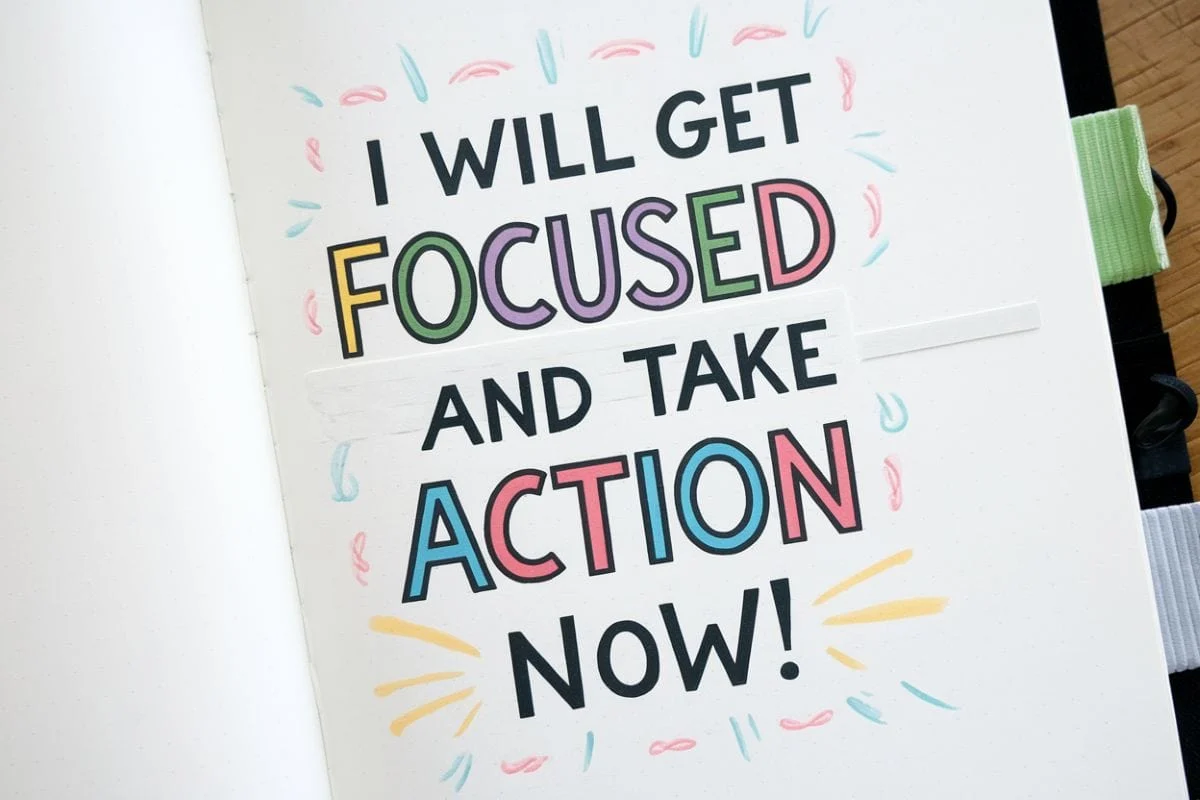
The bullet journal, a system renowned for its adaptability and personalizable nature, offers a powerful yet often underutilized tool for task management and productivity enhancement: the to-do list. Far from being a mere checklist, a strategically designed to-do list within a bullet journal can transform chaos into order, providing a clear roadmap for daily, weekly, and even long-term objectives. This article delves into the multifaceted ways bullet journal to-do lists can be leveraged, exploring various layouts and techniques that cater to diverse organizational styles and productivity goals.
At its core, the bullet journal methodology, pioneered by Ryder Carroll, emphasizes rapid logging and flexible organization. The to-do list is a fundamental component of this system, allowing users to capture, categorize, and prioritize tasks efficiently. The versatility of the bullet journal format means that to-do lists can be adapted to individual needs, whether that involves a strict adherence to priorities, a time-based approach, or a thematic categorization through color-coding. This adaptability ensures that the system remains a practical asset rather than a cumbersome obligation.
The Foundational Power of the Simple To-Do List
The most straightforward approach to task management within a bullet journal is the classic to-do list. This foundational spread is incredibly effective due to its simplicity and directness. It serves as a centralized repository for all tasks, preventing them from being scattered across sticky notes or forgotten entirely. The power of this method lies in its ability to bring clarity to a potentially overwhelming workload. By writing down tasks, individuals can externalize their mental load, freeing up cognitive resources for focused execution.

For those who prefer a minimalist aesthetic, a simple, unadorned list of tasks with accompanying bullet points (for tasks) and symbols (for completion, migration, or cancellation) is highly effective. This approach prioritizes function over form, ensuring that the primary goal of task tracking is met without unnecessary embellishment. For users who appreciate a more structured environment, the simple to-do list can be enhanced with pre-defined sections, such as "Morning Tasks," "Afternoon Tasks," or "Errands," further refining organization. The key benefit of this basic format is its immediate applicability and low barrier to entry, making it an ideal starting point for anyone new to bullet journaling or seeking a streamlined productivity system.
Enhancing Prioritization Through Color-Coding
One of the most impactful ways to elevate a standard to-do list is through the strategic use of color-coding. This technique transforms a monochrome list into a dynamic visual aid, allowing for instant recognition of task urgency, type, or importance. Color-coding adds a layer of analytical organization, enabling users to glance at their list and immediately understand the landscape of their commitments.

A common and effective color-coding system might assign specific hues to different categories of tasks. For instance, red could denote urgent or time-sensitive items that require immediate attention. Yellow might be reserved for essential but less time-critical tasks, while blue could represent tasks that are desirable but not essential, to be tackled if time permits. Green could be used for personal errands or self-care activities, ensuring a balance between professional and personal responsibilities. This visual hierarchy helps individuals allocate their energy and focus more effectively throughout the day, ensuring that critical tasks are addressed before less pressing ones. The psychological impact of seeing tasks color-coded can also foster a sense of control and reduce the anxiety often associated with a long list of obligations.
Strategic Prioritization: The "Must Do – Should Do – If I Have Time" Framework
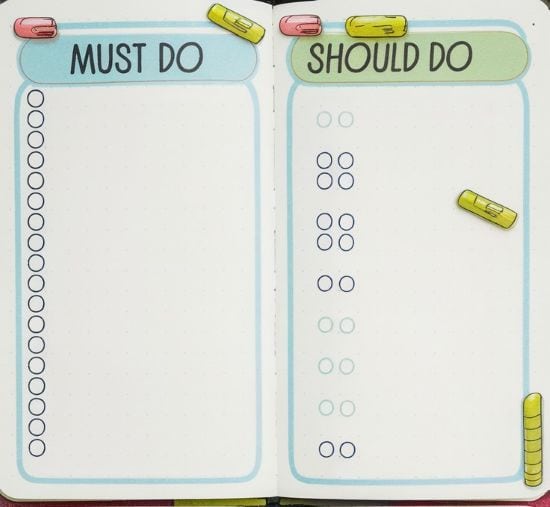
For individuals who grapple with prioritizing their workload, the "Must Do – Should Do – If I Have Time" framework offers a structured and intuitive solution. This categorization method provides a clear hierarchy of importance, guiding users to focus their efforts where they will have the greatest impact.

The "Must Do" category encompasses tasks that are non-negotiable and essential for immediate progress or meeting critical deadlines. These are the tasks that, if not completed, would have significant negative consequences. The "Should Do" category includes important tasks that contribute to larger goals or projects but are not as immediately critical as the "Must Do" items. Finally, the "If I Have Time" category is for tasks that are beneficial or enjoyable but can be deferred without jeopardizing primary objectives. This layered approach ensures that even on days with limited time, the most crucial tasks are addressed, preventing a backlog of high-priority items. It also provides a realistic framework for managing expectations and avoiding the feeling of being constantly behind.
In some variations, the "If I Have Time" section might be omitted, leaving a simpler "Must Do – Should Do" structure. This can be particularly effective for individuals who prefer an even more focused approach, concentrating solely on the essential and important tasks without the added layer of optional activities. This streamlined approach can be beneficial for reducing decision fatigue and maintaining a sharp focus on core responsibilities.

Daily, Weekly, and Monthly To-Do List Layouts
The effectiveness of a bullet journal to-do list is also dependent on its alignment with the user’s planning horizon. Whether one plans day-by-day, week-by-week, or month-by-month, there are specific layouts that optimize task management for each timeframe.
Daily Spread: Capturing the Day’s Objectives
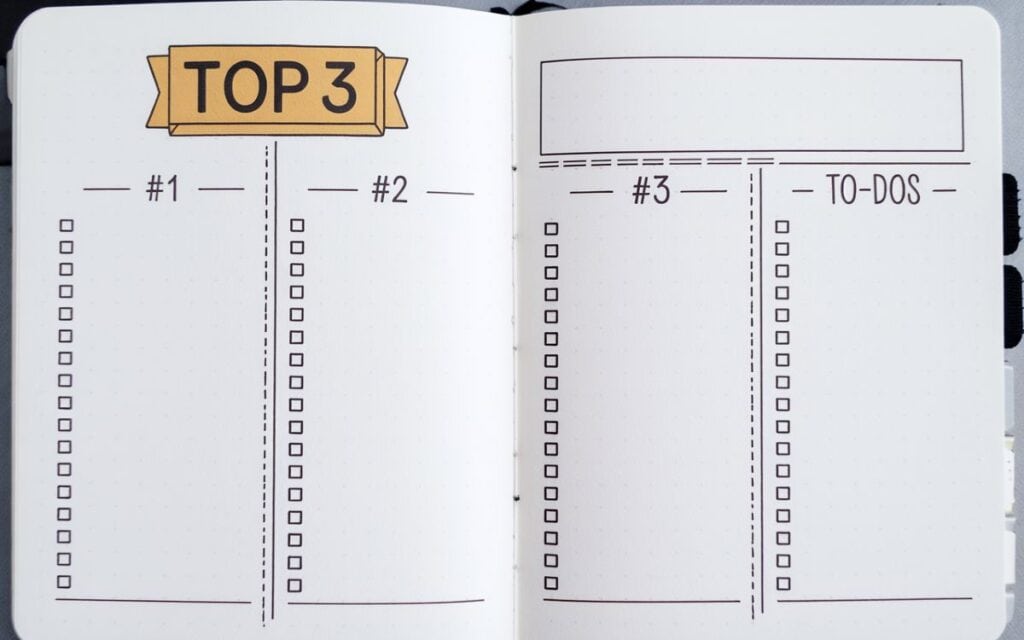
A daily to-do list spread is crucial for managing immediate tasks and maintaining momentum. These spreads often incorporate sections for scheduled appointments, a prioritized list of tasks, and notes. The visual separation of tasks allows users to tackle them systematically. Some daily spreads are designed to be extremely simple, featuring a single list. Others are more elaborate, incorporating time blocking for scheduled events and tasks, or a dedicated section for the "Daily Top 3" priorities. The "Daily Top 3" method, in particular, is a powerful technique that focuses attention on the three most critical tasks that must be accomplished each day. By limiting the focus to a small, manageable number of high-impact tasks, individuals can avoid feeling overwhelmed and ensure consistent progress on their most important goals.
Weekly Spreads: Navigating the Mid-Term
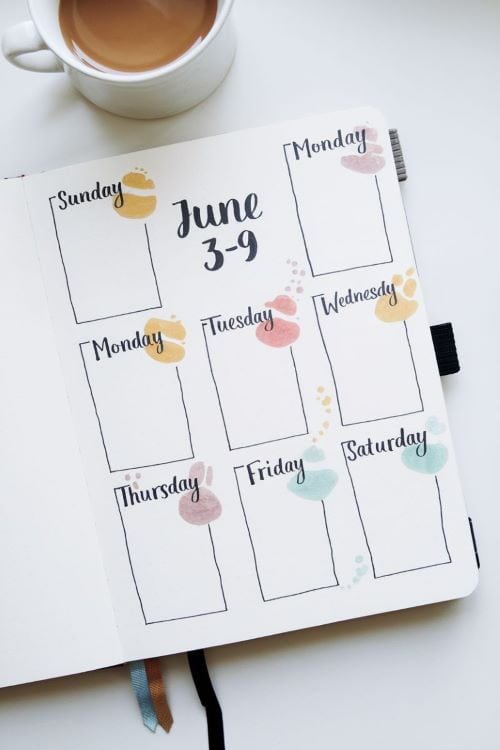
Weekly spreads offer a broader perspective, allowing users to plan tasks for the upcoming seven days. These layouts can take various forms, from a simple list for each day of the week to more structured grids that incorporate appointments, tasks, and notes for each day. A well-designed weekly spread allows for the allocation of larger tasks across several days or the scheduling of recurring weekly activities. It also provides an opportunity to review the previous week’s accomplishments and plan for the week ahead, fostering a continuous cycle of planning and execution. For instance, a weekly spread might feature a dedicated section for "Weekly Goals" or "Focus Areas," ensuring that the day-to-day tasks align with broader objectives.
Monthly Spreads: The Big Picture View
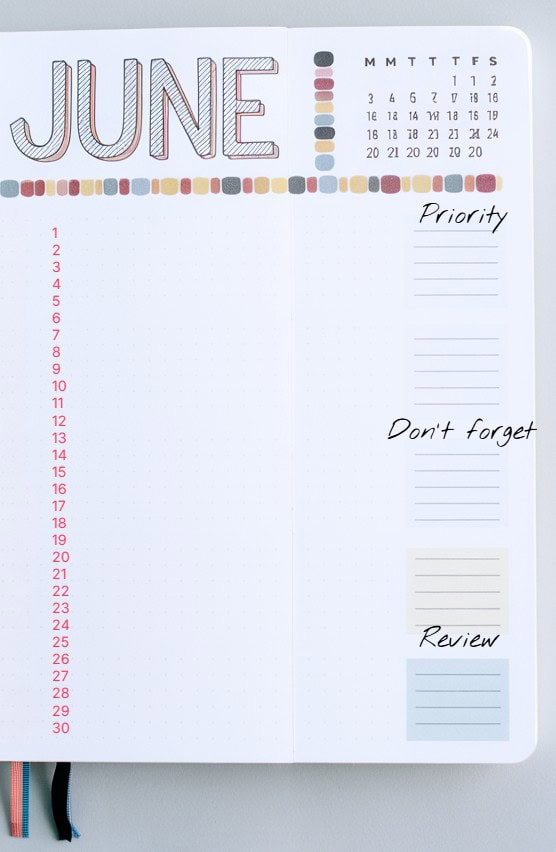
Monthly spreads are invaluable for long-term planning and tracking larger projects or recurring monthly tasks. A typical monthly spread includes a calendar view and a dedicated space for monthly goals or a master to-do list. This allows users to see upcoming deadlines, appointments, and to-do items at a glance, facilitating better time management and resource allocation over a longer period. For project management, a monthly spread can be used to outline key milestones and deadlines, with individual tasks being broken down further in daily or weekly spreads. The monthly overview helps in identifying potential conflicts or periods of high workload, allowing for proactive adjustments to the schedule.
Tracking Routine and Recurring Tasks
Beyond day-to-day or week-to-week tasks, many responsibilities are recurring. These can include household chores, self-care routines, work-related duties, or personal development activities. Bullet journals offer effective ways to track these routine tasks, ensuring consistency and accountability.
Time-Based Task Management
For individuals whose schedules are dictated by specific times, a time-based task list is highly beneficial. This format allows users to allocate specific time slots for completing tasks, ensuring that they are not only accounted for but also integrated into the daily flow. This approach is particularly useful for those who have a structured daily routine or for managing tasks that must be completed at particular intervals. For example, a fitness routine might be scheduled for a specific time each morning, or a work-related check-in might be set for a particular hour. This method helps to build discipline and ensure that time-sensitive activities are not overlooked.
Weekly Recurring Tasks Tracker
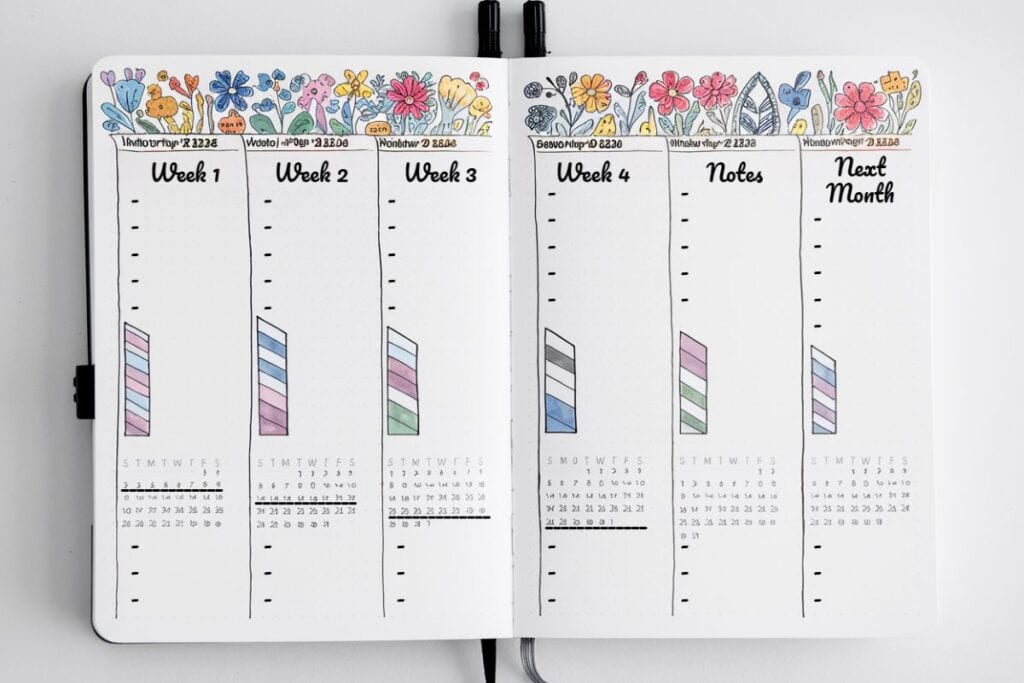
A dedicated spread for weekly recurring tasks can be immensely helpful. This typically involves listing the recurring tasks on the far left-hand column of a page, with subsequent columns representing each week of the month. As a task is completed each week, a mark is made in the corresponding weekly box. This visual tracker provides a clear overview of consistent task completion and can be motivating as users see their progress over time. It’s an excellent tool for habit formation, ensuring that essential routines are maintained without constant reminders.
Rotating Tasks for Flexibility
In dynamic environments where weekly tasks vary, a flexible rotating task list is ideal. This approach allows users to write in the specific tasks for each week as they arise. This offers a high degree of adaptability, ensuring that the to-do list remains relevant and practical regardless of changing circumstances. By creating a template that can accommodate different tasks each week, users can maintain a structured approach to their responsibilities without being constrained by pre-defined lists that may become obsolete.
Project Management Through Bullet Journal To-Do Lists
Long-term projects, whether personal or professional, can often feel daunting. Breaking them down into manageable steps is key to successful completion, and a bullet journal project planner to-do list excels at this. By outlining project milestones, key deliverables, and associated deadlines, users can create a clear roadmap for their progress.
Project Planner Layouts
A project planner spread in a bullet journal can be structured in various ways. One common method is to list major project phases or milestones, with sub-tasks listed underneath each. Another approach is to create a timeline view, marking key dates and deadlines for different project components. Prioritization can be integrated by assigning a priority level to each task or by using color-coding to distinguish between different types of project activities (e.g., research, creation, review). This detailed breakdown transforms an overwhelming project into a series of achievable steps, fostering a sense of accomplishment with each completed task.
Conclusion: The Bullet Journal To-Do List as a Catalyst for Productivity
A meticulously organized to-do list within a bullet journal is far more than a simple checklist; it is a strategic tool that fosters clarity, reduces overwhelm, and drives progress towards personal and professional goals. The inherent flexibility of the bullet journal system allows individuals to tailor their to-do lists to their unique needs and preferences, whether they favor minimalist simplicity, vibrant color-coding, or structured project planning.
The key to unlocking the full potential of bullet journal to-do lists lies in consistent application and thoughtful adaptation. By experimenting with different layouts—from daily "Top 3" lists to comprehensive monthly planners—users can discover the methods that best support their workflow and productivity style. The bullet journal itself becomes a reflection of an individual’s organizational prowess, time management skills, and commitment to habit building. Ultimately, the most effective planner pages are not necessarily the most aesthetically intricate, but rather those that empower users to organize their thoughts, take decisive action, and effectively accomplish their objectives. The journey of mastering the bullet journal to-do list is one of continuous refinement, leading to enhanced efficiency and a greater sense of control over one’s tasks and aspirations.

