
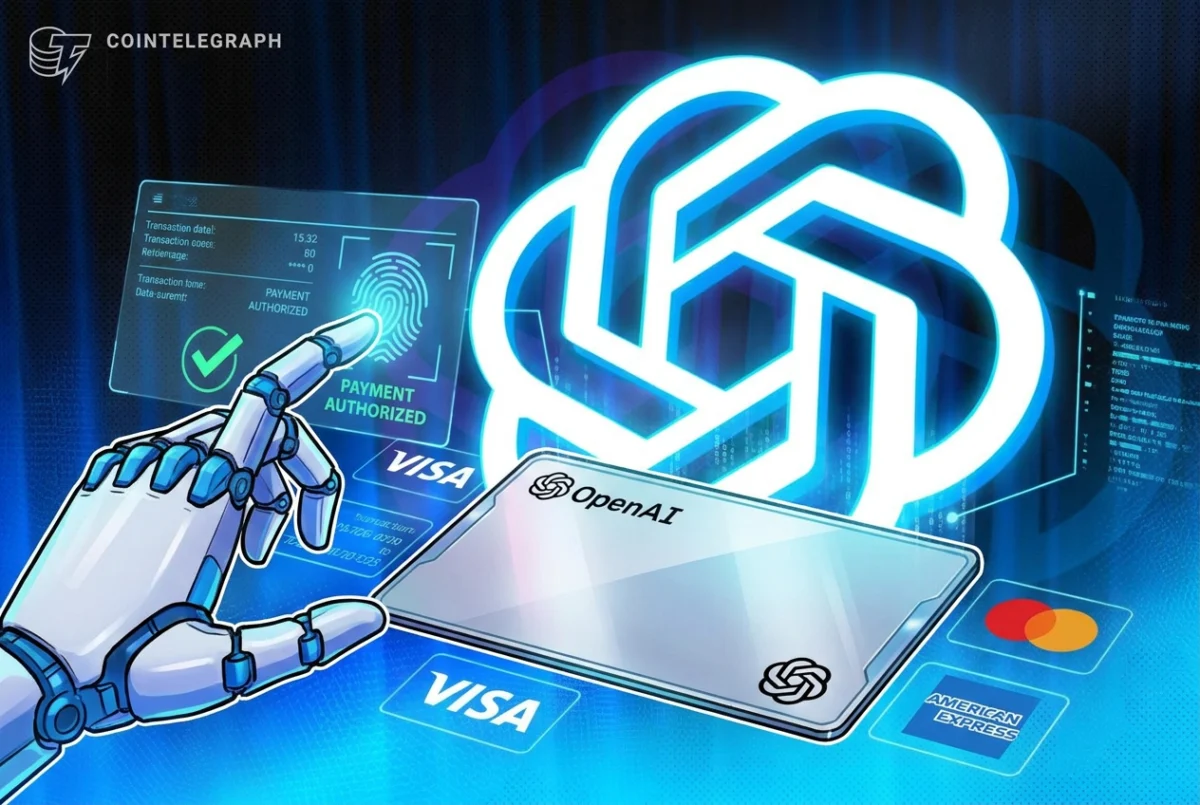
OpenAI’s groundbreaking introduction of the ChatGPT Wallet marks a pivotal moment in the evolution of artificial intelligence, transitioning AI from sophisticated information processors to active participants in the global economy. This innovative feature, launched on Friday, empowers AI agents to initiate and complete purchases on behalf of users directly within the ChatGPT interface, leveraging the infrastructure of established payment giants American Express, Mastercard, and Visa. This development signals a significant shift in how consumers might interact with online commerce, potentially streamlining the purchasing process and unlocking new avenues for AI-driven services.
The core of the ChatGPT Wallet’s functionality lies in its secure and user-centric authorization process. Users will be able to approve transactions using their biometric data, such as facial recognition or fingerprint scans, providing a familiar yet enhanced layer of security. This approach aligns with the growing trend of multi-factor authentication in digital transactions, aiming to balance convenience with robust protection of sensitive financial information. Following user authorization, the collaborating payment networks will generate tokenized card credentials. This crucial step ensures that a user’s actual card details are never directly shared with merchants or the AI agent itself, thereby significantly mitigating the risk of data breaches and unauthorized access. This tokenization technology, a well-established practice in online payments, is now being applied to facilitate AI-driven transactions, adding a layer of trust and security to this novel application.
Phased Rollout and Future Aspirations
The initial rollout of the ChatGPT Wallet is targeted at ChatGPT Pro subscribers within the United States, provided they possess eligible credit cards issued in the country. This strategic, geographically limited launch allows OpenAI to meticulously test and refine the system, gather crucial user feedback, and address any potential challenges before a broader expansion. The company has explicitly stated its long-term vision for the wallet, which includes enabling AI agents to execute purchases within predefined spending limits and other customizable restrictions. This future functionality aims to further automate transactions, reducing the need for individual user approval for every single purchase, thereby creating a more seamless and efficient experience for high-frequency or recurring transactions. This could include scenarios like automatically replenishing household supplies or subscribing to digital services without manual intervention.
A Shifting Landscape in AI and Commerce
The launch of the ChatGPT Wallet arrives at a time when artificial intelligence companies are increasingly looking beyond mere product recommendations and informational retrieval. The ambition is now to move into the realm of transactional capabilities, fundamentally altering the established paradigms of online commerce. OpenAI’s collaboration with payment processors and fraud prevention firms underscores the seriousness with which the company is approaching the integration of AI into existing checkout systems. This indicates a commitment to ensuring that AI-initiated transactions are not only convenient but also secure and compliant with industry standards.
A Growing Ecosystem of AI Payment Solutions
OpenAI is not venturing into this nascent field alone. The landscape of AI payment systems is rapidly expanding, with several prominent players already making significant strides. Google, for instance, introduced its Agent Payments Protocol in 2025, laying the groundwork for AI agents to handle financial transactions. Similarly, industry titans Visa and Mastercard have been actively developing and launching their own initiatives to support AI-initiated transactions, signaling a broad industry consensus on the inevitability and potential of this technology. These parallel efforts highlight a collective recognition of the transformative power of AI in reshaping financial interactions.
The Rise of Decentralized and Hybrid Payment Infrastructures
Beyond the traditional financial institutions, the cryptocurrency sector is also playing a crucial role in developing payment infrastructure specifically for AI agents. Coinbase, a leading cryptocurrency exchange, introduced its x402 protocol in 2025, which facilitates autonomous stablecoin payments for digital services. This protocol enables a more direct and automated transfer of value between AI agents and service providers. Circle, another key player in the stablecoin ecosystem, launched its Agent Stack in May. This platform allows AI agents to hold and spend USDC (a stablecoin pegged to the US dollar) within predefined limits, offering a controlled yet flexible payment mechanism.
A different, yet equally innovative, approach is being pioneered by Crossmint. This company focuses on providing stablecoin infrastructure but differentiates itself by integrating stablecoin wallets with traditional card networks. This hybrid model aims to bridge the gap between the decentralized world of cryptocurrencies and the established infrastructure of traditional finance, potentially offering the best of both worlds for AI agent transactions.
Projected Growth and Economic Implications
The burgeoning field of agentic commerce is not just a technological curiosity; it is poised for substantial economic growth. A comprehensive report published by Juniper Research in April projected that the global transaction value for agentic commerce is expected to skyrocket to an astonishing $1.5 trillion by the year 2030. This represents a dramatic increase from an estimated $8 billion in 2026, underscoring the rapid adoption and transformative potential of AI-driven commerce. This exponential growth trajectory suggests that AI agents will become increasingly integral to economic activity, facilitating a wide array of transactions across diverse sectors.
Background Context and the Evolution of AI Capabilities
The introduction of the ChatGPT Wallet is the culmination of years of research and development in artificial intelligence. Early AI systems were primarily focused on pattern recognition and data analysis. The advent of large language models (LLMs) like those powering ChatGPT marked a significant leap forward, enabling AI to understand and generate human-like text, engage in nuanced conversations, and perform complex reasoning tasks. The natural progression from these cognitive abilities is to imbue AI with the capacity to act upon these insights and decisions in the real world, which includes engaging in financial transactions.
The journey from simple chatbots to sophisticated AI agents capable of making purchases has been a gradual but relentless march. Initially, AI was confined to research labs and specialized applications. The widespread accessibility of platforms like ChatGPT has democratized AI, bringing its capabilities to the fingertips of millions. This broad user base naturally creates a demand for more interactive and functional AI experiences, with the ability to execute tasks directly being a highly sought-after feature.
Timeline of Key Developments in AI Payments
- Early 2020s: Initial research and conceptualization of AI agents capable of autonomous action.
- 2025: Google introduces its Agent Payments Protocol, outlining a framework for AI agent transactions.
- 2025: Coinbase launches its x402 protocol, enabling autonomous stablecoin payments.
- May [Year Not Specified, but implied recent]: Circle releases its Agent Stack, allowing AI agents to manage USDC.
- [Year Not Specified, but implied recent]: Visa and Mastercard unveil initiatives to support AI-initiated transactions.
- April [Year Not Specified, but implied recent]: Juniper Research publishes a report forecasting $1.5 trillion in agentic commerce by 2030.
- Friday [Current Date]: OpenAI announces the ChatGPT Wallet, enabling AI agents to make purchases with major payment networks.
This timeline illustrates a concentrated period of innovation and development in the AI payment space, highlighting the rapid pace at which this technology is evolving and being integrated into existing financial systems.
Statements and Reactions (Inferred)
While direct quotes from all involved parties might not be immediately available, the collaborative nature of this launch strongly suggests a shared vision and commitment. A spokesperson for American Express, known for its premium card services and focus on security, likely views this as an opportunity to extend its trusted payment solutions to a new frontier of AI-driven commerce. They would emphasize their commitment to safeguarding cardholder data and ensuring a seamless transaction experience.
Mastercard and Visa, as global payment network leaders, are undoubtedly seeing this as a strategic move to remain at the forefront of financial innovation. Their participation indicates a readiness to adapt their robust payment infrastructure to accommodate the unique demands of AI agents. Their statements would likely focus on the security, scalability, and global reach of their networks, ensuring that these new AI-enabled transactions are as reliable and secure as traditional ones.
From the perspective of merchants, this development presents both opportunities and challenges. While it could lead to increased sales volumes through automated purchasing, there will be a need for clear protocols and potential adjustments to existing e-commerce platforms to seamlessly integrate with AI-initiated payments. The emphasis on tokenization and secure transaction processing by OpenAI and its partners would likely be reassuring to businesses.
Broader Impact and Implications
The implications of the ChatGPT Wallet extend far beyond a mere convenience feature. This development could fundamentally alter consumer behavior, leading to a more proactive and less intrusive online shopping experience. Imagine an AI agent managing your household inventory, automatically reordering groceries or household essentials before you even realize you’re running low. For busy professionals, it could mean having an AI assistant manage recurring subscriptions or book appointments without requiring constant oversight.
Furthermore, this technology has the potential to unlock new business models and revenue streams for companies. AI agents could be employed to conduct market research by making test purchases, or to optimize supply chains by automating procurement processes. The ability for AI to execute transactions directly also opens up possibilities for hyper-personalized commerce, where AI agents can curate and purchase products based on a deep understanding of a user’s preferences, lifestyle, and even emotional state.
However, with these advancements come significant considerations. Security and privacy remain paramount. While tokenization offers robust protection, the sheer volume and potential sophistication of AI-driven transactions will necessitate continuous vigilance against evolving fraud tactics. Ethical considerations will also come into play. Establishing clear guidelines on AI autonomy, user consent, and accountability in case of erroneous transactions will be crucial. The potential for AI agents to inadvertently make impulsive or unauthorized purchases, even within spending limits, will require robust oversight and clear recourse mechanisms for users.
The integration of AI into financial transactions also raises questions about financial literacy and consumer protection. As AI agents become more autonomous, it will be vital to ensure that users understand the financial commitments being made on their behalf and retain control over their financial decisions. Educational initiatives and transparent user interfaces will be essential to empower consumers in this new era of agentic commerce.
In conclusion, OpenAI’s ChatGPT Wallet represents a significant leap forward in the convergence of artificial intelligence and commerce. By empowering AI agents to make purchases through established payment networks, the company is not only introducing a novel feature but also actively shaping the future of online transactions. As this technology matures and its ecosystem expands, it promises to redefine convenience, efficiency, and the very nature of how we interact with the digital marketplace, while simultaneously presenting critical challenges and opportunities that will require careful navigation from technologists, regulators, and consumers alike.

