
A prominent figure in the Financial Independence, Retire Early (FIRE) movement, known for advocating a lifestyle centered on freedom and intentional living, is embarking on a significant personal and public experiment: a four-month relocation to Culdesac Tempe, Arizona, the nation’s first car-free residential community built from the ground up. This move, commencing December 1st, represents a deliberate pivot from a long phase of intensive child-rearing to a new era of personal exploration and advocacy for sustainable urban development. The individual, who achieved early retirement in 2005 primarily to dedicate his prime hours to fatherhood, now seeks to leverage the flexibility afforded by financial independence to experience and promote an alternative model of urban living.
The Evolution of a Retirement Philosophy: From Parenthood to Pioneering
The journey to early retirement for this influential blogger began nearly two decades ago, driven by a desire for "freedom" – specifically, the ability to prioritize family over a demanding career in technology. This foresight proved prescient, as the demands of raising children aligned perfectly with the flexibility that early retirement provided. Over the subsequent 18 years, this intentional lifestyle allowed for deep engagement in family life, including significant milestones like a son’s transition from kindergarten to high school graduation. Beyond family, this period also offered space for personal growth, navigating life’s challenges, and pursuing a blend of hard work and leisure.
With the primary phase of active child-rearing drawing to a close, a new frontier of freedom is emerging. This transition has prompted a decision to "cash in a few of those Freedom Chips," as the advocate describes it, for a substantial change of scenery and routine. The destination, Culdesac Tempe, is a deliberate choice, aligning with long-held values concerning urban design and sustainable living. This marks not just a personal relocation but an extension of a philosophy that has consistently challenged conventional norms, from financial habits to daily commuting.
Culdesac Tempe: A Blueprint for Walkable Urbanism
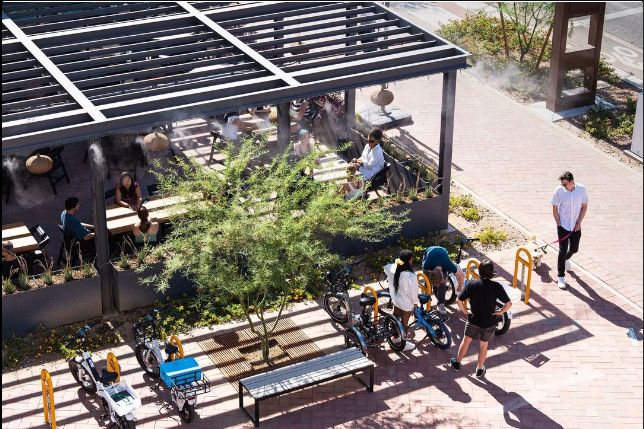
Culdesac Tempe, located in the heart of Arizona, stands as a groundbreaking model in American urban planning. It is designed specifically around the principles of walkability, bikeability, and the absence of private automobiles within its core residential areas. The community, which the advocate has previously lauded as a potential paradigm shift, aims to foster a more connected, environmentally conscious, and efficient way of life. This development is situated strategically on Tempe’s light rail line, ensuring residents have direct access to wider regional transportation networks without reliance on personal vehicles.
The concept of car-free communities is gaining traction globally as cities grapple with issues like traffic congestion, pollution, and the high cost of maintaining extensive road infrastructure and parking. In the United States, where car dependency is deeply entrenched, Culdesac Tempe represents a bold experiment. It features a dense, mixed-use environment with residential units, retail spaces, restaurants, and amenities integrated within easily walkable distances. The design prioritizes pedestrian pathways, bike lanes, and ample public spaces over sprawling parking lots, creating a vibrant, human-scaled environment. Services like on-site bike and scooter sharing, and even car-sharing options for occasional longer trips, are integral to the community’s operational model. Proponents of such developments argue that they not only reduce carbon footprints and traffic but also enhance public health through increased physical activity and foster stronger community bonds through more frequent serendipitous encounters.
The Arizona Experiment: Logistics and Intentions
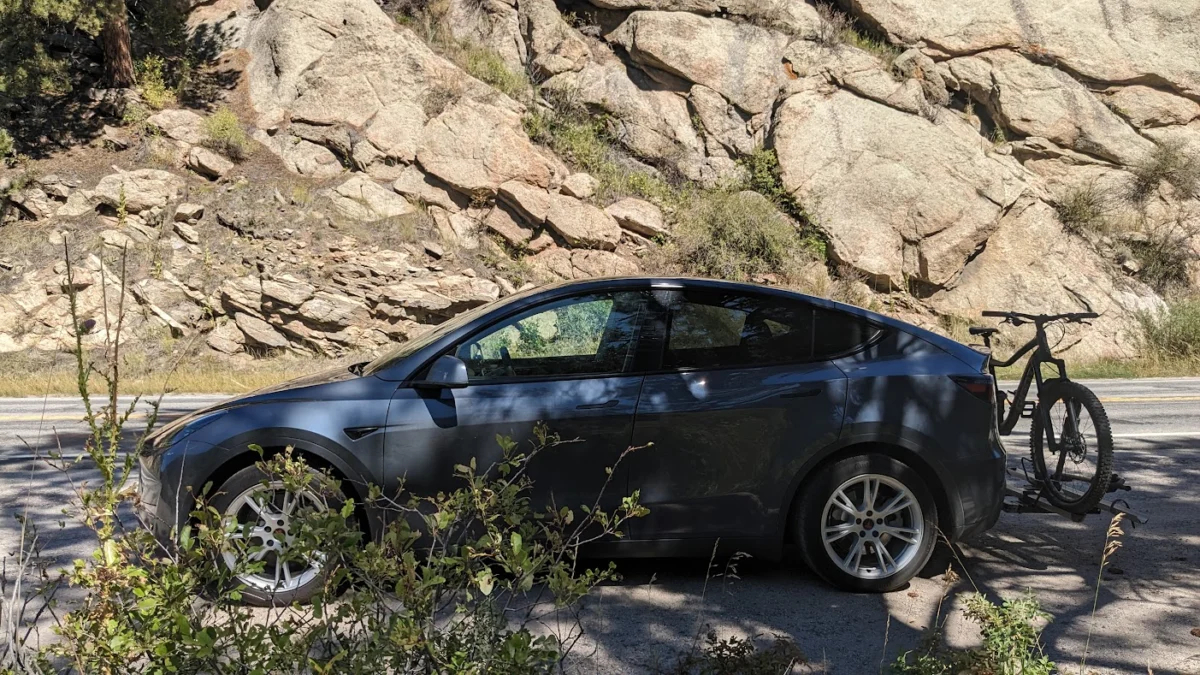
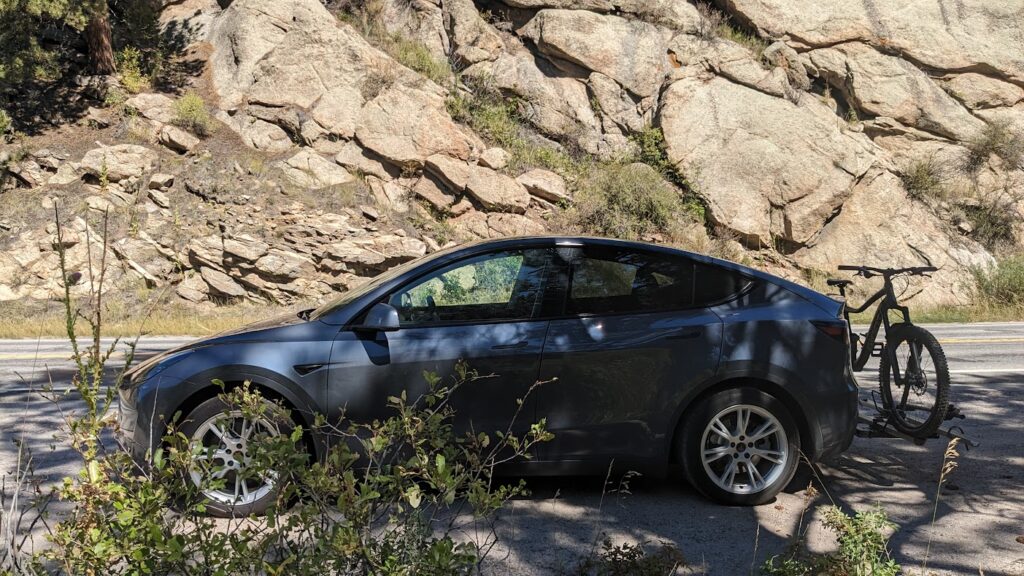
The move, scheduled for December 1st, involves a road trip across the mountains from Colorado, transporting essential belongings and a mountain bike via an electric vehicle. The vehicle, a Model Y, will serve as a convenient moving truck for the journey but will subsequently be parked offsite, allowing the advocate to fully immerse himself in Culdesac’s car-free ethos. His son will join him for the initial trip and will alternate months between Arizona and Colorado, ensuring continued connection with both parents during this transitional period.
The temporary residence in Culdesac Tempe is a spacious two-bedroom apartment, booked for a full four months, allowing ample time for comprehensive immersion in the community’s lifestyle. During this period, the advocate’s Colorado home, which includes a separate apartment, will be made available for rent to a trusted acquaintance. This decision not only ensures the property is cared for but also aligns with the "Mustachian" principle of generating income while traveling, a practice long advocated within the FIRE community as a means of optimizing financial resources.
The primary objective for this four-month stint in Arizona extends beyond mere escape from the Colorado winter. It is a deliberate effort to "invent a whole new life," pushing beyond the established comforts and routines of his long-term home base. The advocate anticipates filling his days with activities such as extensive mountain biking in Arizona’s diverse terrain, exploring the local culture, meeting new people within the Culdesac community, and potentially engaging in various projects related to urban development or personal finance. This intentional disruption of routine is viewed as a necessary catalyst for continued personal growth and meaning, a concept central to his philosophy of a well-lived life.
Beyond Personal Gain: A Statement on Deliberate Change and Urban Innovation
While the immediate benefits of a warm winter and new experiences are clear, the advocate openly acknowledges a "bigger picture" motivation behind this public experiment. His objectives are multifaceted: to have a fulfilling winter, to forge new connections, and crucially, to contribute to the success of Culdesac Tempe. He envisions this success as a powerful precedent, inspiring the development of similar walkable, bikeable, car-free neighborhoods across the United States. This aspiration underscores a long-standing commitment to improving urban environments and promoting more sustainable modes of living.
Furthermore, the move serves as a tangible demonstration of "trying deliberate life changes." In a society that often defaults to comfort and routine, the advocate seeks to challenge the inherent human tendency towards inertia, which he characterizes as a retreat into "Netflix, comfort foods, and occasional luxury purchases." Instead, he advocates for setting one’s "life treadmill to just a bit of a steeper, healthier incline setting," urging individuals to question the status quo and maintain an ongoing "experiment on the go." This could manifest as relocating to a more suitable environment, pursuing a new career path, or embracing new physical and social challenges.
The philosophical underpinnings of this approach are informed by concepts like "strategic hardship," which posits that challenging experiences are fundamental to fostering resilience and enhancing overall life satisfaction. Citing works like Dr. Anna Lembke’s "Dopamine Nation," the advocate highlights the psychological principle that the brain’s baseline for happiness is often calibrated against the most difficult experiences. By intentionally introducing "hard things," everyday pleasures become more pronounced, and life feels more meaningful, contrasting sharply with the potential for ennui in an existence devoid of struggle. He recounts his own significant life change at age 24, moving alone to the U.S., as a testament to the transformative power of bold, courageous decisions.
Implications for the FIRE Community and Future Urbanism
This public experiment holds significant implications for both the FIRE community and the broader discourse on urban development. For followers of the advocate, it offers a real-time example of applying financial independence not just to early retirement but to continuous lifestyle optimization and intentional design. It reinforces the idea that financial freedom is a tool for creating a life aligned with one’s values, even if those values require temporary departures from established routines. The detailed updates promised on a dedicated tracker page are likely to provide valuable insights for those considering similar transitions or curious about the practicalities of car-free living.
From an urban planning perspective, the advocate’s high-profile residency in Culdesac Tempe provides a unique endorsement and case study for the nascent car-free development model in the U.S. His advocacy, reaching a vast audience, could significantly amplify awareness and interest in such communities. The success of Culdesac Tempe, as observed and reported by a respected independent voice, could influence developers, policymakers, and prospective residents, potentially accelerating the adoption of similar sustainable urban forms. Experts in urban design often highlight the challenges of retrofitting existing car-centric cities and view purpose-built communities like Culdesac as crucial proving grounds for demonstrating the viability and desirability of alternative models. The environmental benefits, including reduced emissions and land use, alongside economic advantages such as lower transportation costs for residents, are increasingly compelling arguments for such developments.
The Road Ahead: Uncharted Territory and Continuous Experimentation
As the four-month experiment draws to a close at the end of March, the advocate states he has no definitive plans beyond returning to his Colorado home base. However, this new phase of life is envisioned as one of layering on fresh adventures. Speculation includes the potential development of a "MMM Mountain Retreat" linked to two mountain properties he has been involved in building. This open-ended approach reinforces the core tenet of early retirement as a platform for ongoing discovery and adaptation, rather than a fixed end-state.
The Culdesac Tempe experiment is more than a personal vacation; it is a calculated demonstration of how financial independence can empower individuals to engage in meaningful societal and personal experimentation. By immersing himself in a car-free community and publicly documenting the experience, the advocate aims to inspire others to embrace purposeful change, challenge societal norms, and actively design lives that are richer, more engaged, and more aligned with sustainable principles. The journey to Arizona is not merely a geographic shift but a symbolic stride towards a future where intentional living and innovative urbanism converge.

