
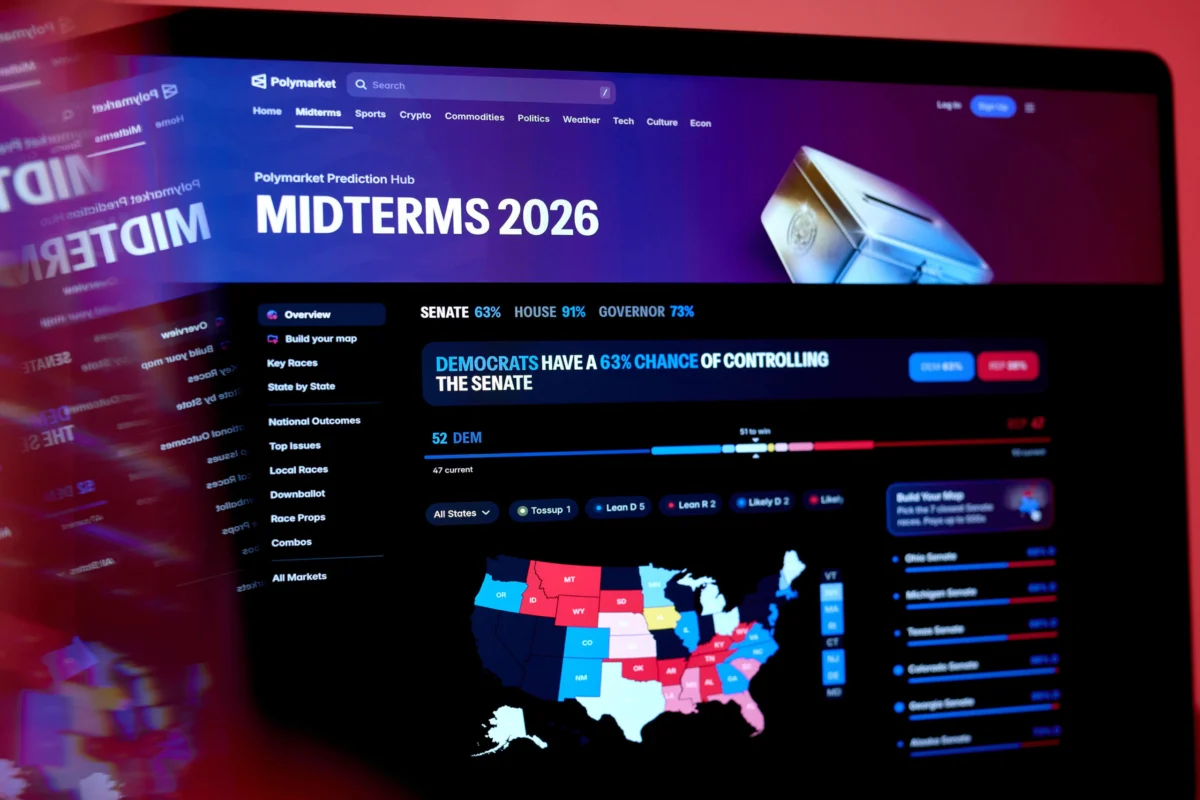
The international exchange of the popular prediction market platform Polymarket experienced a significant security breach on Thursday, leading to the unauthorized withdrawal of approximately $2.7 million in user funds from hundreds of accounts. The company swiftly attributed the incident to a hack targeting an unnamed third-party provider, prompting an immediate halt to trading on its international platform and a pledge to fully reimburse all affected traders. By Friday afternoon, Polymarket reported substantial progress, confirming that 95% of affected wallets had already received refunds, totaling $3.9 million, which included $1.2 million designated to cover losses incurred due to the trading pause. This security lapse, which unfolded mere days before the anticipated surge in trading volume for the U.S. midterm elections on November 3, has ignited fresh concerns regarding the cybersecurity resilience of decentralized finance (DeFi) platforms and the inherent risks associated with third-party vendor dependencies.
Chronology of a Rapidly Unfolding Breach
The initial signs of the security incident emerged on Thursday afternoon when users began reporting on various social media platforms, particularly X (formerly Twitter) and Discord, that they were observing unauthorized withdrawals from their Polymarket accounts. These reports quickly escalated, indicating a systemic issue rather than isolated incidents. Recognizing the severity and potential widespread impact, Polymarket’s operational team took immediate action, implementing a temporary halt to all trading activities on its international platform to contain the breach and conduct an urgent investigation.
Within hours, the company issued a public statement acknowledging the "security incident" and confirming that a third-party vendor had been compromised. By 3 p.m. ET on Thursday, Polymarket announced that it had identified and fixed the issue on its end, allowing trading to resume on the international platform. The speed of response and restoration was crucial in mitigating further panic and potential losses. Subsequently, in communications disseminated via a Discord chatroom, Polymarket outlined its comprehensive refund strategy. Users who had less than $10,000 stolen from their wallets were promised full fund restoration by October 30. For those with withdrawn amounts exceeding this threshold, the company indicated that funds would also be restored, but required the signing of a release form, a standard legal measure often employed in such large-scale restitution efforts to formalize the reimbursement process and protect the company from future claims related to the incident.
Identifying the Vulnerability: The DebugBear Connection
While Polymarket initially refrained from publicly naming the compromised third-party provider, a person familiar with the matter subsequently informed CNBC that the issue originated from a hack targeting DebugBear, a website performance monitoring platform. DebugBear, a U.K.-based company, later confirmed a security incident on its own X account, stating, "We were impacted by a security incident today, we are investigating. Please send any questions to [email protected]." This confirmation aligned with the information provided to CNBC and shed light on the potential vector of the attack. DebugBear did not immediately respond to further requests for comment, suggesting an ongoing internal investigation into the specifics of the breach.
The revelation that a website performance monitoring tool was the conduit for such a significant financial breach underscores a growing vulnerability within the digital ecosystem: the supply chain attack. Modern web applications and services heavily rely on an intricate network of third-party tools for analytics, performance optimization, security, and more. A compromise in any of these external components can potentially grant attackers indirect access to the primary system or its users’ data and funds. In the context of a prediction market like Polymarket, which processes financial transactions and interacts with user wallets, a compromised performance monitoring tool could, hypothetically, have been leveraged to inject malicious code, intercept sensitive user inputs, or exploit API connections that facilitate fund transfers. The specific mechanism of the DebugBear hack and how it enabled fund withdrawals from Polymarket accounts remains under investigation by law enforcement, to whom Polymarket has referred the matter, specifically to authorities in the U.K. given DebugBear’s operational base.
The Financial Toll and Polymarket’s Reimbursement Strategy
An in-depth analysis of publicly available blockchain data, conducted by two analytics firms, Betting Intelligence and Polysights, and provided to CNBC, revealed the precise scope of the initial theft. Their findings indicated that an illicit account on Polymarket executed withdrawals totaling at least $2.7 million, distributing these funds across 710 distinct user wallets. This figure represents a substantial sum for a platform operating in the nascent, albeit rapidly expanding, prediction market sector.
Polymarket’s commitment to fully reimburse affected traders extends beyond merely restoring the stolen $2.7 million. The company announced a total reimbursement package of $3.9 million. The additional $1.2 million is specifically allocated to cover "pause-related losses." These losses could encompass various scenarios, such as missed trading opportunities for users during the platform’s downtime, adverse market movements affecting open positions, or the inability to execute critical trades that could have yielded profits or mitigated losses. This proactive measure to compensate for indirect financial impacts demonstrates Polymarket’s strong intent to restore user confidence and minimize the broader financial disruption caused by the incident. The structured refund process, differentiating between smaller and larger withdrawals, aims to streamline restitution for the majority of affected users while ensuring due diligence for more substantial claims.
Dan Zimmermann, the chief intelligence officer at Betting Intelligence, commented on the gravity of the situation, stating, "This is certainly a significant and new form of breach that we’ve seen on Polymarket. The timing right before the midterms… is certainly a wake up call for folks." His assessment highlights both the financial scale and the unique nature of this particular cyberattack within the prediction market ecosystem.
Polymarket in Context: Decentralized Finance and Regulatory Ambiguity
Polymarket’s international prediction market exchange operates as a decentralized finance (DeFi) platform, built on the Polygon blockchain. Unlike traditional financial institutions, DeFi platforms typically operate without central intermediaries, leveraging smart contracts and blockchain technology to automate transactions and enforce agreements. This decentralized nature offers advantages such as transparency and censorship resistance but also introduces unique challenges, particularly concerning security and regulatory oversight. Crucially, Polymarket’s international platform is not regulated in the U.S., a distinction that separates it from its U.S. counterpart and other regulated entities in the prediction market space, such as Kalshi (with whom CNBC has a commercial relationship).
Prediction markets, broadly defined, allow users to bet on the outcome of future events, ranging from political elections and economic indicators to sports results and celebrity events. Proponents argue that these markets can aggregate dispersed information more effectively than traditional polling or expert analysis, providing valuable insights into future probabilities. Critics, however, often equate them to unregulated gambling, raising concerns about market manipulation, ethical implications, and consumer protection. The unregulated status of Polymarket’s international exchange means that users do not benefit from the same legal protections or dispute resolution mechanisms available in regulated financial markets. This incident, therefore, places a greater onus on the platform itself to ensure security and fair treatment of its users, a responsibility Polymarket appears to be embracing through its comprehensive reimbursement plan.
A Precedent and Broader Implications
This recent security breach is not an isolated incident for Polymarket. In June of the same year, the company had disclosed a similar event, stating then that a "third party vendor had been ‘compromised’" and that affected users would be refunded. The recurrence of such an incident, originating from a third-party vulnerability, underscores a persistent challenge for Polymarket and indeed for many platforms operating in the complex web of modern internet services. It highlights the critical importance of rigorous vendor vetting, continuous security audits of external dependencies, and robust incident response protocols that account for potential supply chain attacks.
The timing of this incident, just days before the highly anticipated U.S. midterm elections on November 3, is particularly impactful. Political prediction markets, including those offered by Polymarket, typically experience a significant surge in trading volume and user activity during major electoral cycles. This period of heightened engagement also brings increased scrutiny from the public, media, and potentially regulatory bodies. A security breach occurring at such a critical juncture can severely erode user trust, even with prompt reimbursement, and could deter new users from engaging with the platform.
Beyond Polymarket, this incident serves as a stark reminder for the broader decentralized finance (DeFi) ecosystem. The reliance on third-party services, while often necessary for functionality and scalability, introduces points of vulnerability that can be exploited by sophisticated attackers. The "trustless" nature of blockchain, which implies reliance on code rather than intermediaries, doesn’t negate the need for trust in the security of the broader infrastructure, including the off-chain components and third-party integrations. For DeFi to achieve mainstream adoption, robust security frameworks that encompass the entire operational stack, including external vendors, are paramount. Furthermore, incidents like this can inevitably fuel ongoing debates among policymakers and regulators about the need for greater oversight in the DeFi space, especially concerning consumer protection and financial stability. While Polymarket’s swift and comprehensive response to the hack is commendable, the long-term implications for its reputation and the perception of security within decentralized prediction markets will continue to unfold.

