
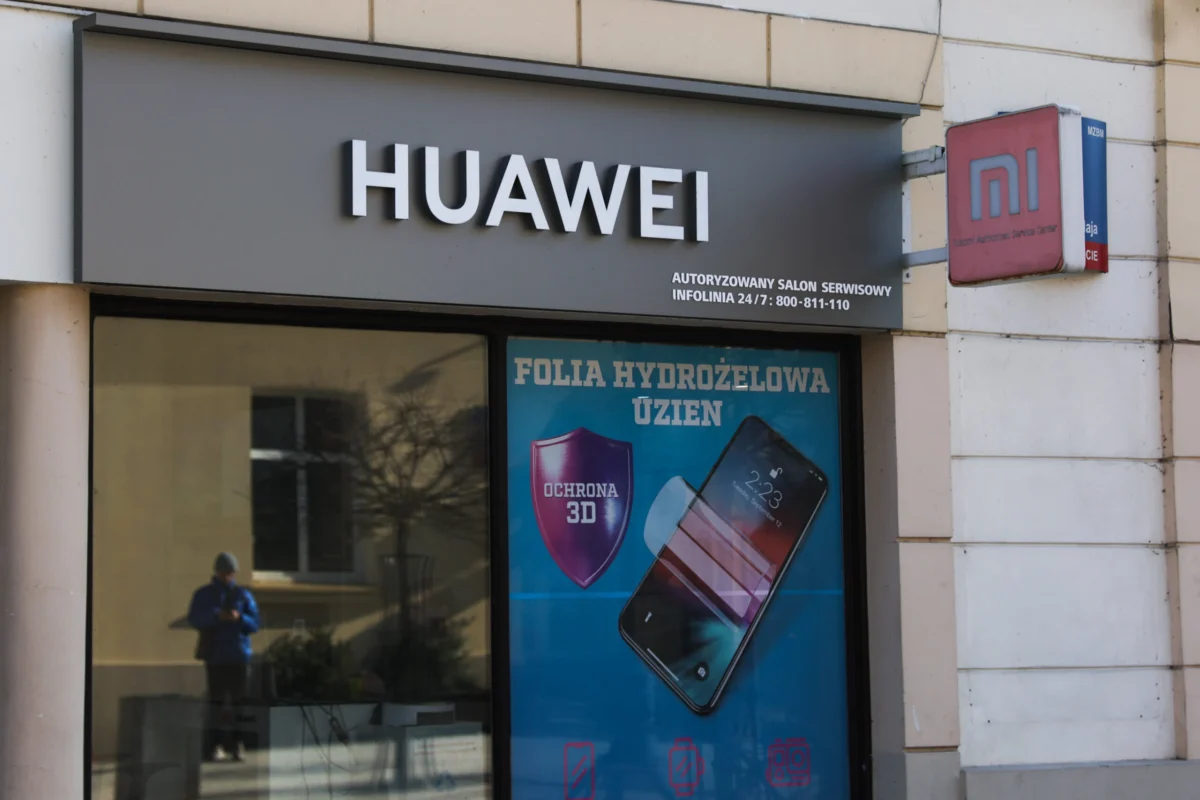
Despite a robust push by Chinese companies to expand their footprint globally, driven by softening domestic demand, equity investors remain notably skeptical, prioritizing sustainable profitability over mere market share growth. This cautious sentiment, underscored by analysis from Goldman Sachs, highlights a critical juncture for China’s corporate champions as they navigate complex international markets fraught with geopolitical tensions and intense competition.
The Global Push: A Strategic Imperative
Chinese corporations are aggressively accelerating their international expansion plans, a strategic pivot largely necessitated by evolving economic conditions at home. Sluggish consumer demand, coupled with significant industrial overcapacity in key sectors, has created an urgent impetus for companies to seek growth beyond their national borders. The phenomenon of "involution," characterized by a race-to-the-bottom pricing strategy and fierce competition within China, has further eroded domestic profit margins, making overseas markets increasingly attractive.
This outward orientation aligns with Beijing’s broader "going out" strategy, encouraging Chinese enterprises to invest and operate globally, fostering economic ties and enhancing China’s global influence. Initially, this strategy often manifested through state-owned enterprises (SOEs) in infrastructure and resource acquisition. However, the current wave is increasingly led by private sector innovators and manufacturers, particularly in high-tech and consumer-facing industries.
Domestic Drivers for Expansion
The domestic market, while vast, is showing signs of saturation in many sectors. For instance, China’s electric vehicle (EV) market, the largest in the world, is also one of the most competitive. Brands like BYD, Nio, XPeng, and Li Auto have proliferated, leading to price wars that, while beneficial for consumers, squeeze manufacturers’ profitability. This intense domestic pressure has pushed companies like XPeng to "accelerate plans for entering other countries," as noted in a November 2025 report. Similarly, traditional manufacturing powerhouses in "white goods" (home appliances like air conditioners and washing machines) and industrial robotics face similar dynamics.
A notable recent example of this outward push is automaker Geely, which announced on a Friday that it plans to enter the Canadian market next year, marking a significant step into North America. Such moves underscore a broader trend where Chinese companies are not merely exporting products but establishing direct market presence, distribution networks, and even local manufacturing capabilities in foreign territories.
Investor Scrutiny: The Profitability Predicament
Despite the undeniable growth in overseas market share, investors are far from universally enthusiastic. Goldman Sachs’ analysis reveals a prevailing skepticism, with investors demanding evidence of "profitable expansions." Trina Chen, co-head of Greater China equity research at Goldman Sachs Research, articulated this stance on a podcast published on a recent Tuesday, emphasizing that the market is seeking sustainable earnings rather than just top-line growth.
The "Involution" Threat
A primary concern for investors is the potential for the domestic "involution" dynamic to replicate itself internationally. "Involution," as Chen explained, refers to the intense, often self-defeating, competition in China where companies engage in price wars that decimate profit margins. Regulators in China have attempted to address this phenomenon in recent years, recognizing its detrimental effects on corporate health and innovation. Investors fear that as Chinese companies flood foreign markets, particularly in sectors with established players or nascent competition, they might resort to similar aggressive pricing strategies, leading to a global race-to-the-bottom that erodes shareholder value.
Geopolitical and Market Access Hurdles
Beyond pricing concerns, the geopolitical landscape and market access restrictions weigh heavily on stock performance. Companies expanding overseas face a complex web of tariffs, non-tariff barriers, regulatory scrutiny, and outright bans in some markets. For instance, European Union investigations into alleged state subsidies for Chinese EV manufacturers highlight the increasing protectionism and scrutiny Chinese companies encounter in developed markets. Concerns around data security, intellectual property rights, and supply chain resilience also prompt host governments to impose stringent requirements, adding layers of cost and complexity to international operations. These factors create significant uncertainty, meaning that the full potential of Chinese companies’ global expansion is often not adequately priced into their stocks, as Chen observed.
Market Share Projections and Sectoral Dynamics
Despite investor skepticism, the trajectory of Chinese companies’ global market share is projected to rise significantly. Chen and her team, in a September 14 report, predicted that Chinese companies’ overseas market share would likely reach 31% by 2035, a substantial increase from around 18% currently. This analysis covered more than ten sectors, illustrating the breadth of China’s global ambitions.
Sector-Specific Insights
- Electric Vehicles (EVs): Chinese EV manufacturers, leveraging advanced battery technology and cost-effective production, are making significant inroads, particularly in Southeast Asia, Latin America, and parts of Europe. Their ability to offer feature-rich vehicles at competitive prices poses a direct challenge to legacy automakers.
- White Goods: Companies like Midea and Haier have not only exported products but also strategically acquired established international brands (e.g., Haier’s acquisition of GE Appliances), gaining immediate market access, distribution networks, and brand recognition. This strategy allows them to integrate local supply chains and cater to diverse consumer preferences.
- Industrial Robots: As China leads in robot adoption, its manufacturers are developing sophisticated solutions for automation, which they are now exporting. The global demand for automation, driven by labor shortages and efficiency needs, presents a fertile ground for these companies.
- Express Delivery: With a highly developed domestic logistics network, Chinese express delivery firms are beginning to expand internationally, leveraging their scale and technological prowess to offer competitive services, particularly along the Belt and Road routes.
Emerging Markets vs. Developed Economies: A Dual Strategy
Goldman Sachs noted that some of the most rapid growth for Chinese businesses is occurring in emerging markets. These regions often represent underserved areas with less entrenched competition and a higher demand for affordable, yet technologically advanced, products and infrastructure.
Growth in Underserved Regions
Euromonitor, in a report last month, corroborated this trend, stating that "Chinese brands are no longer simply market challengers." The report highlighted how "Brands are becoming long-term, embedded competitors capable of reshaping market dynamics across Latin America," where Chinese exports have attracted nearly USD 300 billion. The strategy in these markets often involves a direct-to-consumer approach, leveraging digital platforms, and offering products tailored to local economic conditions and preferences. This allows Chinese companies to build brand loyalty from the ground up, often by providing solutions that incumbent global brands have overlooked or priced out of reach for a significant portion of the population.
Challenges in Developed Markets
In contrast, developed markets like the U.S. and Europe present a different set of challenges. Here, Chinese companies face robust incumbent brands with decades of consumer trust, stricter regulatory environments, higher labor costs, and often more discerning consumers. Success in these markets requires significant investment in brand building, R&D, localization, and navigating complex legal and cultural landscapes. The recent photograph from October 12, 2026, showing a man with a smartphone beside an electronic display of the Hang Seng Index in Hong Kong, underscores the region’s role as a vital financial hub, reflecting both the opportunities and the intense competition faced by companies operating within and from the Greater China region.
The Cost of Inaction: Investor Ruthlessness
While investors are cautious about unproven global expansion, they are "ruthless" when incumbent companies lose market share to new entrants. Chen warned that a 10% to 15% loss in market share could shrink a company’s market capitalization by a staggering 50% to 80%. This severe penalty reflects the market’s unforgiving assessment of competitive weakness and a loss of future growth potential. It underscores that for established players, maintaining market dominance is not just about defending turf but about preserving shareholder value. Conversely, for expanding Chinese firms, it highlights the immense opportunity cost for their competitors if they fail to innovate and adapt.
Strategic Imperatives for Chinese Globalizers
To convert skepticism into confidence, Chinese companies must refine their global strategies beyond aggressive pricing.
Beyond Price: Brand Building and Innovation
The era of Chinese companies competing solely on cost is fading. The focus must shift towards building strong, globally recognized brands synonymous with quality, innovation, and reliability. This requires substantial investment in R&D, design, and marketing to differentiate products and services. Companies need to move from being perceived as manufacturers of generic goods to innovators creating unique value propositions.
Localization and Supply Chain Resilience
Effective localization is crucial. This involves adapting products, marketing messages, and business models to local cultural nuances and consumer preferences. Establishing local R&D centers, manufacturing facilities, and hiring local talent can also mitigate geopolitical risks and foster deeper integration into host economies. Furthermore, the global emphasis on supply chain resilience, exacerbated by recent disruptions, necessitates diversifying manufacturing bases and sourcing strategies, moving beyond a China-centric model.
Navigating Regulatory Landscapes
As Chinese companies become more embedded globally, they will face increasing scrutiny from host country governments regarding labor practices, environmental standards, data privacy, and national security. Robust legal and compliance frameworks are essential to navigate these complex regulatory landscapes and build trust with international stakeholders.
Broader Implications for the Global Economy
The rapid overseas expansion of Chinese companies carries profound implications for the global economy. It is reshaping international trade flows, fostering new manufacturing hubs, and intensifying competition across a multitude of sectors.
Reshaping Global Trade and Supply Chains
The "going out" strategy is decentralizing manufacturing and supply chains, potentially leading to a more diversified and resilient global economic architecture. However, it also raises questions about industrial policy in host countries and the competitive fairness of new entrants.
Geopolitical Ramifications
The economic expansion of Chinese firms is inextricably linked to geopolitical dynamics. As Chinese companies gain market share and influence, particularly in critical sectors like technology and infrastructure, it often triggers national security concerns in Western countries. This interplay can lead to increased trade disputes, investment restrictions, and a more fragmented global economic order.
Consumer Impact
For consumers worldwide, the influx of Chinese brands generally means increased choice and more competitive pricing, particularly for high-tech goods. However, there are also ongoing discussions regarding product quality standards, data privacy practices, and the long-term impact on local industries and employment in host countries.
In conclusion, the journey of Chinese companies towards global dominance is a complex narrative of ambition, opportunity, and significant challenges. While the drive to expand internationally is a clear strategic imperative for corporate China, driven by domestic economic realities, the path forward is paved with investor skepticism demanding proof of sustainable profitability, geopolitical headwinds, and the inherent difficulties of scaling without replicating the "involution" phenomenon. The ability of these firms to build lasting value and trust in a globalized yet increasingly fractured world will ultimately determine their long-term success and shape the future of global commerce.

