

Starting a new bullet journal is often met with a blend of excitement and a touch of apprehension, particularly when it comes to the crucial first impression: the cover page. This initial spread serves as the visual and thematic introduction to the entire journal, offering a prime opportunity for users to infuse it with their personal style, aspirations, and motivational drive. Whether the preference leans towards a minimalist aesthetic, a powerful quote, or an elaborate illustration, the possibilities for crafting a unique and meaningful opening page are virtually limitless. This exploration delves into twelve inspiring bullet journal cover page concepts designed to equip individuals with the confidence to embark on their journaling journey with a strong, personalized start, moving beyond creative block and embracing individual expression.
The Significance of a Bullet Journal Cover Page
The bullet journal, a customizable organization system popularized by Ryder Carroll, has evolved beyond a mere productivity tool into a deeply personal space for reflection, planning, and creative expression. The initial pages of any bullet journal are instrumental in setting the tone and intent for the entire notebook. Unlike pre-formatted planners, the bullet journal’s blank canvas allows for unparalleled personalization. The cover page, in particular, acts as a gateway, signaling the journal’s purpose and the user’s mindset as they begin a new cycle of planning and introspection. A well-designed cover page can serve as a constant source of motivation, a visual anchor for goals, and a reflection of the user’s personality and current life phase. Research in positive psychology consistently highlights the impact of visual cues and affirmations on motivation and goal achievement. For instance, studies on goal-setting theory suggest that clearly defined and visually represented goals are more likely to be pursued and attained. In the context of bullet journaling, the cover page can embody these principles, serving as a tangible representation of intent.

Giving Your Bullet Journal Identity: The Power of a Name
Imbuing a bullet journal with a specific name elevates it from a generic notebook to a personal artifact. This act of naming imbues the journal with a distinct identity, making it feel more intimate and significant to the user. This can range from straightforward labels such as "My Daily Planner" or "Yearly Reflections" to more creative and evocative titles that capture the essence of the journal’s purpose or the user’s personality. The presentation of this name is equally important. It can be rendered in bold, striking lettering, adorned with accompanying doodles, or enhanced with decorative stickers to ensure it commands attention and visually stands out. This seemingly minor detail can significantly amplify the user’s enthusiasm each time they engage with their journal, transforming a routine act into a more cherished experience.
1. A Catchy Tagline: Setting the Narrative

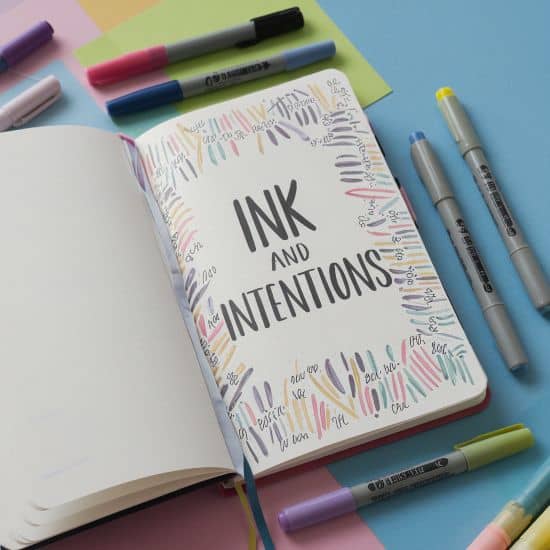
A compelling tagline on the cover page can immediately encapsulate the overarching theme or purpose of the bullet journal. This concise phrase acts as an immediate identifier, informing both the user and anyone else who might glimpse the journal about its core function. For example, a journal intended for creative pursuits might feature a tagline like "Ink and Intentions," suggesting a fusion of artistic expression and deliberate action. This approach moves beyond a simple title, providing a subtle yet powerful narrative framework for the contents within. The visual design accompanying the tagline can further reinforce its message, using typography and graphic elements that align with the intended tone.
2. A Motivational Statement: The Daily Catalyst
Beyond a mere name, a motivational statement serves as a direct prompt for action and mindset. Phrases like "Make it Happen" or "This Year is Mine" are potent reminders of the user’s agency and aspirations. Such statements are designed to resonate with the user’s current goals or challenges, providing an immediate boost of encouragement. The visual presentation of these statements can vary widely, from elegant calligraphy to bold, block lettering, often complemented by subtle artistic embellishments. The psychological impact of positive self-talk and affirmations is well-documented; consistently viewing such statements can reinforce desired behaviors and attitudes, contributing to a more proactive approach to life and planning.
The Welcome Page: A Gateway to Reflection
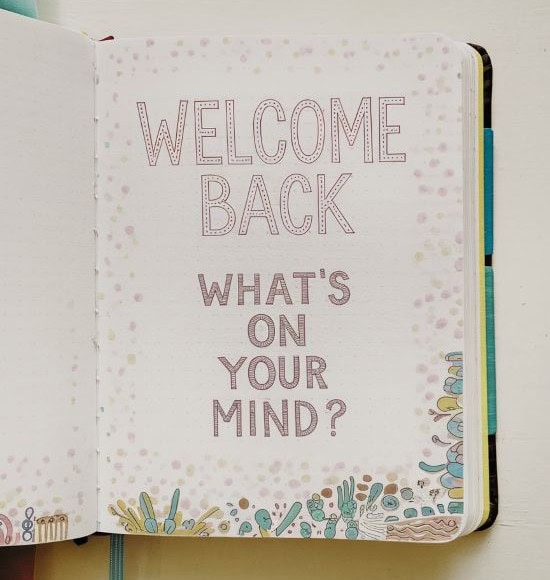
The welcome page functions as the initial point of engagement, setting a welcoming and encouraging tone for the entire journaling experience. It is the very first visual encounter upon opening the journal, making it a critical element in fostering a positive and motivating relationship with the act of journaling. This page should ideally inspire and prepare the user for the reflective and organizational tasks ahead, serving as a gentle invitation into the personal world contained within the journal’s pages.
3. Encouraging Your Thoughts: The Gentle Invitation

A "Welcome Back" or "Hello There" message, presented with warmth and personalization, can make the journal feel like a friendly companion. This approach is particularly effective for journals intended for personal reflection and self-discovery. The aesthetic can be soft and inviting, perhaps incorporating hand-drawn elements or calming color palettes. This fosters a sense of comfort and encourages a more open and honest engagement with the journaling process, acknowledging the personal nature of the space.
The Current Year: Anchoring Time and Goals
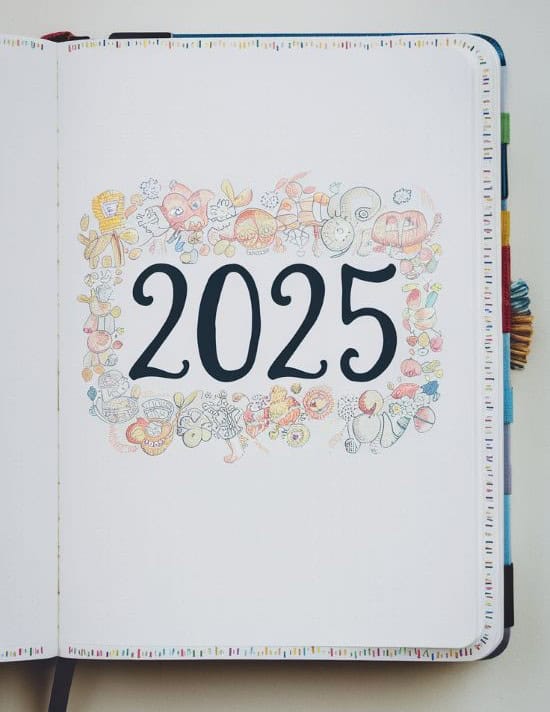
Dedicating a specific page to the current year provides a clear temporal anchor for the journal’s contents. This practice is fundamental for organizing thoughts and plans within a defined period. Whether expressed through bold typography, artistic calligraphy, or minimalist design elements, this page serves as a constant visual reference to the time frame the journal covers. It signifies a fresh start and marks a new chapter, aligning the physical journal with the progression of time and personal development.
4. Make This Year Your Year: Claiming the Future
The simple declaration of the current year, presented with a sense of purpose, can be a powerful statement of intent. The visual design can emphasize this by using strong fonts, perhaps incorporating elements that symbolize growth or forward momentum. This page acts as a declaration, a commitment to making the most of the upcoming twelve months. It’s a foundational step that visually grounds the user in the present while looking ahead to future aspirations.
The Word of the Year: Defining Focus and Intent
Selecting a "Word of the Year" injects a thematic core into the bullet journal, providing direction and focus. This chosen word should encapsulate the user’s primary goals, desired mindset, or areas of paramount importance for the year ahead. Whether the word is "growth," "balance," "courage," or another deeply personal choice, its inscription at the beginning of the journal serves as a potent and consistent reminder of the user’s intentions and aspirations. Accompanying this word with a brief explanation of its personal significance and intended impact can further solidify its role as a guiding principle.
5. Consistent and Present: Cultivating Discipline
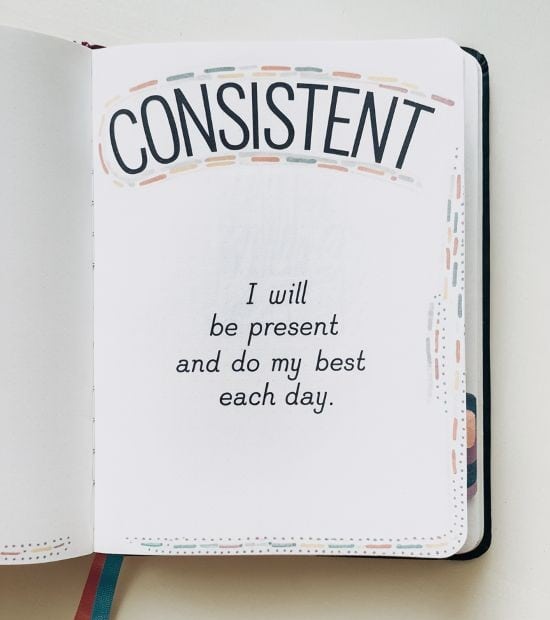
A word like "Consistent" or "Present" on the cover page can serve as a daily mantra. This choice suggests a focus on building habits and maintaining mindfulness throughout the year. The visual design can reflect this by using balanced layouts and clear, legible fonts. The act of writing and revisiting this word reinforces the importance of steady effort and mindful engagement in all endeavors. This aligns with behavioral psychology principles that emphasize the power of consistent reinforcement in habit formation.
6. Achieving Greatness: Aiming High
Words such as "Achieve," "Excel," or "Prosper" on the cover page signal ambitious goals and a drive for significant accomplishments. This choice is for individuals who are setting high expectations for themselves and are motivated by the pursuit of success. The visual presentation might be bold and dynamic, reflecting the energy and determination associated with such aspirations. This serves as a constant visual reminder of the larger objectives the user is striving towards.
Motivational Quotes and Phrases: Daily Inspiration

A dedicated page for a motivational quote or phrase acts as a consistent source of inspiration and a catalyst for maintaining a positive outlook. The selection should be deeply personal, resonating with the user’s values, aspirations, or current life circumstances. This could include a favorite quote, a personal mantra, or even lyrics from a meaningful song. Presenting this chosen phrase prominently on the page ensures it is easily visible and accessible whenever encouragement is needed. This practice aligns with the concept of cognitive reframing, where regularly engaging with positive statements can help shift perspective and foster resilience.
7. Focused and Proactive: Driving Action
Phrases like "I Will Get Focused and Take Action Now" serve as powerful calls to action. They are designed to combat procrastination and encourage immediate engagement with tasks and goals. The visual design of such a statement can be direct and impactful, using strong typography to convey urgency and decisiveness. This type of cover page is ideal for individuals who recognize a need to enhance their proactive approach to life and are looking for a constant visual prompt to do so. The psychological principle of self-efficacy, the belief in one’s ability to succeed, is often bolstered by such direct affirmations.

8. Organized and Productive: Streamlining Efficiency
A cover page featuring "Get Organized and Be Productive" speaks to a desire for enhanced efficiency and structure. This is particularly relevant for individuals who may feel overwhelmed by tasks or aim to optimize their time management. The visual presentation can be clean and orderly, perhaps incorporating elements that suggest structure, like minimalist lines or geometric patterns. This serves as a constant reminder to approach tasks with a methodical and goal-oriented mindset, reinforcing the value of effective organization.
Artistic Doodles: Personalizing with Flair

Incorporating artistic doodles on the cover page adds a layer of personality and visual interest, making the bullet journal more engaging and enjoyable to use. The scope of doodling can range from simple decorative borders and small motifs to more intricate illustrations. This creative outlet does not require advanced artistic skill; the emphasis is on personal expression and the therapeutic benefits of artistic engagement. Thematic doodles can be used to represent specific months, personal interests, or even moods, further personalizing the journal’s aesthetic.
9. Expression of Gratitude: Cultivating Thankfulness
A cover page dedicated to gratitude, perhaps featuring the affirmation "I am grateful," can profoundly impact one’s perspective. This practice encourages a focus on the positive aspects of life, fostering a more appreciative mindset. The visual design can be warm and inviting, possibly incorporating softer fonts and colors that evoke feelings of peace and contentment. Regularly acknowledging gratitude has been linked to increased happiness and reduced stress levels, making this a valuable addition to any bullet journal.

10. My Bujo – My Year: Ownership and Intent
The phrase "My Bujo – My Year," presented with vibrant and personal flair, signifies a strong sense of ownership and commitment to the year ahead. This approach emphasizes that the journal is a personal tool for shaping the user’s experience over the next twelve months. The visual design can be highly creative, reflecting the user’s personality and artistic style. This page acts as a declaration of intent, reinforcing the idea that the user is the architect of their own year, with the bullet journal serving as their guide and record.
The Bujo Basics: Foundational Elements for Organization

For individuals who primarily utilize their bullet journal for planning and organization, the "Key" and "Index" pages serve as essential foundational elements. Either of these can be effectively adapted to function as a cover page, providing immediate utility and structure. A well-designed Key page clearly outlines the symbols used for tracking tasks, events, and notes, enabling swift comprehension and efficient scanning of journal entries. The Index, acting as a navigational guide, allows users to quickly locate specific sections or important information within the journal. A robust and clearly presented Key and Index are paramount for maintaining an efficient and stress-free journaling experience, forming the backbone of the bullet journal system.
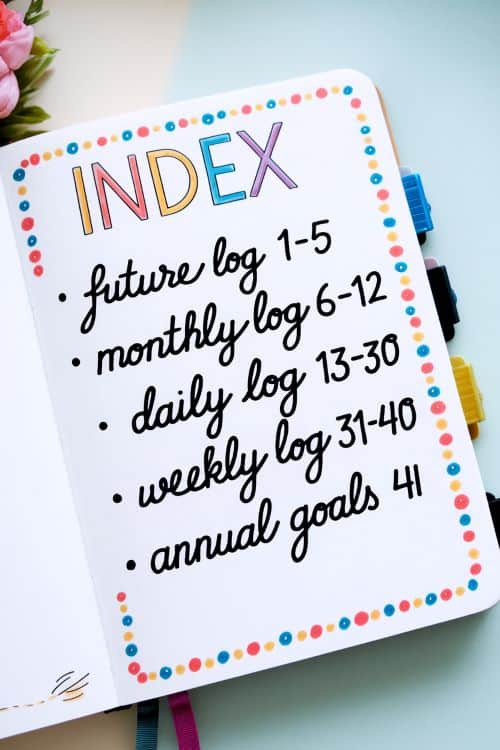
11. Index Page: The Journal’s Roadmap
An Index page, when positioned at the beginning, serves as a comprehensive roadmap for the entire bullet journal. It meticulously lists the various sections and their corresponding page numbers, allowing for rapid retrieval of information. The visual presentation can be neat and systematic, employing clear typography and a logical layout. This page is crucial for users who want to maintain a highly organized system and easily reference past entries or specific plans. The efficiency gained from a well-structured index contributes significantly to the overall usability of the bullet journal.
12. Key Page: The Language of Your Journal
The Key page is fundamental to the bullet journal method, defining the system of symbols used to track tasks, events, notes, and their status (e.g., completed, migrated, cancelled). Presenting this on the cover page ensures immediate access to this essential guide. The design should be clear and concise, making the symbols and their meanings easily understandable at a glance. This page is indispensable for anyone employing the core bullet journal methodology, ensuring consistency and clarity in tracking progress and information.
Bullet Journal Cover Page Ideas: A Wrap-Up

The bullet journal is far more than a simple organizational tool; it is a dynamic reflection of an individual’s thoughts, ambitions, and creative spirit. The initial pages, particularly the cover page, play a pivotal role in shaping how one interacts with their journal each time it is opened. By incorporating personal touches, meaningful declarations, and functional elements into the cover page, users can cultivate a space that genuinely inspires and motivates them. There is no single "correct" way to commence a bullet journal; the most effective approach is to begin with intention and allow the journal to evolve organically over time, adapting to the user’s changing needs and inspirations. The journey of bullet journaling is one of continuous personal development and creative exploration, with the cover page serving as the initial, yet profoundly important, step.

