
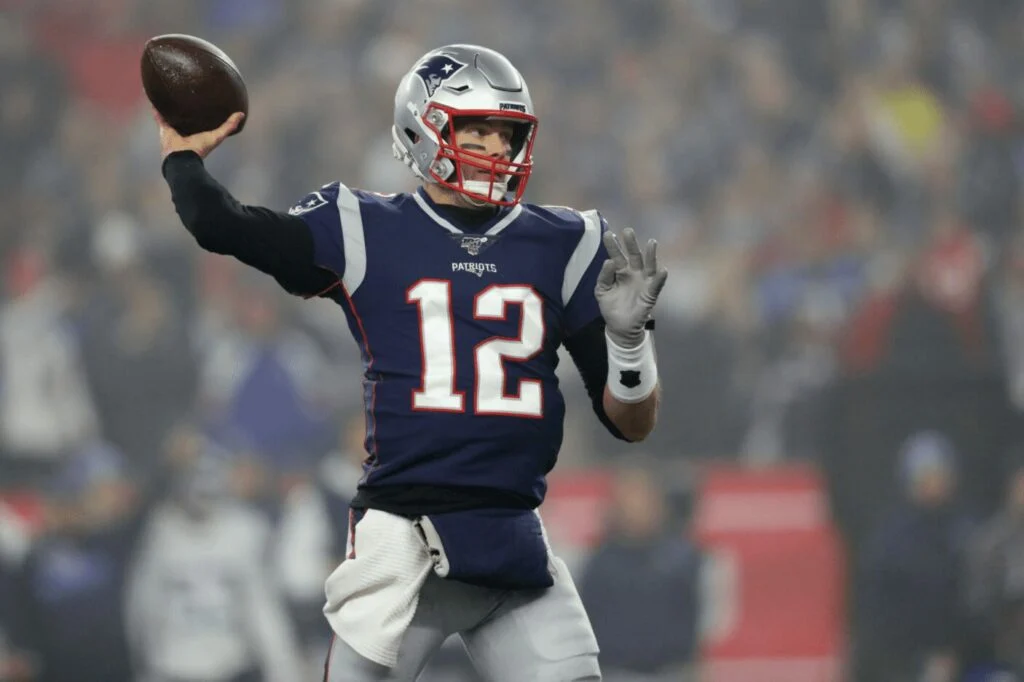
Tom Brady’s decision to retire from the National Football League, announced on February 1, 2023, after an illustrious 23-season career, offers a profound case study for individuals contemplating their own professional transitions. While the unparalleled success, immense wealth, and celebrity status of the seven-time Super Bowl champion might seem distant from the everyday experiences of most, the underlying principles guiding his exit hold valuable lessons for navigating career changes and retirement planning. Joe Casey, an executive coach and author of "Win the Retirement Game," posits that examining the strategic choices of highly successful individuals can provide actionable insights for ordinary people seeking to manage their own post-career lives.
The Strategic Timing of Departure
Brady, who had previously expressed a desire to play until at least age 45, ultimately retired at 45, one year short of his stated goal. This decision, while personal, highlights the critical importance of recognizing when a professional chapter has reached its natural conclusion, even if it deviates from a pre-set target. The NFL landscape is unforgiving, and players often face the reality of physical limitations or declining performance. Brady’s situation underscores that retirement isn’t always a choice made from a position of complete control. A significant portion of retirees, nearly half according to some analyses, are compelled to leave their careers earlier than planned due to economic downturns, health issues, or organizational changes. Therefore, cultivating an awareness of one’s personal readiness and the broader external factors influencing career longevity is paramount. The ability to transition when the conditions are right, or even when they are less than ideal, is a testament to foresight and adaptability.
Maintaining Peak Performance and Professional Dignity
A key factor in Brady’s sustained success was his commitment to performing at the highest level throughout his career. In his final season, he led the NFL in passing yards and was a strong contender for MVP, demonstrating that his decision to retire was not dictated by a significant drop in his on-field capabilities. This aligns with his long-held philosophy of wanting to step away while still at the top of his game, rather than lingering beyond his prime. This principle extends far beyond professional sports. In the business world, individuals who proactively plan their exit while their professional value and reputation are strong are often better positioned for their next endeavors. It allows for a graceful departure, leaving behind a legacy of accomplishment rather than a history of diminished capacity. The temptation to “hang on” can be strong, but it often leads to a less desirable exit and can tarnish a career’s narrative.
Proactive Planning for Post-Career Life
Brady’s approach to retirement was not an abrupt decision made in isolation. For years, he actively built a diversified portfolio of business interests outside of football. These ventures included a health and fitness company, a clothing line, and a production company. This strategic foresight, undertaken while he was still at the peak of his athletic career, exemplifies the wisdom of laying the groundwork for one’s "next act" well in advance. For individuals transitioning out of full-time employment, this proactive planning can take many forms. Whether it involves pursuing part-time work, engaging in volunteer activities, offering consulting services, writing a book, or dedicating time to travel and personal enrichment, the process of envisioning and preparing for these pursuits while still employed is invaluable. This lead time allows for thorough research, exploration of genuine interests, and the development of necessary skills. Networking with individuals who have already made similar transitions can provide crucial insights and guidance, demystifying the post-career landscape.
The Indispensable Role of Family Considerations
Family dynamics are often a central, albeit sometimes understated, element in retirement decisions. Speculation surrounding Brady’s retirement frequently pointed to the impact of family considerations on his choice. For many individuals, particularly those in committed relationships or with children, retirement is not solely a personal decision but a shared one. The complexities of family life and the desire to spend more time with loved ones can be powerful motivators for career transitions. Despite its significance, retirement planning within couples is often neglected. A survey by Fidelity revealed that a substantial percentage of couples (57%) had an inaccurate understanding of their partner’s retirement timeline. This underscores the critical need for open, honest, and ongoing conversations about retirement aspirations, expectations, and potential challenges. Assuming one’s partner shares similar visions can lead to misunderstandings and unmet expectations. A series of deliberate dialogues, characterized by active listening and mutual understanding, is essential for a harmonious transition.
Navigating Transitions with Grace and Professionalism
The manner in which an individual departs from an organization or profession can significantly shape their ongoing relationships and future opportunities. Brady faced some criticism for the perceived omission of the New England Patriots, the team with which he achieved his greatest successes, from his initial retirement announcement. While the circumstances of his departure from various teams were complex, his decision to eventually issue a more comprehensive statement, acknowledging all parties, reflects a broader principle: the importance of exiting with grace and avoiding unnecessary conflict. In professional settings, whether in sports or business, maintaining a dignified presence during an exit is crucial. Burning bridges, engaging in petty disputes, or expressing vindictiveness can have long-term negative repercussions. The anecdote of a former employee’s viral “scorched earth” resignation letter serves as a cautionary tale, illustrating how such actions, while offering temporary catharsis, ultimately undermine professional credibility and future prospects. Staying above the fray and fostering goodwill, even in challenging departures, is a more strategic and ultimately beneficial approach.
Maintaining Flexibility: The Option to Return
The concept of permanent retirement is increasingly being re-evaluated. Studies conducted prior to the COVID-19 pandemic indicated that a significant percentage of retirees in both the U.S. and the UK (over 20%) returned to the workforce within five years. These decisions were often driven not by financial necessity but by a desire to regain a sense of purpose, combat cognitive decline, or reconnect with the social camaraderie of the workplace. Tom Brady’s own career trajectory, marked by an earlier retirement followed by a return, provides a contemporary example of this trend. The ongoing speculation about his potential future involvement in the NFL, perhaps with his hometown San Francisco 49ers, illustrates the reality that "never say never" can be a wise mantra. For individuals planning their retirement, maintaining a degree of flexibility and leaving the door ajar for potential future engagement, whether in a paid or volunteer capacity, can offer a safety net and opportunities for continued personal and professional fulfillment. The decision to retire does not necessarily signify an irreversible end to all forms of professional engagement.
Broader Implications and Future Outlook
Tom Brady’s retirement marks the end of an era in professional football, but the lessons derived from his career and his exit strategy transcend the realm of sports. His meticulous approach to performance, his proactive planning for life after his primary career, and his eventual acknowledgment of the multifaceted nature of professional transitions offer a compelling blueprint for individuals at all stages of their working lives. The insights gleaned from his journey encourage a more thoughtful and strategic approach to career planning, emphasizing the importance of self-awareness, long-term vision, and adaptability. As more individuals face evolving career landscapes and extended lifespans, the principles exemplified by Brady’s retirement—knowing when to step away, maintaining professional integrity, preparing for the future, valuing personal relationships, and remaining open to new possibilities—will become increasingly vital for navigating a fulfilling and successful post-career existence. The ongoing evolution of work and retirement necessitates a continuous reevaluation of our personal strategies, drawing wisdom from those who have successfully navigated significant life changes.

