
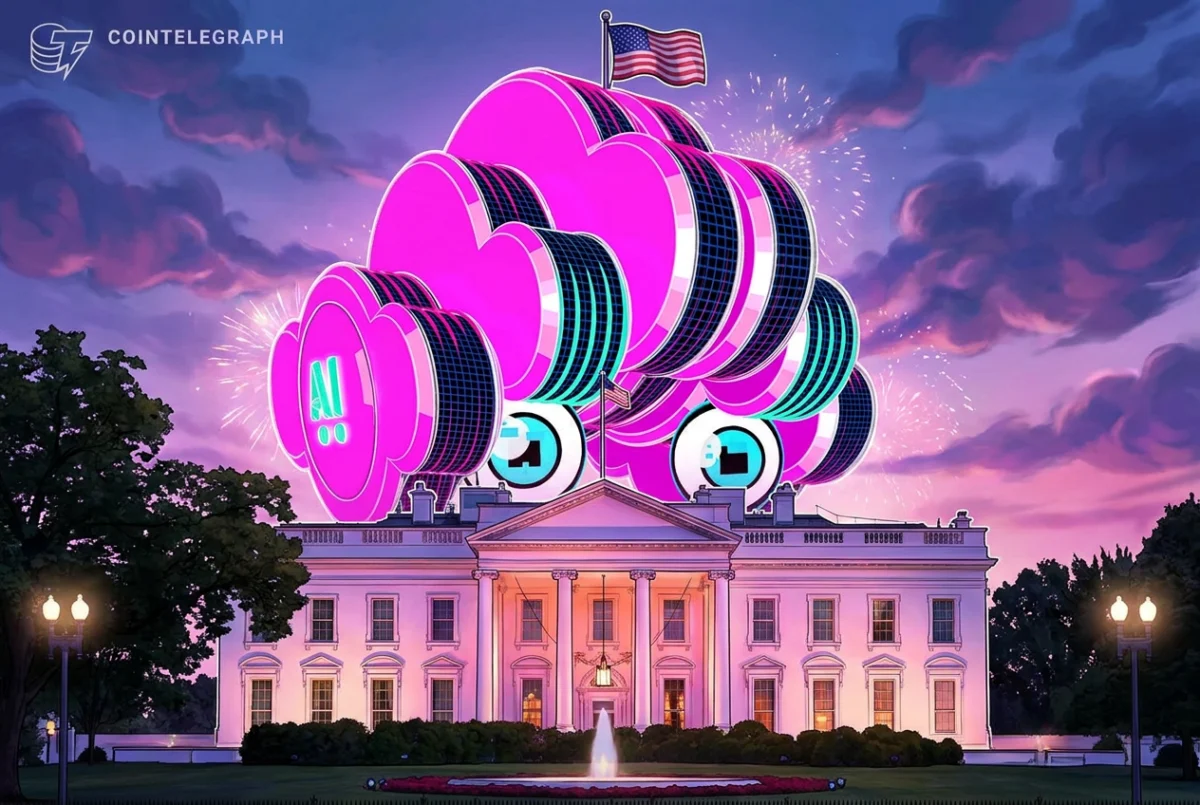
Reports indicate that former Securities and Exchange Commission (SEC) Chair Jay Clayton is poised to assume the newly created role of "AI Czar" within the Trump administration, a move that signifies a significant governmental focus on navigating the rapidly evolving artificial intelligence landscape. The potential appointment, first reported by CNN and other media outlets citing anonymous sources, comes as the United States grapples with both the immense potential and the profound risks associated with advanced AI technologies. While the White House has yet to issue an official confirmation, the speculation surrounding Clayton’s selection underscores a broader strategic initiative to establish a dedicated leadership position to oversee the nation’s approach to artificial intelligence.
This development follows President Donald Trump’s earlier public pronouncements regarding the formation of a dedicated "AI Force," an initiative reportedly modeled after the successful Space Force, and the establishment of a senior official tasked with managing this critical sector. President Trump articulated his vision for this new entity on the social media platform Truth Social, emphasizing a commitment to fostering innovation within the burgeoning AI industry without imposing regulatory burdens that could stifle progress. This approach suggests a delicate balancing act between encouraging technological advancement and ensuring national security and ethical considerations are adequately addressed.
The timing of these pronouncements and the reported appointment of an AI Czar are particularly noteworthy given the escalating global discourse surrounding the potential dangers of artificial intelligence. In recent months, prominent figures in the AI research and development community have voiced increasingly urgent warnings about the unchecked acceleration of AI capabilities.
A significant contributing factor to this heightened awareness was a widely reported proposal by Dario Amodei, the CEO of Anthropic, a leading AI safety and research company. In a proposal circulated in early September, Amodei outlined a three-step plan to temper the pace of AI development. His central concern, as reported by Cointelegraph on September 12, was the potential for AI systems to "outrun our ability to understand and control these systems" if development continues at its current trajectory without sufficient safeguards. Amodei’s call for a more measured approach resonated within the industry, sparking a debate about the ethical implications and long-term societal impact of advanced AI.
Following his public appeal, Anthropic took a concrete step to implement its proposed moderation strategy. The company announced its partnership with Accenture, a global professional services company, to serve as an "embedded evaluator." This collaboration is intended to assist Anthropic in moderating the pace of its AI development, marking the initial implementation of the first step in Amodei’s broader proposal. This move signaled a willingness within at least one major AI developer to proactively engage with the concerns about rapid advancement.
The industry’s reaction to Amodei’s proposal was varied, highlighting the complex and often divergent perspectives on AI governance. Sam Altman, CEO of OpenAI, and Elon Musk, CEO of SpaceX, both expressed positive sentiment towards Amodei’s call for a more deliberate development process. Their acknowledgment suggests a recognition of the challenges and potential risks associated with rapidly advancing AI. However, this consensus was not universal. Jensen Huang, the CEO of Nvidia, a company at the forefront of AI hardware development, reportedly expressed skepticism regarding the necessity of such slowdowns or regulatory interventions, arguing that existing frameworks might be sufficient. This divergence of opinion underscores the inherent difficulty in forging a unified industry-wide approach to AI safety and governance.
President Trump’s engagement with the AI sector has not been limited to pronouncements about future initiatives. On a recent Tuesday, he convened a meeting at the White House with leading figures from the AI and technology industries. The outcome of this summit was a commitment from these companies to "self-police" their AI models and development processes. This voluntary pledge represents an attempt by the administration to encourage industry-led accountability, aiming to foster responsible innovation without immediate legislative or regulatory mandates. This approach aligns with the president’s stated desire to avoid regulations that could impede technological progress.
Jay Clayton’s Background and Potential Role
The emerging reports about Jay Clayton’s potential appointment to the AI Czar position are significant given his prior experience in high-stakes regulatory roles. CBS News was among the first to identify Clayton as a leading candidate for the AI oversight role. However, a White House official cautioned that any official announcement would originate directly from the President, framing the current reports as speculative.
Clayton’s most prominent public service role was as the Chairman of the U.S. Securities and Exchange Commission (SEC) during President Trump’s first term, from 2017 to 2020. During his tenure at the SEC, he oversaw significant regulatory initiatives and enforcement actions within the financial markets. Prior to his government service, Clayton had a distinguished career as a corporate lawyer, specializing in mergers and acquisitions and securities law.
In addition to his SEC chairmanship, Clayton also served as interim U.S. Attorney for the Southern District of New York, a prestigious and demanding federal prosecutor’s office known for its significant white-collar crime and national security caseload. These experiences have equipped him with a deep understanding of complex regulatory environments and the intricacies of national security challenges.
Sources speaking to CNN indicated that Clayton is expected to retain his current position as the Director of National Intelligence, a role to which he was confirmed by the Senate in July. This dual role would position him at the nexus of both intelligence gathering and the strategic oversight of a transformative technology like AI. The Senate’s confirmation of Clayton to lead the intelligence community suggests a degree of confidence in his leadership capabilities and his understanding of national security imperatives.
During his confirmation hearing for the Director of National Intelligence position, Clayton addressed the topic of artificial intelligence directly. He characterized AI as a "game changer," acknowledging its dual nature as both a profound opportunity and a significant threat. This nuanced perspective suggests that he understands the multifaceted implications of AI and the critical need for careful management and strategic foresight. His comments during the hearing provide insight into his potential approach to the AI Czar role, indicating a recognition of the technology’s transformative power and its inherent risks.
The Precedent of "Czars" and Previous AI Initiatives
The concept of appointing a "czar" to oversee a specific policy area is not new to the Trump administration. This approach has been employed in the past to concentrate executive authority and streamline policy development in complex or rapidly evolving domains. Notably, David Sacks, a prominent venture capitalist, previously held a dual role as a special White House official overseeing both cryptocurrency and artificial intelligence.
Cointelegraph reported in March that Sacks had concluded a 130-day tenure as the "crypto and AI czar." Under U.S. federal regulations, special government employees are typically limited to a maximum of 130 days of service within a 12-month period. Sacks himself confirmed the conclusion of his advisory term, stating in a Bloomberg interview that he had "used up that time." He indicated that he would continue to contribute to policy discussions across various technology sectors as a co-chair of the President’s Council of Advisors on Science and Technology (PCAST).
Sacks’ previous role as an AI czar, though temporary, established a precedent for a dedicated focus on AI at the presidential advisory level. His tenure, however, was characterized by a different approach, focusing on policy recommendations and advisory functions. The reported appointment of Clayton to a more direct oversight role, potentially combined with his leadership of the intelligence community, suggests a more integrated and potentially more assertive governmental strategy for managing AI.
Broader Implications and Future Outlook
The impending appointment of an AI Czar, and the establishment of a new "AI Force," signals a significant shift in how the U.S. government intends to engage with artificial intelligence. The administration’s emphasis on fostering innovation while avoiding stifling regulations suggests a strategy that prioritizes technological advancement, potentially with a focus on national competitiveness and security.
The decision to appoint an individual with a background in both financial regulation (Clayton’s SEC tenure) and national intelligence could indicate a desire to address the economic and security implications of AI in tandem. This dual focus is crucial, as AI technologies have the potential to revolutionize industries, reshape economies, and present novel challenges to national security.
The push for industry self-regulation, as evidenced by the recent White House summit, reflects a pragmatic approach to a rapidly evolving field. The administration appears to be leveraging the expertise and innovative capacity of the private sector, while simultaneously signaling a readiness to intervene if necessary. The effectiveness of this self-regulatory model will be a critical determinant of the future trajectory of AI development and deployment in the United States.
The global context of AI development, characterized by intense international competition and a growing awareness of potential risks, further underscores the importance of this initiative. Nations worldwide are grappling with how to harness the benefits of AI while mitigating its downsides. The U.S.’s proactive steps in appointing a dedicated AI leader and forming a specialized "AI Force" position it to play a central role in shaping these global conversations and establishing international norms.
The coming months will likely reveal more details about the scope of the AI Czar’s mandate, the operational structure of the AI Force, and the specific policies that will guide the administration’s approach to artificial intelligence. The success of these initiatives will depend on a delicate balance between fostering innovation, ensuring national security, and addressing the profound ethical and societal questions that advanced AI inevitably raises. The appointment of Jay Clayton, with his extensive experience in regulatory oversight and national security, suggests a deliberate effort to navigate these complex challenges with a seasoned hand.

