
Recent hopes for a de-escalation in the volatile Persian Gulf region were swiftly dashed this week, as Iran vehemently rejected reports of an impending diplomatic breakthrough with the United States. This denial coincided with fresh allegations of tanker attacks in the vicinity of the Strait of Hormuz, with Iran’s elite Islamic Revolutionary Guard Corps (IRGC) claiming responsibility for naval mine operations. The complex interplay of diplomatic posturing, military action, and economic leverage continues to define the tense relationship, sending ripples through global energy markets and raising concerns about broader regional stability.
Escalation in the Gulf: Denial and Attack Claims
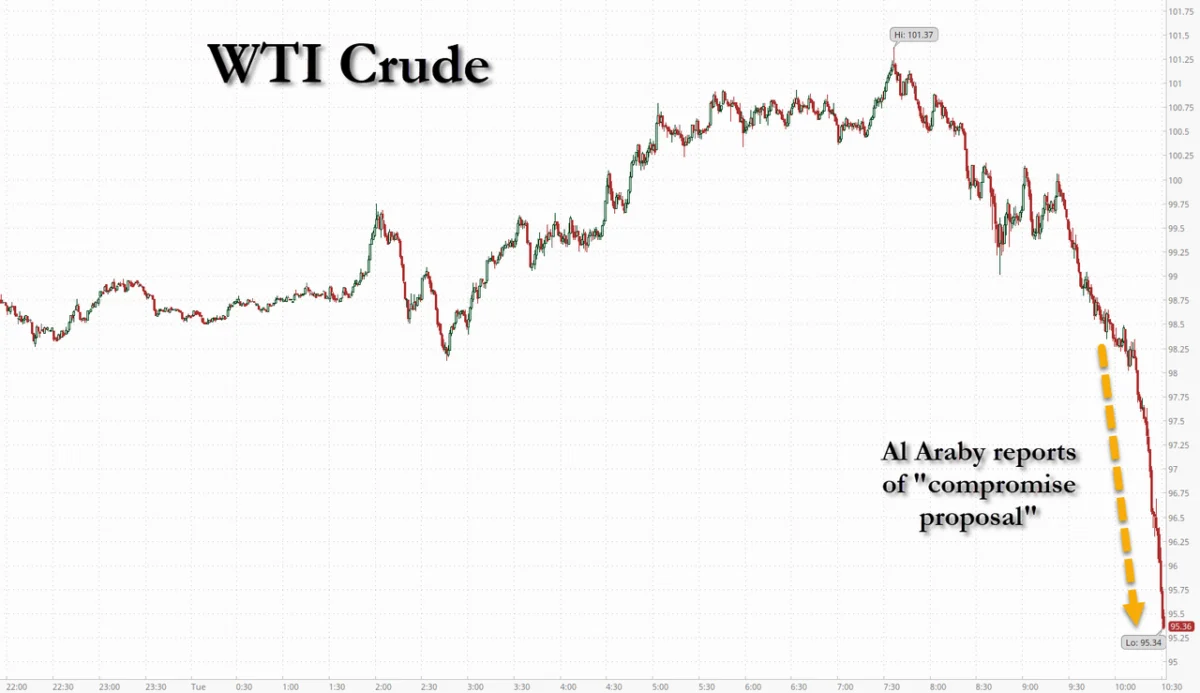
On Tuesday, at approximately 11:17 AM ET, Iranian state newswires issued a categorical rejection of widespread reports suggesting a deal was close in ongoing talks with the United States. The message was unambiguous: "IRAN-US TALKS CONTINUE, REPORTS DEAL IS CLOSE ARE WRONG." This statement served as a stark counterpoint to earlier headlines circulated around 10:35 AM ET that had fueled speculation of an imminent agreement, causing a notable dip in global oil prices. The market’s initial optimism quickly reversed course following Tehran’s firm denial, with crude benchmarks bouncing back as uncertainty returned.
The diplomatic setback unfolded against a backdrop of renewed maritime aggression. The UK Maritime Operations Centre (UKMTO) reported a significant incident approximately 121 nautical miles east of the Omani coast. The alert indicated a vessel was "subject to interaction as part of ongoing military activity in the region." Regional reports swiftly followed, detailing that at least two tankers were ablaze. In a brazen move, Tehran subsequently boasted of a fresh sea mine attack, with the Islamic Revolutionary Guard Corps (IRGC) taking explicit credit. A statement published on their official Sepah News website described how "Two violating oil tankers were set ablaze and halted due to the explosion of mines planted by the brave sailors of the IRGC Navy at an illegal crossing point in the southern part of the Strait of Hormuz." This assertion marks a significant escalation, transforming anonymous incidents into declared acts of military engagement by a state actor.
The Strategic Significance of the Strait of Hormuz
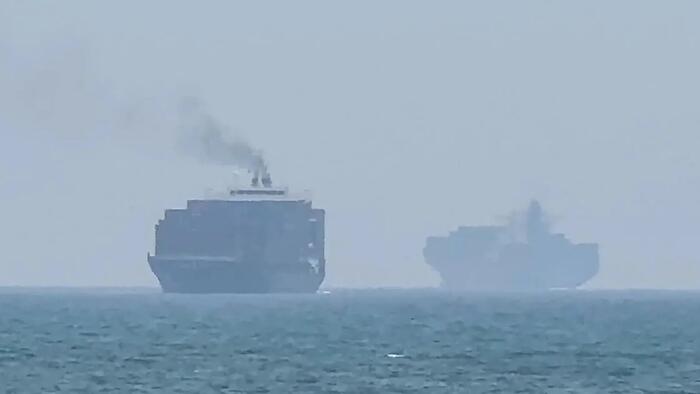
The Strait of Hormuz, a narrow waterway connecting the Persian Gulf to the open ocean, remains one of the world’s most critical maritime choke points. Approximately one-fifth of global oil consumption, alongside a substantial portion of liquefied natural gas (LNG) and other maritime trade, transits through this vital artery daily. Any disruption in the Strait has immediate and far-reaching implications for global energy prices, supply chains, and economic stability.
The recent attacks and Iran’s claim of responsibility underscore its perceived leverage over international shipping in the region. This strategy aligns with past Iranian rhetoric, where officials have repeatedly threatened to close or disrupt the Strait in response to economic sanctions or perceived military threats. Despite these ongoing incidents, U.S. Senator Marco Rubio stated that "OIL GOING THROUGH HORMUZ NEARLY EQUAL TO BEFORE WAR," suggesting that the actual flow of crude has not been substantially curtailed by the recent sporadic attacks, though market perception and risk premiums are undoubtedly affected. This creates a dichotomy where the strategic importance of the Strait is undisputed, yet the immediate physical impact on oil flows remains a point of contention and observation.
Iran’s Diplomatic Posturing: The "Seven-Day Proposal"
Amidst the military escalation, Iranian Foreign Minister Abbas Araqchi reiterated his country’s standing offer to the United States: to reopen the Strait of Hormuz within seven days. This proposal, first presented in mid-September, outlines specific conditions that Tehran insists must be met for de-escalation. Araqchi stated, "Our situation is clear and based on the seven-days proposal presented to the US. They shared comments which we are reviewing, but our proposal is still on the table and if there is any honesty on the US part, which there isn’t, the way to reopening the Strait of Hormuz is obvious."
While the full details of these "seven conditions" are not always uniformly reported across all sources, they generally reflect Iran’s long-standing grievances and demands stemming from the imposition of international sanctions. Based on various reports from September, these conditions for a broader de-escalation and normalization often include:
- Complete Lifting of Sanctions: The U.S. must lift all sanctions imposed on Iran, particularly those targeting its oil exports, banking sector, and other key economic areas.
- Unfreezing Iranian Assets: The U.S. and its allies must unfreeze billions of dollars in Iranian assets held in foreign banks.
- Guarantees Against Future Withdrawal: The U.S. must provide assurances that it will not unilaterally withdraw from any future agreement, a direct reference to the Trump administration’s exit from the Joint Comprehensive Plan of Action (JCPOA).
- Cessation of Interference in Internal Affairs: Iran demands an end to what it perceives as U.S. interference in its domestic politics and regional influence.
- Withdrawal of U.S. Military Presence: A significant reduction or complete withdrawal of U.S. military forces from the Persian Gulf region.
- End to Support for Regional Rivals: The U.S. must cease its support for regional adversaries of Iran, such as Saudi Arabia and Israel.
- Compensation for Economic Damages: Iran seeks compensation for the economic losses incurred due to U.S. sanctions and punitive measures.
These conditions highlight Iran’s comprehensive approach to resolving the current standoff, linking maritime security directly to its broader demands for economic relief and political recognition.

Historical Context of U.S.-Iran Tensions
The current crisis is deeply rooted in decades of animosity, exacerbated by the U.S. withdrawal from the 2015 nuclear deal (JCPOA) in 2018 under the Trump administration. The JCPOA, which offered Iran sanctions relief in exchange for curbs on its nuclear program, was abandoned by Washington, which then initiated a "maximum pressure" campaign aimed at crippling Iran’s economy and forcing it to negotiate a new, more comprehensive agreement.
In response, Iran gradually scaled back its commitments under the JCPOA, increasing uranium enrichment levels and stockpiles. Simultaneously, the region witnessed a surge in incidents, including attacks on oil tankers, drone strikes on Saudi oil facilities, and missile attacks on U.S. interests in Iraq, all attributed directly or indirectly to Iran. Israeli media outlet i24 Stein’s reports, citing informed sources, revealed that "At least once, the US Trump administration was ‘very close’ to approving an attack on Iran," underscoring the razor-thin margin separating diplomatic friction from outright military conflict during that period. This historical context illustrates the high stakes involved in the current round of escalations and the enduring risk of miscalculation.
New Threats: Undersea Cables and "New Weapons"
Beyond direct attacks on shipping, Iranian officials have begun to articulate threats targeting critical infrastructure with global implications. IRGC spokesperson Hossein Mohebi recently issued a stark warning regarding undersea communication cables in the Strait of Hormuz. He claimed that "all of the world’s internet and commercial data depend on them," hinting at a potential new front in Iran’s asymmetric warfare strategy. Disruption of these vital cables could severely impact global internet connectivity, financial transactions, and communication networks, causing widespread economic chaos far beyond the immediate region. Such a move would represent a significant escalation, targeting global digital infrastructure rather than merely oil transit.
Mohebi further warned that "We just want them to know that new targets and new weapons will be unveiled." This veiled threat suggests that Iran possesses or is developing novel military capabilities designed to circumvent current defensive measures or to inflict damage in unexpected ways. While the specific nature of these "new weapons" remains speculative, possibilities could include advanced naval mines, sophisticated drone swarms, anti-ship ballistic missiles, or enhanced cyber warfare capabilities. These threats aim to demonstrate Iran’s perceived ability to impose significant costs on its adversaries and the international community, thereby increasing its leverage in any future negotiations.

Oil Market Volatility and Broader Implications
The recent developments have injected considerable volatility into global oil markets. Brent crude fluctuated near a five-month high, settling around US$110 a barrel, while West Texas Intermediate (WTI) hovered close to US$99. The "deal imminent" headlines initially caused prices to tumble, reflecting market relief at the prospect of reduced geopolitical risk and potentially increased Iranian oil supply. However, Iran’s swift rejection, coupled with the new tanker attacks, triggered an immediate rebound, as traders factored in heightened risk premiums.
The sustained tension in the Strait of Hormuz has several broader implications:
- Increased Shipping Costs: Insurance premiums for vessels transiting the Gulf have already surged, adding to operational costs for shipping companies and ultimately consumers.
- Supply Chain Disruptions: Even without a full closure of the Strait, the perception of risk can cause delays, rerouting, and hesitancy among shippers, disrupting global supply chains.
- Regional Instability: The escalation fuels anxieties among Gulf Arab states, potentially prompting them to seek enhanced security guarantees or bolster their own defenses, further militarizing an already volatile region.
- Diplomatic Stalemate: The cycle of negotiation attempts followed by military escalation makes a lasting diplomatic resolution increasingly difficult, creating a perpetual state of crisis.
- Risk of Miscalculation: The close proximity of naval forces from various nations, coupled with Iran’s willingness to engage in asymmetric warfare, raises the ever-present danger of an unintended incident spiraling into a wider conflict.
The U.S. Stance and Future Outlook
The U.S. military has maintained a "surprisingly quiet" posture amid the daily Iranian assaults on international shipping, a stance that has been interpreted in various ways – from strategic ambiguity to a cautious avoidance of direct confrontation before the upcoming U.S. midterm elections. Former President Trump had previously threatened a resumption of operations, hinting that such actions might recommence after the November midterms. IRGC spokesperson Mohebi, however, asserted that the U.S. lacks the "technical and military" capability to launch a new operation, a claim intended to undermine American deterrence.
The international community largely advocates for de-escalation and a return to diplomacy. European powers, who remain signatories to the JCPOA, have consistently called for a revival of the agreement. However, with Iran’s continued defiance and its willingness to use military leverage, the path to a peaceful resolution remains fraught with challenges. The current situation in the Strait of Hormuz is a stark reminder of the delicate balance between diplomacy and deterrence, where every action carries the potential for significant regional and global repercussions. As talks continue and tensions simmer, the world watches closely, hoping to avert a broader conflict in this vital strategic waterway.

