
BEIJING – Equity investors are exhibiting increasing skepticism towards the rapid overseas expansion strategies pursued by numerous Chinese companies, demanding clear evidence of sustainable profitability rather than mere market share growth, according to a recent assessment by Goldman Sachs. This discerning outlook from the financial markets underscores a pivotal shift in how global investors perceive China’s ambitious "going out" strategy, particularly as domestic economic headwinds push more firms to seek fortunes beyond their borders.
The Quest for Profitable Expansion Amidst Domestic Headwinds
Trina Chen, co-head of Greater China equity research at Goldman Sachs Research, articulated this sentiment on a recent podcast published by the investment bank. "The market wants to look for profitable expansions," Chen stated, highlighting that while growth is often lauded, the current investment climate prioritizes ventures demonstrating robust and sustainable earnings. This cautious approach by investors comes as a direct response to the evolving economic landscape both within China and globally.
China’s economy has faced a period of sluggish consumer demand and intensified domestic competition, particularly in sectors like electric vehicles (EVs) and consumer electronics. This internal pressure, often described as "involution" – a term referring to a self-defeating cycle of intensified competition leading to diminishing returns – has compelled many Chinese companies to accelerate their internationalization plans. Automaker Geely, for instance, recently announced its ambitious plan to enter the Canadian market next year, a move indicative of a broader industry trend. This strategic pivot aims not only to diversify revenue streams but also to escape the cutthroat pricing wars that have become endemic in some segments of the Chinese domestic market.
Goldman Sachs’ analysis, detailed in a September 14 report by Chen and her team, projects a significant increase in Chinese companies’ overseas market share, from approximately 18% currently to an estimated 31% by 2035. This comprehensive study spanned over ten diverse sectors, including express delivery, industrial robots, and white goods such as air conditioners, signaling a pervasive and multi-faceted global expansion. The allure of international markets is often driven by the potential for higher profit margins compared to the fiercely competitive domestic arena, enabling Chinese firms to sometimes offer more competitive pricing than established local rivals.
However, this aggressive push carries inherent risks that weigh heavily on investor sentiment. Chen warned that investors need assurance that global expansion "does not end up with something similar to involution, where the price actually gets killed because of competition." Beyond potential price wars, geopolitical tensions and market access restrictions further complicate the investment calculus, dampening stock performance and making it challenging for these companies to fully price their global opportunities into their valuations.
Evolution of China’s "Going Out" Strategy
The current wave of internationalization is not China’s first foray into global markets, but it represents a more mature and complex phase. The "going out" policy, formally adopted in the late 1990s, initially encouraged Chinese enterprises, particularly state-owned enterprises (SOEs), to invest overseas to secure natural resources, acquire advanced technology, and gain market access.
- Early Phase (2000s): This period was characterized by large-scale investments in energy and raw materials, often through SOEs, with a significant focus on Africa, Latin America, and resource-rich nations. The Belt and Road Initiative (BRI), launched in 2013, further amplified infrastructure development and connectivity projects across Asia, Africa, and Europe, establishing a broad footprint for Chinese engineering and construction firms.
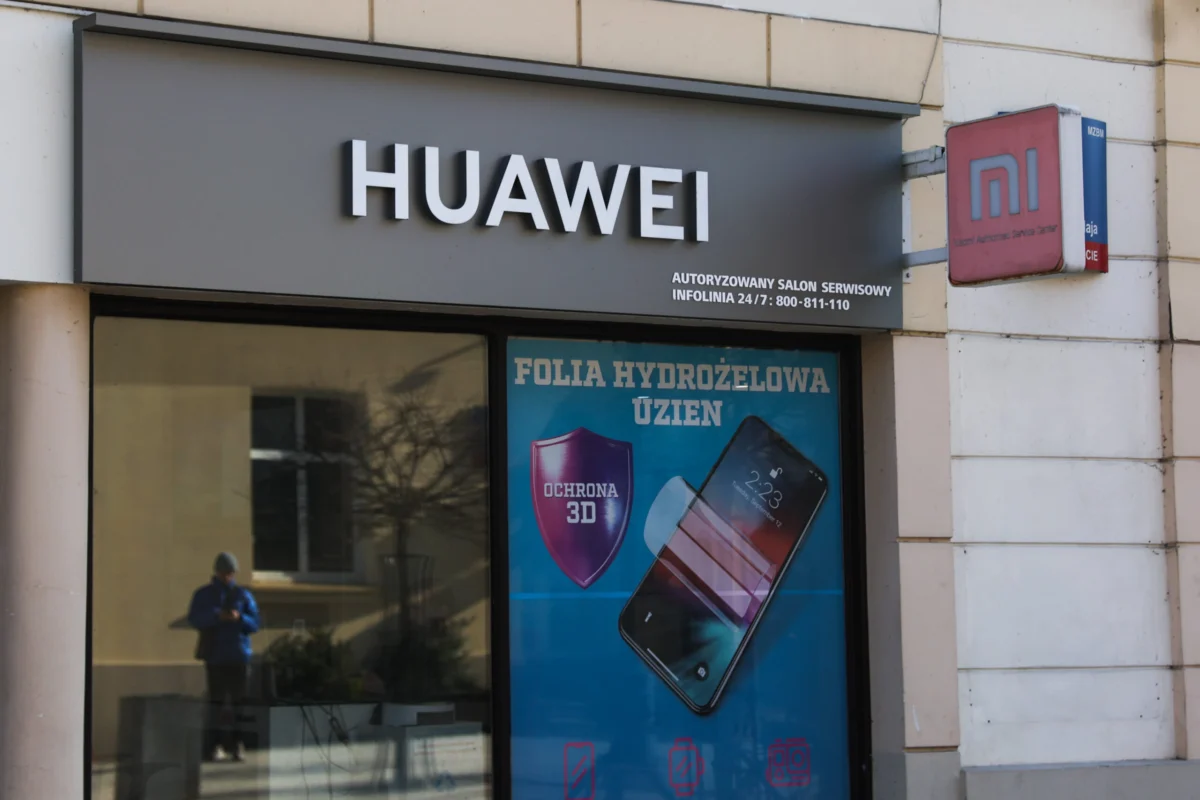
- Second Wave (2010s): As China’s manufacturing prowess grew, private enterprises began to emerge as significant global players. Tech giants like Huawei and Xiaomi started expanding their smartphone and telecom equipment presence globally, while e-commerce platforms like Alibaba and Tencent made strategic investments in overseas startups. This phase saw a blend of direct exports and foreign direct investment (FDI), often targeting established markets in Europe and North America, alongside burgeoning economies.
- Current Phase (2020s): The present era marks a significant shift, driven by a confluence of domestic saturation, technological advancement, and geopolitical realignments. Chinese companies are no longer just "manufacturers for the world" but are actively building global brands and ecosystems. Sectors like electric vehicles (BYD, Nio, Xpeng), consumer drones (DJI), fast fashion (Shein), and online marketplaces (Temu) are aggressively expanding, focusing on product innovation, direct-to-consumer models, and localized operations. This phase is also marked by increased scrutiny from host governments concerning national security, data privacy, and fair competition.
Driving Forces: Domestic Pressures and Global Opportunities
The acceleration of overseas expansion is intrinsically linked to the economic realities within China. The post-pandemic recovery has been uneven, with sectors like real estate facing significant challenges and consumer spending remaining subdued. This has led to intense domestic competition, particularly in high-growth sectors where numerous players vie for market share. The EV market, for instance, has seen dozens of domestic brands locked in fierce price wars, making it difficult for many to achieve profitability solely within China.
Furthermore, the Chinese government’s long-term strategic goals, such as achieving technological self-sufficiency and fostering globally competitive "national champions," indirectly support and encourage this international push. By expanding globally, Chinese companies can gain access to diverse talent pools, acquire advanced technologies, and build resilient supply chains less susceptible to geopolitical disruptions.
Globally, a significant opportunity exists in emerging markets, which are often underserved by traditional Western competitors. Chinese brands, offering a compelling combination of affordability, advanced features, and rapidly improving quality, are finding fertile ground in regions like Southeast Asia, Latin America, Africa, and the Middle East. Euromonitor, a market research firm, noted last month that "Chinese brands are no longer simply market challengers" but are "becoming long-term, embedded competitors capable of reshaping market dynamics across Latin America," exemplified by substantial Chinese exports to the region, nearing USD 300 billion annually.
Investor Concerns: Beyond Growth, Towards Sustainable Returns
While the prospect of expanding into new, high-growth markets is appealing, investors are increasingly sophisticated in their assessment of these ventures. The "involution" risk, wherein aggressive expansion leads to similar price-cutting and margin erosion seen domestically, is a primary concern. The historical tendency of some Chinese companies to prioritize market share at the expense of short-term profitability has made investors wary.
- Profitability Metrics: Investors are scrutinizing metrics such as return on invested capital (ROIC), gross margins, and net income growth from overseas operations. They seek evidence that foreign ventures are genuinely accretive to earnings, not just top-line growth.
- Geopolitical Headwinds: The rising tide of protectionism and geopolitical tensions, particularly between the U.S. and China, poses significant risks. Trade barriers, sanctions, and increased regulatory scrutiny can impede market access, raise operational costs, and even lead to divestitures. Companies must demonstrate robust strategies for navigating these complex political landscapes.
- Regulatory Compliance and Local Adaptation: Operating in diverse international markets requires adherence to varying regulatory frameworks, labor laws, environmental standards, and cultural norms. Investors want to see evidence of effective localization strategies, strong corporate governance, and a commitment to ethical practices to avoid reputational damage and legal challenges.
- Brand Building and Intellectual Property: Building a strong global brand presence is capital-intensive and time-consuming. While Chinese manufacturers have excelled at OEM production for decades, establishing their own brands that resonate with international consumers is a different challenge. Concerns about intellectual property protection, particularly in sensitive technology sectors, also remain a perennial issue for investors and host governments alike.
- Currency and Macroeconomic Risks: Operating across multiple geographies exposes companies to currency fluctuations, differing inflation rates, and varying economic cycles, all of which can impact profitability and the repatriation of earnings.
The "Ruthless" Nature of Market Share Loss
Goldman Sachs’ Chen also underscored the severe consequences for incumbent companies that fail to adapt to this new competitive landscape. Investors, she noted, are "ruthless" when established companies lose market share. A decline of just 10% to 15% in market share could trigger a disproportionate reduction in market capitalization, potentially shrinking it by 50% to 80%. This highlights the dual challenge: Chinese companies must prove their profitability, while established global players must fiercely defend their territories against increasingly formidable Chinese challengers.
This dynamic creates a high-stakes environment where both expansion and defense require strategic acumen and significant investment. For example, in the global automotive industry, established players like Volkswagen and General Motors are investing heavily in EV technology and manufacturing to counter the rise of Chinese EV brands that are rapidly gaining traction in Europe and Southeast Asia. Similarly, in consumer electronics, traditional brands face intense competition from Chinese firms offering feature-rich products at competitive prices.
Implications for the Global Economy and Investment Landscape
The ongoing global expansion of Chinese companies carries profound implications for the global economy, competitive dynamics, and investor strategies.
- Shifting Global Value Chains: The increasing internationalization of Chinese firms will lead to a reorientation of global supply chains, with more manufacturing and R&D activities potentially moving outside China or diversifying across multiple regions. This could foster greater resilience but also introduce new complexities.
- Intensified Global Competition: Consumers globally are likely to benefit from increased competition, leading to lower prices and more innovative products across various sectors. However, local industries in host countries may face significant pressure, potentially leading to calls for protectionist measures.
- Geopolitical Rebalancing: China’s growing economic footprint through its corporations will inevitably translate into increased geopolitical influence, challenging existing power structures and potentially creating new areas of cooperation and contention.
- Refined Investor Strategies: Investors will need to adopt more nuanced strategies, differentiating between Chinese companies that merely grow market share versus those that build sustainable, profitable global businesses. This will involve deeper due diligence into localization efforts, governance structures, and risk management frameworks for international operations. The focus will shift from a blanket "China growth story" to identifying specific companies with proven capabilities to thrive in complex global markets.
In conclusion, the journey of Chinese companies abroad is at a critical juncture. While the impetus for global expansion is clear and the opportunities vast, the discerning eye of equity investors demands more than just aggressive market entry. The emphasis has irrevocably shifted towards demonstrating sustainable profitability, strategic geopolitical navigation, and robust operational execution to truly unlock the long-term value of their international ventures. The coming years will be crucial in determining whether this wave of global expansion translates into enduring success and investor confidence or falls prey to the very "involutionary" pressures they sought to escape.

