
Pete Adeney, widely known as Mr. Money Mustache (MMM), the influential voice behind the popular financial independence blog MrMoneyMustache.com, has directly addressed recent criticisms suggesting he has abandoned his foundational principles of frugality due to his accumulated wealth. Adeney, a key figure in the Financial Independence, Retire Early (FIRE) movement, robustly refutes claims that his affluence has detached him from the realities of the "common person’s plight," asserting that his core money-saving practices remain integral to his daily life. The entrepreneur and early retiree maintains that the tenets he espouses are not merely about financial accumulation but about cultivating a more efficient, creative, and fulfilling existence, regardless of one’s net worth.
The criticisms, often articulated as "I used to read Mr. Money Mustache until he got all rich and fancy," underscore a common perception that increased wealth naturally leads to an escalation of spending and a departure from a frugal mindset. Adeney, however, contends that such views are based on a misunderstanding of his philosophy, which prioritizes intrinsic satisfaction and self-sufficiency over conspicuous consumption. He emphasizes that for him, and for many in the Mustachian community, the pursuit of financial independence was never about deprivation, but about optimizing life for maximum enjoyment and minimal waste.
The Evolution of Mustachianism: Beyond Standard Financial Advice
The Mr. Money Mustache blog, launched in 2011, quickly garnered a massive following by advocating for radical frugality, high savings rates, and early retirement. Adeney, who retired from his software engineering career in his early 30s, distinguished his approach from conventional financial planning. While standard advice often focuses on aggressive savings targets and income maximization to achieve a desired lifestyle, Mustachianism, as articulated by Adeney, promotes a deeper, more holistic transformation.
"Standard Advice: Slash your spending and make sacrifices until you reach a certain savings percentage, and beyond that it doesn’t matter, it’s all personal choice. More income? Great, that means you don’t have to sacrifice as much! FatFIRE for everyone!" Adeney writes, contrasting it with his core philosophy.
"Mustachianism: Cultivate a love of efficiency, creativity, self-awareness, and self-improvement. Use this knowledge to improve your life in all ways, including those which help you live better even as your monthly expense rate drops over time."
This distinction highlights that for Adeney, frugality is not a temporary hardship but an ongoing practice that enhances overall well-being. It is a commitment to a lifestyle rooted in conscious choices, resourcefulness, and a deliberate rejection of consumerist pressures. This enduring philosophy, he argues, naturally leads to wealth accumulation while simultaneously fostering a higher quality of life.
Tangible Practices: Frugality as a Lifestyle Choice
To illustrate his continued adherence to these principles, Adeney provided several concrete examples from his current life, detailing activities that he genuinely enjoys and which concurrently result in substantial financial savings. These practices, he notes, are often intertwined with personal fulfillment and community engagement. He quantifies the long-term impact of these habits using a "rule of 172," where a monthly expense multiplied by 172 estimates its compounded value over ten years if invested.
1. Self-Sufficiency in Home Maintenance and Renovation:
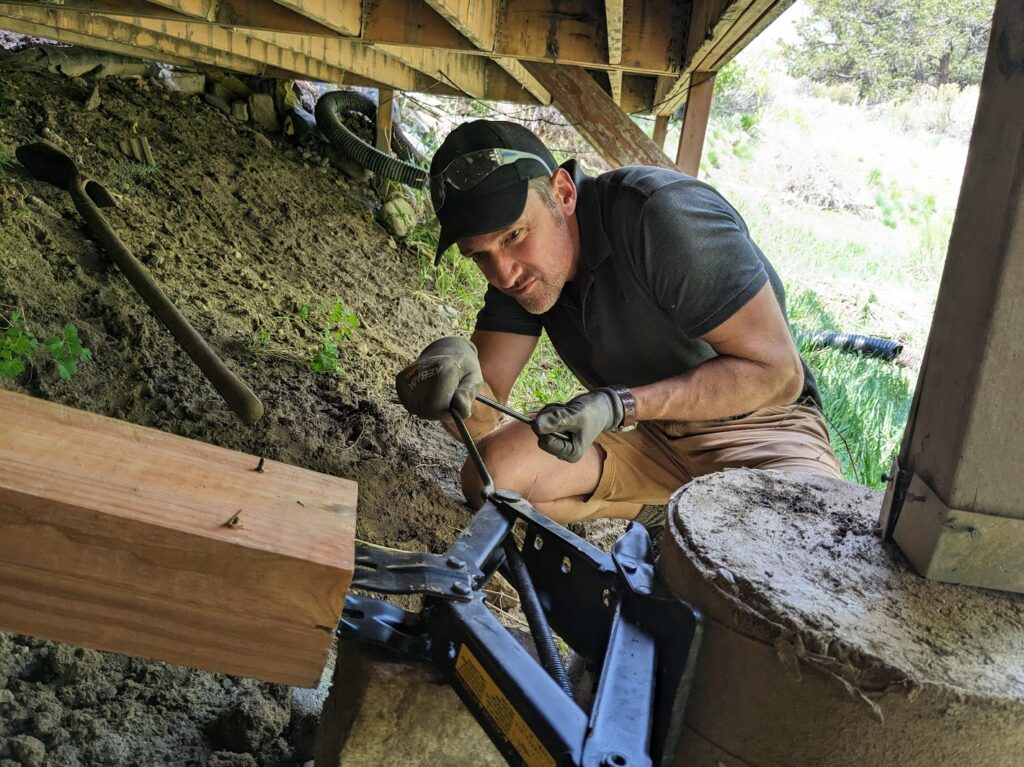
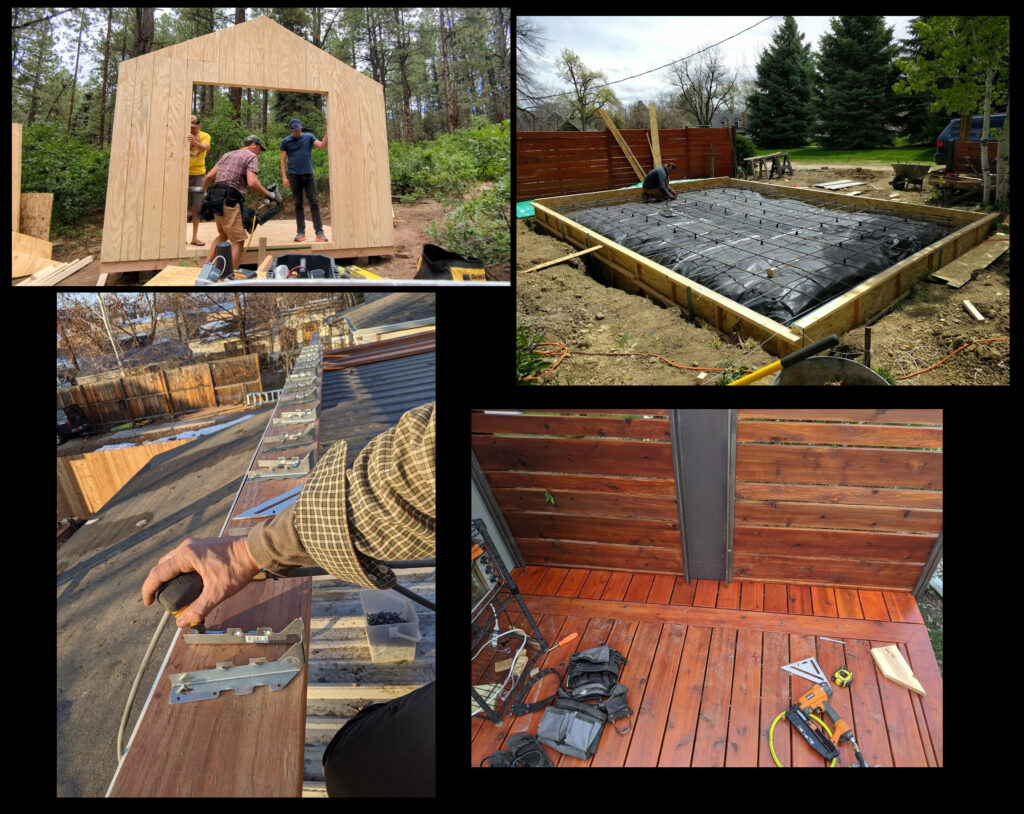
Adeney’s commitment to self-sufficiency extends prominently to his living spaces. He describes a passion for home improvement, redesigning, and repairing properties, not just his own but also those of friends. This active engagement with physical labor and skill development directly translates into significant cost avoidance.
"One giant recipe for a happy life is simply to Become a Producer of the Things You Most Enjoy Consuming," he states. By performing tasks typically outsourced to contractors, such as general repairs, renovations, and minor construction projects, Adeney estimates an average annual saving of $20,000. Over a decade, this compounds to an impressive $287,000, underscoring the substantial financial leverage gained through DIY skills. According to industry data, the average homeowner spends between 1% and 4% of their home’s value on maintenance and repairs annually, with major renovations often costing tens of thousands. Adeney’s hands-on approach drastically cuts these expenses, empowering him and those he teaches to reduce dependence on external services.
2. Leveraging Community and Second-Hand Markets:
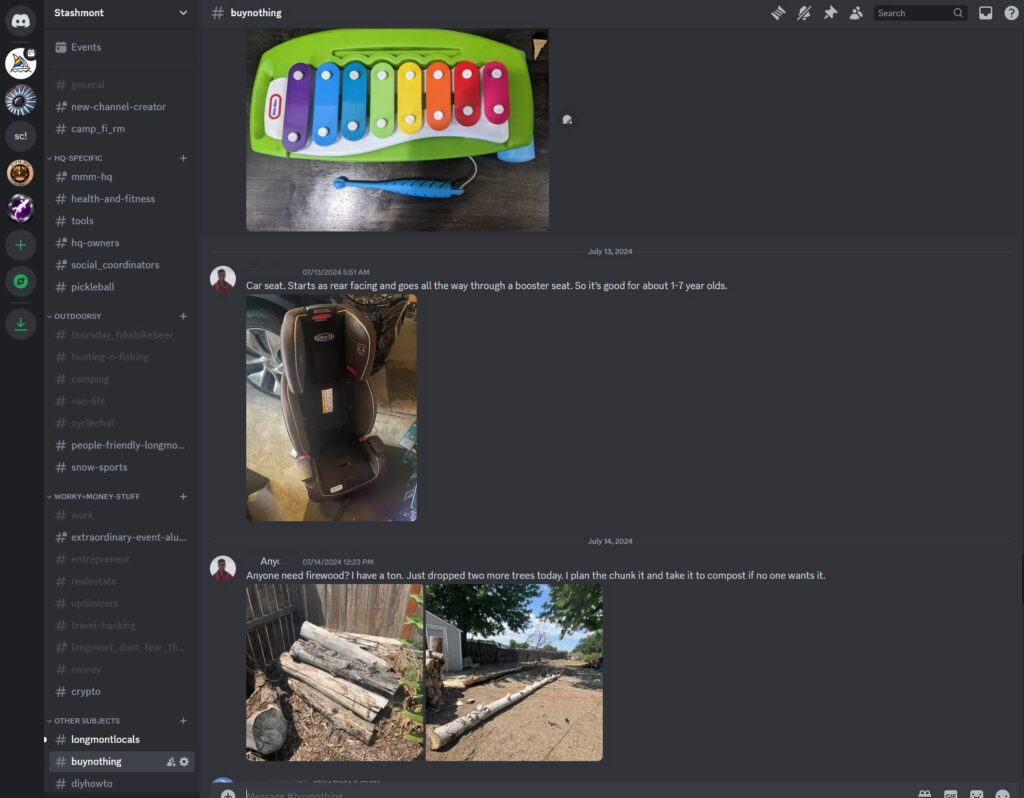
In an era dominated by rapid consumption, Adeney champions the power of community sharing and utilizing second-hand markets. Platforms like Craigslist, Facebook Marketplace, and local "Buy Nothing" groups are integral to his resource acquisition and disposal strategies. He highlights the social benefits of these interactions, fostering friendships and strengthening local networks.
Within the MMM-HQ community, a private Discord server connects approximately 200 local members, facilitating skill-sharing (#diyhowto) and the exchange of goods (#forsale and #buynothing). This communal approach not only saves money but also promotes a circular economy, reducing waste and strengthening social capital. Adeney estimates these practices save him approximately $42,000 per decade, a figure that resonates with the growing trend of sustainable consumption and the increasing popularity of peer-to-peer sharing economies.
3. Prioritizing Active Transportation: Bikes Over Cars:
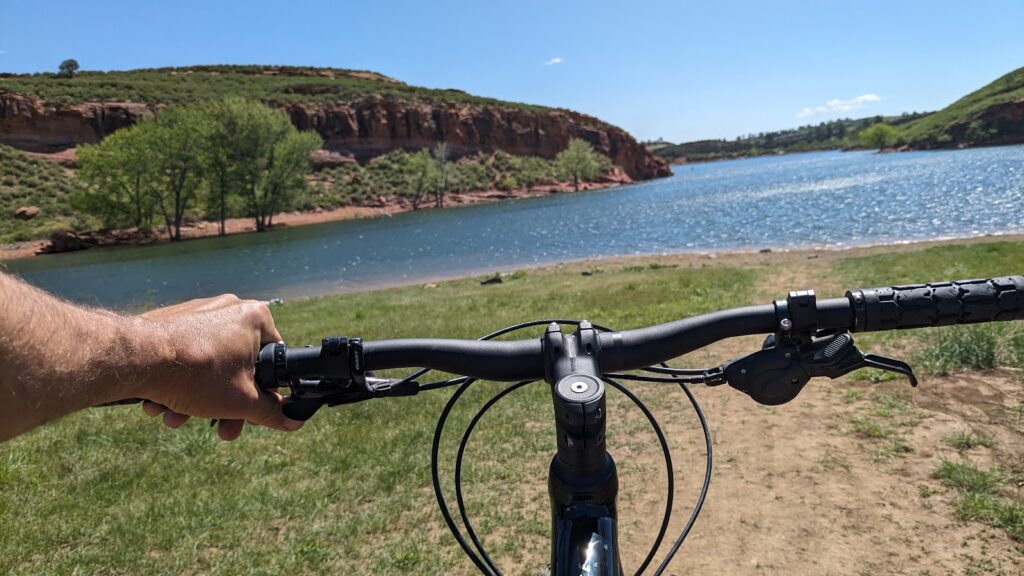
A cornerstone of Mustachian philosophy, the preference for bicycles over automobiles for local transit, remains a core practice for Adeney. Despite his financial capacity to own multiple luxury vehicles, he continues to use bikes or walk for at least 95% of his local trips. This commitment is not merely a financial decision but a lifestyle choice that integrates physical activity into daily routines.
Drawing from his influential 2011 article, "The True Cost of Commuting," Adeney reiterates that cars cost at least 50 cents per mile to operate, primarily due to depreciation and maintenance, dwarfing fuel costs. His estimated 2,000 miles of active transportation per year translate to a savings of approximately $14,000 per decade. Beyond the direct financial benefits, this choice significantly contributes to improved physical and mental health, reducing healthcare costs and enhancing overall vitality.
4. Embracing Physical Exertion: Muscle Over Motor:
Adeney consciously chooses physical effort over mechanical convenience whenever possible. This includes opting for stairs, running golf courses, moving his own furniture, and performing manual tasks like shoveling snow and raking leaves. This deliberate integration of physical activity into daily life serves as a constant, low-impact workout, negating the need for expensive gym memberships or specialized equipment.
He frames this choice as a direct investment in health: "Do you want MORE health and fitness, or LESS?" This mindset yields substantial long-term benefits. While precise monetary savings are difficult to calculate, Adeney conservatively estimates a $10,000 annual saving from reduced healthcare costs and increased productivity due to superior health. With average U.S. healthcare spending around $13,000 per person annually, his "zero" lifetime costs due to illness or medication stand in stark contrast, translating to an estimated $140,000 saving per decade. This highlights the profound economic impact of preventive health practices.
5. Sustainable Home Management: The "Glamping Retreat" Approach:
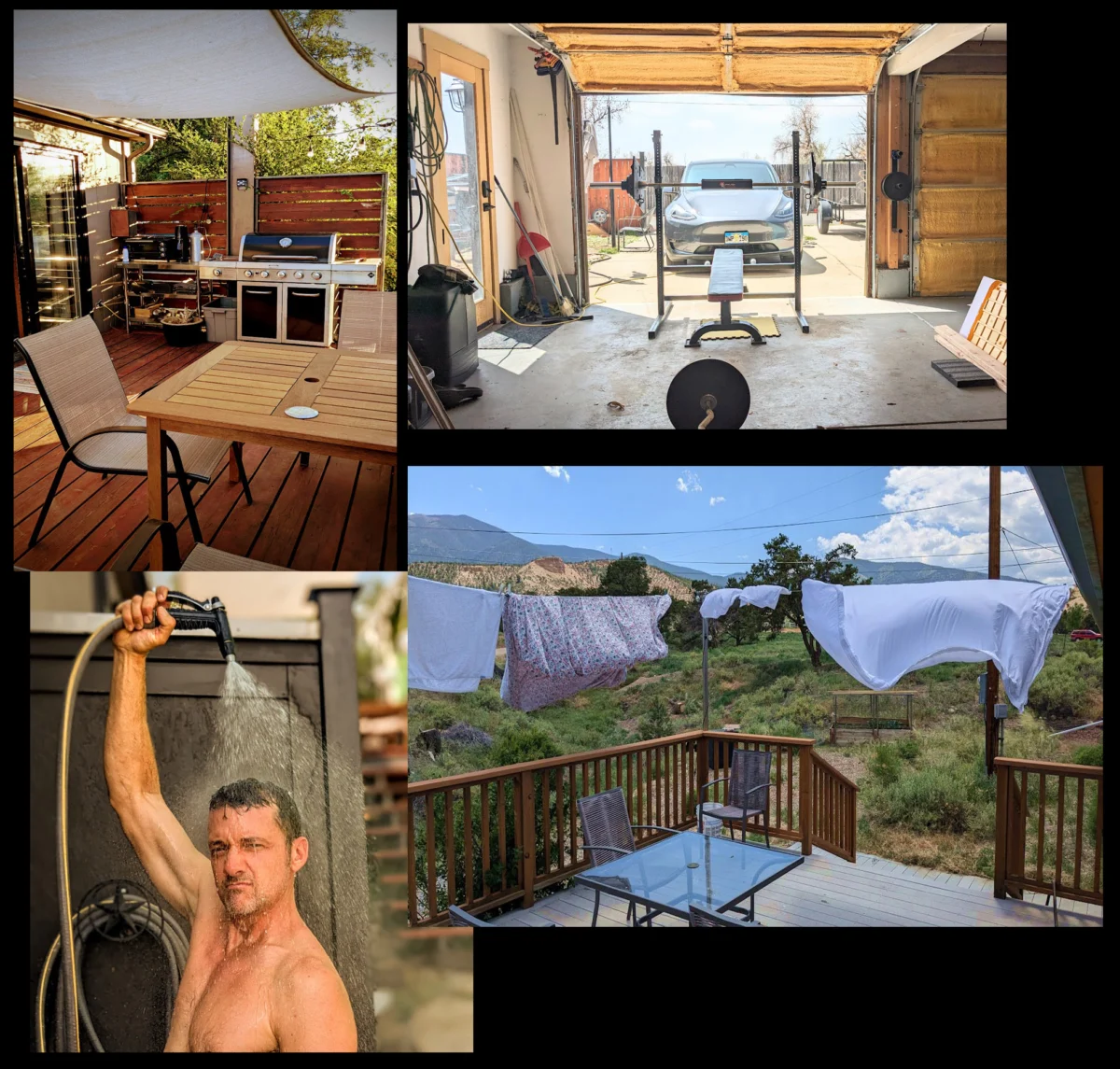
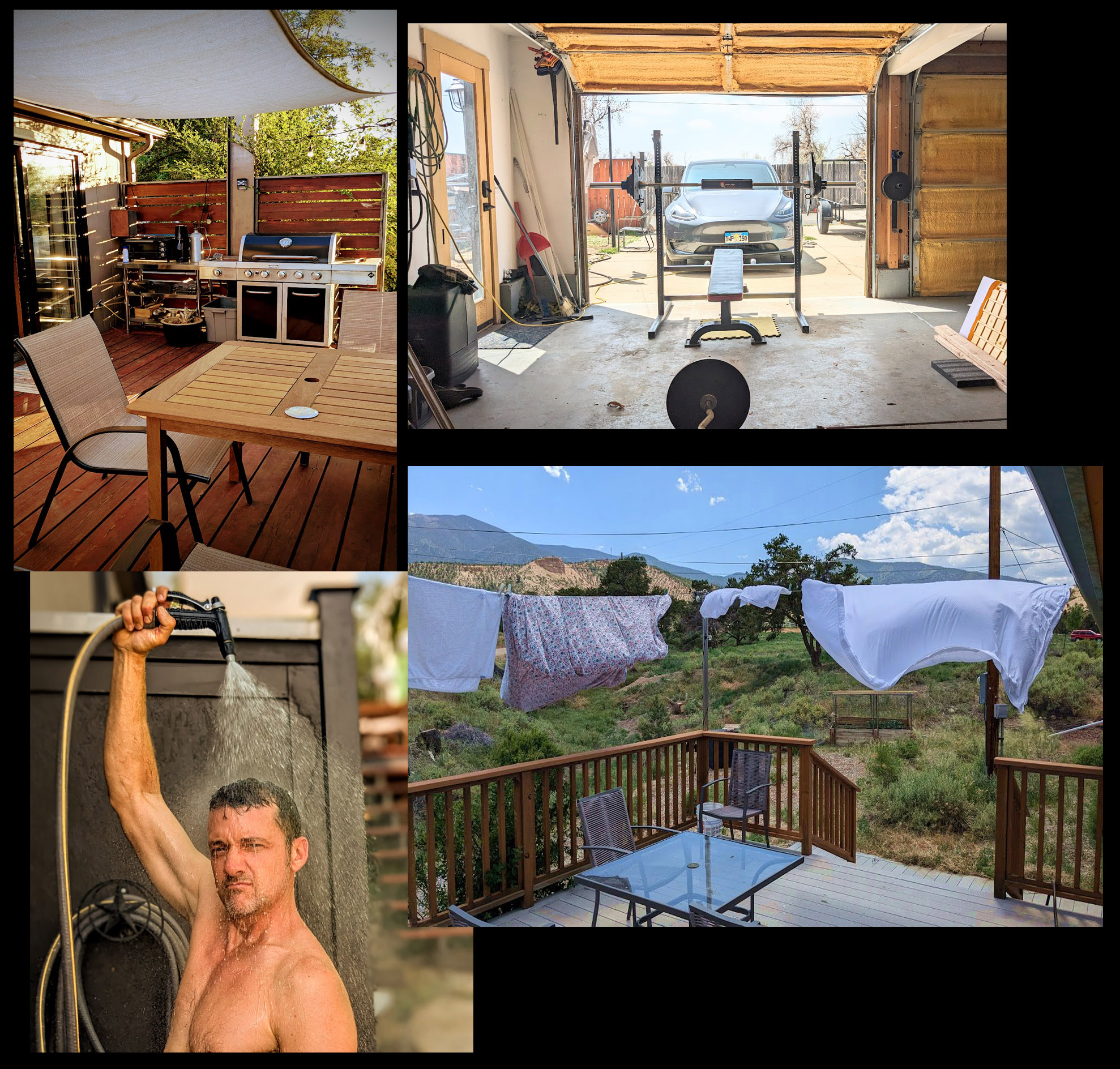
Adeney’s home operates as an "Energy Efficiency Playground," characterized by innovative solutions that blur the lines between indoor and outdoor living, resembling a "glamping retreat." His eclectic personality, a blend of engineer, carpenter, artist, and scientist, drives continuous experimentation to optimize energy consumption and seasonal living.
Examples include installing passive solar features like large south-facing windows and sliding doors for winter heating, utilizing outdoor clotheslines for drying, outdoor showers for warmer months, and even an outdoor kitchen. While these practices may seem unconventional, they align with principles of sustainable living. Adeney’s combined gas and electric bill averages $75 per month, significantly lower than the local average of $250. This translates to an estimated $30,000 saving per decade. Beyond the financial aspect, this approach fosters a deeper connection with the environment and natural cycles, enhancing daily enjoyment and promoting a sense of self-reliance.
6. Prioritizing Local Living Over Constant Travel:
In an increasingly mobile society, Adeney advocates for a balanced approach to travel, emphasizing the value of local living and community engagement. He observes a common phenomenon where individuals over-commit to travel, sometimes at the expense of local events and relationships. His philosophy encourages a discerning approach to travel, valuing enriching experiences while also cherishing time spent at home and within the local community.
The benefits of local living are manifold: reduced travel expenses, a smaller carbon footprint, stronger local friendships, enhanced community involvement, and more time for personal projects and hobbies. Adeney estimates that replacing just two weeks of family travel with equivalent time at home could save approximately $5,000 per year in direct costs, with an additional $5,000 in incidental benefits from improved health and local connections. This accumulates to a remarkable $143,000 wealth increase per decade. While acknowledging the importance of travel for broadening perspectives, he advocates for intentional choices that prioritize quality over quantity, ensuring that travel truly enriches rather than detracts from life.
Cumulative Impact and Broader Implications
Cumulatively, the practices detailed by Adeney account for an astonishing $656,000 in wealth accumulation every decade. This figure, achieved through simple, enjoyable habits, already surpasses the median wealth of many American seniors entering retirement after over four decades of work. Adeney posits that his recent wealth increases, even after achieving early retirement, are directly attributable to these consistent, fundamental habits.

The implications of Mr. Money Mustache’s continued adherence to his principles extend beyond individual financial gain. His example serves as a powerful counter-narrative to consumer culture, demonstrating that wealth does not necessitate an abandonment of sustainable, community-oriented, and self-sufficient living. Instead, it underscores that these practices can be inherently enjoyable and lead to a richer, more fulfilling life, irrespective of one’s economic status.
His work continues to inspire the FIRE movement, encouraging individuals to rethink their relationship with money, work, and consumption. By demonstrating that a high net worth can coexist with a deeply frugal and environmentally conscious lifestyle, Adeney provides a tangible model for sustainable prosperity. The core message remains that achieving financial independence doesn’t require extreme sacrifice but rather a thoughtful recalibration of priorities, a cultivation of practical skills, and a genuine appreciation for efficiency and intrinsic value.
As Adeney often emphasizes, humans are naturally curious and problem-solving creatures. His ongoing practices suggest that frugality, when viewed through the lens of self-improvement and joy, becomes an indulgence rather than a restriction, a sentiment that continues to resonate deeply with his global audience and beyond.

