

Nearly two decades into what is often idealized as the ultimate lifestyle of financial independence and early retirement (FIRE), a growing number of individuals are confronting an unforeseen challenge: the psychological complexities of complete freedom. While the liberation from traditional work structures offers unparalleled opportunities for personal growth, family engagement, and passion pursuits, it also presents a unique set of hurdles, primarily the absence of external pressure and the subsequent struggle with self-imposed discipline. This phenomenon highlights that true fulfillment in a life without obligations demands a conscious and sustained effort to cultivate internal motivation, transforming potential inertia into purposeful action.
The Paradox of Unfettered Freedom
For many, early retirement represents the pinnacle of aspiration – a life free from the daily grind, traffic commutes, and corporate hierarchies. The initial benefits are often lauded: ample time for nurturing familial bonds, particularly with children from birth through their formative years; dedicated focus on health and well-being; deeper engagement with friendships; extensive travel and adventure; and the pursuit of long-deferred creative or constructive projects. These advantages are undeniable, fostering a lifestyle rich in personal values and experiences. However, the very cornerstone of this ideal – absolute freedom – can, paradoxically, become its most significant impediment.
Psychological experts suggest that humans thrive on a balance of autonomy and structure. While excessive external control can be stifling, the complete absence of any imposed structure can lead to decision fatigue, a lack of direction, and a drift into unproductive habits. In early retirement, where the daily schedule is entirely self-determined, individuals might find themselves grappling with a "tyranny of choice," where the sheer number of possibilities paralyzes action. This can manifest as a pervasive sense of comfort-seeking, leading to a gradual disengagement from activities that, while ultimately rewarding, require initial effort or discomfort.
The Psychological Cost of Infinite Choice
The core dilemma, articulated by many long-term retirees, is the realization that "I never have to do anything I don’t want to do." This statement, seemingly the definition of paradise, can conceal a profound psychological trap. When combined with financial security, this boundless freedom can create a spectrum of outcomes, ranging from profound societal contribution to chronic stagnation. At one end lies the potential for individuals to channel their resources and time into impactful endeavors, such as establishing and managing philanthropic foundations, driving medical research, or investing in sustainable energy solutions, thereby employing thousands and leaving a significant legacy. At the other end, however, is the risk of succumbing to apathy, characterized by excessive indulgence, passive consumption of media, and a general lack of engagement.
Data from retirement studies, such as those conducted by the National Bureau of Economic Research, indicate that while overall life satisfaction often increases immediately after retirement, a significant portion of retirees report declines in mental health, purpose, and social engagement over the longer term if they fail to replace work-related structures with meaningful alternatives. The ability to navigate this spectrum effectively is not universally inherent; it depends heavily on an individual’s pre-existing psychological makeup, their capacity for self-discipline, and their ability to define and pursue intrinsic purpose outside of professional obligations.
Erosion of Discipline: A Common Trajectory
For many who successfully transition into early retirement, the initial decade is often marked by high levels of activity and productivity. This phase is typically fueled by the novelty of freedom and a backlog of projects and passions. Individuals might engage intensely in raising families, undertaking significant home renovations, embarking on extensive travels, or developing new skills. However, a common observation amongst long-term retirees is a gradual decline in this sustained momentum. As the initial excitement wanes and immediate projects are completed, a subtle shift can occur. The once vibrant pursuit of constructive activities may give way to increased passive leisure, characterized by more time spent on digital distractions, such as social media or streaming content, and a reduced inclination to initiate more demanding, yet ultimately more fulfilling, tasks.
This erosion of self-discipline is often a slow, insidious process. Individuals might find themselves retreating to comfort earlier in the day, substituting active engagement with passive consumption. Despite possessing a wealth of knowledge on health, wellness, and productivity strategies—gleaned from years of self-improvement—the consistent application of this knowledge becomes increasingly challenging. The paradox is that while the understanding of what is beneficial grows, the execution often diminishes. This gap between knowing and doing is a critical point of vulnerability in the long-term sustainability of an enriching early retirement.
Efforts to counteract this trend often involve studying new health protocols, optimizing daily habits, and intentionally seeking discomfort to avoid complacency. While these strategies are inherently effective and yield positive results in the short term, their consistent integration into daily life frequently falters. The brain, wired for efficiency and comfort, can invent a myriad of excuses to avoid difficult tasks, leading to a cycle where new knowledge is acquired, briefly applied, and then gradually abandoned. This highlights a fundamental flaw in relying solely on knowledge without addressing the underlying behavioral patterns of self-sabotage.
The "Moment of Hesitation": A Trigger for Action
A pivotal realization in overcoming this inertia is the identification of a specific behavioral pattern: using freedom to actively avoid doing things that feel difficult or undesirable in the moment. This avoidance is distinct from the freedom to choose desired activities; it’s the freedom to opt out of challenging but beneficial ones. For instance, the freedom to forgo a demanding job is invaluable. However, if that freedom is then used to replace meaningful engagement with unproductive leisure, its transformative potential is lost. The key lies in utilizing this freedom to pursue activities more valuable than the work that was left behind.

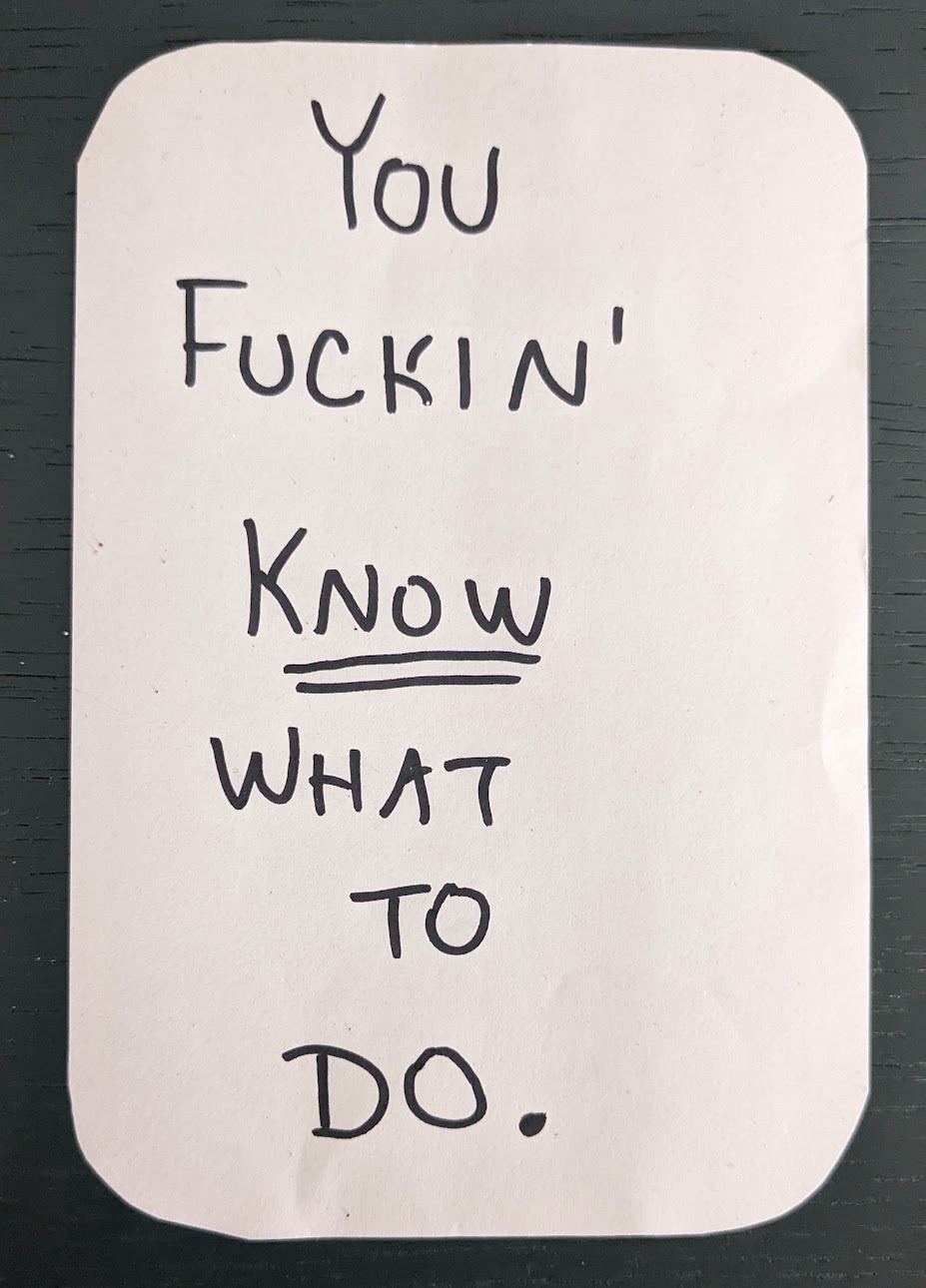
The critical insight emerges from recognizing the "moment of hesitation." This is the instant an individual considers a task they know is beneficial (e.g., a workout, a creative project, a difficult conversation) but immediately feels a pull of resistance or discomfort. Instead of allowing this hesitation to trigger a cascade of excuses and eventual inaction, the strategy is to reframe it as an immediate cue for action. For example, the internal dialogue shifts from: "I want to work out today, but I don’t feel like it, so I’ll wait for perfect conditions" to: "I want to work out today. I don’t feel like it. AHA! This is self-sabotage. Therefore, I am immediately putting on my shoes and walking to the gym."
This counterintuitive approach leverages the very feeling of reluctance as a prompt to push through. Behavioral psychology supports this, noting that the initial friction of starting a task is often the greatest barrier; once initiated, momentum can carry the action forward. This technique, though initially challenging, builds mental fortitude and re-establishes a powerful sense of agency. It applies not just to physical exercise but to any task requiring planning, energy, or focus that an individual desires to accomplish but consistently avoids.
Leveraging Extreme Motivation: The Goggins Effect
For many, abstract self-talk can be insufficient. External inspiration, particularly from individuals who push the boundaries of human endurance and mental resilience, can serve as a powerful catalyst. David Goggins, a former Navy SEAL, ultra-marathoner, and world-record holder, exemplifies this extreme form of self-mastery. His life story, marked by profound childhood trauma and a subsequent relentless pursuit of overcoming self-imposed limitations, offers a stark contrast to the comforts of early retirement. Goggins’ achievements – from enduring multiple near-death experiences to qualify for special forces, to running hundreds of miles with severe injuries, and setting world records for pull-ups – challenge conventional perceptions of human capability.
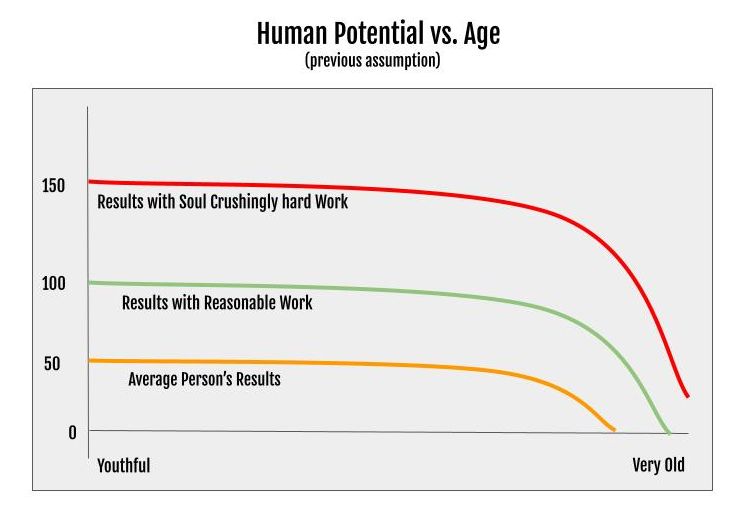
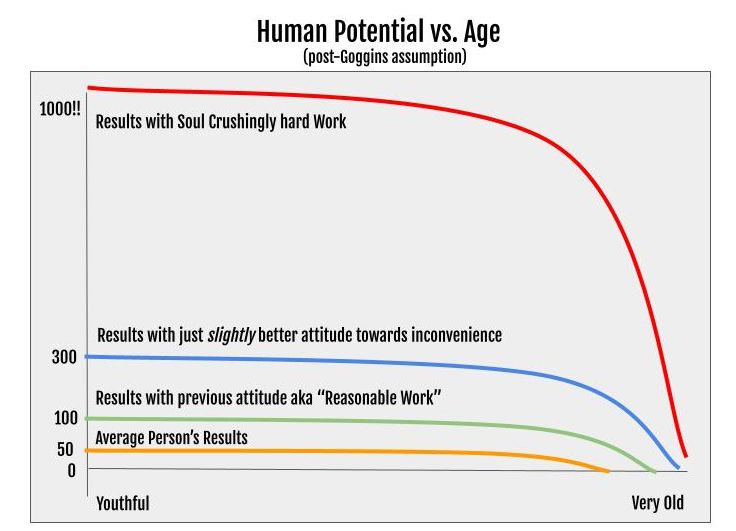
Exposure to such extreme examples can be transformative, not necessarily by advocating for the replication of Goggins’ rigorous lifestyle, but by reframing the understanding of personal limits. His philosophy underscores the idea that most barriers are mental constructs rather than physical or external constraints. This perspective, while potentially critiqued for its intensity or "bro science" connotations, serves to expand one’s own perceived ceiling of possibility. It shifts the internal narrative from "I can’t" to "What if I tried?" The profound implication is that the vast majority of individuals operate significantly below their true potential, constrained by self-limiting beliefs.
Tangible Outcomes and Sustained Engagement
The practical application of these principles yields tangible results. Individuals adopting the "hesitation as a trigger for action" strategy report significant improvements across various domains. In physical fitness, consistent engagement with challenging workouts leads to measurable gains in strength, endurance, and overall well-being, often reversing years of plateaued performance. Beyond physical health, this renewed discipline translates into increased productivity in creative endeavors, more consistent engagement in community activities, and a greater willingness to tackle complex personal projects.
The key to sustaining these changes lies in regularly "refilling the inspiration tank." This involves continuous engagement with motivational content, whether through audiobooks, podcasts, or literature from figures like Goggins, Peter Attia (focused on health optimization), or Jocko Willink (emphasizing extreme ownership and discipline). While intellectual discourse may question the methodologies or motivations of these figures, the practical utility of their messages—absorbing what resonates and discarding the rest—proves invaluable for fostering sustained internal drive.
Cultivating a Culture of Self-Discipline
The journey through early retirement is a dynamic one, requiring ongoing self-assessment and adaptation. The initial phase of liberated exploration often gives way to a period where the absence of external pressure can lead to complacency. Recognizing and actively countering this trend through deliberate strategies like leveraging the "moment of hesitation" and drawing inspiration from exemplars of extreme discipline is crucial for maintaining an enriching and purposeful life.
This evolution in understanding highlights that true freedom is not merely the absence of obligation, but the active cultivation of self-discipline that empowers an individual to pursue their highest values. It is about replacing the external structure of a job with an internal framework of purpose, commitment, and relentless self-improvement. For those seeking to maximize the profound potential of early retirement, the lesson is clear: an engaged and fulfilling life post-career demands continuous, intentional effort to push beyond self-imposed mental barriers, transforming potential into sustained accomplishment. The ultimate goal is to craft a life that is not just free, but actively vibrant, productive, and deeply meaningful.

