

For many aspiring car owners, particularly young professionals entering a phase of increased financial independence, the dream of a new vehicle often begins with the simple calculation of a monthly payment. However, a deeper examination reveals that this initial figure represents merely the tip of a much larger financial iceberg. Owning a car in the current economic climate is a multifaceted expenditure, encompassing a range of direct and indirect costs that, when aggregated, can significantly impact a household budget. A comprehensive analysis, incorporating recent data from leading automotive and financial institutions, suggests that the true cost of owning a vehicle can average around $940 per month, a figure that often surprises first-time buyers and seasoned motorists alike. This includes not just the car’s price, but also ongoing expenses such as insurance, fuel, maintenance, parking, taxes, and the often-overlooked factor of depreciation.
The automotive market has experienced considerable shifts in recent years, fundamentally altering the landscape of vehicle affordability. Post-pandemic supply chain disruptions, coupled with robust consumer demand and persistent inflation, have propelled both new and used car prices to unprecedented levels. In 2022, the average cost of a new car soared to over $47,000, while a used vehicle commanded an average of $33,000. These figures, significantly higher than previous years, set a new baseline for the initial investment. Economists and industry analysts attribute these increases to a confluence of factors, including semiconductor shortages impacting new vehicle production, elevated raw material costs, and a general inflationary environment. This heightened acquisition cost, however, is just the gateway to a series of subsequent expenses that collectively define the true financial commitment of car ownership. Understanding these "seven true costs" is crucial for any individual planning to integrate a vehicle into their lifestyle without facing unexpected financial strain.
The Evolving Landscape of Automotive Expenses
The traditional understanding of car ownership costs often revolved around loan payments, fuel, and basic maintenance. However, the complexity of modern vehicles, fluctuating energy markets, and dynamic urban environments have introduced additional layers of financial consideration. Organizations like the American Automobile Association (AAA) provide annual estimates, with their 2022 assessment pegging the average cost of new car ownership at $894 per month. However, this figure, while informative, may still underestimate the reality for certain demographics, particularly younger drivers who face higher insurance premiums, and urban dwellers who contend with significant parking fees – expenses not always fully captured in broader national averages. Financial advisors consistently emphasize the importance of comprehensive budgeting that accounts for these often-underestimated variables to prevent budgetary shortfalls.

The Seven Pillars of Car Ownership Expense
A detailed breakdown reveals the individual components contributing to the substantial monthly outlay of car ownership:
1. Monthly Financing or Lease Payments: Averaging $450/month
For the vast majority of car buyers, the largest and most immediate expense is the monthly payment towards a loan or lease. The current economic climate, characterized by rising interest rates, directly impacts these costs. For instance, purchasing a $25,000 used vehicle with a 20% down payment and a 5% Annual Percentage Rate (APR) over 36 months would result in a monthly payment of approximately $485.53. This scenario illustrates a common choice for many consumers seeking a balance between affordability and quality.
The decision between financing a used car and leasing a new one is a critical one. While leasing often offers lower monthly payments for a new vehicle, it typically does not build equity, meaning the driver is perpetually restarting the ownership cycle every few years. Financing a used vehicle, conversely, allows for equity accumulation, culminating in outright ownership. Extending loan terms, while seemingly lowering monthly payments (e.g., from 36 to 48 months to reduce a payment to $373.07 in the example above), can lead to significantly more interest paid over the life of the loan and increases the risk of the car being "underwater"—where the outstanding loan balance exceeds the vehicle’s market value. Industry experts generally advise against loan terms exceeding 48 to 60 months for these reasons. This payment typically constitutes about 50% of the total monthly cost of ownership, making it the most dominant factor in initial budgeting.
2. Fuel or Charging Costs: Averaging $150/month
The cost of powering a vehicle is a major ongoing expense, subject to global energy markets and regional variations. In late 2022, despite a drop from nearly $5.00 per gallon, the national average for gasoline hovered around $3.68. For a car achieving 30 miles per gallon and driven 15,000 miles annually, this translates to an annual fuel expenditure of approximately $1,840, or $153.33 per month.
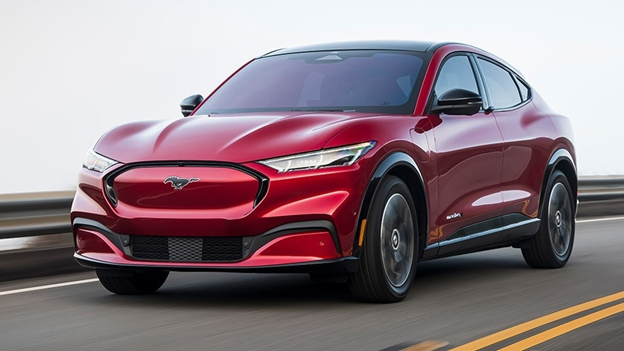
The rising interest in electric vehicles (EVs) is often driven by the promise of lower "fuel" costs. While charging an EV at home can be significantly cheaper (around $0.03/mile, or $450/year for 15,000 miles), public charging stations are more expensive (about $0.10/mile, or $1,500/year). Furthermore, installing a Level 2 home charger, necessary for faster charging and greater range, can incur an upfront cost of approximately $2,000. Therefore, while EVs offer environmental benefits and potentially lower operational costs in some scenarios, the total energy expenditure, especially for those reliant on public charging, can be comparable to gasoline vehicles, requiring careful calculation based on individual driving and charging habits.
3. Maintenance and Repairs: Ranging from $150/month to $600/month
This category presents one of the widest variations in car ownership costs, heavily dependent on the vehicle’s make, model, and age. Maintenance encompasses routine, preventative tasks vital for a car’s longevity, such as oil changes, tire rotations, brake pad replacements, and fluid checks. Repairs, on the other hand, are unpredictable fixes for components that fail, including engine issues, transmission problems, or suspension repairs.
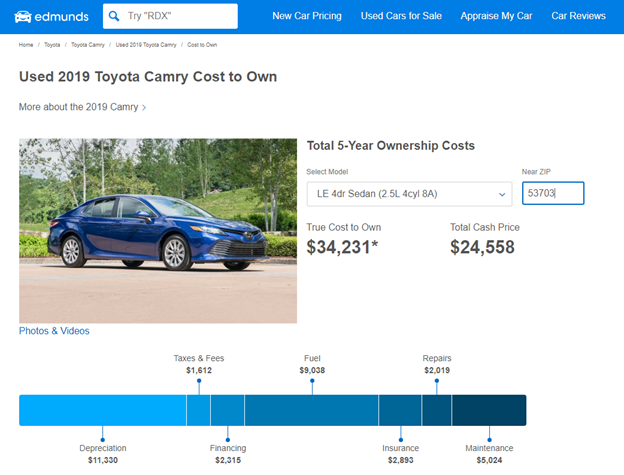
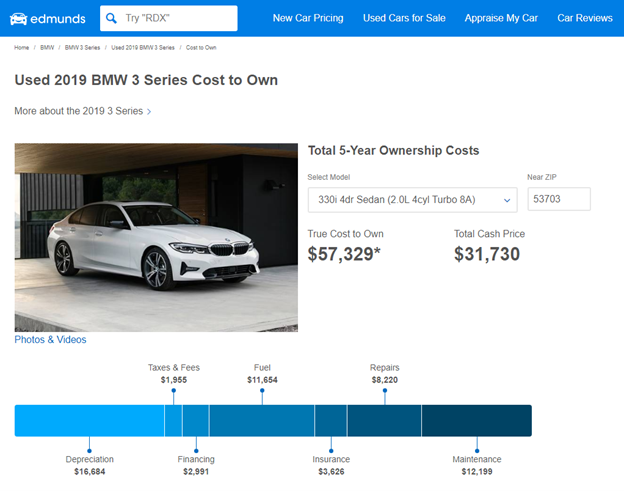
The disparity in reliability between brands is stark. A well-regarded model like a Toyota Camry might incur approximately $7,043 in maintenance and repairs over five years, translating to about $117 per month. In contrast, a luxury vehicle such as a BMW 3 Series, while comparable in initial used purchase price, could demand over $20,419 in maintenance and repairs over the same period, averaging around $340 per month. Extreme examples, like a Range Rover requiring over $15,000 in repairs within four years, underscore the importance of researching a vehicle’s "True Cost to Own" (as provided by resources like Edmunds) before purchase. Leased vehicles often mitigate some of these costs, as dealers typically cover significant maintenance and warranty-covered repairs. However, for purchased used cars, a robust emergency fund for unexpected repairs is a financial imperative.
4. Auto Insurance: Averaging $150/month
Auto insurance is a non-negotiable expense for car owners, legally mandated in most regions. The national average for full coverage insurance, which typically includes liability, collision, and comprehensive coverage, was approximately $1,662 annually or $138.20 per month, according to PolicyGenius data. However, for younger drivers, premiums are often higher due to statistical risk factors. Therefore, budgeting $150 per month for insurance is a more conservative and realistic estimate for this demographic.
Most loan and lease agreements stipulate full coverage insurance until the vehicle is fully owned, protecting the lender’s asset. Factors influencing insurance premiums are numerous and include the driver’s age, driving record, geographic location, vehicle type, and credit score. Consumer advocacy groups consistently advise drivers to obtain multiple quotes from different providers annually to ensure they are securing the most competitive rates, often highlighting potential savings of up to 40% through diligent comparison shopping and leveraging available discounts.
5. Registration, Taxes, and Fees: Averaging $10/month (~$120/year)
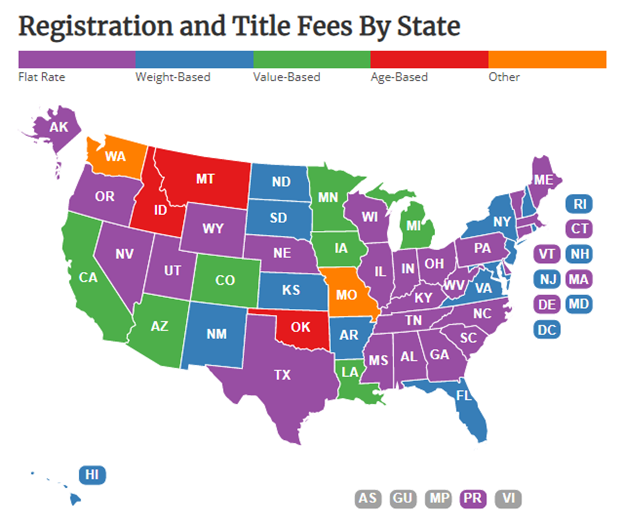
Beyond the initial sales tax on purchase, car owners face recurring annual fees for registration and various state-specific taxes. These costs vary considerably by state. For example, in Georgia, annual registration and title fees might be as low as $20 and $18, respectively. Conversely, states like North Dakota have higher annual registration fees, reaching up to $274. While these individual monthly costs might appear minor compared to other expenses, they are mandatory and contribute to the overall financial burden. Resources like the National Conference of State Legislatures provide interactive maps to help prospective buyers understand the specific annual obligations in their state of residence.
6. Parking Costs: Ranging from $0 to $350/month
Often overlooked in generalized cost analyses, parking can be a substantial expense, particularly for those residing or working in urban centers. Unlike AAA’s typical calculations, which may not include parking, this category can rival or even exceed insurance costs in metropolitan areas. Data from services like SpotHero indicates that monthly parking rates in U.S. cities can range from approximately $50 in smaller cities to $340 in dense urban hubs like San Francisco, with a national average around $150.
The "True Cost to Park" is a critical consideration. Factors include whether landlords or employers offer free parking, the frequency of trips to areas with paid parking, and the availability of affordable municipal options. Urban planning experts note that the cost of parking reflects not only demand but also the significant investment in infrastructure required to accommodate vehicles in congested areas. Prospective car owners should meticulously research local parking costs before committing to a purchase, as these can dramatically alter the real-world affordability of a vehicle.
7. Depreciation: Averaging $250/month
Depreciation represents the gradual loss of a vehicle’s market value over time. While not a direct, out-of-pocket monthly expense, it is a significant "cost" that manifests at the point of sale or trade-in. The rate of depreciation varies widely based on brand reputation, model popularity, mileage, condition, and market demand.
Using the previous example, a Toyota Camry might depreciate by approximately $11,330 over five years, representing a monthly "cost" of about $188.83. This relatively slow depreciation makes reliable brands like Toyota or Lexus attractive from a long-term financial perspective. In contrast, a BMW 3 Series might retain only 47.4% of its value after five years, leading to a higher depreciation "cost" of around $251.27 per month. This difference significantly impacts the net cost of ownership when the vehicle is eventually sold.
Electric vehicles often experience faster depreciation due to factors such as battery degradation, the expiration of battery warranties, and the high cost of potential battery replacement (estimated at $8,000 to $20,000 around the 10-year mark). Depreciation is entirely absent in lease agreements, as the vehicle is never owned by the driver. Understanding depreciation is crucial for a realistic assessment of a car’s true long-term financial impact.
Strategies for Fiscal Prudence: Mitigating Car Ownership Costs
Given the substantial financial commitment, adopting strategies to reduce these expenses is paramount for informed car ownership. Industry professionals and financial advisors offer several key recommendations:
- Strategic Vehicle Acquisition: Opting to finance a reliable, slightly used car (e.g., 2-3 years old) instead of leasing a new one can significantly reduce depreciation costs and often provides a better long-term value proposition. Dependable brands renowned for their longevity and lower maintenance costs, such as Toyota and Lexus, are frequently recommended.
- Diligent Insurance Shopping: Regularly obtaining and comparing insurance quotes from multiple providers can yield substantial savings. Factors like bundling policies (home and auto), maintaining a clean driving record, and utilizing telematics devices (if comfortable) can also reduce premiums.
- Fuel Efficiency and Smart Driving: Choosing a fuel-efficient vehicle or, if opting for an EV, maximizing home charging can dramatically lower energy costs. Adopting eco-driving habits, such as avoiding rapid acceleration and maintaining consistent speeds, further improves fuel economy. Utilizing gas rewards cards can also provide incremental savings.
- Proactive Maintenance: Adhering to the manufacturer’s recommended maintenance schedule helps prevent minor issues from escalating into costly repairs. Basic DIY checks (tire pressure, fluid levels) can also contribute to vehicle health and longevity.
- Awareness of Parking Costs: Before purchasing, thoroughly research parking availability and costs in daily frequented areas (home, work, common leisure spots). Exploring public transportation options for city commutes can be a cost-effective alternative to expensive urban parking.
- Understanding Loan Terms: Opting for shorter loan terms (36-48 months) and making a substantial down payment reduces total interest paid and minimizes the risk of negative equity.
- Negotiating Purchase Price: Always negotiate the vehicle’s purchase price, whether new or used. Researching market values and being prepared to walk away can result in significant upfront savings.
Broader Economic and Societal Implications
The escalating costs of car ownership have wider implications beyond individual budgets. For many households, a vehicle is not a luxury but a necessity for employment, education, and daily life, particularly in areas with limited public transportation. The increasing financial burden can exacerbate income inequality, making reliable transportation less accessible for lower-income families.
Furthermore, the shift towards more expensive vehicles and the growth of the EV market, while offering environmental benefits, introduces new cost considerations for consumers and infrastructure development challenges for municipalities. Urban planners are increasingly exploring solutions that integrate multimodal transportation options to reduce reliance on personal vehicles and mitigate the associated financial and environmental costs. The automotive industry itself faces the challenge of balancing innovation with affordability, as technological advancements and regulatory requirements often add to vehicle production costs.
The Bottom Line
At an average of approximately $940 per month, the true cost of car ownership is a significant financial commitment. This comprehensive figure, encompassing initial financing, ongoing operational expenses, and the often-hidden cost of depreciation, underscores the importance of a meticulous budgeting process. While cars provide unparalleled convenience, comfort, and freedom for many, an informed understanding of all associated expenses is crucial for making a financially sound decision. For those who meticulously plan and strategically manage these costs, the benefits of vehicle ownership can indeed outweigh the substantial investment, contributing positively to their quality of life and personal mobility.

